If you're a Chicago homeowner thinking about new hardwood floors, you've probably found yourself deep in a Google rabbit hole trying to figure out whether engineered or solid hardwood is the way to go. Trust us, you're not alone. It's one of the most common questions we get from folks across the city and the surrounding suburbs stretching north and west.
Here's the thing: both options look stunning, both add serious value to your home, and both have their pros and cons. But when you factor in Chicago's unique climate, those sticky summers, bone-dry winters, and everything in between, the answer gets a little more nuanced.
Let's break it down so you can make the best decision for your space, your budget, and your lifestyle.
What's the Difference, Anyway?
Before we dive into the Chicago-specific stuff, let's get the basics out of the way.
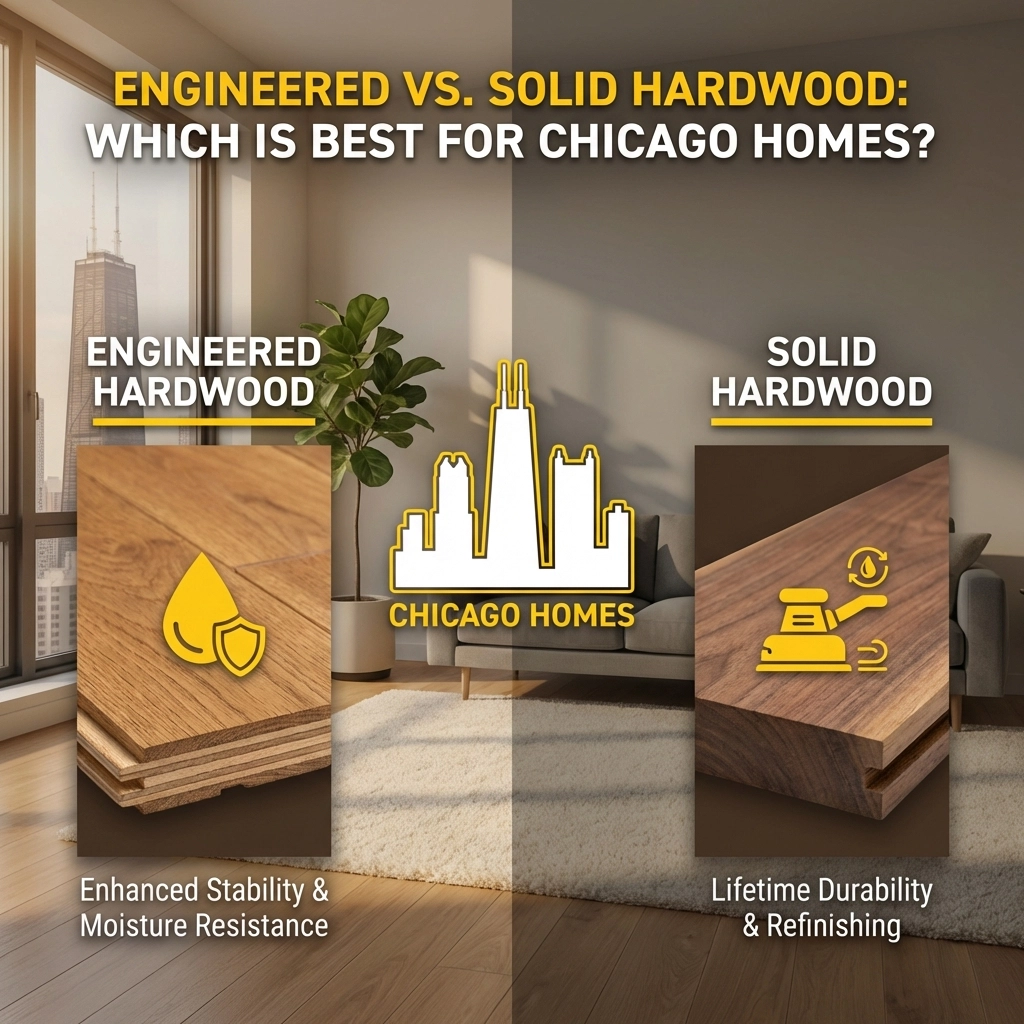
Solid hardwood is exactly what it sounds like: planks milled from a single piece of wood, typically ¾-inch thick. It's the traditional choice that's been gracing homes for centuries. Oak, maple, walnut, you name it. Solid hardwood is the real deal, through and through.
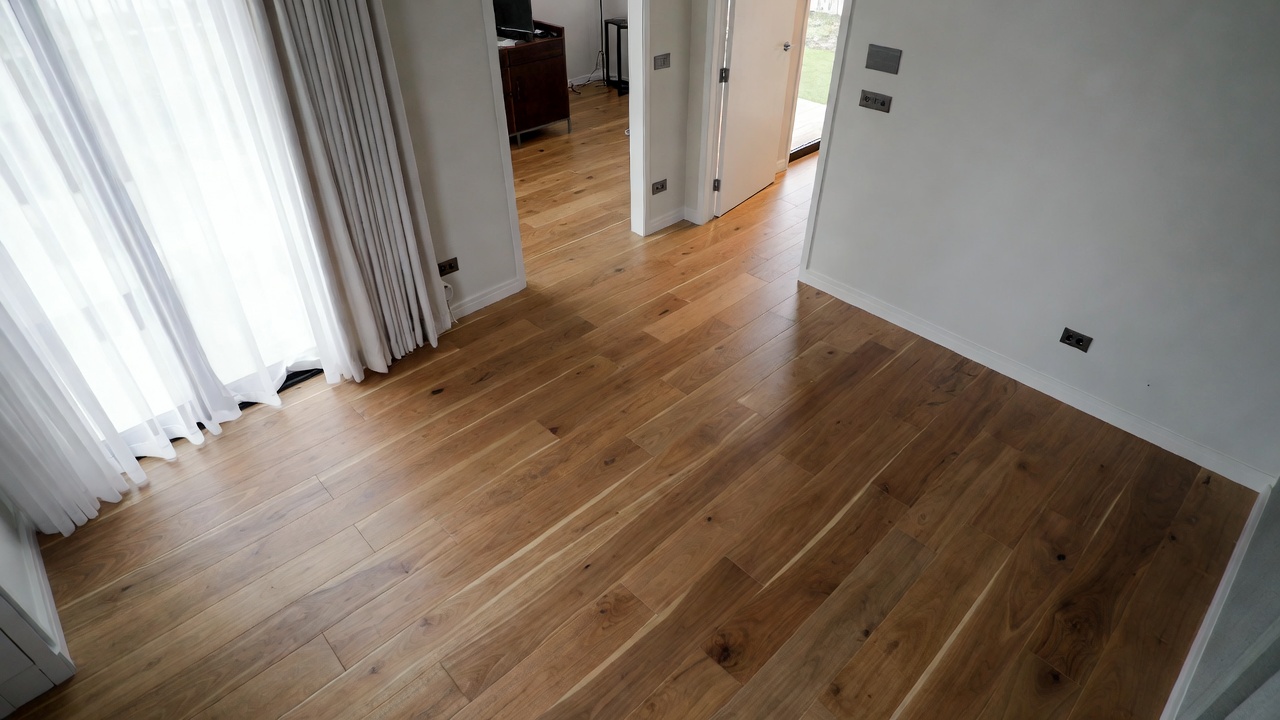
Engineered hardwood takes a different approach. It features a top layer (or "veneer") of real hardwood bonded to multiple layers of plywood or high-density fiberboard beneath. Think of it like a layered cake where the top layer gives you that gorgeous wood look and feel, while the base layers provide stability.
Both options give you authentic hardwood on the surface, so yes, engineered hardwood is still real wood. The difference lies in how they're constructed and how they respond to environmental changes.
Chicago's Climate: The Elephant in the Room
Let's be honest: Chicago weather is wild. We go from humid summers where you can practically swim through the air to winters so dry your skin cracks just thinking about it. And those temperature swings? Your floors feel every single one of them.
Here's why that matters:
Solid hardwood is sensitive. Wood is a natural material that expands when it absorbs moisture and contracts when it dries out. In a city like Chicago, where humidity levels can swing dramatically between seasons, solid hardwood can experience noticeable expansion and contraction. Over time, this can lead to gaps between planks in winter and potential cupping or buckling in summer if the humidity isn't managed properly.
Engineered hardwood handles the swings better. That layered construction we mentioned? It's designed to resist expansion and contraction. The cross-grain structure of the base layers counteracts the natural movement of wood, making engineered floors much more dimensionally stable. For Chicago homes: especially those without perfectly controlled humidity levels: this can be a game-changer.
If you're curious about how humidity affects your floors (and how to manage it), we've put together a helpful resource on humidity and hardwood care.
Durability: Which Floor Goes the Distance?
This is where things get interesting, and it really depends on how you define "durability."
Solid hardwood wins the longevity game: if you're willing to put in the work. A well-maintained solid hardwood floor can last 50, 75, even 100+ years. The secret? You can sand and refinish it up to 10 times over its lifetime. Got scratches? Sand them out. Want to change the stain color in 20 years? No problem. That ¾-inch thickness gives you plenty of material to work with.
Engineered hardwood is durable, but with limits. Depending on the thickness of the top veneer (usually between 1mm and 6mm), you can refinish engineered floors 1-3 times. After that, you've sanded through the real wood layer. That said, many quality engineered floors come with incredibly tough factory finishes that resist scratches and wear better than traditional finishes on solid wood.
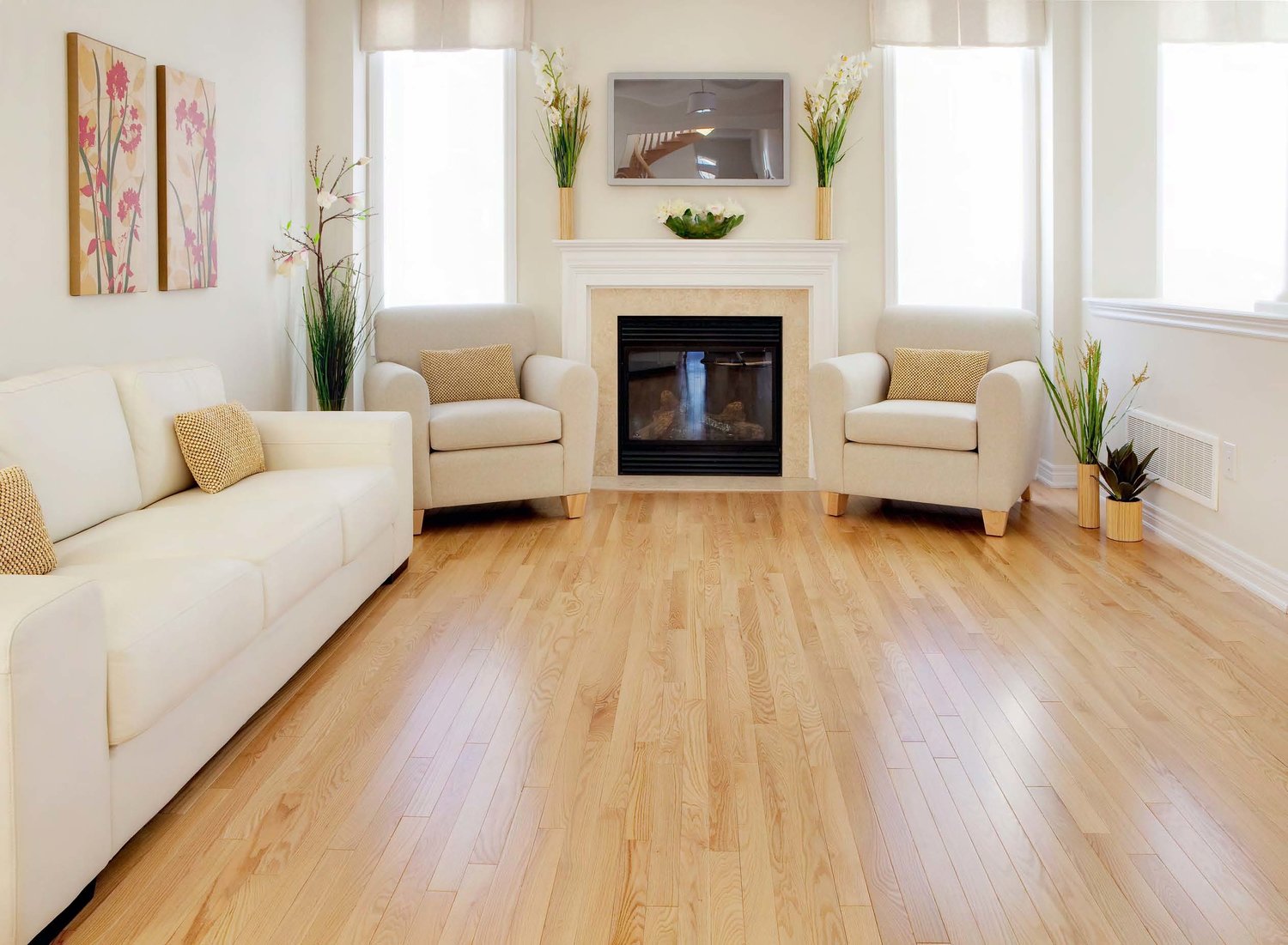
For most Chicago homeowners, the practical lifespan of engineered hardwood is still impressive: typically 20-30 years or more with proper care. If you're planning to stay in your home for generations and want the ultimate in refinishing flexibility, solid hardwood has the edge. If you're looking at the next couple of decades and want something that handles our climate gracefully, engineered is a solid bet.
Installation: Where Can Each Type Go?
Here's where engineered hardwood really shines for Chicago homes.
Solid hardwood has limitations. It needs to be nailed or stapled down to a wooden subfloor. That means if you have a concrete slab foundation (common in many Chicago-area homes) or you're finishing a basement, solid hardwood typically isn't an option: at least not without significant subfloor preparation.
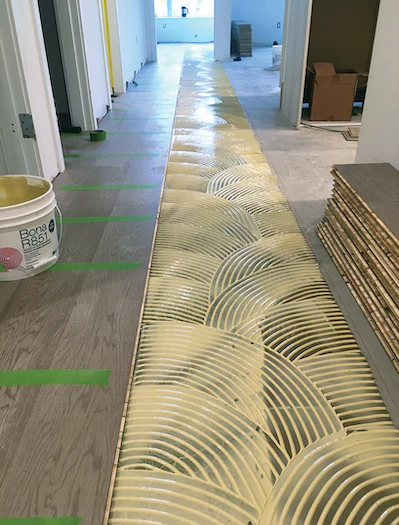
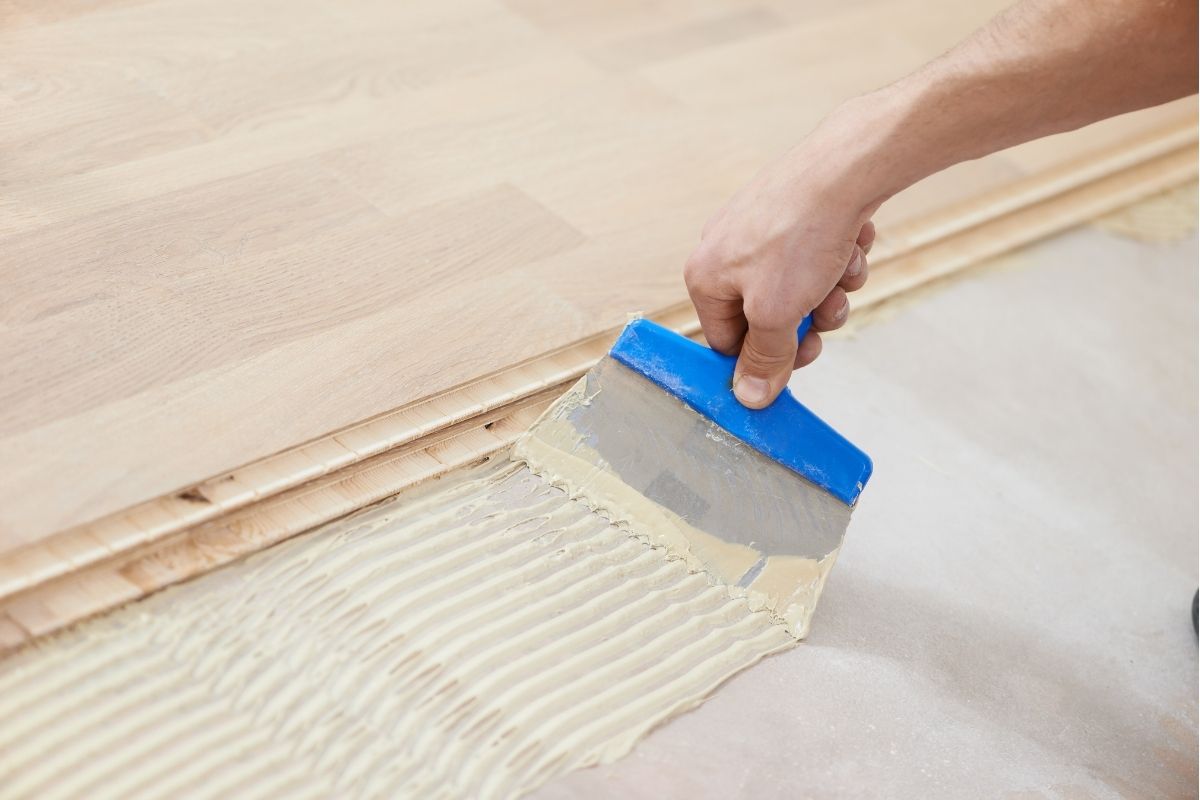
Engineered hardwood is versatile. It can be glued down, floated (clicked together over an underlayment), or even nailed. This means you can install it:
- Over concrete slabs
- In basements (a huge plus for Chicago homeowners looking to maximize living space)
- Over radiant heating systems
- In areas where moisture might be a concern
For folks in our service area: Chicago and within a 60-mile radius extending north and west: we see a lot of older homes with various subfloor situations and plenty of newer construction with concrete foundations. Engineered hardwood often gives homeowners more flexibility to get the hardwood look they want, regardless of what's underneath.
Need help figuring out what your subfloor situation requires? Check out our page on subfloor installation for more details.
The Cost Factor
Budget matters, so let's talk numbers.
Engineered hardwood typically costs less upfront. The materials are generally more affordable, and installation can be quicker (especially with floating installations), which can reduce labor costs.
Solid hardwood has a higher initial investment. You're paying for that full thickness of premium wood, plus the installation is often more labor-intensive.
However, here's the twist: when you factor in the long-term picture, solid hardwood's ability to be refinished multiple times can make it more cost-effective over 50+ years. But if you're not planning to be in your home that long: or you'd rather put those extra dollars toward other renovations: engineered hardwood delivers excellent value.
Maintenance and Care
Good news: both types of hardwood require similar day-to-day care. Regular sweeping, occasional mopping with a hardwood-safe cleaner, and keeping up with humidity control will keep either floor looking beautiful.
The big difference comes down to what happens when damage occurs:
- Solid hardwood: Deep scratches and wear can be sanded out and refinished.
- Engineered hardwood: Surface scratches can often be buffed out, but deep damage may require board replacement rather than full refinishing.
For tips on keeping your floors in top shape year-round, visit our maintenance guide.
So, Which Should You Choose?
Here's our honest take for Chicago homeowners:
Go with engineered hardwood if:
- You want floors that handle Chicago's humidity swings without drama
- You're installing over concrete or in a basement
- You want a lower upfront cost
- You're planning to stay in your home for the next 10-25 years
Go with solid hardwood if:
- You're in it for the long haul and want maximum refinishing potential
- You have a proper wooden subfloor throughout
- You're committed to maintaining consistent humidity levels in your home
- You love the idea of floors that could outlast you (literally)
Both are fantastic choices: it really comes down to your specific situation, priorities, and the unique characteristics of your home.
Ready to Talk Floors?
Whether you're leaning toward engineered, solid, or still weighing your options, we're here to help. At Rovin's Flooring Inc, we've been helping Chicago homeowners and those throughout the surrounding 60-mile radius (north and west) make smart flooring decisions for years.
Want to see samples in person, get a professional assessment of your subfloor, or just chat through your options? Reach out for a free estimate: we'd love to help you find the perfect floor for your Chicago home.