
So you're thinking about installing hardwood floors in your Chicago home. Maybe you've been scrolling through Pinterest, admiring those gorgeous wide-plank oak floors, or perhaps your current carpet has finally seen better days. Either way, you're in the right place.
Hardwood flooring is one of the best investments you can make in your home: it adds warmth, character, and serious resale value. But before you dive in, there are some things every Chicago homeowner should know. From understanding costs to choosing the right contractor, here are 10 essential tips that'll help you navigate your wood floor installation like a pro.
1. Know What You're Actually Paying For
Let's talk numbers first because nobody likes surprises on a quote. In the Chicago area, you can expect to pay anywhere from $7 to $11+ per square foot for mid-grade solid hardwood installation. For a typical 1,000 square foot project, that works out to roughly $12,000 to $22,000 total.
Here's the thing though: that number includes both labor and materials, and they're usually priced separately. Labor typically runs $2 to $6 per square foot, while the wood itself ranges from $3 to $15 per square foot depending on what species you choose. Understanding this breakdown helps you make smarter decisions about where to splurge and where to save.
2. Your Wood Species Choice Makes a Huge Difference
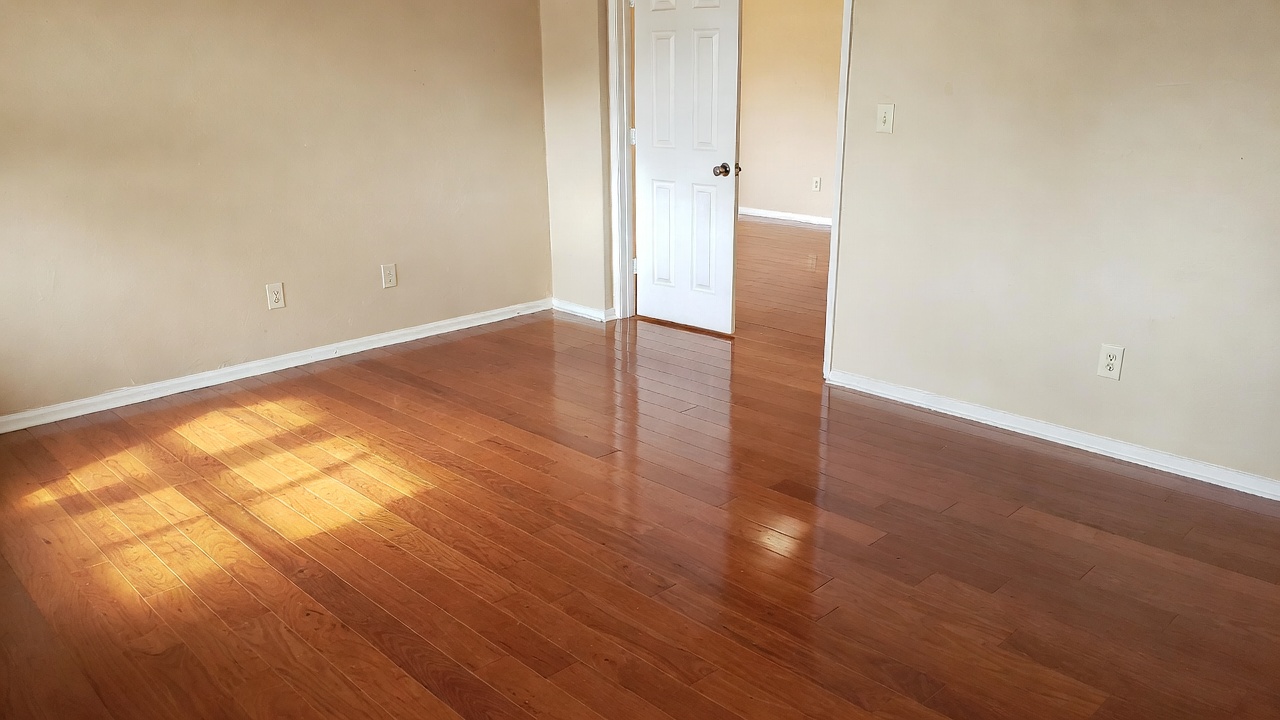
Not all hardwood is created equal: both in looks and price. Here in Chicago, red oak and white oak remain the most popular choices for good reason. They're durable, beautiful, and reasonably priced at around $3.25 to $5.50 per square foot for unfinished planks.
Want something more exotic? Brazilian walnut and mahogany will run you $8 to $14 per square foot just for materials. They're stunning, but make sure your budget can handle it. If you're unsure which direction to go, check out our material guide to explore your options.
3. Acclimation Isn't Optional: It's Essential
This is where a lot of DIY projects go wrong. Wood is a natural material that expands and contracts with changes in temperature and humidity. Before installation, your flooring needs time to acclimate to your home's environment: typically 3 to 7 days minimum.
Skip this step, and you're looking at gaps, buckling, or cupping down the road. Chicago's climate swings from humid summers to dry, heated winters, making proper acclimation even more critical here. A professional installer will never rush this process, and neither should you.
4. Chicago Weather Demands Special Attention
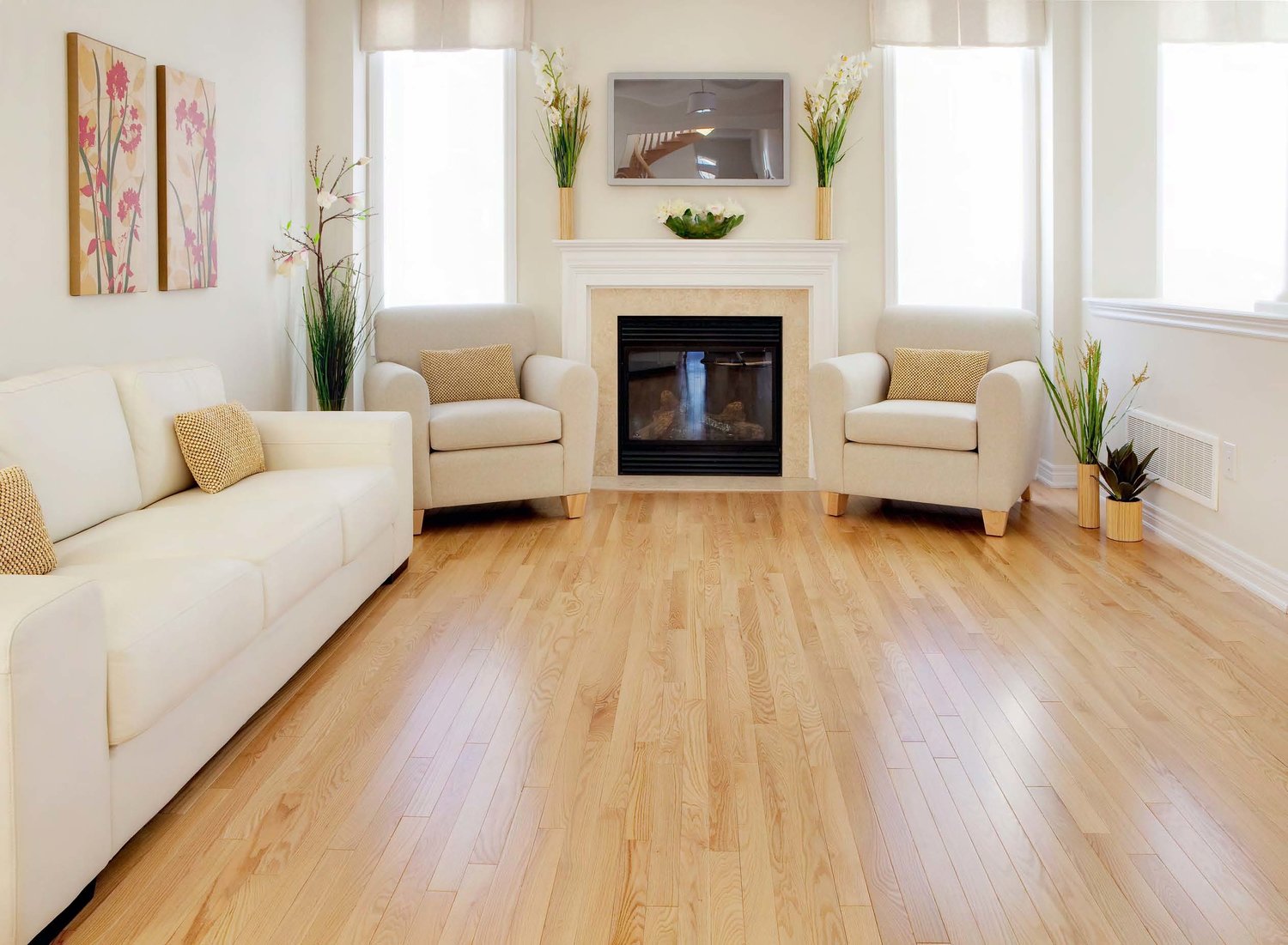
Speaking of climate, Chicago's notorious temperature swings require some extra consideration. Our winters are brutal, and running your furnace constantly dries out indoor air significantly. This can cause hardwood to shrink and develop gaps between planks.
The solution? Maintain consistent indoor humidity levels between 35% and 55% year-round. A quality humidifier during winter months is practically a requirement for hardwood floor owners in our area. For more details on how temperature affects your floors, take a look at our temperature guide and humidity information.
5. Your Subfloor Matters More Than You Think
What's underneath your hardwood is just as important as the hardwood itself. Before any installation can happen, your subfloor needs to be level, clean, and structurally sound. If there are issues: squeaks, unevenness, moisture problems: they need to be addressed first.
Subfloor preparation can add to your project cost, but it's not something you want to cut corners on. A beautiful floor installed over a problematic subfloor will only lead to headaches later. We offer professional subfloor installation services to ensure your foundation is solid before the hardwood goes down.
6. Installation Method Affects Both Cost and Performance
There are several ways to install hardwood flooring, and the right method depends on your subfloor type and the flooring you've chosen.
Nail-down installation is the traditional method for solid hardwood over wood subfloors. It's reliable and allows for easy repairs if individual boards need replacing.
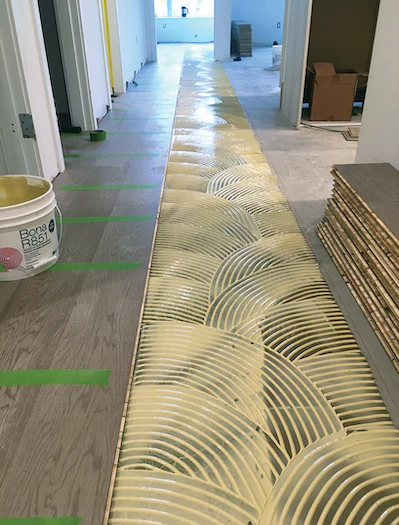
Glue-down installation works well for engineered hardwood over concrete: common in Chicago condos and basement renovations. It creates a solid bond but requires more labor.
Floating installations are quicker and more budget-friendly but aren't suitable for every situation.
Custom patterns like herringbone or chevron will cost more due to the additional labor involved, but the visual impact can be worth every penny if you're going for a statement floor.
7. Don't Forget About the "Extras"
Base installation quotes often don't include everything you'll need. Budget for these additional costs:
- Old flooring removal and disposal – Someone's got to get rid of that old carpet
- Transitions and trim – Where your hardwood meets other flooring or doorways
- Stair installation – Typically charged separately at $120 to $200 per step
- Door jamb undercutting – So your doors close properly over the new floor
- Baseboard reinstallation or replacement – Often overlooked but necessary
These "extras" can add 10% to 20% to your total project cost. A reputable contractor will include these in their initial estimate so you're not blindsided later.
8. Engineered Hardwood Is a Legitimate Option
If solid hardwood is stretching your budget, don't dismiss engineered hardwood. It's made with a real wood veneer over a plywood core, giving you the look of hardwood at a lower price point: typically $2 to $5 per square foot for installation.
Engineered wood is also more dimensionally stable, making it a smart choice for basements, over radiant heat systems, or homes with significant humidity fluctuations. High-end engineered options can look virtually identical to solid hardwood and can be refinished at least once.
9. Hire Local Experts Who Know Chicago Homes
This might be the most important tip on the list. Chicago homes: from Victorian-era buildings in Lincoln Park to mid-century ranches in the northwest suburbs: each come with their own quirks. Old subfloors, uneven foundations, and unique layouts require experienced hands.
When choosing a contractor, look for someone who:
- Has extensive experience with Chicago-area homes
- Provides detailed, written estimates
- Carries proper insurance and licensing
- Can show you examples of previous work
- Doesn't pressure you into rushed decisions
At Rovin's Flooring, we serve Chicago and a 60-mile radius extending north and west, and we've been installing hardwood floors in this region long enough to know what works and what doesn't. If you're ready to discuss your project, request an estimate to get started.
10. Plan for Long-Term Maintenance
Your hardwood floors are an investment, and protecting that investment requires ongoing care. The good news? Maintenance isn't complicated:
- Sweep or vacuum regularly to remove grit that can scratch the finish
- Use appropriate wood floor cleaners: not just any household cleaner
- Place felt pads under furniture legs
- Use rugs in high-traffic areas
- Address spills immediately
Down the road, your floors will likely need refinishing: typically every 7 to 10 years depending on wear. Refinishing runs about $3.75 to $4.60 per square foot and can make old floors look brand new again. Check out our maintenance guide for detailed care instructions.
Ready to Transform Your Space?
Wood floor installation is a significant project, but with the right preparation and the right team, it's absolutely worth it. Whether you're renovating a historic Chicago bungalow or upgrading a suburban family home, hardwood floors add timeless beauty and lasting value.
Have questions about your specific project? We're happy to help. Contact us to discuss your vision, or learn more about why hardwood might be the perfect choice for your home.