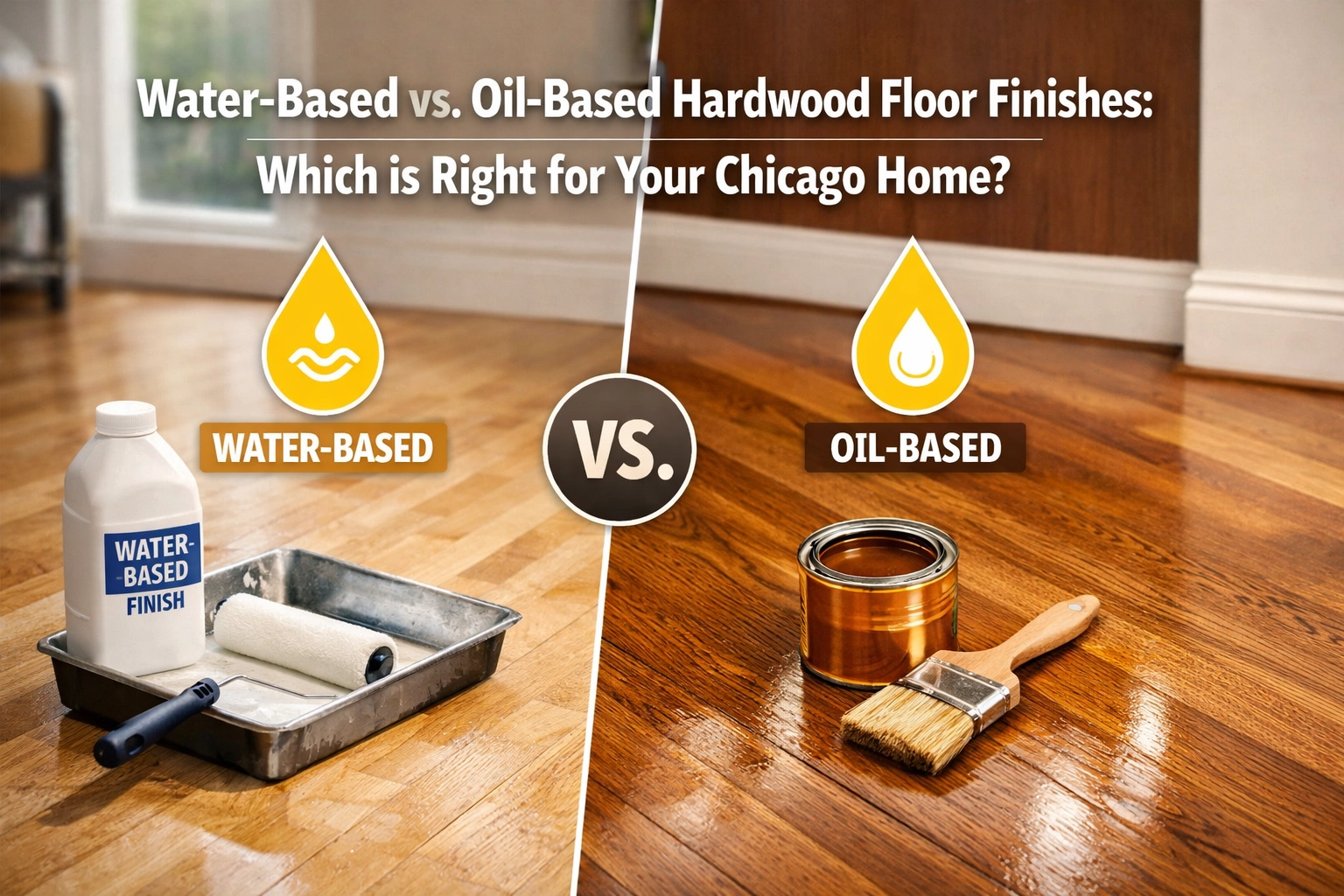
When you're refinishing your hardwood floors in Chicago, one of the most important decisions you'll make is choosing between water-based and oil-based polyurethane finishes. Both have their advantages, but the right choice depends on your aesthetic preferences, timeline, budget, and lifestyle: especially if you have kids or pets.
Let's break down the real differences so you can make an informed decision for your home.
The Look: Clear vs. Amber
The most noticeable difference between these two finishes is how they look on your floors.
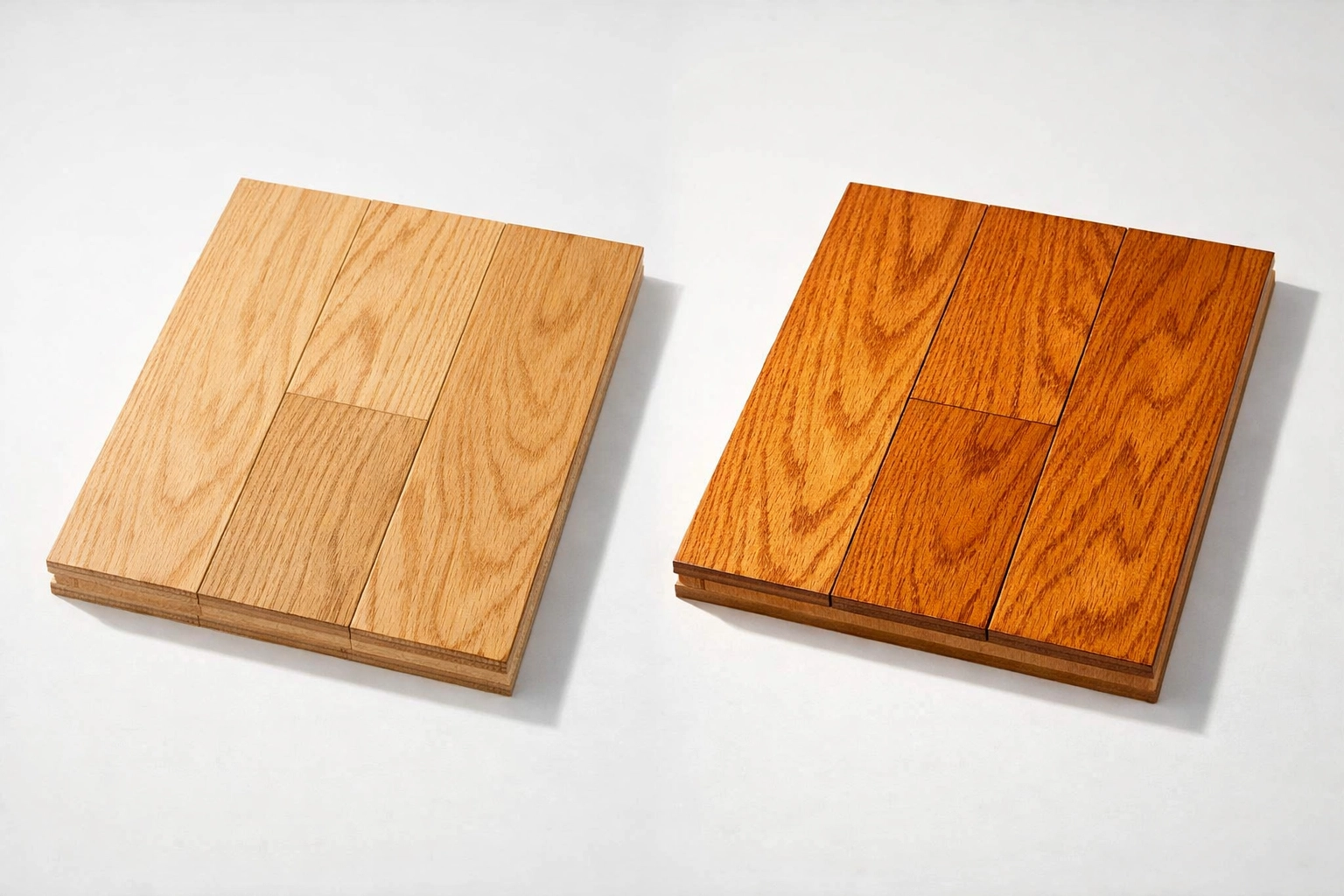
Water-based polyurethane dries completely clear, preserving the natural color of your wood. If you've chosen a light stain: gray, white, or whitewashed: water-based is your only option. It won't alter the tone of your wood over time, maintaining that fresh, modern look for years.
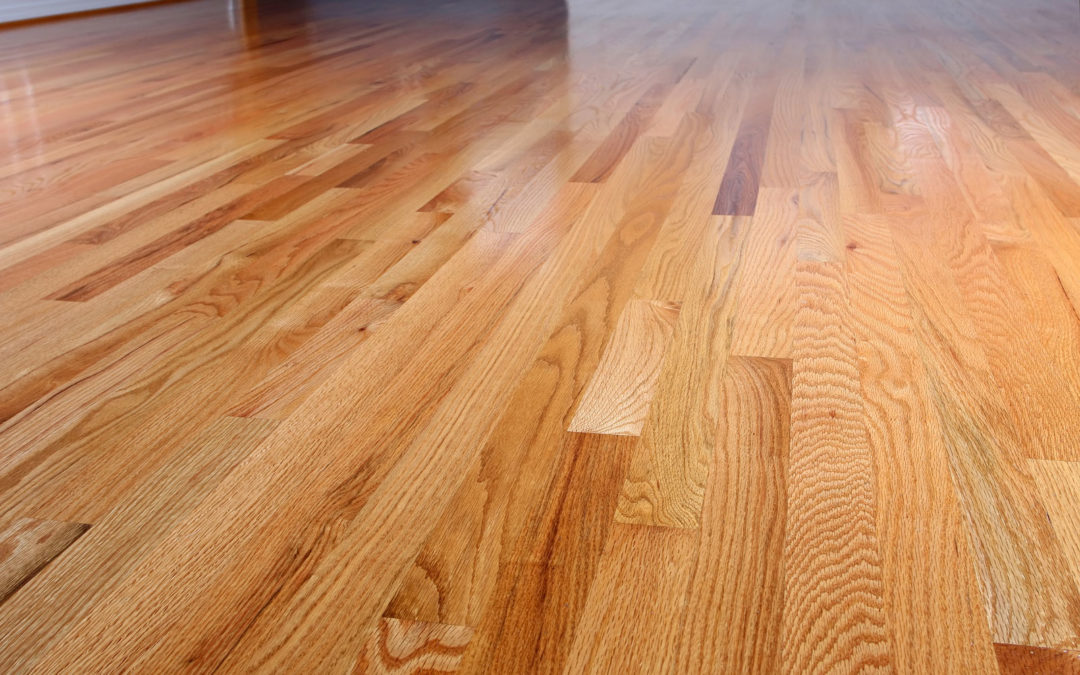
Oil-based polyurethane adds a warm amber glow that deepens and enriches the wood's color. Over time, this amber tone becomes more pronounced, giving your floors a classic, vintage appearance. If you're going for that warm, honey-toned look in your Chicago bungalow or traditional home, oil-based delivers that aesthetic beautifully.
One important note: oil-based finishes will yellow over time, especially in areas that get a lot of sunlight. If you have large south-facing windows, expect that amber tone to intensify. Water-based finishes stay true to their original color indefinitely.
Drying Times and Chicago's Humidity Factor
Here's where things get practical, especially during Chicago's humid summers or unpredictable spring weather.
Water-based finishes dry incredibly fast: typically within 2 to 4 hours between coats. You can apply multiple coats in a single day, and your floors are usually walkable within 24 hours. This means less disruption to your life and a faster return to normal routines.
Oil-based finishes take significantly longer: each coat needs 8 to 12 hours to dry, and you'll need to wait at least 24 hours between applications. Factor in Chicago's humidity during summer months, and those drying times can stretch even longer. Your floors won't be ready for furniture for 3 to 5 days, and you'll need to stay out of the house during application due to fumes.
However, oil-based finishes require fewer coats. Most projects need just 2 coats compared to the 3 coats typically required for water-based finishes. So while each coat takes longer, you're applying fewer of them overall.
For Chicago homeowners working around school schedules, hosting guests, or managing tight timelines, water-based finishes offer significant convenience.
Odor, VOCs, and Living in Your Home
Let's be honest: odor matters, especially if you're living in your home during the refinishing process.
Water-based finishes have minimal odor and low VOC (volatile organic compound) levels. With proper ventilation: open windows and fans: most families can stay in their homes during the refinishing process. The smell dissipates within hours, not days.
Oil-based finishes produce strong, unmistakable fumes that linger for days. Most homeowners need to vacate their homes for 2 to 3 days during application and initial curing. If you have respiratory sensitivities, young children, or pets, those fumes can be a real problem.
In Chicago's colder months when you can't just throw open all the windows for ventilation, oil-based finishes become even more challenging. Water-based finishes give you more flexibility year-round.
Durability: Which Finish Holds Up Better?
Both finishes, when applied properly with quality products, offer excellent durability. But they wear differently.
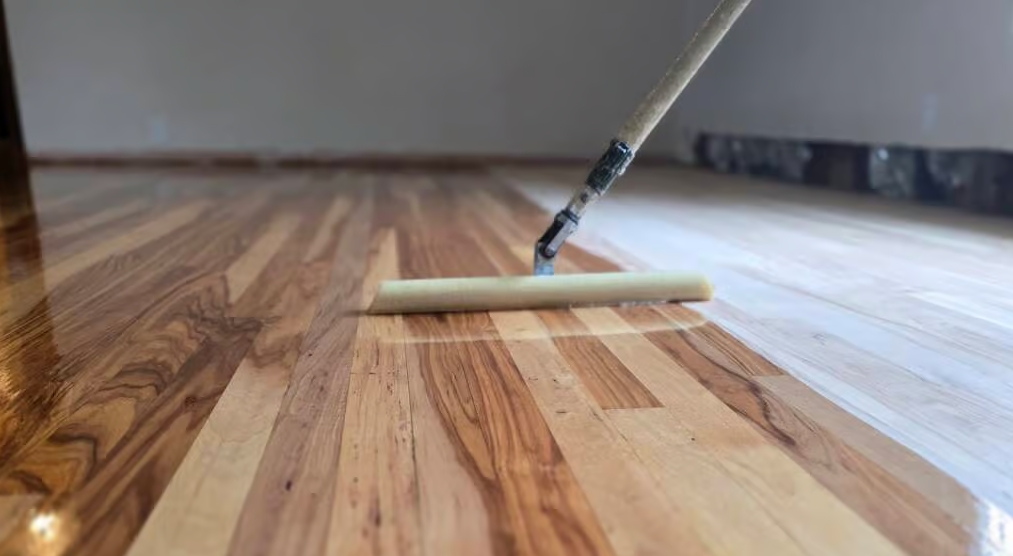
Oil-based polyurethane creates a thicker, softer coating. This makes it slightly more susceptible to dents and dings from dropped items or furniture impacts. However, that thicker layer provides excellent protection in high-traffic areas like entryways, hallways, and kitchens. The soft coating is also more forgiving: scratches tend to be less visible because the finish has some give to it.
Water-based polyurethane forms a thinner but harder coating. This harder surface resists denting better but shows surface scratches more readily. The good news? Those scratches are typically more superficial and easier to buff out during maintenance.
For Chicago homes dealing with winter boots, road salt, wet umbrellas, and tracked-in debris during those long, slushy months, both finishes can handle the challenge. The key is proper application and regular maintenance.
If you have large dogs with untrimmed nails or young kids constantly dropping toys, consider going with 3 coats of high-durability water-based poly or 3 coats of oil-based. That extra coat provides the protection your floors need to withstand daily family life.
Water and Stain Resistance
This matters more than you might think, especially during Chicago winters when snow, salt, and wet boots are constant companions.
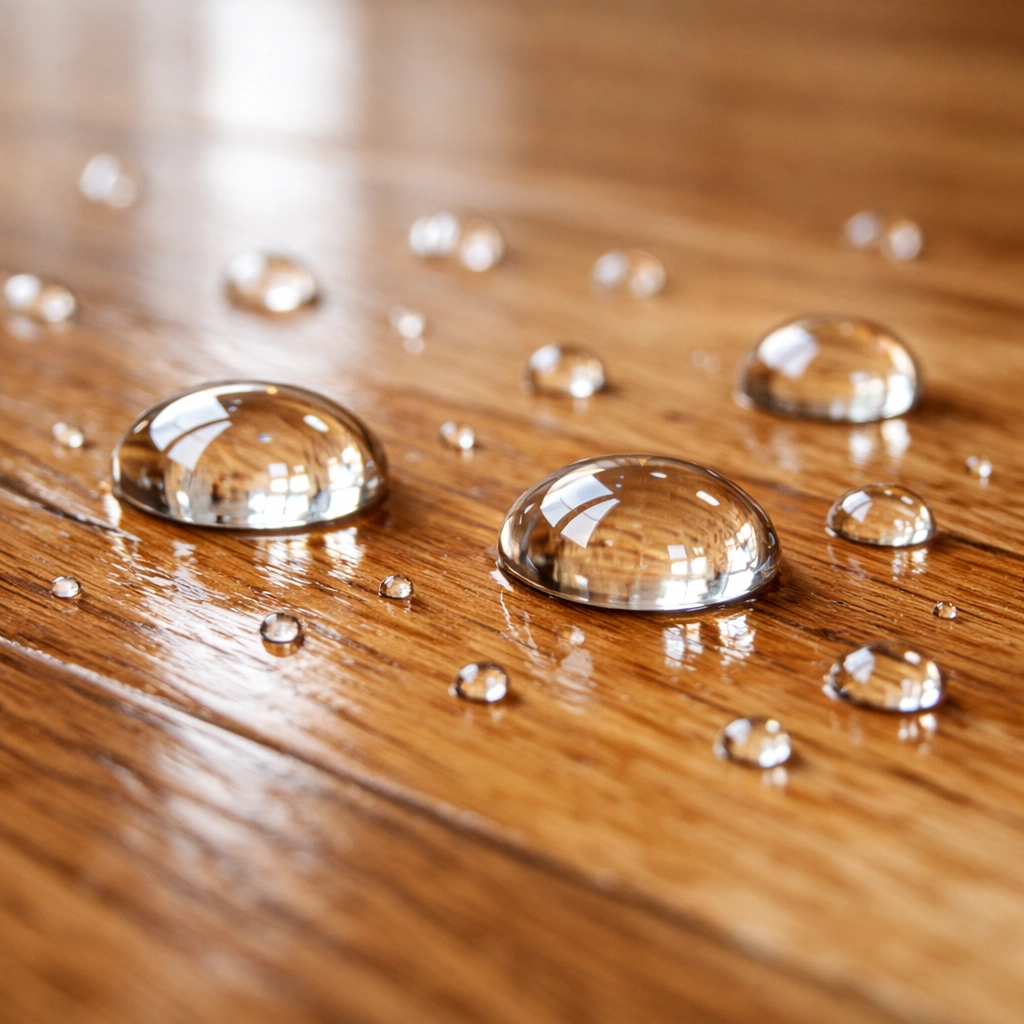
Oil-based finishes naturally repel water better and offer superior resistance to household chemicals and pet stains. If you're prone to spills: kids with juice boxes, pets with accidents: oil-based finishes give you a bit more time to clean up before damage occurs.
Water-based finishes have improved significantly in recent years, and premium formulations offer excellent moisture resistance. They're not quite as forgiving as oil-based options, but with prompt cleanup, they perform well in real-world conditions.
Both finishes require regular maintenance to protect your investment. Learn more about proper maintenance practices for hardwood floors to keep your finish performing at its best.
Cost: Budget Reality Check
Let's talk numbers, because cost matters.
Oil-based polyurethane is significantly cheaper, typically $30 to $50 per gallon. It also requires fewer coats (usually 2 compared to 3 for water-based), which reduces labor costs.
Water-based polyurethane costs substantially more: often 2 to 3 times the price of oil-based products, especially for premium two-component systems. And because you're applying an additional coat, labor costs increase as well.
However, consider the hidden costs of oil-based finishes: potential hotel stays during application, more time off work, and the longer disruption to your household. For many Chicago families, the convenience and faster timeline of water-based finishes justify the higher upfront cost.
Maintenance Over Time
Water-based finishes are generally easier to maintain. They don't yellow or change color, so touch-ups and recoats blend seamlessly with existing finish. When it's time to refresh your floors in 5 to 10 years, you can screen and recoat without worrying about color matching.
Oil-based finishes require slightly more maintenance as they age. That amber color continues to deepen, particularly in sun-exposed areas, which can create uneven coloring over time. Recoating requires more careful color matching to avoid visible differences.
Both finishes benefit from regular cleaning and periodic recoating. A well-maintained floor: regardless of finish type: can last decades.
Which Finish Is Right for Your Chicago Home?
Choose water-based polyurethane if you:
- Want to preserve light-colored or contemporary stains
- Need your floors back in service quickly
- Are staying in your home during refinishing
- Have respiratory sensitivities or young children
- Prefer a low-odor, low-VOC option
- Want a finish that won't yellow over time
Choose oil-based polyurethane if you:
- Love that warm, amber glow on natural wood
- Want a traditional, classic appearance
- Are working with a tighter budget
- Can vacate your home for several days
- Prefer fewer coats with thicker protection
- Are refinishing high-traffic commercial spaces
The Bottom Line
There's no universally "better" option: just the better option for your specific situation. Many Chicago homeowners in newer construction or renovated spaces lean toward water-based finishes for their clarity and convenience. Traditional home owners restoring original character often prefer oil-based finishes for that authentic, time-tested look.
At Rovin's Flooring Inc., we've applied both finishes to hundreds of homes throughout Chicago and the surrounding North and West suburbs within our 60-mile service radius. We can help you evaluate your specific floors, lifestyle, and aesthetic goals to recommend the right finish for your project.
Ready to refinish your hardwood floors? Contact us for a detailed assessment and estimate. We'll walk you through all your options and create a plan that fits your timeline and budget.
Your floors are an investment. Choose the finish that protects them while delivering the look you'll love for years to come.