If you've lived through even one winter in Chicago, you know the drill. That beautiful hardwood floor you invested in? It's under siege from November through March. Between the rock salt we're constantly tracking in, the slush that somehow makes it past every doormat, and those wild temperature swings that make our heating systems work overtime, your floors are facing some serious challenges.
Here's the thing about Chicago winters that makes them particularly brutal on hardwood: we don't just get cold: we get the full package. We're talking subzero temps one day, a surprise thaw the next, then back to freezing overnight. Add in the fact that we're literally coating our sidewalks and driveways with salt (which is basically sandpaper mixed with chemicals), and you've got a recipe for hardwood floor damage.
The good news? You don't have to watch your beautiful floors deteriorate every winter. With a few smart strategies, you can keep them looking great year-round. Let's walk through five practical steps that actually work.
Step 1: Create a Defense Line with Quality Mats
Your first line of defense is right at your doorway. Think of entry mats as bouncers for your floors: they stop the troublemakers before they get inside.
But here's where most people go wrong: they grab a flimsy mat from the discount store and call it a day. That's not going to cut it during a Chicago winter. You need a two-mat system that actually works.
Outside your door, place a heavy-duty scraper mat. This is where people stomp off the worst of the snow, slush, and salt before they even touch your doorknob. Inside, you want a large, absorbent mat: and I mean large. Not one of those tiny 2×3 foot mats that people step over. Go big enough that people take at least two full steps on it before they're on your actual floor.
Look for mats with these features:
- Rubber or non-slip backing so they stay put
- Deep grooves or fibers that actually trap moisture and debris
- Easy to clean (because they're going to get disgusting, let's be honest)
- Large enough to be functional, not decorative
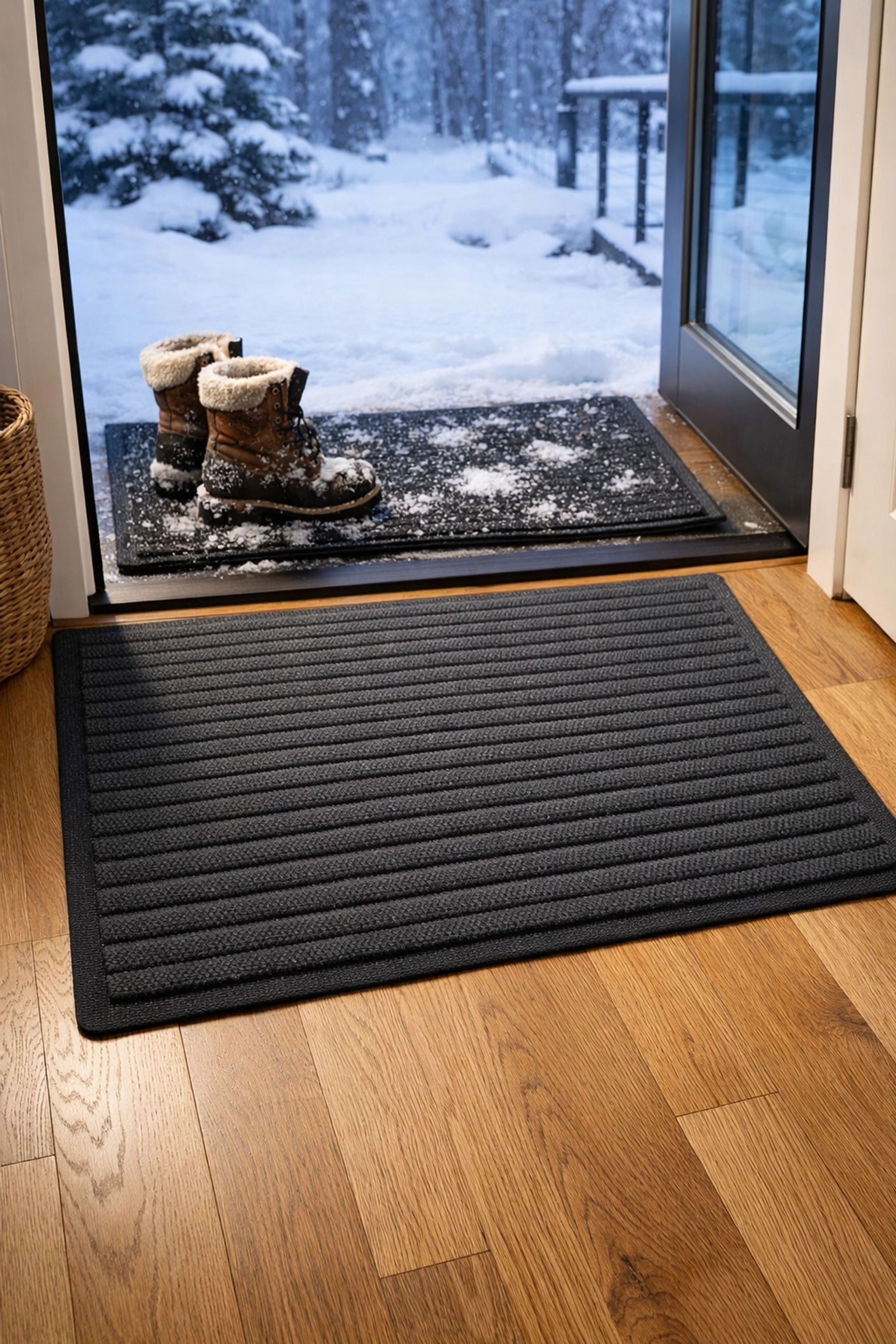
Consider placing smaller rugs in high-traffic pathways too: like the route from your front door to the kitchen or living room. These catch the salt and grit that inevitably escapes that first mat.
Step 2: Make Shoes at the Door Non-Negotiable
I know, I know: asking guests to remove their shoes can feel awkward, especially if you weren't raised with that rule. But trust me on this one: it's the single most effective thing you can do to protect your floors during winter.
Rock salt is essentially tiny crystals that act like sandpaper on your floor's finish. Every step with salty shoes is like taking fine-grit sandpaper to your beautiful hardwood. Over time, this dulls the finish, creates microscopic scratches, and leaves behind residue that can actually stain the wood.
Make it easy for people by setting up a shoe station near your entry. Keep a basket or rack there, maybe some slippers for guests, and make it part of your home's routine. Most people are totally fine with it once you explain you're protecting the floors: especially in a place like Chicago where everyone understands winter's impact on homes.
For your own family, consider keeping a pair of indoor-only shoes or slippers handy. This is especially helpful if you have kids who are constantly running in and out.
Step 3: Stay on Top of Cleaning: Immediately
During winter months, your cleaning game needs to level up. That salt and moisture won't wait around for your weekly cleaning schedule: it starts damaging your floors the moment it hits them.
Here's your winter floor cleaning routine:
Daily (or after anyone comes inside): Do a quick sweep or vacuum with a hardwood-safe attachment. You want to remove that gritty salt and sand before anyone walks on it and grinds it into your floor's finish.
Immediately (whenever you see it): Wipe up any wet spots, puddles, or slush. Don't wait until it dries. Use a soft towel to absorb the moisture, then follow up with a barely damp mop on that area if needed. The key word here is "barely damp": you never want standing water on hardwood.
Weekly: Do a thorough cleaning with a hardwood-specific cleaner. Avoid those all-purpose cleaners or anything with harsh chemicals. They can break down your floor's protective finish over time.
If you notice white, crusty residue (that's dried salt), you'll need to remove it properly. Mix a solution of warm water with a tiny bit of white vinegar: just a capful in a bucket. Dampen your mop, wring it out thoroughly, and wipe away the salt residue. Then immediately dry the area completely with a clean towel.
Step 4: Win the Humidity Battle
Here's something that surprises a lot of homeowners: the cold, dry air outside isn't the only threat. When you crank up your heating system to combat those freezing temperatures, you're sucking all the moisture out of your indoor air. And hardwood? It reacts to these humidity changes like nobody's business.
Wood is hygroscopic: fancy word meaning it absorbs and releases moisture based on the surrounding environment. When your home's humidity drops too low (which happens constantly during Chicago winters), your floorboards contract. This creates those annoying gaps between boards and can lead to cracking.
The sweet spot for hardwood floors is between 35-55% relative humidity. During winter, Chicago homes often drop to 15-25% without intervention. That's bad news for your floors.
Invest in a good humidifier: preferably a whole-home system, but even portable units strategically placed can make a difference. Run it consistently throughout the winter months, not just when you remember. You can grab an inexpensive hygrometer (humidity meter) to monitor levels and adjust accordingly.
At Rovin's Flooring Inc., we've seen firsthand how proper humidity management can mean the difference between floors that last decades and ones that need repair after just a few winters.
Step 5: Maintain Your Floor's Protective Finish
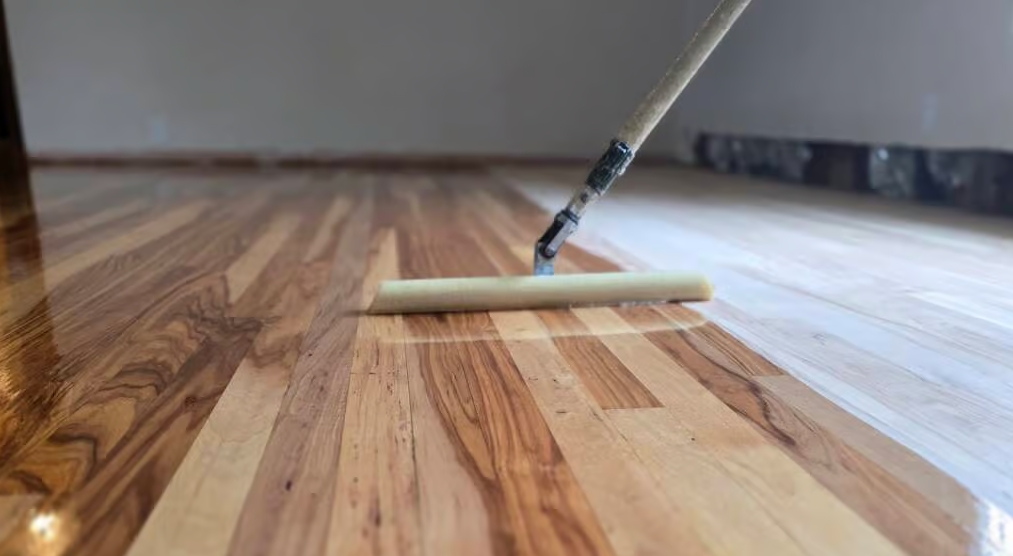
Think of your floor's finish like a winter coat for the wood underneath. A good finish protects against moisture, prevents scratches, and keeps your floors looking great. But just like your winter coat, it needs maintenance: and sometimes replacement: to do its job effectively.
Regular inspection: Walk your floors with good lighting and look for areas where the finish looks worn, dull, or scratched through. High-traffic areas near entries are usually the first to show wear.
Prompt repairs: If you notice areas where the finish is compromised, don't wait. These are weak spots where moisture and salt can penetrate to the actual wood, causing staining and damage that's much more expensive to fix later.
Professional refinishing: Even with great care, floors eventually need refinishing. For most Chicago-area homes, that's every 5-10 years depending on traffic and maintenance. If your floors are looking tired before winter hits, consider having them professionally refinished before the harsh season begins. Fresh finish = better protection.

We serve Chicago and the surrounding area within a 60-mile radius, extending north and west, and we've noticed that homeowners who stay on top of their floor maintenance spend far less on repairs in the long run.
The Bottom Line
Chicago winters are tough on everything: your car, your heating bill, your motivation to leave the house. But they don't have to destroy your hardwood floors. These five steps aren't complicated or expensive, but they work.
The key is consistency. Don't just implement these strategies for a week in January and then slack off. Make them part of your winter routine, just like shoveling the driveway or warming up your car.
Your hardwood floors are an investment in your home. They add value, beauty, and warmth (both literally and aesthetically). A little preventive care now saves you from costly repairs or even full replacements down the road.
If you're dealing with floors that already show winter damage, or if you want professional advice on protecting your specific flooring situation, we're here to help. At Rovin's Flooring Inc., we understand the unique challenges that Chicago weather presents to hardwood floors. Sometimes the best defense is making sure your floors are properly sealed and finished before winter even begins.
Stay warm, keep those floors dry, and here's to making it through another Chicago winter with your hardwood looking as good as the day it was installed.