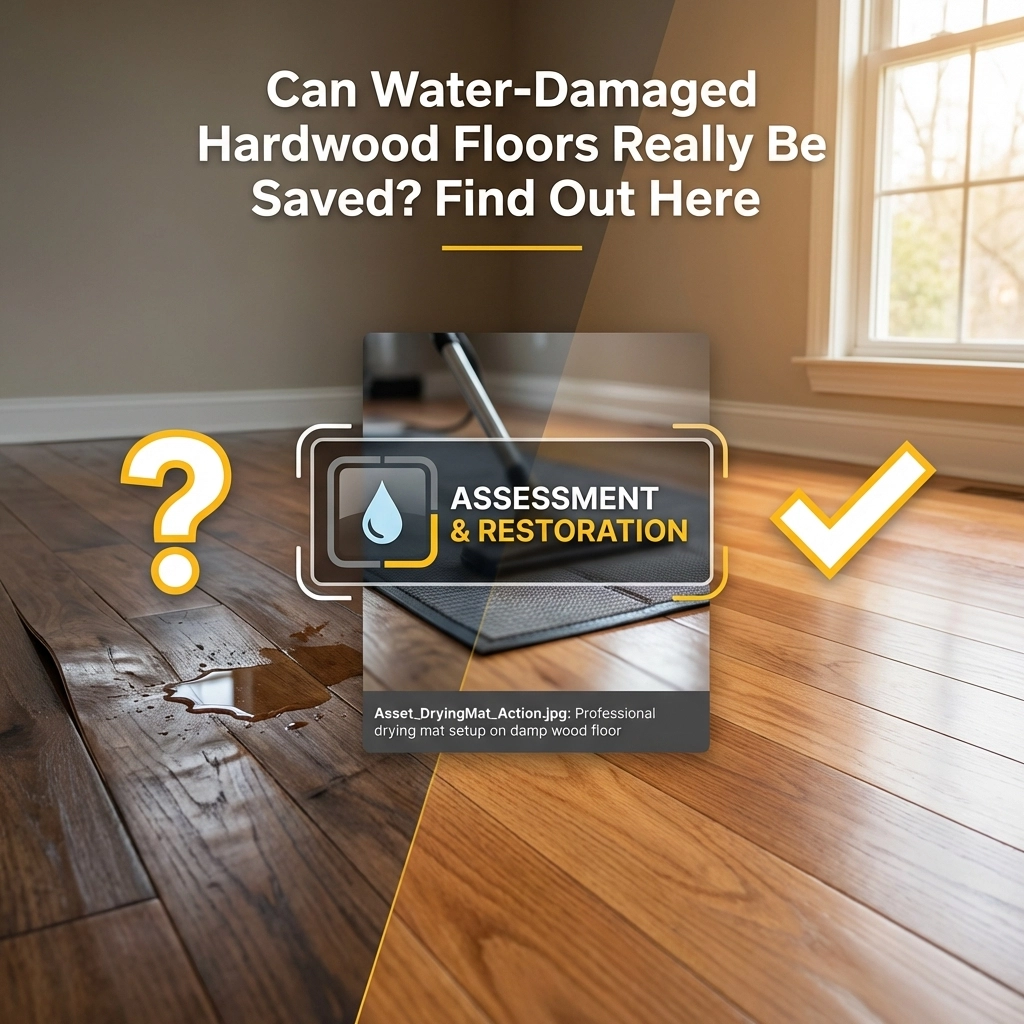
You walk into your kitchen on a Monday morning, still half-asleep, and your socks are suddenly soaked. There's water everywhere. Maybe it's a burst pipe from that brutal Chicago cold snap. Maybe the dishwasher finally gave up. Or perhaps last week's heavy rain found a way inside.
Your heart sinks as you look at your beautiful hardwood floors sitting in a puddle.
Here's the good news: take a breath. Water-damaged hardwood floors can absolutely be saved in many cases. The key is understanding what you're dealing with, acting quickly, and knowing when to call in the pros.
Let's break down everything you need to know about rescuing your hardwood floors from water damage, especially if you're dealing with Chicago's unique climate challenges.
The Short Answer: Yes, Most Water-Damaged Floors Can Be Saved
Before you start pricing out full floor replacements, know this: the vast majority of water-damaged hardwood floors don't need to be ripped out and replaced. What they need is proper assessment, correct drying techniques, and professional restoration.
The outcome depends on three main factors:
- How much water got on (or under) the floor
- How long the water sat before being addressed
- How the drying process is handled
If you catch the problem early and respond correctly, your floors often return to nearly their original condition. Even floors that look pretty rough after water exposure, warped, buckled, or wavy, can frequently be brought back to life.
Understanding What Water Does to Hardwood
Wood is a natural material, and like all natural materials, it reacts to moisture. When hardwood floors absorb water, a few things typically happen:
Cupping
This is the most common sign of water damage. The bottom of each board absorbs more moisture than the top, causing the edges to rise higher than the center. Your floor develops a wavy, rippled appearance with raised seams between boards.
Here's what most people don't realize: cupping is usually reversible. Once the floor dries out completely, boards often flatten back to their original shape. The catch? This natural drying process can take anywhere from 2 to 12 months, depending on conditions.
Buckling
This is more severe than cupping. When there's significant water exposure, boards can actually lift away from the subfloor entirely. You'll see sections of flooring that have popped up or separated. This requires more intensive intervention but still doesn't always mean full replacement.
Crowning
Sometimes well-meaning homeowners sand down cupped floors before they're fully dry. When the moisture finally equalizes, the boards end up higher in the middle than at the edges, the opposite of cupping. This is why patience and proper moisture testing are crucial before any refinishing work.
Why Chicago Homes Face Extra Challenges
Living in the Chicago area means your hardwood floors deal with some serious environmental swings. Our climate creates unique risks that homeowners elsewhere don't face:
Frozen and Burst Pipes
When temperatures plummet, and they definitely plummet around here, pipes in exterior walls or poorly insulated spaces can freeze and burst. This often happens while you're at work or, worse, on vacation. By the time you discover it, gallons of water may have been sitting on your floors for hours or days.
Dramatic Humidity Swings
Chicago goes from bone-dry winter air (thanks to indoor heating) to humid summer conditions. This constant expansion and contraction stresses hardwood floors year-round. When you add water damage to the mix, the recovery process needs to account for these ongoing humidity fluctuations.
Spring Flooding and Heavy Rains
Basement flooding, foundation seepage, and appliance failures tend to spike during our wet seasons. Homeowners throughout Chicago and the surrounding 60-mile radius to the North and West deal with these issues regularly.
The Right Way to Dry Water-Damaged Floors
If you remember one thing from this article, let it be this: slow and steady wins the race when drying hardwood floors.
Your first instinct might be to blast the floors with heat or crank up every fan you own. Resist that urge. Drying wood too quickly causes it to split, crack, and sustain permanent damage that actually was avoidable.
Here's the proper approach:
- Remove standing water immediately using wet vacuums, mops, or towels
- Set up fans for air circulation, but don't point high-powered heat directly at the floor
- Use dehumidifiers to pull moisture from the air and the wood gradually
- Check under rugs and furniture where water likes to hide
- Monitor moisture levels over time with proper testing equipment
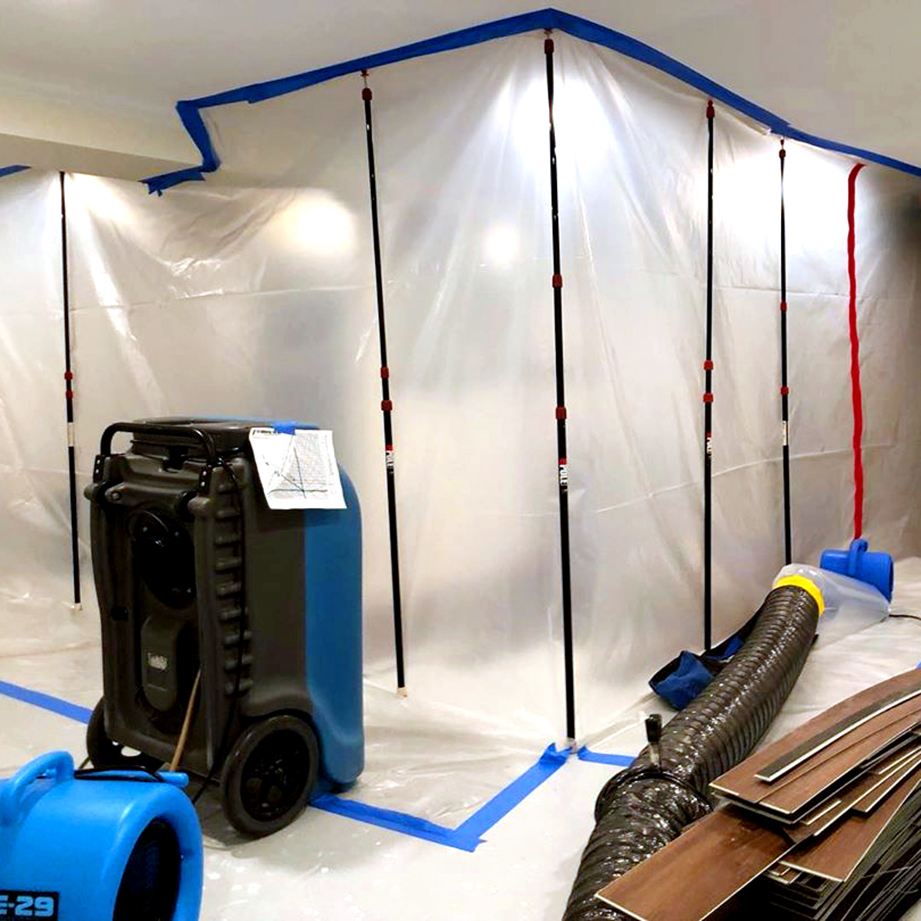
Professional water damage restoration teams have industrial dehumidifiers and moisture meters that can dramatically speed up this process while doing it safely. What might take a year naturally could be accomplished in weeks with the right equipment.
When Can Floors Be Repaired vs. Replaced?
Not every water-damaged floor needs the same treatment. Here's a general breakdown:
Repair and Refinish
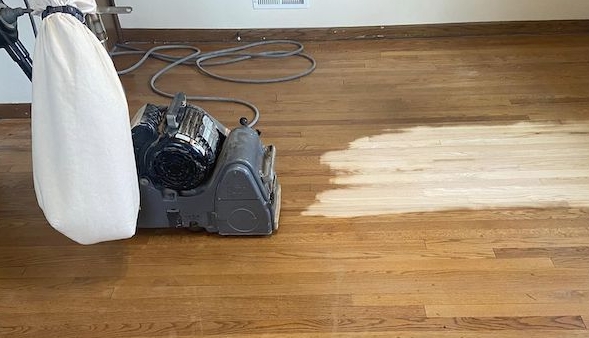
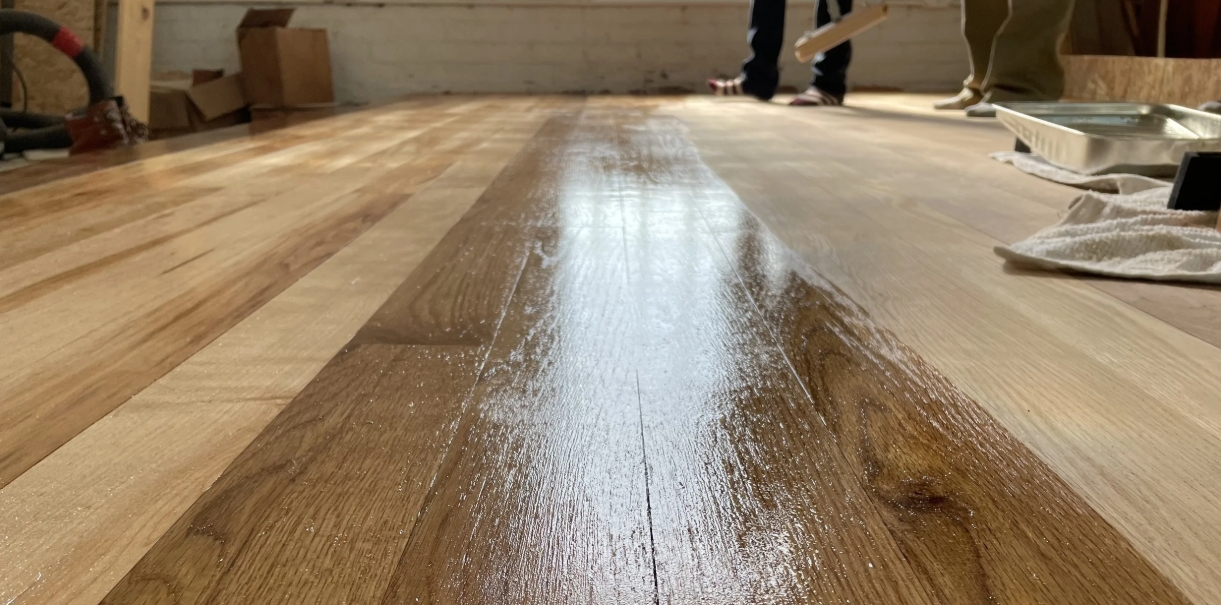
If boards have cupped but haven't buckled or lifted, and if the subfloor is still structurally sound, your floors are excellent candidates for repair. Once fully dried (and this must be confirmed with moisture testing, not just eyeballed), the floors can be sanded and refinished to look like new.
This is where professional refinishing expertise really matters. Sanding cupped floors too early, before moisture has equalized, leads to crowning and more problems down the road.
Partial Replacement
Sometimes water damage affects only part of a floor. Individual damaged boards can be removed and replaced with matching wood, then refinished to blend seamlessly with the rest of the floor. This saves significant money compared to full replacement while still giving you a beautiful result.
Full Replacement
Replacement becomes necessary when boards are so severely warped that they've completely lifted from the subfloor, or when the subfloor itself has suffered structural damage. Extensive mold growth that has penetrated deep into the wood may also require replacement for health reasons.
Why Professional Assessment Matters
Here's the thing, it's really hard to accurately judge water damage severity without the right tools and experience. What looks devastating on the surface might be completely salvageable. And what looks "fine" on top might be hiding moisture problems underneath that will cause major issues later.
A professional can:
- Measure moisture content in the wood and subfloor
- Determine whether boards are still properly adhered
- Identify potential mold issues before they spread
- Create a realistic timeline for drying and restoration
- Advise whether repair, partial replacement, or full replacement makes sense
At Rovin's Flooring, we've handled countless water extraction and restoration projects throughout Chicago and the surrounding areas to the North and West. We know what Chicago homes go through, and we know how to bring floors back from water damage.
A Word on "Dustless" Refinishing
While we're talking about restoration and refinishing, let's address something you might see advertised: "dustless" sanding and refinishing.
We're going to be straight with you, dustless refinishing is largely a marketing gimmick. There's no such thing as truly dustless sanding. Every legitimate refinishing job produces some dust. What matters is proper containment, professional-grade equipment with good dust collection, and thorough cleanup.
Companies promising completely dustless work are either misleading you or cutting corners elsewhere. We believe in being honest about what the process actually involves, setting realistic expectations, and doing the job right.
What to Do Right Now If You Have Water Damage
If you're currently dealing with water on your hardwood floors:
- Stop the water source if you haven't already
- Remove as much standing water as possible immediately
- Get air moving with fans (not direct heat)
- Pull up area rugs and move furniture off wet areas
- Call a professional for assessment, the sooner, the better
Don't assume the worst, but don't wait and hope for the best either. Quick action combined with professional guidance gives your floors the best chance of recovery.
Ready to Save Your Floors?
Water damage is stressful, but it doesn't have to mean saying goodbye to your hardwood floors. With the right approach: proper drying, professional assessment, and expert restoration: most water-damaged floors can be brought back to beautiful condition.
If you're in Chicago or within 60 miles to the North or West and dealing with water-damaged hardwood floors, reach out to us for an estimate. We'll give you an honest assessment of what your floors need and the best path forward.
Your floors have been through a lot. Let's help them recover.