
When you’re walking through a classic Chicago bungalow in Portage Park or a sleek new construction home in Arlington Heights, the first thing that usually catches your eye isn't the furniture: it’s the floors. Hardwood is the soul of a Chicago home. But as soon as you start planning a renovation or a new build, you’re hit with a major design crossroads: Wide plank or narrow plank?
I’m Adrian Tiutiu, president of Rovin’s Flooring Inc., and I’ve seen thousands of floors across the city and the North and West suburbs. Choosing the right width isn't just about what looks "cool" on Pinterest; it’s about how that wood is going to behave when our Chicago humidity swings from 10% in the winter to 90% in the summer.
In this guide, we’re going to break down the aesthetic and practical differences to help you decide which width is the right fit for your space.
The Timeless Appeal of Narrow Planks (Strip Flooring)
If you live in a historic Chicago home: think of those beautiful brick two-flats or Victorian-style houses: you’re likely already walking on narrow planks. Traditionally, narrow planks (often called "strip flooring") are between 2 ¼ and 3 inches wide.
The Classic Chicago Look
Narrow planks are the hallmark of traditional design. They offer a refined, formal look that has been the standard for over a century. If you’re looking to maintain the architectural integrity of a historic home, narrow planks are almost always the way to go. They create a sense of rhythm and texture that feels "correct" in older spaces.
Stability is the Secret Weapon
From a technical standpoint, narrow planks are incredibly resilient. Because each board is smaller, there is less "wood mass" to expand and contract. In Chicago, our HVAC systems work overtime. Between the dry radiator heat in February and the lakefront humidity in July, wood wants to move. Narrow planks distribute that movement across more seams, making them significantly less prone to cupping or gapping than their wider counterparts.
Visual Magic for Small Spaces
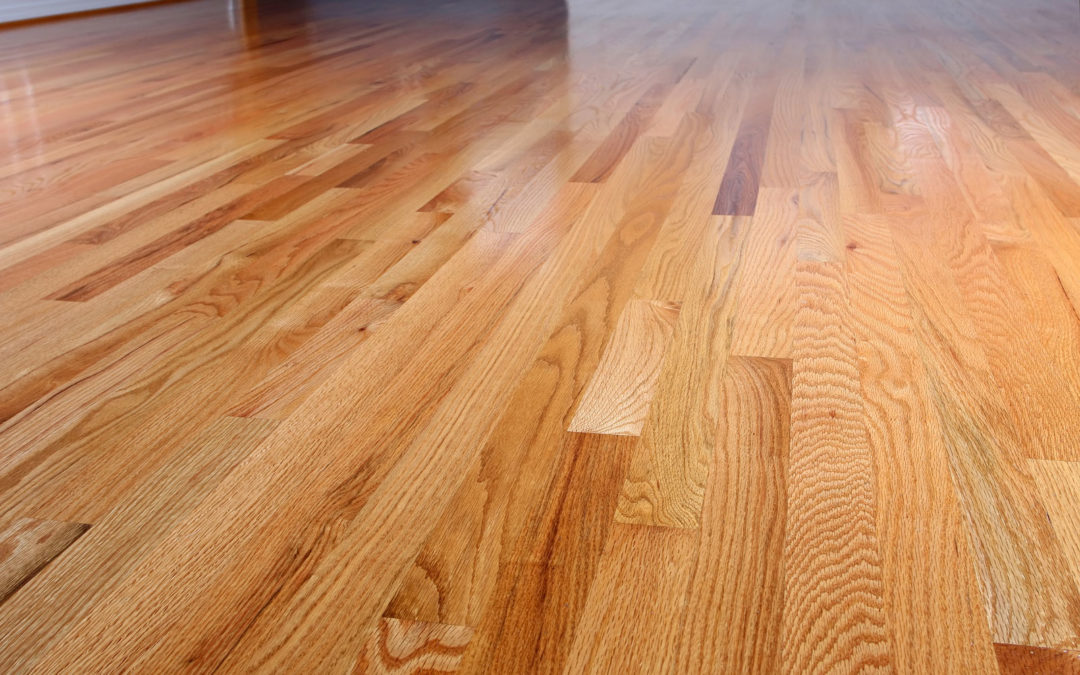
One of the best tricks in the book is using narrow planks to make a small room feel larger. Because there are more lines per square foot, your eye is drawn along the length of the boards, creating an illusion of depth. This is why you’ll often see narrow Freshly Refinished Red Oak Hardwood Flooring in hallways and smaller bedrooms.
The Modern Rise of Wide Plank Hardwood
Over the last decade, we’ve seen a massive shift toward wide planks: typically 5 inches wide and up, sometimes reaching as much as 10 or 12 inches. This trend is dominating new builds in the West suburbs and high-end renovations in neighborhoods like Bucktown and Lincoln Park.
High-End and Rustic Trends
Wide planks offer a completely different vibe. They feel modern, expensive, and expansive. By reducing the number of seams on the floor, you create a cleaner, more "monolithic" look. If you’re aiming for a Scandinavian minimalist style or a rugged, rustic farmhouse aesthetic, wide planks are your best friend.
Showcasing the Natural Grain
When you have a wider surface area, you get to see more of the tree’s personality. This is particularly true for species like White Oak or Hickory. You’ll see long, sweeping grain patterns, knots, and mineral streaks that get cut off in narrow strips. It’s the difference between looking at a snapshot and a panoramic photo.
A Consideration for Chicago’s Climate
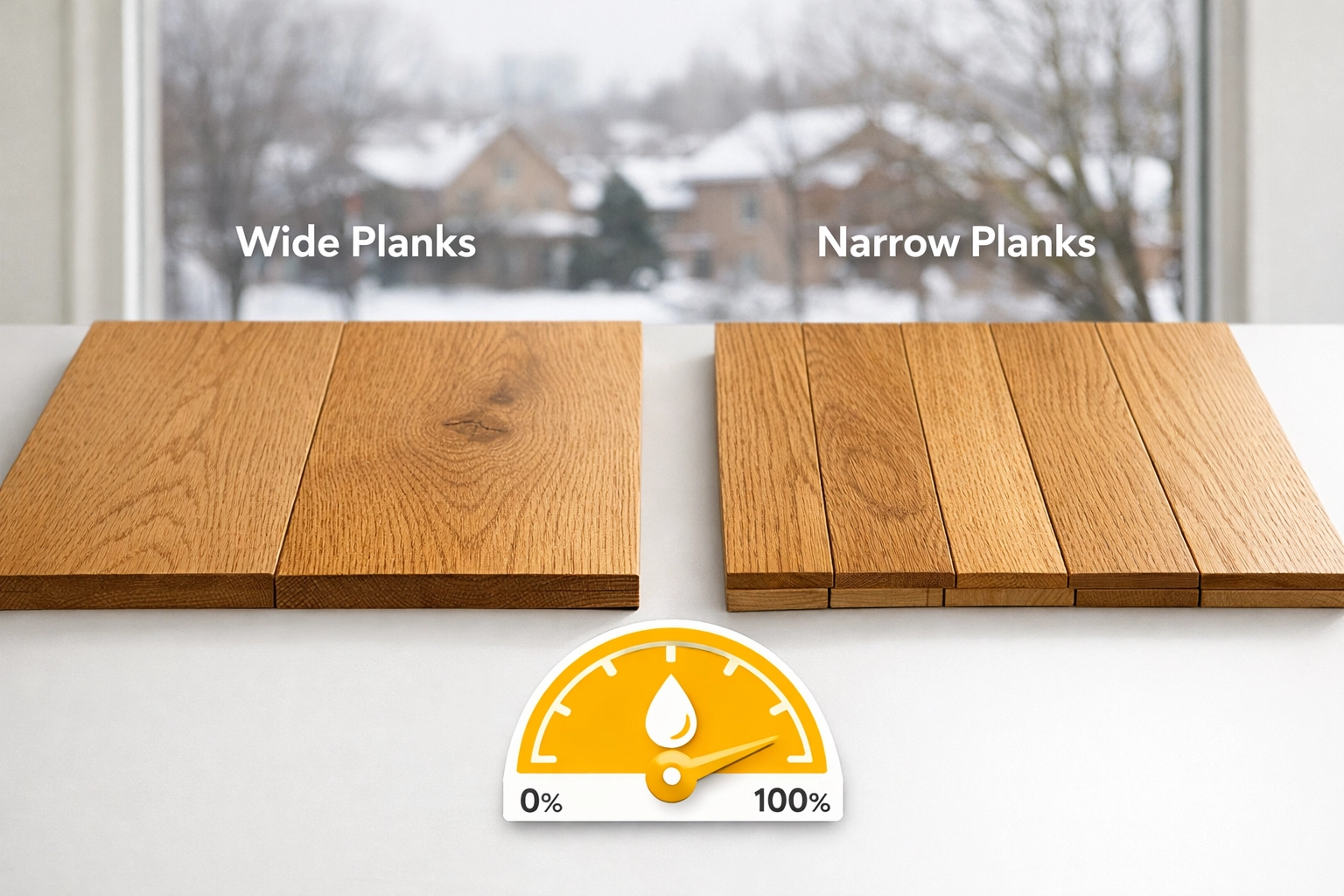
While wide planks are stunning, they are "divas" when it comes to the environment. A 7-inch solid oak plank has a lot of surface area to absorb moisture. If not installed correctly, wide planks can cup (edges higher than the center) or gap significantly during the winter.
At Rovin's Flooring, we recommend that anyone choosing wide planks pays close attention to humidity control in their home. Often, we suggest engineered wide planks for Chicago homes because the cross-layered construction offers the stability needed to handle our climate while providing that beautiful wide-plank look.
Performance Comparison: Chicago Winters vs. Summers
Living in the Chicago area means your floors are basically in a constant state of "breathing." Whether you’re in the city or out in the North suburbs, the seasonal shift is brutal on natural materials.
- Gapping: In the winter, the air gets dry. Wood loses moisture and shrinks. With narrow planks, the gaps are tiny and spread out. With wide planks, the gaps can appear larger because there are fewer seams to "share" the shrinkage.
- Cupping: In the summer, high humidity makes wood expand. If a wide plank expands and hits the neighboring board, it has nowhere to go but up, leading to cupped edges.
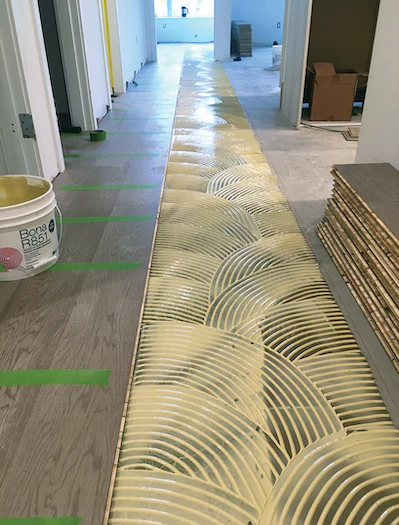
- Installation Methods: Narrow planks are usually just nailed down. Wide planks often require a "glue-assist" or full glue-down method to keep them stable. This is a specialized skill that we take very seriously at Rovin's.
Choosing Based on Your Home’s Architecture
Your choice should ultimately harmonize with the bones of your house. Here’s a quick cheat sheet we use during our consultations:
- The Classic Bungalow: Stick with 2 ¼” or 3 ¼” Red Oak. It’s timeless, durable, and matches the original craftsmanship of the home.
- The Modern Condo: Go wide! 5” to 7” planks in a light, natural finish (like Maple or White Oak) can make a downtown condo feel like a sprawling gallery.
- The Suburban New Build: Wide planks are the standard here. They fill large, open-concept floor plans beautifully and add a sense of luxury that narrow planks can sometimes lack in big rooms.
Material Expertise: Beyond the Width
The width is just one part of the equation. At Rovin's Flooring, we work with over 20 different species. While Red Oak is the "Chicago Standard," we also install:
- White Oak: Perfect for the trendy "raw wood" look.
- Hickory: Extremely hard and full of character.
- Exotics: Like Brazilian Cherry or Tigerwood for those who want a bold, unique statement.
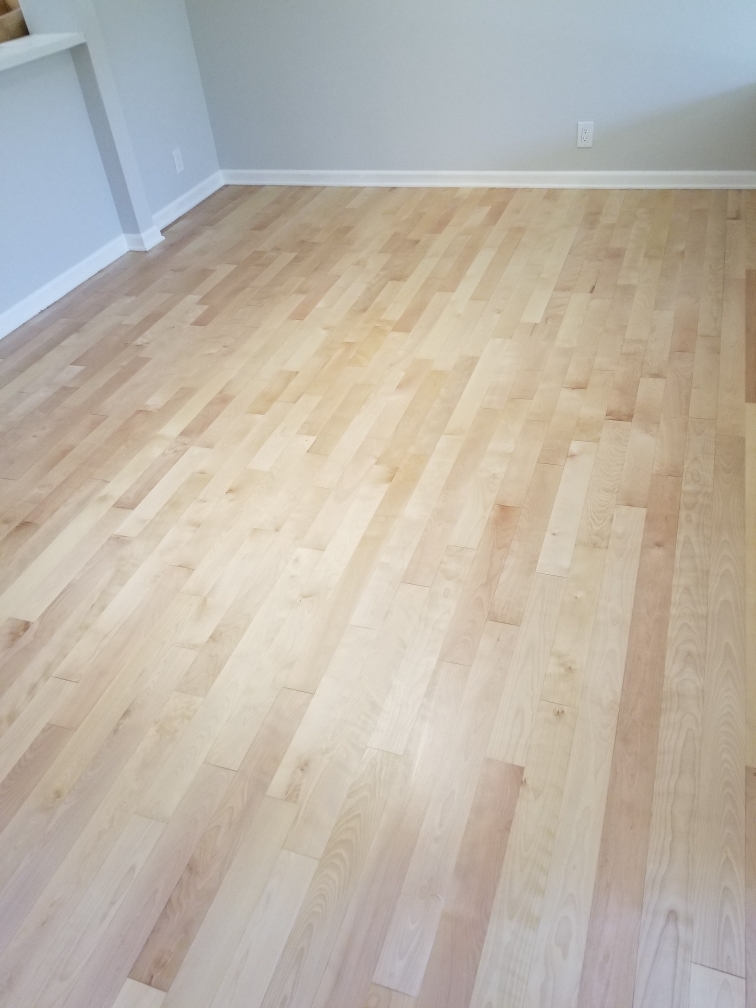
Whether you choose a Natural Maple Hardwood or a dark-stained Walnut, the width of the plank will change how that species interacts with your light and furniture.
The Rovin’s Flooring Approach: Why Installation Matters
I always tell our clients: the most expensive floor in the world will look terrible if it’s not installed correctly. This is especially true for wide planks.
Our process includes:
- Acclimation: We don't just drop the wood and start nailing. The wood needs to sit in your home’s environment to reach an equilibrium moisture content.
- Subfloor Prep: Wide planks need a perfectly flat surface. We specialize in subfloor installation and leveling to ensure there are no squeaks or bounces.
- Precision Craftsmanship: Our team understands the nuances of glue-down vs. nail-down applications, ensuring your wide-plank investment lasts for decades.
We serve Chicago and a 60-mile radius, focusing specifically on the North and West suburbs. Whether you’re looking for a commercial-grade installation or a cozy residential refinishing project, we bring the same level of professional care to every job.
Final Thoughts: Which is Better?
There is no "better" plank: there is only the plank that is right for your home, your style, and your lifestyle.
- Choose Narrow Planks if you want a stable, traditional, and budget-friendly floor that honors the history of Chicago architecture.
- Choose Wide Planks if you want a modern, high-end look that showcases the natural beauty of the wood and makes your large rooms feel even more expansive.
Still can't decide? That’s what we’re here for. We can walk you through samples, explain the pros and cons of different species, and help you visualize how each width will look under your specific lighting.
Ready to upgrade your home with the perfect floors?
Contact Rovin’s Flooring today for a consultation. Whether you’re in the heart of the city or out in the suburbs, we’ll help you choose the best plank width for your next project.
For more information on how to care for your new floors after installation, check out our maintenance guide or learn more about why hardwood is the best choice for your home's value.