Hey there, I’m Adrian Tiutiu, president of Rovin's Flooring Inc. If you’re reading this, you probably love the look of real wood under your feet but hate the scratches, dullness, or that 1990s orange tint your floors have taken on.
In Chicago, we have some of the most beautiful historic and modern hardwood in the country. From the classic oak floors in Lincoln Park to the wide-plank maple in Naperville and Arlington Heights, these floors are built to last. But when it comes time to refinish them, I’ve seen a lot of well-meaning DIYers and cut-rate contractors make mistakes that end up costing thousands to fix.
The weather here doesn't help either. Our wild humidity swings: from the damp lakefront air in the summer to the bone-dry winters in the suburbs: mean your floors are constantly moving. If you don't refinish them correctly, they won't just look bad; they might actually fail.
Here are the 7 most common mistakes we see at Rovin's Flooring Inc. and exactly how you can fix them (or avoid them entirely).
1. Skipping the Deep Clean and Prep Work
One of the biggest mistakes starts before the sander even touches the wood. Most people think the sander will just "eat" through whatever is on the floor. While it might, it’s going to create a giant mess and potentially ruin your finish.
Leaving dirt, wax, or grease on the floor can gum up your sandpaper and, worse, lead to "fisheyes" in your final topcoat: those annoying little spots where the finish won't stick.
The Fix:
You need to be meticulous. Clear the room completely. Pull up every single staple from the old carpet pad. If you leave one, the sander will hit it, rip your sandpaper, and leave a deep gouge in your floor. Sweep, vacuum, and then vacuum again. Check out our maintenance guide for more tips on keeping floors clean before and after a big project.
2. Messing Up the Sanding Grit Sequence
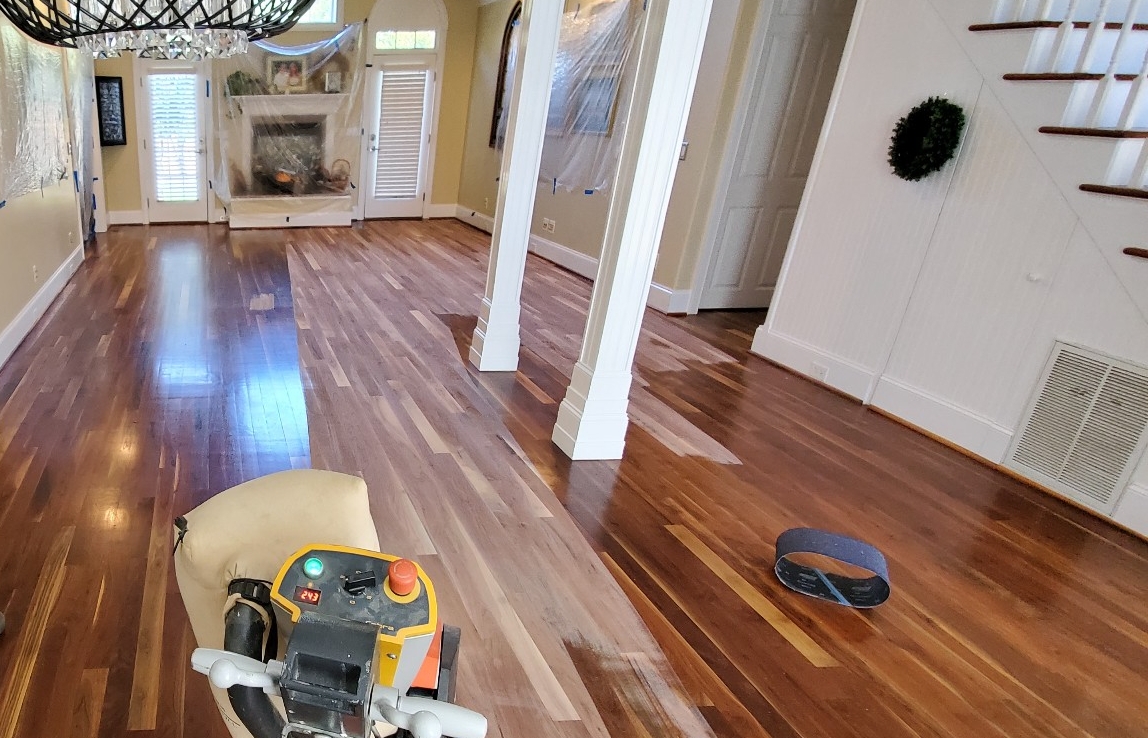
I get it: sanding is loud, dusty, and tiring. It’s tempting to skip a step to get it over with. But sanding isn't a "one and done" job. You have to progress through grits like a ladder. If you start with a grit that’s too fine, you’ll never get the old finish off. If you jump from a coarse 36-grit to a fine 100-grit, you’ll leave deep scratches that won't show up until you apply the stain. At that point, it’s too late.
The Fix:
Follow the sequence. Generally, we start with a coarse grit (like 36 or 40) to strip the old finish and level the wood. Then move to a medium grit (60 or 80) to smooth those initial scratches. Finally, finish with a fine grit (100 or 120). In Chicago's older homes, you might even need to sand diagonally on the first pass to flatten out boards that have "cupped" over the decades due to humidity issues.
3. Under-Sanding or Over-Sanding
This is the "Goldilocks" problem of refinishing.
- Under-sanding leaves patches of old varnish. When you apply your new stain, those patches will resist the color, leaving your floor looking blotchy and unprofessional.
- Over-sanding is arguably worse. If you hold a drum sander in one spot for even a second too long, you’ll create a permanent divot in the wood. We call these "drum marks," and they are a nightmare to fix.
The Fix:
Keep the machine moving! Never start or stop the sander while it’s in contact with the floor. If you’re doing this yourself with a rental, practice on a piece of plywood first. Or, better yet, bring in a professional who uses industrial-grade equipment. We use specialized commercial refinishing equipment that provides a much more even plane than the rentals you find at the big-box stores.

4. The "Chicago Dust" Disaster
If you’ve ever refinished a floor the old-fashioned way, you know that dust gets everywhere. It gets in your vents, your kitchen cabinets, and even your clothes in the upstairs closets. But the real problem is when that dust settles back onto your floor while the finish is wet. It leaves a sandpaper-like texture that ruins the smooth feel of the wood.
The Fix:
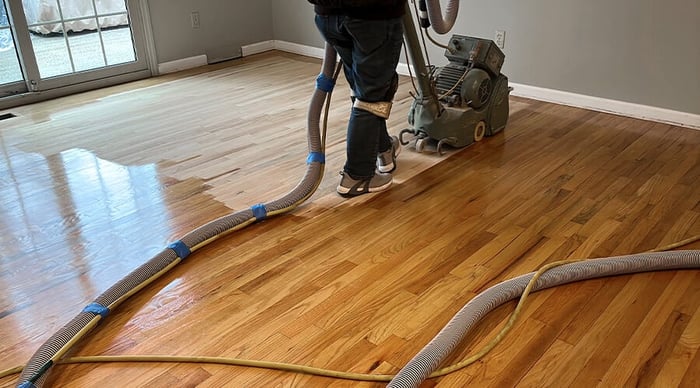
You need to control the environment. Seal off doorways with plastic sheeting and shut down your HVAC system so dust isn't blowing through the house. At Rovin's Flooring Inc., we use dustless sanding technology. High-powered vacuums are attached directly to our sanders, sucking up 99% of the particles before they ever hit the air.
5. Mixing Incompatible Stains and Finishes
This is a technical mistake that can lead to a total floor failure. If you use an oil-based stain and then try to rush the process by applying a water-based topcoat too soon, the finish will not bond. It will eventually start to peel off like a bad sunburn.
The Fix:
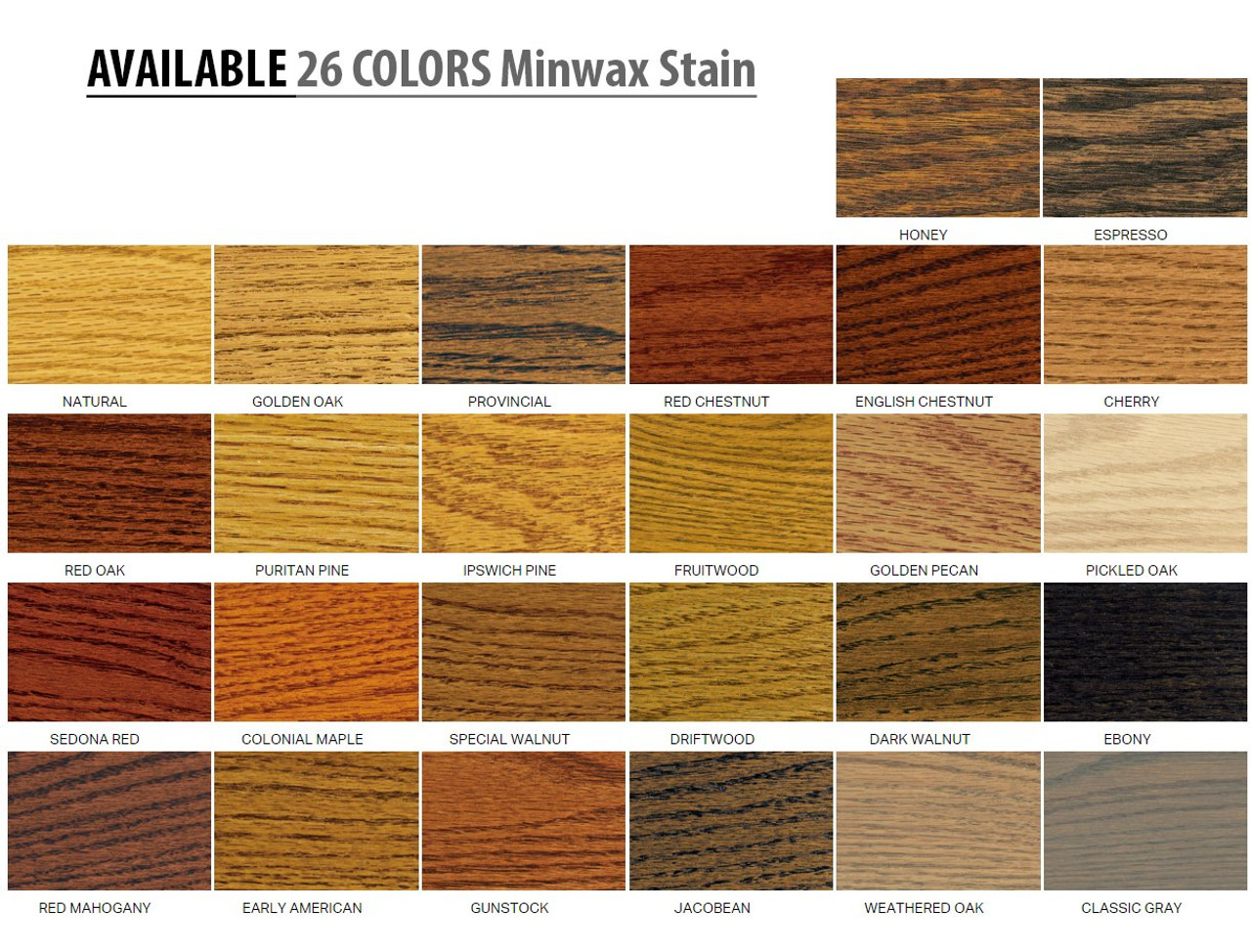
Patience is your best friend. In the Chicago area, especially during our humid summers, "dry" doesn't always mean "cured." Check the manufacturer's specs. If you’re using a high-quality waterborne finish like Bona Traffic HD, make sure the stain underneath is 100% dry. Always test a small area first. If you're looking for color inspiration, we have a wide range of options: just look at how many stain colors are available today.
6. Rushing the Drying Process
I know you want to move your furniture back in. I know you want to stop walking on your tip-toes. But rushing the cure time is the fastest way to dent and scratch your brand-new investment. Even if a floor is "dry to the touch" in 4 hours, it might take 7 to 14 days to fully cure to its maximum hardness.
The Fix:
Follow the "socks only" rule for the first 24-48 hours. Wait at least 72 hours before moving heavy furniture back, and for the love of your floors, don't put rugs down for at least two weeks. Rugs trap moisture and prevent the finish from breathing and hardening. If you're worried about the specific conditions in your home, read our guide on temperature and flooring.
7. Choosing the Wrong Product for Chicago Life
Chicago life is tough on floors. We track in road salt in the winter and humidity in the summer. Using a cheap, "off-the-shelf" finish from a hardware store usually results in a floor that looks worn out in just a couple of years.
The Fix:
Invest in commercial-grade finishes. We highly recommend water-based finishes because they don't yellow over time (unlike oil-based) and they have very low VOCs, so your house doesn't smell like a chemical factory for a week. We often use products like Bona Traffic HD for our commercial restoration and high-traffic residential jobs because it’s incredibly durable.
Current Chicago Hardwood Trends
What’s hot in Chicago right now? We’re seeing a massive shift away from the dark, cherry-red tones of the early 2000s. Today, it’s all about:
- Natural Oak: Letting the wood’s true color shine with a clear matte or satin finish.
- Muted Grays and "Greiges": Perfect for the modern condos in the West Loop or new builds in Schaumburg.
- Wide Plank Maple: Creating a seamless, open-concept look that makes smaller spaces feel huge.
If you’re wondering why wood is still the king of Chicago flooring, it’s because of this versatility. You can change the entire look of your home just by refinishing the existing boards.

When to Call the Pros
Look, I’m a fan of DIY projects, but refinishing your main living space isn't like painting a bathroom. If you mess up a wall, you just paint over it. If you mess up a floor, you might have to sand away years of the wood’s "life" to fix the mistake.
At Rovin's Flooring Inc., we’ve spent years perfecting the art of the Chicago refinish. We serve the city and the 60-mile radius extending North to places like Evanston and Libertyville, and West to Elgin and Aurora. We know the local subfloors and the specific challenges of our climate.
If you’re ready to stop stressing about your floors and want a result that looks like it belongs in a magazine, let’s talk. You can check out our gallery to see what’s possible or reach out for one of our free estimates today.
Your floors are the foundation of your home’s style. Don't let these 7 mistakes ruin them!
Adrian Tiutiu
President, Rovin's Flooring Inc.
Contact Us