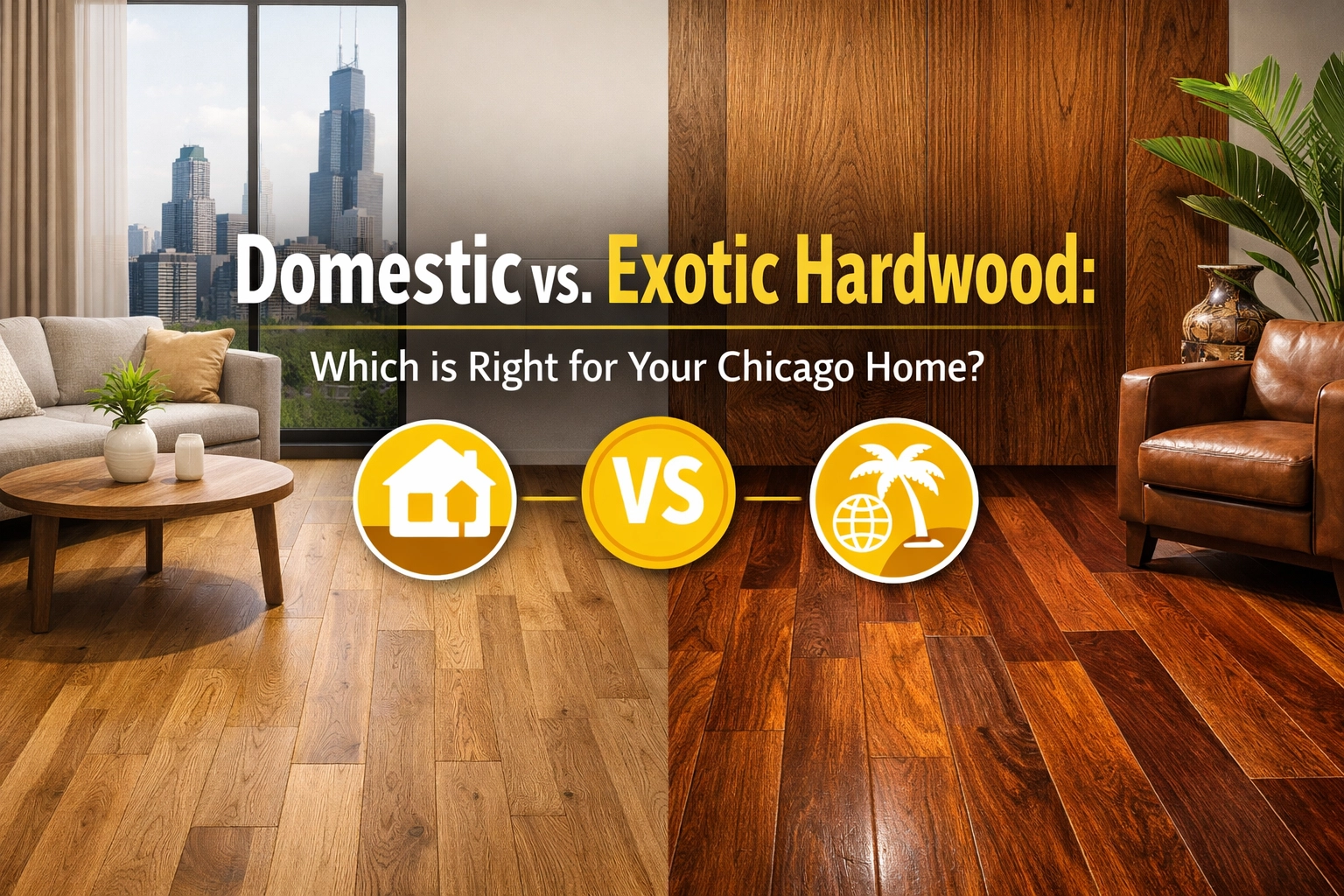
When you walk into a home in the Chicago suburbs, whether it’s a classic Victorian in Evanston or a sprawling new build in Naperville, one of the first things that catches your eye is the flooring. Hardwood is the gold standard for a reason. It’s timeless, durable, and adds undeniable value to your property. But as soon as you start browsing samples, you’re faced with a big question: Do you go with a classic domestic wood or a striking exotic species?
At Rovin's Flooring Inc, we’ve spent years helping homeowners across Chicago and the surrounding 60-mile radius (primarily focusing on our neighbors to the North and West) navigate this exact dilemma. Both options have their perks, but the right choice depends on your lifestyle, your design aesthetic, and how you plan to handle the "Chicago Shift", that lovely seasonal swing from bone-dry winters to humid summers.
Let’s break down the differences between domestic and exotic hardwood so you can decide which is the perfect fit for your space.
What’s the Difference, Anyway?
Before we dive into the specific species, let’s clarify the terms.
Domestic hardwoods are sourced right here in North America. We’re talking about the classics like Oak, Maple, and Hickory. Because they grow in our climate, they are naturally "at home" in a Midwestern environment.
Exotic hardwoods are imported from overseas, often from tropical regions like South America, Africa, or Southeast Asia. Think Brazilian Cherry, Santos Mahogany, or Tigerwood. These woods are prized for their dramatic colors, unique grain patterns, and incredible hardness.
The Janka Scale: Measuring Toughness
If you have kids, large dogs, or a habit of wearing high heels indoors, you need to know about the Janka Hardness Scale. This test measures how much pressure it takes to embed a small steel ball into the wood. The higher the number, the more resistant the floor is to dents and scratches.
- Red Oak (Domestic): 1290
- Hard Maple (Domestic): 1450
- Hickory (Domestic): 1820
- Brazilian Cherry (Exotic): 2350
- Santos Mahogany (Exotic): 2200
While exotic woods are generally much harder and more dent-resistant, domestic woods like Hickory can definitely hold their own in a busy household.
Domestic Hardwood: The Reliable Favorites
Domestic hardwood flooring in Chicago remains the most popular choice for several reasons: availability, cost-effectiveness, and ease of maintenance.
Red and White Oak
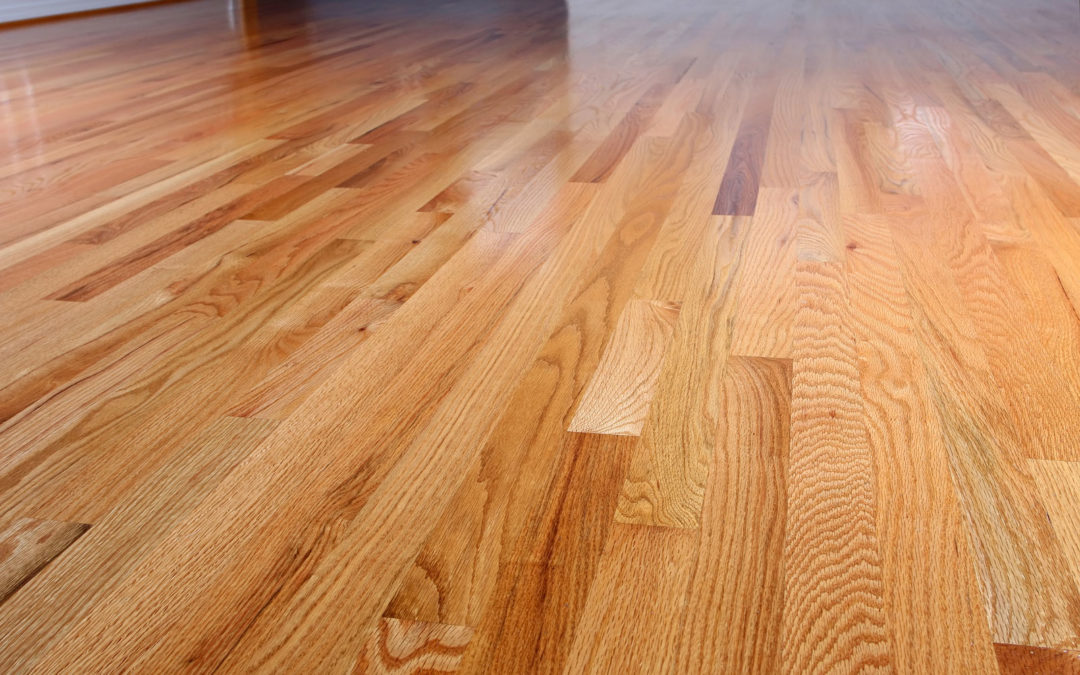
Oak is the "old reliable" of the flooring world. It has a prominent grain that hides small scratches well, making it a favorite for families. Red Oak offers warmer tones, while White Oak leans a bit more modern and "greige." One of the best things about Oak? It takes stain beautifully. If you want to change your floor's color ten years from now, Oak is incredibly versatile.
Maple
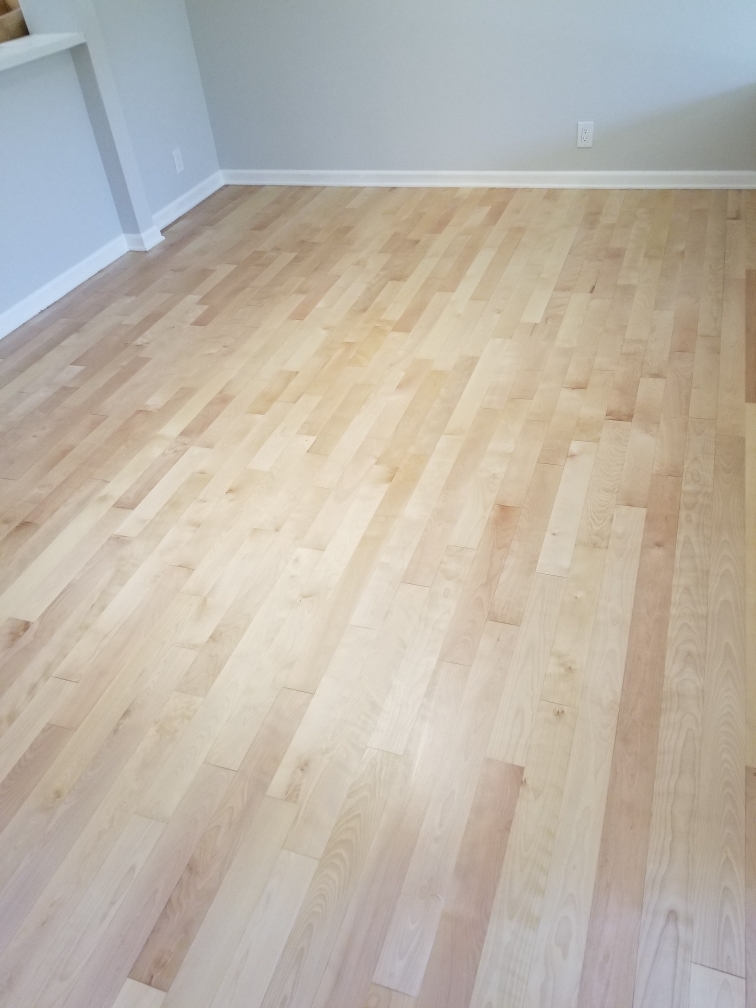
Maple is known for its subtle, fine grain and light, creamy color. It’s a bit harder than Oak and creates a clean, contemporary look. However, because its pores are so tight, it can be tricky to stain. Most homeowners choose to leave it natural to appreciate its bright, airy feel.
Hickory
If you want a domestic wood with a lot of personality, Hickory is it. It features dramatic color variations: from nearly white to deep brown: and is the hardest of the common domestic species. It’s perfect for a "rustic chic" look or a high-traffic kitchen.
Exotic Hardwood: The Luxury Statement
If you want your floors to be the focal point of the room, exotic hardwood flooring in Chicago is the way to go. These woods offer colors and patterns you simply can’t find in North American species.
Brazilian Cherry (Jatoba)
Brazilian Cherry flooring in Chicago was a massive trend in the early 2000s and remains a luxury staple today. It starts as a salmon-pink or orange-ish hue and deepens over time into a rich, luscious burgundy. It’s incredibly hard and heavy, giving your home a solid, high-end feel.
Santos Mahogany
This is one of the most sought-after exotic species. It offers a beautiful range of reddish-brown tones with a very fine, consistent grain. It’s softer on the eyes than Brazilian Cherry but just as durable.
Bamboo
While technically a grass, Bamboo is often grouped with exotic hardwoods. It’s highly sustainable and comes in "strand-woven" varieties that are incredibly hard. However, quality varies wildly with Bamboo, so it’s essential to work with a pro to ensure you’re getting a product that can handle a Chicago winter.
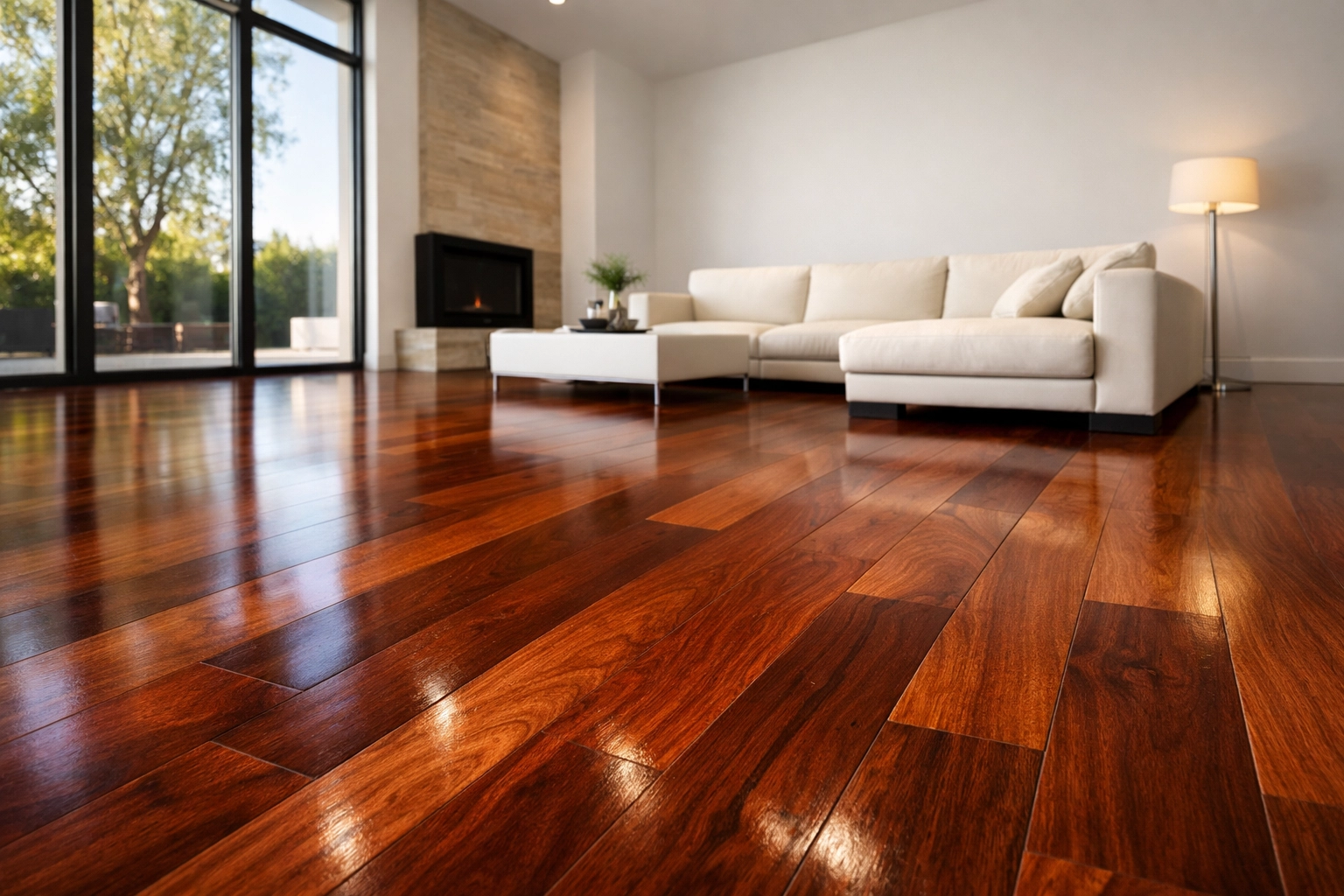
(Suggested Prompt: A high-end living room featuring dark, rich Brazilian Cherry hardwood floors with natural light streaming in, showcasing the deep red tones and luxurious finish.)
The Chicago Factor: Climate and Stability
This is where things get technical. Chicago’s climate is brutal on wood. In the summer, the humidity can make wood planks expand. In the winter, when the furnace is blasting, the air gets dry, and the wood contracts. This leads to gaps or "cupping" if the floor isn't managed correctly.
Domestic woods are generally more stable in our environment. Because they grew in a climate with seasonal changes, they are less likely to react violently to humidity swings.
Exotic woods often come from tropical rainforests where the humidity is constant. When you drop a piece of Brazilian Cherry into a dry Chicago house in January, it can get "shocked." It is absolutely vital to acclimate exotic wood in your home for a longer period before installation. You might also want to consider a whole-home humidification system to keep your exotic floors happy year-round. You can learn more about how temperature affects your floors here.
Aesthetics and "The Look"
- Domestic Appeal: Domestic woods offer a classic, "timeless American" vibe. They are perfect for traditional, farmhouse, or transitional designs. Because they are easier to refinish and restain, they are a better long-term bet if you like to change your interior decor every decade.
- Exotic Appeal: Exotic woods are for those who want something unique. The deep purples, oranges, and rich reds found in exotic species provide a "wow factor" that domestic woods can’t match. They often look best in modern or luxury settings where the floor is treated like a piece of art.
Sustainability and Budget
When it comes to the environment, domestic hardwoods are often the "greener" choice. They have a smaller carbon footprint because they don't have to be shipped across an ocean. Plus, North American forestry laws are some of the strictest in the world, ensuring that for every tree cut down, more are planted.
On the budget side, domestic species are almost always more affordable. Not only is the material cheaper, but installation costs are often lower because domestic wood is easier on the saws and equipment. Exotic wood is so dense that it requires specialized blades and more labor to install and sand.
Maintenance and Refinishing
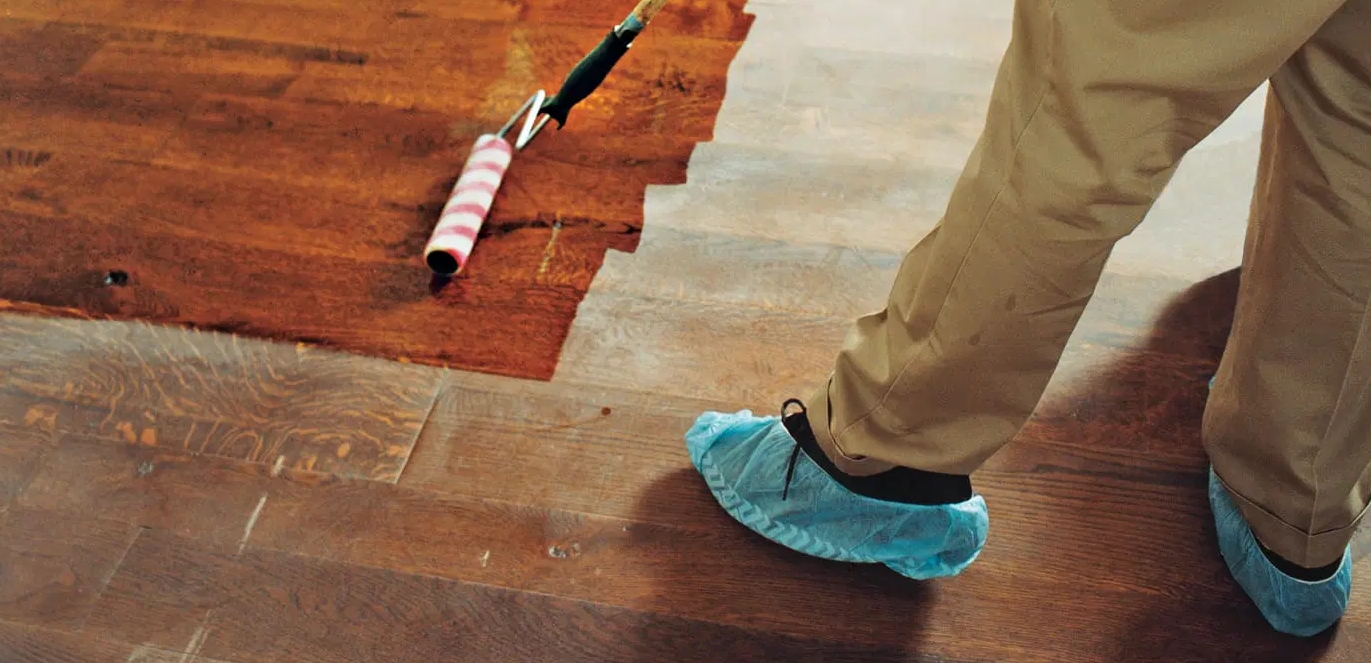
Both domestic and exotic floors require regular maintenance to look their best. However, if you ever decide to refinish your floors, domestic woods are much easier to work with. Most flooring contractors in the North and West suburbs are experts at sanding Oak and Maple. Sanding an exotic wood like Ipe or Brazilian Cherry requires a higher level of skill and more aggressive sanding equipment because the wood is so incredibly hard.
At Rovin's Flooring Inc, we specialize in both. Whether you need a fresh coat of finish on your Red Oak or a complete restoration of an exotic Mahogany floor, we have the right tools and experience to get the job done without damaging the wood.
Why Work With Rovin's Flooring Inc?
Choosing the right species is a big decision. It’s not just about what looks good in a small sample: it’s about how that wood will perform in your specific home over the next 20 years.
We pride ourselves on our expertise in handling over 20 different species of wood. We don’t just sell you a floor; we help you understand the materials and how they interact with your subfloor, your lifestyle, and your budget. Whether you are in Arlington Heights, Schaumburg, or Elgin, we are your local experts in everything hardwood.
If you’re ready to see the difference between Domestic and Exotic woods in person, we’re here to help. From the first consultation to the final coat of finish, we ensure your investment is protected and your home looks spectacular.
Ready to find your perfect match?
Visit our gallery for inspiration or contact us today for a consultation. Let’s build a floor that lasts a lifetime!