
If you’re a homeowner in the Windy City, you know that our homes are more than just a place to live: they are an investment. Whether you’re restoring a vintage bungalow in Oak Park or modernizing a high-rise condo in the West Loop, choosing the right hardwood floors in Chicago is one of the most impactful decisions you can make.
But let’s be honest: hiring a contractor can feel like a full-time job. With so many options, how do you know who to trust with your subfloors and your budget? At Rovin's Flooring Inc., we’ve seen it all. We’ve been serving Chicago and the surrounding North and West suburbs for years, and we want to make sure your next flooring project is a success.
Before you sign a contract, here are 10 essential things you should know about hiring hardwood flooring contractors and maintaining your investment.
1. The Chicago Climate is Your Floor’s Biggest Enemy
Chicago’s weather is famous for its dramatic swings: from humid, sticky summers to bone-dry, freezing winters. Wood is a natural material that breathes, meaning it expands and contracts with these changes.
Any reputable contractor must emphasize acclimation. Before we install a single plank, the wood needs to sit in your home for several days to adjust to the indoor humidity levels. If a contractor wants to install the wood the same day it’s delivered, that’s a major red flag. Without proper acclimation, you risk seeing gaps in the winter or "cupping" (warping) in the summer.
2. Solid vs. Engineered: Know Your Needs
When browsing for hardwood floors in Chicago, you’ll likely choose between solid and engineered wood.
- Solid Hardwood: This is one solid piece of wood from top to bottom. It’s great for traditional homes and can be refinished many times over decades.
- Engineered Hardwood: This consists of a real wood veneer over layers of high-quality plywood. It’s much more stable in Chicago’s fluctuating humidity and is often the best choice for basements or condos with concrete subfloors.
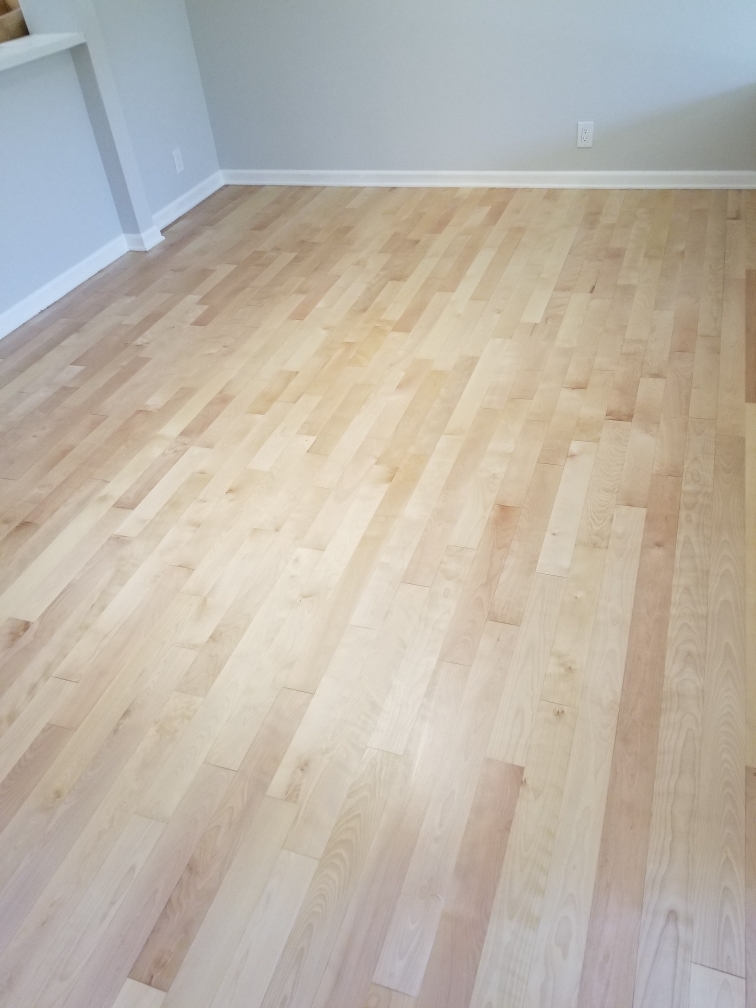
A freshly installed natural maple floor provides a bright, modern look perfect for Chicago residential interiors.
3. Subfloor Preparation is Non-Negotiable
You can buy the most expensive exotic Brazilian Cherry in the world, but if your subfloor isn't flat and dry, the final result will be a disaster. A professional contractor should always inspect your subfloor for moisture and levelness. In many Chicago homes, especially older ones, the subfloor may need repair or leveling before the new hardwood can be laid down.
4. Dustless Sanding is a Game-Changer
If you’ve ever had your floors refinished the "old-fashioned" way, you know that wood dust can find its way into every nook, cranny, and kitchen cabinet in your house.
Modern professionals use dustless sanding technology. At Rovin's Flooring Inc., we use advanced industrial sanding equipment with high-powered dust containment systems. This doesn't just keep your home cleaner; it also ensures a smoother, higher-quality finish because there’s no airborne dust settling into the wet stain or sealer.
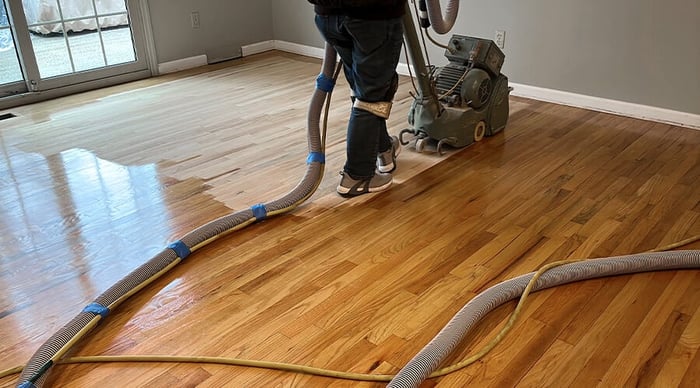
Modern dustless sanding technology ensures your home stays clean while providing a superior finish.
5. Understanding Your Finish Options (Oil vs. Water-Based)
Don’t let a contractor pick your finish for you without explaining the differences.
- Oil-Based Polyurethane: Takes longer to dry and has a stronger odor, but it gives a traditional amber glow that many homeowners love.
- Water-Based Polyurethane: Dries much faster (meaning you can get back into your home sooner) and stays clear over time, which is ideal for lighter woods like Maple or Ash. It’s also more eco-friendly with lower VOCs.
6. Engineered Hardwood Floor Repair: It’s Possible!
A common myth is that if an engineered floor is damaged, it has to be completely replaced. This isn't always true. While you can't sand engineered floors as many times as solid ones, a skilled contractor can perform an engineered hardwood floor repair by carefully replacing individual planks or using specialized filler and staining techniques for minor scratches.
If you’re dealing with water damage or deep gouges, don't assume the worst. We often perform restoration and repairs that save homeowners thousands of dollars compared to a full replacement.
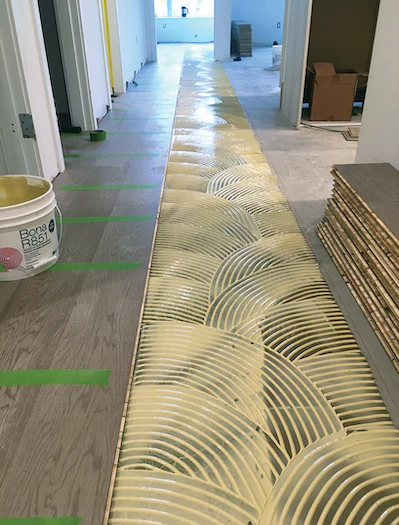
Professional glue-down installation for engineered floors ensures stability and longevity.
7. The Hidden Costs of Staircases and Trims
When getting an estimate, make sure it includes the "finer details." Many contractors give a low-ball quote for the main floor but then surprise you with high costs for staircase installation, floor trims, and transitions.
A staircase requires precision hand-sanding and custom staining to match your new floors perfectly. Ensure your contractor has the expertise to handle these complex areas so your home has a cohesive, professional look.
8. Check the Service Area (Don't Get "Ghosted")
Many contractors claim to serve "all of Chicago," but then refuse to travel to the suburbs when the job gets complicated. At Rovin's Flooring Inc., we are focused on Chicago and a 60-mile radius, specifically extending North and West. Whether you’re in Arlington Heights, Schaumburg, or Evanston, we’ve got you covered. Always confirm your contractor is comfortable working in your specific neighborhood before scheduling an on-site estimate.
9. Licensing, Insurance, and "The Handyman Trap"
It’s tempting to hire a "jack-of-all-trades" handyman for a lower price, but hardwood flooring is a specialized trade. If a contractor isn't properly insured, you could be liable for any accidents that happen on your property.
Ask for a certificate of insurance (COI) and check their reputation. Look for a company with a physical presence and years of proven experience in the Chicago market. Transparency in terms and conditions and detailed estimates are the hallmarks of a professional.
10. Maintenance Starts the Day the Project Ends
Once your beautiful new floors are finished, the work isn't over. Chicago winters mean salt and slush, which can eat through your floor's finish if not handled correctly.
We recommend following a strict maintenance routine:
- Use felt pads under all furniture.
- Avoid "wet mopping": use a damp microfiber cloth and wood-specific cleaners instead.
- Keep your home's humidity between 35% and 50% year-round to prevent wood movement.
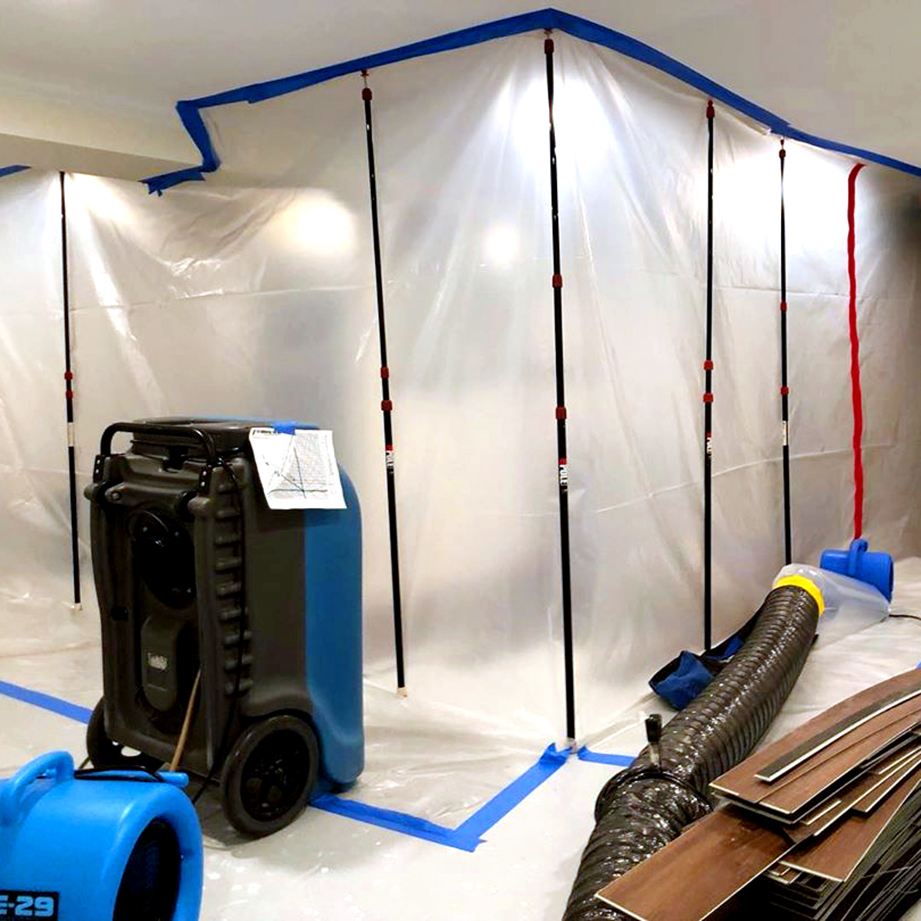
Proper preparation and protection are key when handling repairs or water damage restoration.
Ready to Transform Your Chicago Home?
Hiring the right contractor is the difference between a floor that lasts a lifetime and one that needs to be fixed in two years. At Rovin's Flooring Inc., we take pride in our craftsmanship, from the initial subfloor prep to the final coat of finish.
Whether you need a brand-new installation, a complex engineered hardwood floor repair, or a total refinish to bring back that "new home" smell, we’re here to help.
Contact us today for a professional estimate and let’s give your home the floor it deserves.