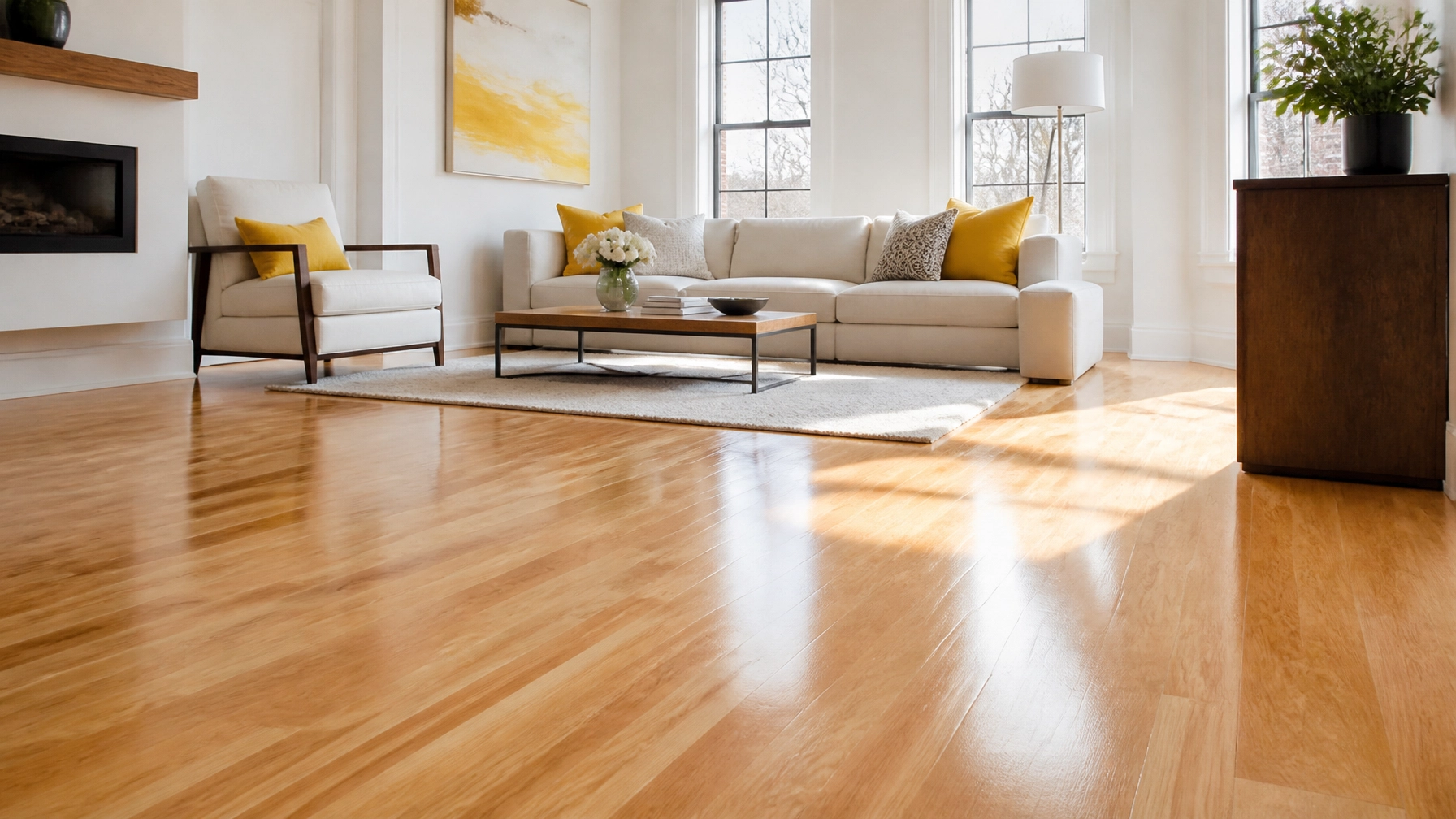
If you live in the Chicago area, your hardwood floors are more than just a surface to walk on; they are the heart of your home. Whether you’re living in a classic bungalow in Oak Park or a modern condo in the West Loop, the condition of your wood floors defines the ambiance of your space. However, when it comes to hardwood floors Chicago homeowners often feel like they’re in the dark.
How much should refinishing actually cost? Can you really fix that deep scratch in your engineered wood? Why do some floors look brand new for decades while others dull after just a few years?
The truth is, there are "insider secrets" in the flooring industry that many contractors won't volunteer. At Rovin's Flooring Inc, we believe in transparency. Serving Chicago and its surrounding suburbs: including a 60-mile radius stretching deep into the North and West: we’ve seen it all. We’re here to pull back the curtain and share what the experts know, but rarely tell you.
Secret #1: You Might Not Need a Full Refinish (The "Screen & Recoat" Loophole)
Most flooring companies will walk into your home and immediately quote you for a full sand-and-finish job. Why? Because it’s a bigger ticket item. But here is the secret: if your floors aren't graying, blackening from water damage, or deeply gouged, you might only need a Screen & Recoat (also known as a Buff & Coat).
A screen and recoat involves lightly abrading the existing top layer of finish (not the wood itself) and applying a fresh coat of high-quality polyurethane. It’s faster, significantly cheaper, and extends the life of your floors by years.
When to ask for a screen & recoat:
- Your floors are dull or have light surface scuffs.
- You want to refresh the sheen (change from gloss to satin).
- You want to maintain the protection before the wood is exposed.
By performing a maintenance coat every 3 to 5 years, you can avoid the mess and expense of a full sanding for decades.
Secret #2: The "Grit Sequence" Shortcut
When you do need a full sand, the secret to a flawless finish isn't the machine: it's the sequence of sandpaper "grits" used. A cut-rate contractor will often skip steps to save time. They might start with a coarse 36-grit and jump straight to an 80-grit.
To the untrained eye, it looks okay at first. But once the stain is applied, those skipped steps manifest as "chatter marks" or tiny swirl patterns that are permanently trapped under your finish.
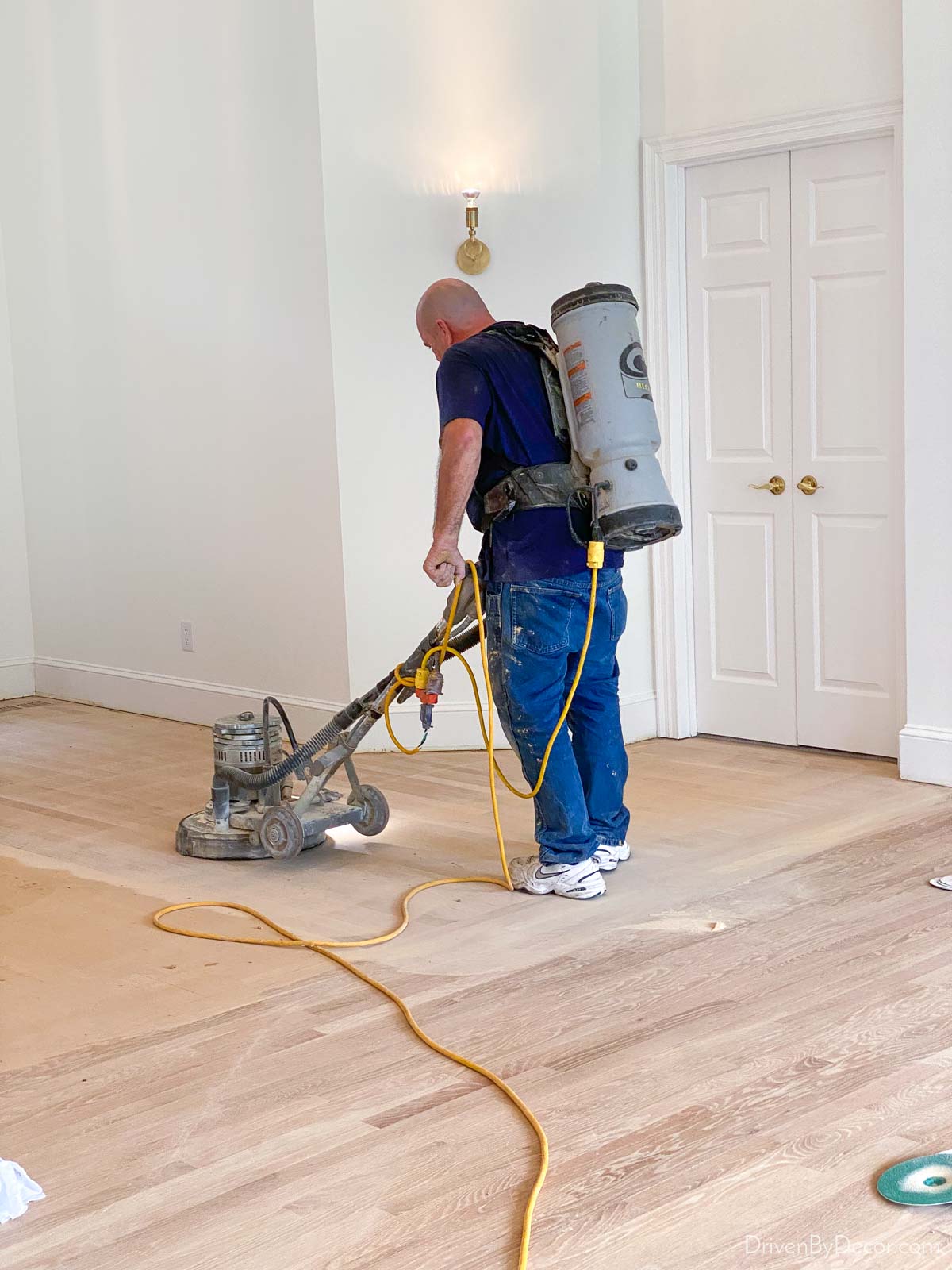
At Rovin's Flooring, we follow a strict grit progression (usually 36-40 → 60 → 80 → 100/120) to ensure the wood fibers are perfectly leveled and ready to absorb stain evenly. If a contractor can't tell you their specific grit sequence, they're likely taking shortcuts that will ruin the look of your wood floor sanding project.
Secret #3: The Truth About Engineered Hardwood Floor Repair
Many homeowners are told that engineered floors are "one-and-done": meaning once they’re scratched, you have to replace them. This is a half-truth.
While thin, low-end engineered floors have a wear layer like paper, high-quality engineered planks can often be sanded at least once or twice. The secret to engineered hardwood floor repair is knowing exactly how much "meat" is left on the bone. We typically look for at least 3/32" (about 2.5mm) of real wood above the tongue and groove.
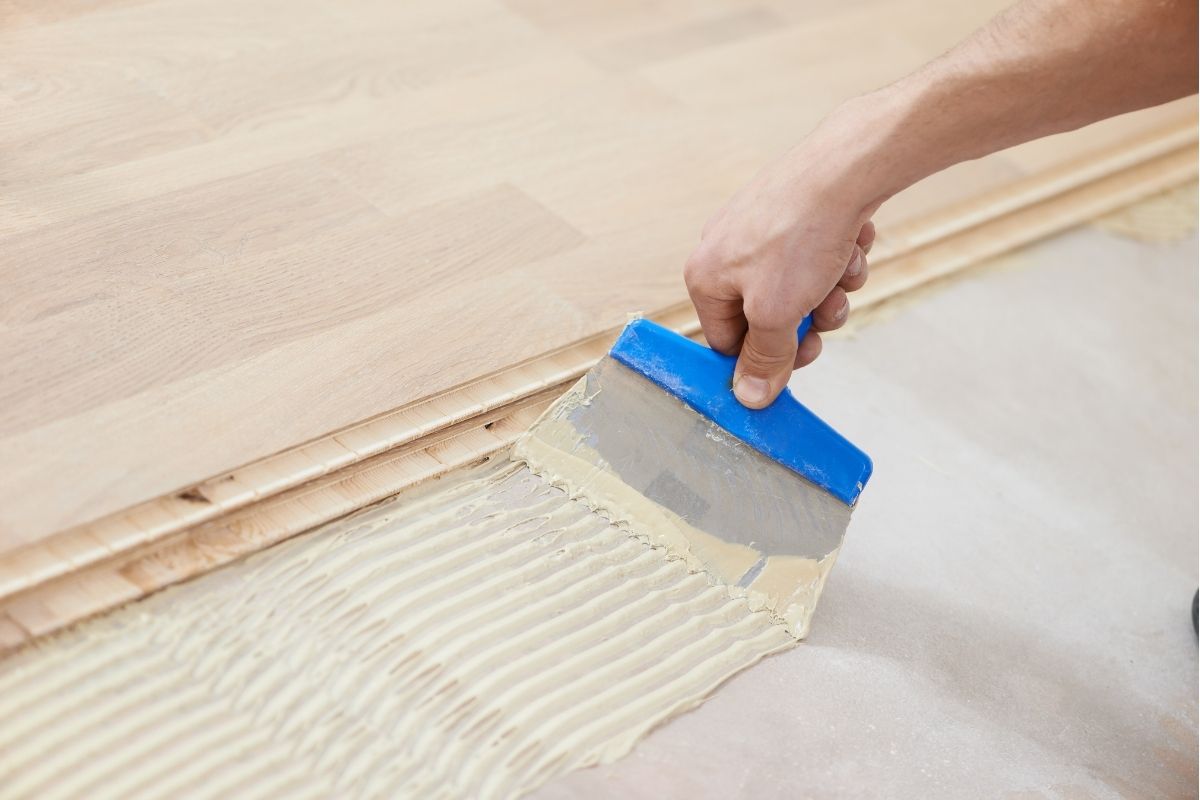
If you have a damaged plank in the middle of the room, we don't always have to tear up the whole floor. Through specialized subfloor and repair techniques, we can often replace individual boards, blending them seamlessly with the existing floor.
Secret #4: Chicago Weather is Your Floor’s Biggest Enemy
Chicago is a city of extremes. Our summers are swampy and humid, while our winters are bone-dry. These massive shifts in atmospheric moisture cause wood to expand and contract like a lung.
The Expert Secret: Most "floor failures" in Chicago happen because of the HVAC system, not the installation.

If a contractor installs or refinishes your floor in the dead of winter without checking your home's humidity, you might see "cupping" (edges higher than the center) come July. Conversely, floors finished in the humid summer may develop wide gaps in January. We always recommend keeping your home between 35% and 50% humidity year-round. Check out our guide on temperature and humidity for more details on protecting your investment.
Secret #5: Never Pick a Stain from a "Fan Deck"
A common mistake is picking a stain color from a small 2-inch wood sample or a printed brochure. Here’s the secret: Wood is a natural product. Red Oak in a Lincoln Park 2nd-floor condo will take stain differently than Red Oak in a Northbrook basement.
A professional should always apply 3 to 5 stain samples directly onto your actual sanded floor in a small area. This allows you to see how the wood's unique grain and the room's lighting interact with the pigment.
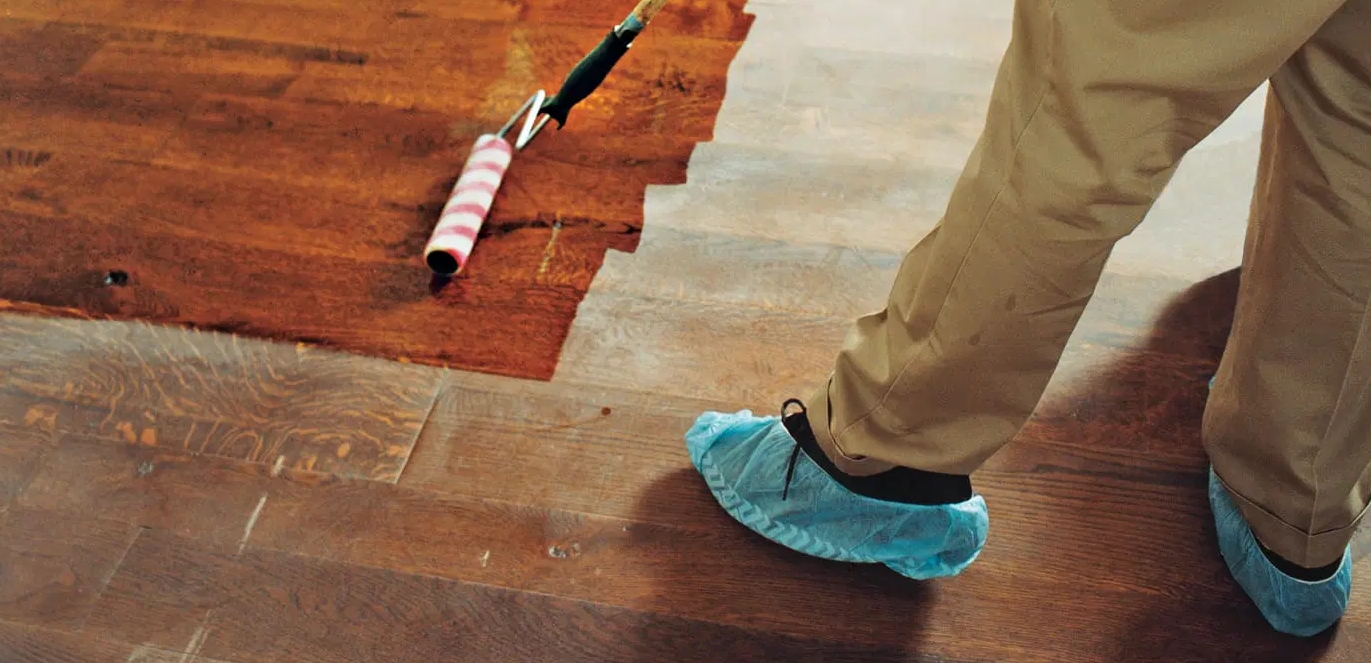
We insist on this step because we want you to love the color in both the morning sun and under your evening lamps. Whether you’re going for a trendy "greige," a modern matte black, or a classic natural maple look, seeing it in person is non-negotiable.
Secret #6: The Oil vs. Water-Based Debate
Contractors often push the finish they are most "comfortable" with, rather than what is best for you.
- Oil-Based Polyurethane: The "old school" choice. It has a rich, amber glow and a strong smell. It takes longer to dry but is incredibly durable.
- Water-Based Polyurethane: The modern standard. It dries fast (hours, not days), has almost no odor, and stays clear (it won't yellow over time).
The secret? High-end, commercial-grade water-based finishes (like the ones we use at Rovin's) are now just as durable: if not more so: than oil. If you have a busy household with pets or kids, or if you live in a high-rise where ventilation is tricky, water-based is almost always the superior choice.
Why Experience Matters in the Chicago Market
Hardwood flooring is one of the few home improvements that can actually pay for itself. Quality hardwood floors in Chicago can increase your property value by 3% to 5%. But that only happens if the job is done right.
Rovin's Flooring Inc has spent years mastering the nuances of Chicago’s unique architecture and climate. From restoring 100-year-old antique heart pine to installing the latest wide-plank European Oak, we combine technologically advanced equipment with old-world craftsmanship.
Ready to Uncover the Potential of Your Floors?
Don't settle for "good enough" when it comes to your home. Whether you need a simple recoat to bring back the shine or a complex engineered hardwood floor repair, our team is ready to help. We serve the entire Chicago area, focusing specifically on our neighbors to the North and West.
Contact Rovin's Flooring Inc today for a free estimate and let’s reveal the beauty hidden in your hardwood.