Walking into a flooring showroom can feel a bit like walking into a wine shop: there are dozens of options, each with their own personality, and everyone's got an opinion about which one's "the best." But here's the thing: there is no single best hardwood. There's only the best hardwood for you, your home, and your lifestyle.
At Rovin's Flooring, we work with over 20 unique wood species, and we've helped Chicago homeowners navigate this decision for decades. Whether you're renovating a classic Craftsman bungalow in Oak Park or building a modern home in Lake Forest, the right wood species can make all the difference.
Let's break down the options so you can walk into your flooring project with confidence.
The Chicago Classics: Red Oak vs. White Oak
If hardwood flooring had a "greatest hits" album, oak would be on every track. It's been the go-to choice for Chicago homes for over a century: and for good reason. But when people say "oak," they're usually talking about two distinct species that look and perform quite differently.
Red Oak
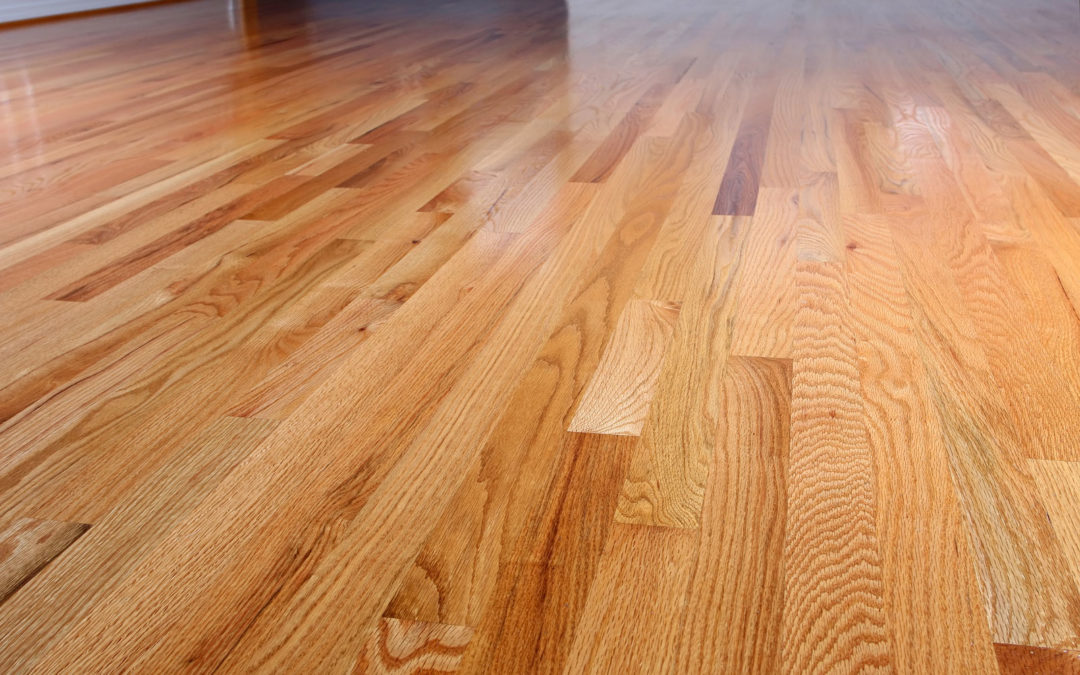
Red Oak is the warm, welcoming cousin in the oak family. It has a pronounced grain pattern with those signature sweeping cathedrals that give floors real character and texture. The undertones lean pink to reddish-brown, which pairs beautifully with traditional and transitional interiors.
Red Oak is abundant, making it one of the more budget-friendly hardwood options. It also takes stain exceptionally well: you can go anywhere from a light natural finish to a deep espresso tone. With a Janka hardness rating of 1,290 (more on that later), it's durable enough to handle Chicago's demanding seasons: the salt, the snow boots, and everything in between.
White Oak
White Oak has become the darling of modern design, and it's easy to see why. The grain is tighter and more subtle than Red Oak, with a cooler, more neutral tone that leans toward gray, tan, or even a soft gold. It's perfect for Scandinavian-inspired spaces, contemporary lofts, and anything with a clean, minimalist vibe.
Beyond aesthetics, White Oak has a practical advantage: it's naturally more resistant to moisture. Historically, it was used to build ships and whiskey barrels because the grain is so tight that liquids can't easily penetrate it. For Chicago homes: especially in kitchens or entryways where water and humidity are a concern: that's a nice bonus.
The Bottom Line: If you want warmth and traditional character, go Red Oak. If you prefer a sleek, modern look with added moisture resistance, White Oak is your pick.
Going Bold: Exotic Hardwood Species
Sometimes you want your floors to make a statement. That's where exotic species come in. These woods are sourced from tropical regions and offer colors, grain patterns, and hardness levels you simply won't find in domestic options.
Brazilian Cherry (Jatoba)
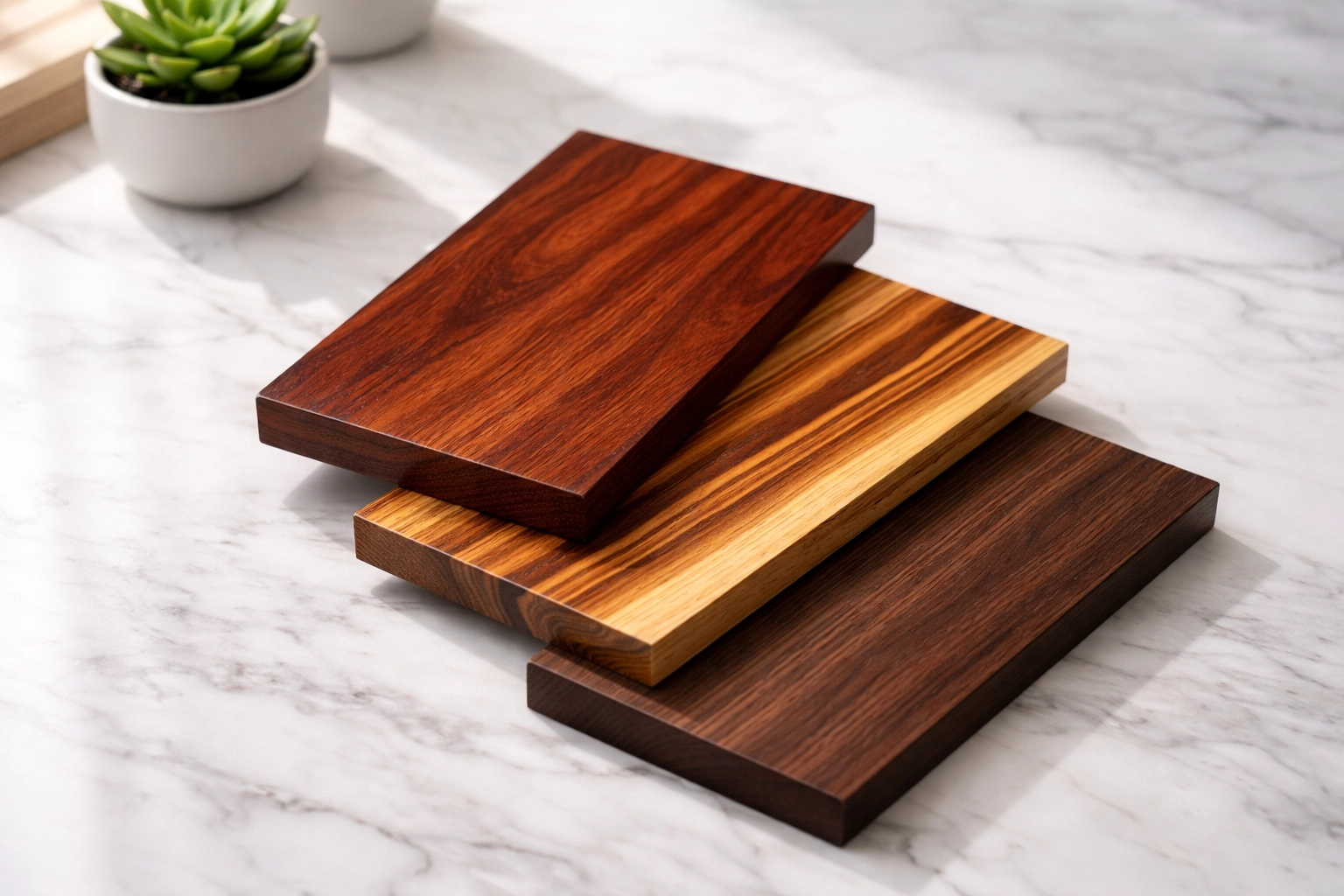
Don't let the name fool you: Brazilian Cherry isn't related to American Cherry at all. It's a completely different species with a rich, deep reddish-brown color that deepens and becomes more vibrant over time as it's exposed to light. The grain is interlocking and dramatic, creating floors that feel luxurious and one-of-a-kind.
Brazilian Cherry is also incredibly hard, with a Janka rating around 2,350: nearly double that of Red Oak. If you've got an active household with kids, pets, or just a lot of foot traffic, this wood can take a beating and still look stunning.
Tigerwood
If you really want to turn heads, Tigerwood delivers. This South American species features bold orange and brown streaks that actually look like tiger stripes (hence the name). It's undeniably eye-catching and works beautifully as an accent or in spaces where you want the floor to be the focal point.
Tigerwood is also exceptionally hard (Janka rating of about 1,850), so it's not just a pretty face: it's built to last.
A Note on Exotics
Exotic hardwoods typically cost more than domestic species: materials and installation can run $12 to $22 per square foot or higher. But for homeowners who want something truly unique, the investment often pays off in visual impact and long-term durability.
Sustainable Options: Bamboo and Cork
Eco-conscious homeowners have more options than ever, and two standouts deserve your attention: bamboo and cork. Neither is technically a "hardwood" (bamboo is a grass, and cork comes from bark), but both perform like hardwood and bring their own unique benefits to the table.
Bamboo
Bamboo grows incredibly fast: some species can grow up to three feet in a single day: making it one of the most renewable flooring materials on the planet. Modern strand-woven bamboo is manufactured by compressing bamboo fibers under extreme pressure, creating a floor that's actually harder than most traditional hardwoods.
The look is clean and contemporary, with a linear grain that works well in modern interiors. It's available in natural blonde tones or carbonized (heated) versions that have a warmer, caramel color.
Cork
Cork is harvested from the bark of cork oak trees without harming the tree itself: the bark regenerates and can be harvested again every nine years. This makes it an incredibly sustainable choice.
Beyond the environmental benefits, cork has some practical perks. It's naturally cushioned underfoot, which is easier on your joints and adds warmth to the room. It also has sound-dampening properties, making it a great choice for upper floors or condos where noise transfer is a concern.
Understanding Janka Hardness: Durability for Real Life
When you're comparing wood species, you'll hear a lot about "Janka hardness." This is a standardized test that measures how resistant a wood is to denting and wear. The higher the number, the harder the wood.
Here's a quick reference:
| Wood Species | Janka Hardness Rating |
|---|---|
| Cork | 200 |
| American Cherry | 950 |
| Black Walnut | 1,010 |
| Red Oak | 1,290 |
| White Oak | 1,360 |
| Hard Maple | 1,450 |
| Hickory | 1,820 |
| Tigerwood | 1,850 |
| Brazilian Cherry | 2,350 |
For families with kids and pets: Consider species with a Janka rating of 1,300 or higher. Hickory, in particular, is a domestic powerhouse: it's one of the toughest woods available and features beautiful contrasting patterns of clear yellow and rich brown heartwood.
For lower-traffic areas: You can go softer. Black Walnut, for example, has a lower Janka rating but delivers undeniable luxury with its rich, dark tones and swirling grain.
Grain Patterns: Finding Your Style
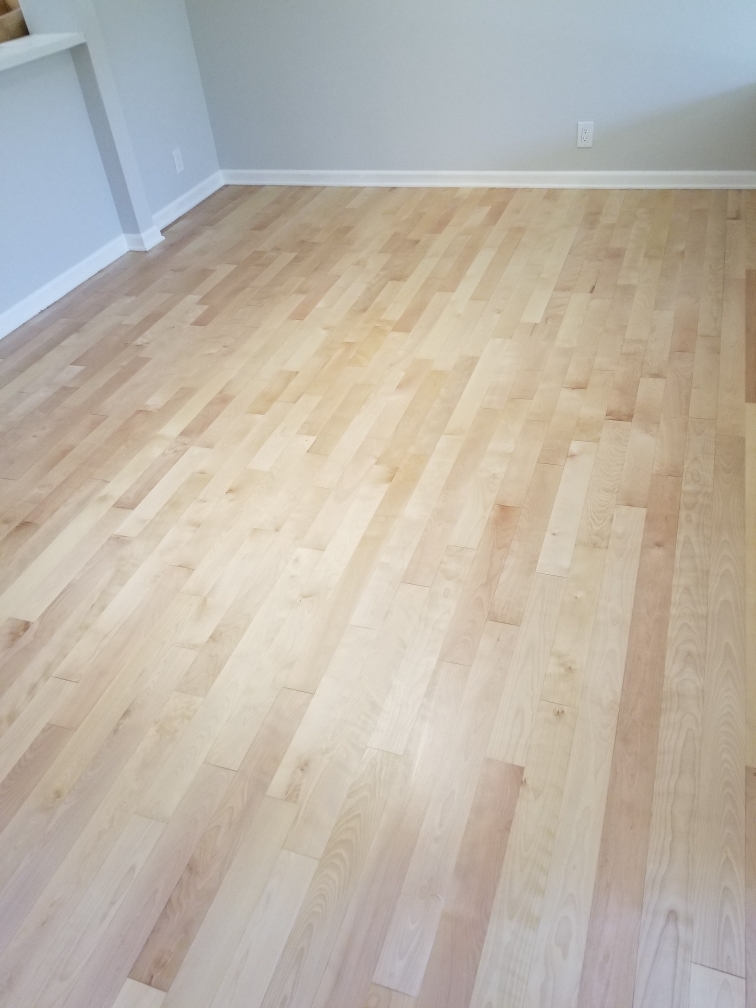
Beyond color and hardness, grain pattern plays a huge role in how your floors will look. Some species have dramatic, pronounced grain (Red Oak, Hickory), while others are more subtle and uniform (Maple, White Oak).
Here's a quick guide:
- Bold, textured grain: Red Oak, Hickory, Ash
- Subtle, clean grain: Maple, White Oak, Bamboo
- Unique character: Walnut (swirling), Tigerwood (striped), Reclaimed wood (one-of-a-kind)
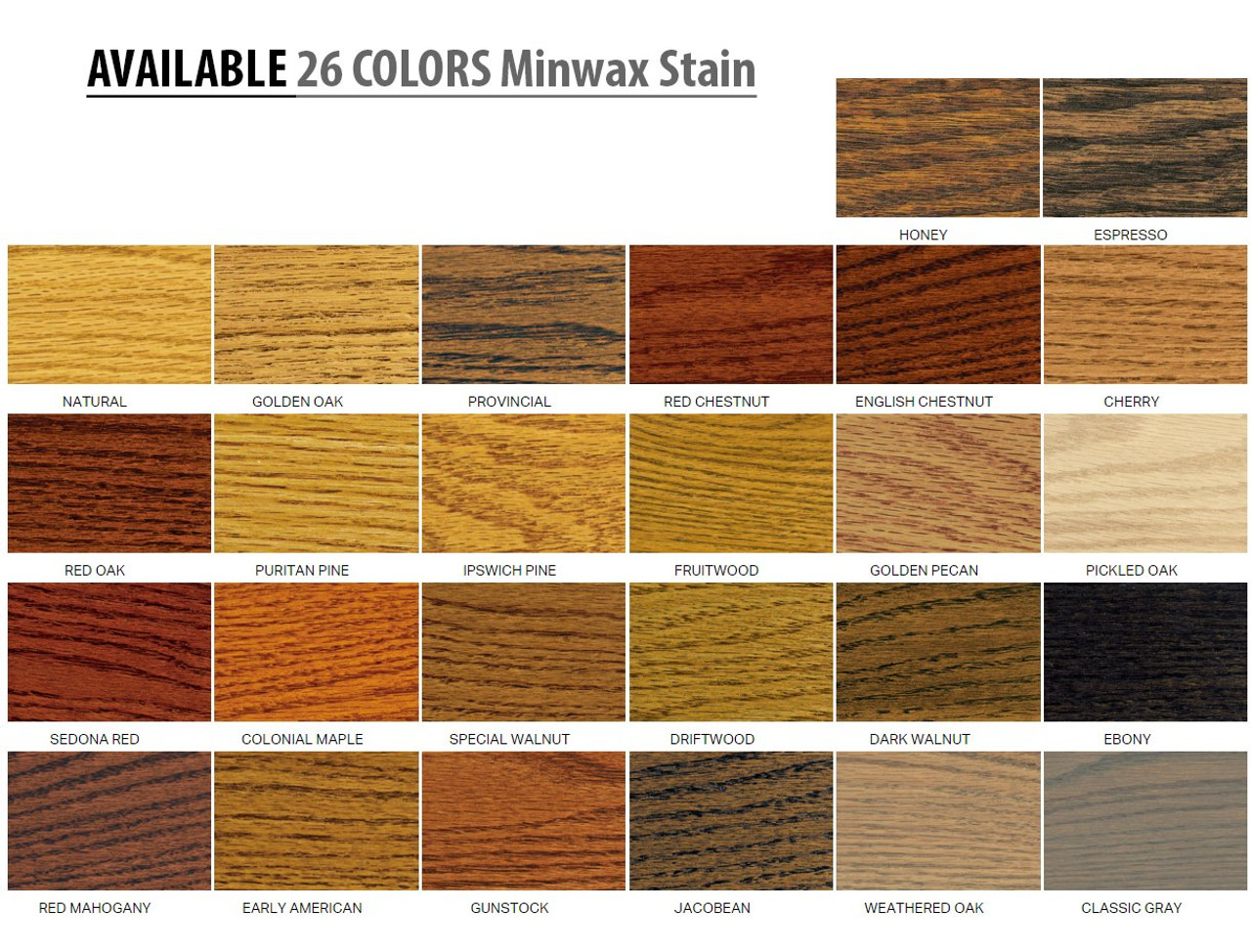
And don't forget: stain can dramatically change the final look. A bold-grained wood like Red Oak can be transformed into dozens of different styles depending on the stain color: from Golden Oak to Jacobean to Classic Gray.
Let Rovin's Guide You to the Perfect Match
With 20+ species to choose from, the decision can feel overwhelming. That's where our team comes in. We don't just sell flooring: we help you match the right wood species to your home's architecture, your family's lifestyle, and your design vision.
Live in a historic Evanston Victorian? We might steer you toward White Oak with a herringbone pattern to honor the home's heritage. Building a contemporary space in Naperville? Brazilian Cherry or strand-woven bamboo could be the perfect fit.
Rovin's Flooring proudly serves Chicago and a 60-mile radius extending North and West: from Lake Forest to Rockford and everywhere in between. Whether you're starting from scratch or refinishing existing floors, we're here to help you make a decision you'll love for decades.
Ready to explore your options? Request a free estimate or visit our showroom to see these species in person. There's nothing like feeling the grain under your feet to know you've found the one.