
So you've decided your hardwood floors need some love. Maybe they're scratched up from years of foot traffic, faded from sunlight, or just looking tired. Refinishing seems like the obvious answer, and it is! But here's the thing: refinishing hardwood floors is one of those projects where the details really matter.
Whether you're thinking about tackling it yourself or you've hired someone who quoted you a suspiciously low price, there are some common mistakes that can turn your dream floors into a nightmare. We see these issues all the time when Chicago homeowners call us to fix botched refinishing jobs.
Let's walk through the seven biggest mistakes and, more importantly, how to avoid them.
Mistake #1: Skipping Proper Cleaning and Sanding
This one seems basic, but you'd be surprised how often it gets overlooked. Some folks think a quick sweep and a once-over with a rental sander is enough. It's not.
Why it matters: Any dirt, dust, or residue left on the floor will get trapped under your stain and finish. The result? An uneven, bumpy surface that looks amateur at best and downright ugly at worst. Old finish that isn't fully removed will cause the new stain to absorb unevenly, leaving you with a blotchy mess.
The fix: Proper sanding requires multiple passes with progressively finer grits. You start coarse to remove the old finish and work your way up to create a smooth, even surface. And here's a pro tip: sand until you see bare wood everywhere. If you can still see patches of the old finish, you're not done.
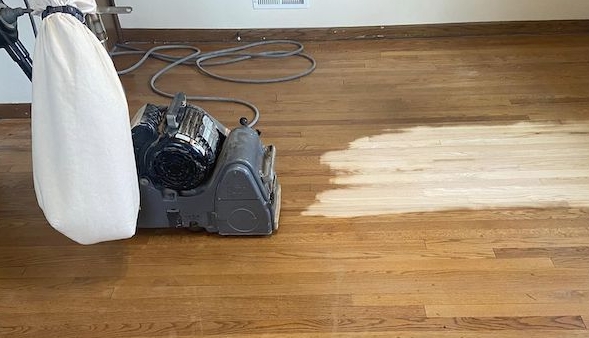
At Rovin's Flooring, we use dustless sanding technology that captures particles before they can settle back onto your floors, or coat everything in your house with fine wood dust. It makes a huge difference in the final result, and your lungs will thank you too.
Mistake #2: Picking the Wrong Stain for Your Wood Species
Here's where a lot of DIYers get into trouble. They see a beautiful espresso stain at the hardware store, test it on a scrap piece of pine, love it, and then slap it on their red oak floors. Surprise, it looks completely different.
Why it matters: Different wood species absorb stain differently. Oak has an open grain that takes stain well, but maple is notoriously finicky and can turn blotchy. Pine absorbs unevenly. And if you're working with an exotic species like Brazilian Cherry? That's a whole different ballgame.
The fix: Always test your stain on an inconspicuous area of your actual floor, not a sample board from the store. Better yet, work with a professional who understands how different species react to various stains. We wrote a whole guide on choosing the right wood species for your Chicago home that covers these nuances.
Mistake #3: Ignoring Chicago's Humidity Swings
Living in Chicago means dealing with some serious humidity extremes. Our winters are dry (hello, static electricity and cracked skin), and our summers can get downright muggy. Your hardwood floors feel every bit of that fluctuation.
Why it matters: Wood expands when it's humid and contracts when it's dry. If you refinish your floors during a particularly dry winter day without accounting for this, you might end up with gaps between boards come summer. Refinish during a humid spell, and you could see buckling or finish failure when things dry out.
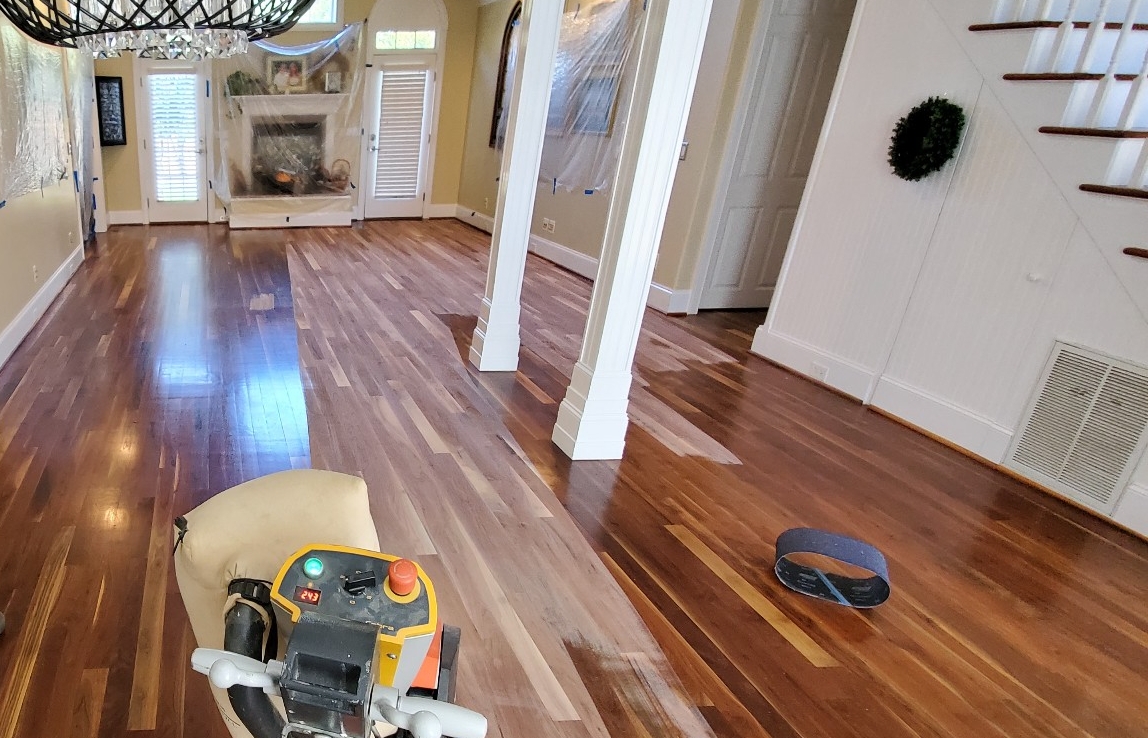
The fix: Ideal refinishing conditions are around 30-50% relative humidity and 60-80°F. Before refinishing, let your home's climate stabilize: run the HVAC for a few days to normalize conditions. And if you're not sure what your home's humidity levels are, pick up a cheap hygrometer. It's a small investment that can save you from major headaches.
For more on protecting your floors from Chicago's climate, check out our winter survival guide for hardwood floors.
Mistake #4: Using the Wrong Finish (Oil vs. Water-Based)
Not all finishes are created equal, and the oil vs. water-based debate is real. Each has its pros and cons, and choosing wrong can leave you with a floor that doesn't meet your expectations: or your lifestyle.
Why it matters: Oil-based polyurethane gives you that classic amber warmth and is incredibly durable, but it takes longer to dry (we're talking 24+ hours between coats) and has strong fumes. Water-based finishes dry faster, have lower VOCs, and keep the wood's natural color, but they can be less forgiving during application.
The fix: Consider your priorities. Got kids and pets who can't stay off the floors for days? Water-based might be your friend. Want that traditional golden glow on your oak floors? Oil-based is the way to go. Either way, skip the bargain-bin stuff. Professional-grade finishes from brands like Bona or Pallmann make a noticeable difference in durability and appearance.
At Rovin's Flooring, we use advanced finishing agents that offer the best of both worlds: durability, quick dry times, and beautiful results. We'll help you choose based on your specific situation.
Mistake #5: DIYing Water Damage Repairs
We get it. You had a leak, some boards got damaged, and you figure you can just sand it out and refinish. Unfortunately, water damage is rarely that simple.
Why it matters: Water doesn't just affect the surface: it soaks into the wood fibers and the subfloor beneath. Even if the top looks okay after drying, the damage underneath can cause warping, cupping, or mold growth down the line. Sanding over water damage without addressing the root cause is like putting a bandage on a broken bone.
The fix: Water damage requires assessment by someone who knows what they're looking at. Sometimes boards need to be replaced. Sometimes the subfloor needs attention. And sometimes: good news: it really is surface-level and can be refinished. But you won't know until you properly evaluate the situation.
We've covered this topic in depth in our post on whether water-damaged hardwood floors can really be saved. Spoiler: often they can, but it takes the right approach.
Mistake #6: Rushing the Drying Process
Patience is hard. Your floors look amazing, and you just want to move your furniture back and get on with life. But walking on floors before they're fully cured is one of the fastest ways to ruin all your hard work.
Why it matters: Most finishes are "dry to the touch" within hours, but full curing takes much longer: sometimes up to 30 days for oil-based finishes. Walking on them too soon can leave scuff marks, dents from furniture legs, or even footprints embedded in your beautiful new finish.
The fix: Follow the manufacturer's guidelines religiously. Generally, you can walk on water-based finishes in socks after 24 hours, but hold off on furniture for at least 48-72 hours. Oil-based? Give it several days before light traffic and a full week before moving furniture. And those area rugs? Keep them off for at least two weeks to let the finish breathe.
Mistake #7: Applying Too Few (or Too Many) Coats
More isn't always better, and less definitely isn't more when it comes to finish coats.
Why it matters: Too few coats leave your wood vulnerable to scratches, spills, and wear. Too many coats create a thick, plasticky look that can peel or crack over time. And if you don't let each coat dry properly before adding the next? You're looking at bubbling, cloudiness, or adhesion failure.
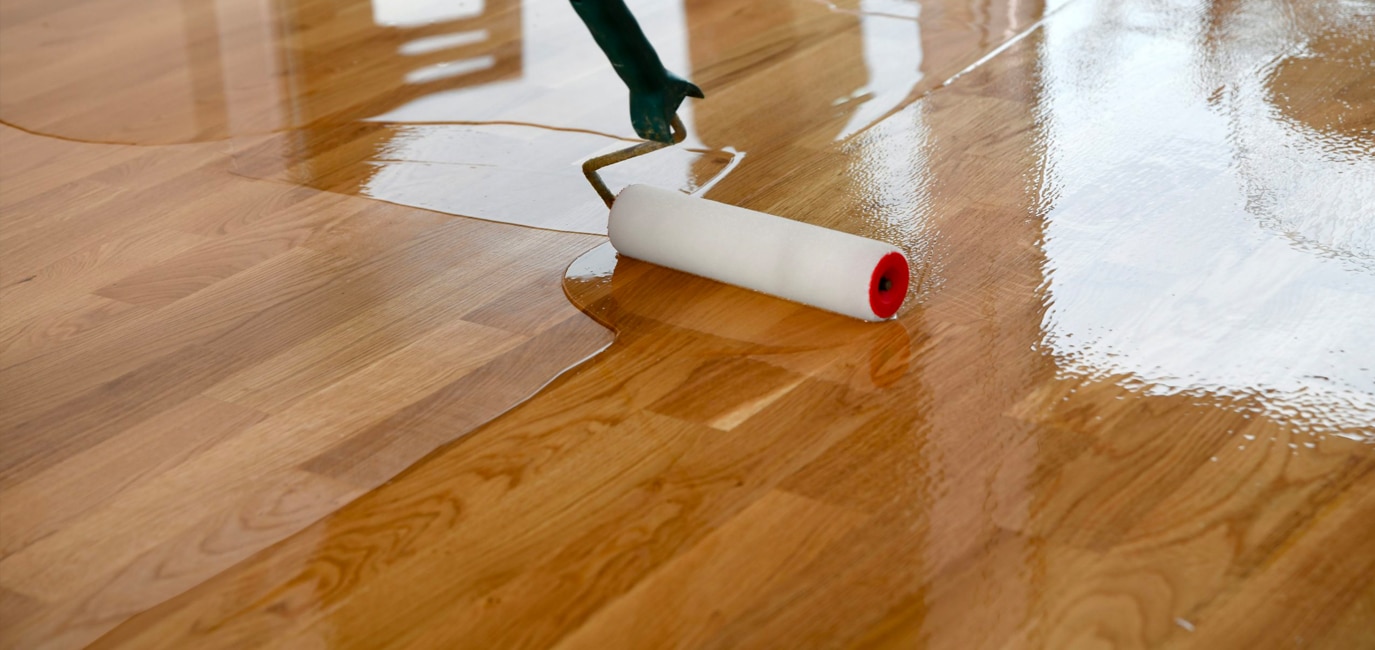
The fix: Most floors need 2-3 coats of finish, with light sanding (called "screening") between coats to help them bond. Follow the product recommendations and resist the urge to add "just one more coat for extra protection." Trust the process.
The Bottom Line
Refinishing hardwood floors is absolutely worth it: a well-done refinish can make your floors look brand new and add serious value to your home. But the key phrase there is "well-done."
If you're in Chicago or within 60 miles north or west of the city, Rovin's Flooring has been helping homeowners avoid these mistakes for years. Our dustless sanding keeps your home clean, our experienced team knows how to handle Chicago's climate challenges, and we use professional-grade finishes that stand up to real life.
Thinking about refinishing? Get in touch for a free estimate. We'd love to help you get the floors you deserve( without the mistakes.)