
So you're thinking about hardwood floors for your Chicago home. Smart move. There's something about real wood underfoot that carpet and laminate just can't touch. But before you dive in headfirst, there are some things you absolutely need to know: especially if you want to avoid budget surprises and end up with floors you'll love for decades.
Whether you're in Lincoln Park, Schaumburg, or anywhere within 60 miles north and west of downtown Chicago, here's the real talk on what to expect from your hardwood flooring installation project.
1. Expect to Pay Between $6 and $25+ Per Square Foot
Let's start with the elephant in the room: cost. In the Chicago area, hardwood floor installation typically runs $6 to $25 per square foot, and that includes both materials and labor.
For a standard 1,000 square foot project, most homeowners land somewhere between $10,000 and $16,000. Budget-friendly options can come in around $6,000 to $10,000, while premium installations with exotic woods or custom patterns can easily hit $20,000 to $30,000 or more.
The range is wide because there are so many variables at play: which brings us to the next point.
2. Your Choice of Wood Species Makes a Huge Difference
Not all hardwood is created equal, and your material costs alone can swing from $3 to $15+ per square foot depending on what you choose.
Here's a quick breakdown:
- Red Oak (unfinished): $3.25–$3.95 per sq ft : The classic choice. Durable, takes stain well, and looks great in almost any home.
- White Oak: Slightly more expensive, but trending hard right now thanks to its compatibility with modern gray and natural stains.
- Brazilian Walnut & Mahogany: $8–$14 per sq ft : Stunning, ultra-hard, and definitely a statement piece.
- Engineered Hardwood: $2.85–$15+ per sq ft : A solid option (pun intended) that handles Chicago's humidity swings better than solid wood in some applications.
If you're curious about which species works best for Chicago homes, check out our guide on choosing the perfect hardwood for your space.
3. Labor and Materials Are Two Separate Line Items
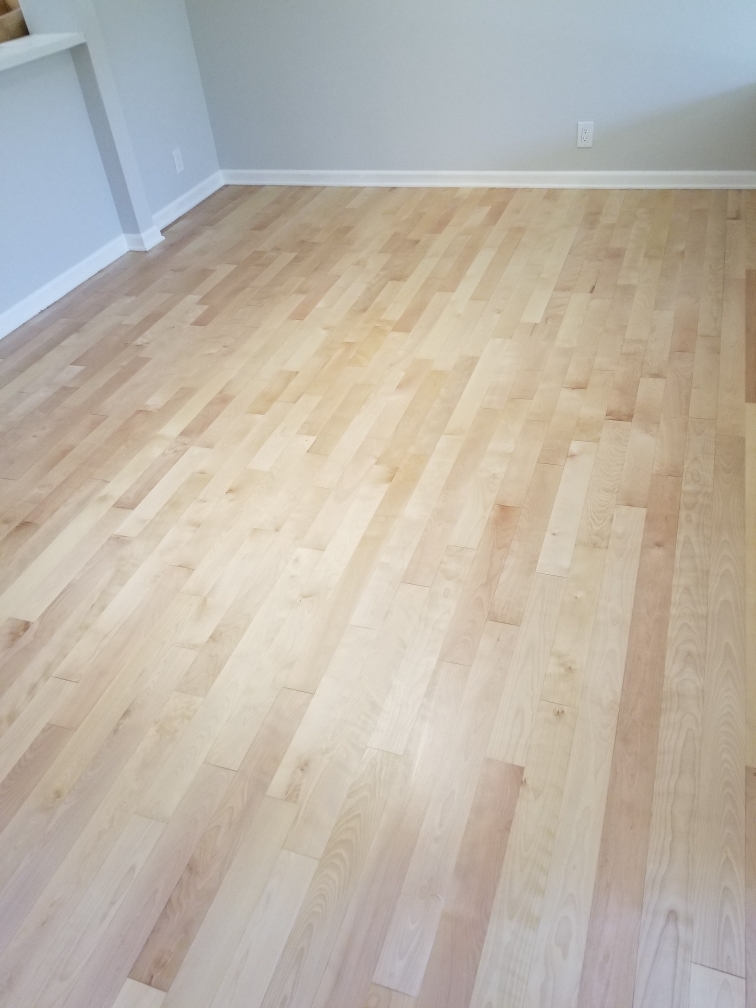
When contractors give you a quote, make sure you understand what's included. Labor and materials are typically broken out separately.
Labor alone usually runs $2 to $6 per square foot for solid hardwood installation. But that number can climb if you're going for something more intricate: like a herringbone or chevron pattern. Speaking of which, if you're considering a patterned layout, herringbone can actually boost your home's resale value.
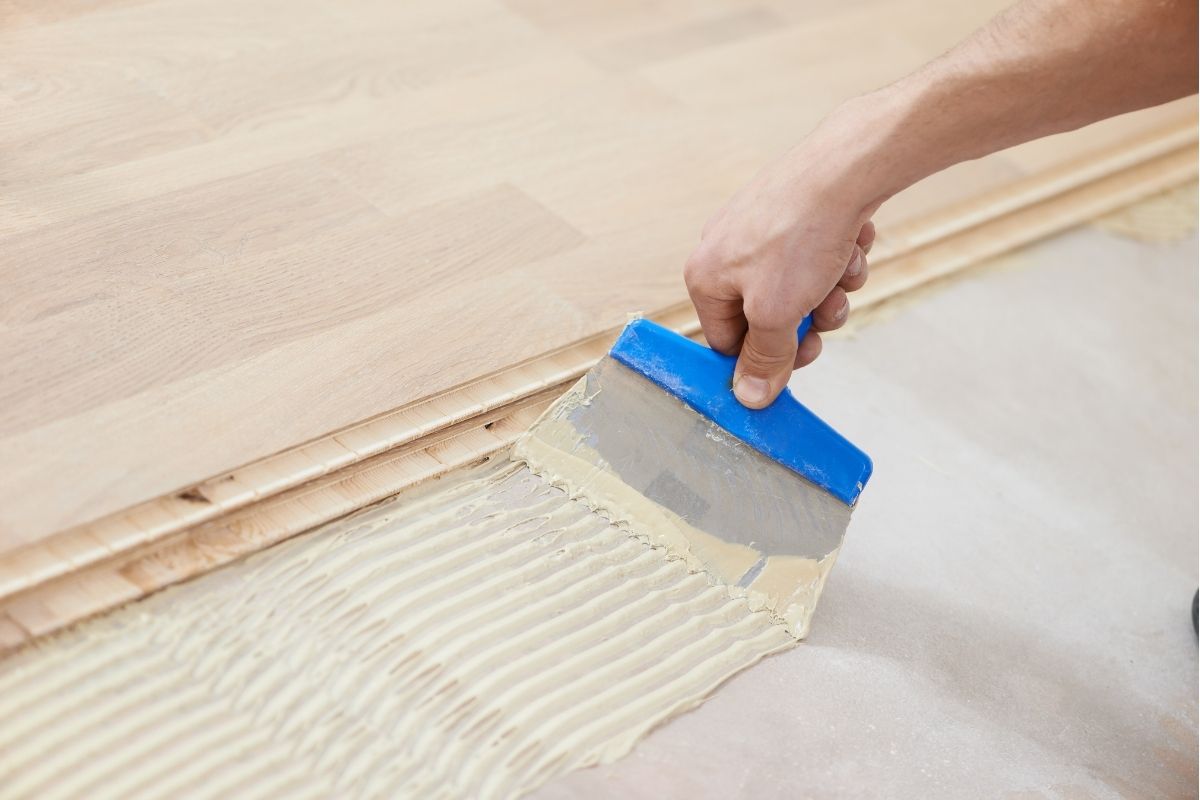
Installation method matters too. A standard nail-down or staple installation is the most affordable. Glue-down installations (common for engineered wood over concrete) and custom patterns will cost more.
4. Location Within the Chicago Area Affects Pricing
Here's something most people don't realize: where you live in the Chicagoland area can impact your installation costs.
Urban neighborhoods tend to have higher labor rates, but here's the twist: costs can actually increase the farther out into the northwest suburbs you go. Why? Fewer contractors are willing to travel, which limits your options and can drive up prices.
At Rovin's Flooring, we serve Chicago and a 60-mile radius extending north and west, so whether you're in Evanston, Naperville, or Crystal Lake, we've got you covered.
5. Hidden Fees Can Sneak Up on You
This is where a lot of homeowners get blindsided. The base installation quote is just the starting point. Here are the common add-ons you need to budget for:
- Removal and disposal of existing flooring (carpet, tile, old wood)
- Subfloor leveling or repair
- Moisture barriers and underlayment
- Stair installation or refinishing
- Trim work and transitions
- Door-jamb cuts
A reputable contractor will walk you through all of these upfront. If someone gives you a quote that seems too good to be true without mentioning any of this stuff? Red flag.
6. Your Subfloor Condition Matters More Than You Think
What's hiding under your current floor can make or break your project timeline and budget.
If you've got old carpet, removal is pretty straightforward. Tile? That's more labor-intensive. And if there's water damage, rot, or an uneven subfloor underneath, you're looking at repairs before any hardwood can go down.
This is especially important in older Chicago homes where subfloors have seen decades of use. A good contractor will inspect this during the estimate process: not after they've already torn everything up.
For tips on dealing with moisture issues, our post on water-damaged hardwood floors is worth a read.
7. Unfinished Floors Need Finishing (Obviously, But Hear Us Out)
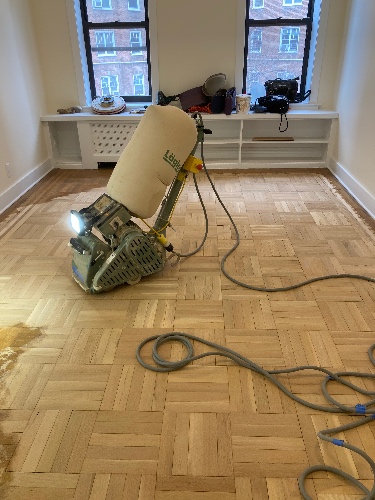
If you go with unfinished hardwood: which gives you complete control over the final stain color and sheen: you'll need to add $2 to $6 per square foot for sanding, staining, and finishing.
This is actually a popular choice for homeowners who want a custom look or need to match existing floors in another part of the house. Just know that it adds time to the project (typically 3-5 extra days for the finish to cure) and requires you to stay off the floors during that period.
Pre-finished hardwood, on the other hand, is ready to walk on the day it's installed. Trade-off? Less customization, but faster move-in.
8. Stairs and Small Rooms Have Different Pricing Structures
Here's a quirk of the flooring world: stairs aren't priced by square footage. Instead, expect to pay $120 to $200 per step for installation (including materials), or $45 to $65 per step for refinishing.
And if you've got a small room: like a hallway or powder room: you might get charged a flat minimum fee rather than a per-square-foot rate. This is standard practice because the setup and labor involved don't scale down proportionally with smaller spaces.
9. Solid Hardwood vs. Engineered: Know the Difference
This is one of the most common questions we get, and it's an important one for Chicago homeowners specifically.
Solid hardwood is exactly what it sounds like: planks milled from a single piece of wood. It's beautiful, can be refinished multiple times over its lifespan, and generally costs more.
Engineered hardwood has a real hardwood veneer on top, bonded to layers of plywood beneath. It's more dimensionally stable, which means it handles humidity fluctuations better: a big deal when Chicago winters mean running the furnace for months on end.
Both are excellent choices. The "right" one depends on your subfloor type, your budget, and how you plan to use the space. If you're installing over concrete (common in basements or condos), engineered is usually the way to go.
For more on this, check out our maintenance tips for protecting your floors from Chicago's winter conditions.
10. Always Get Multiple Quotes (And Ask the Right Questions)
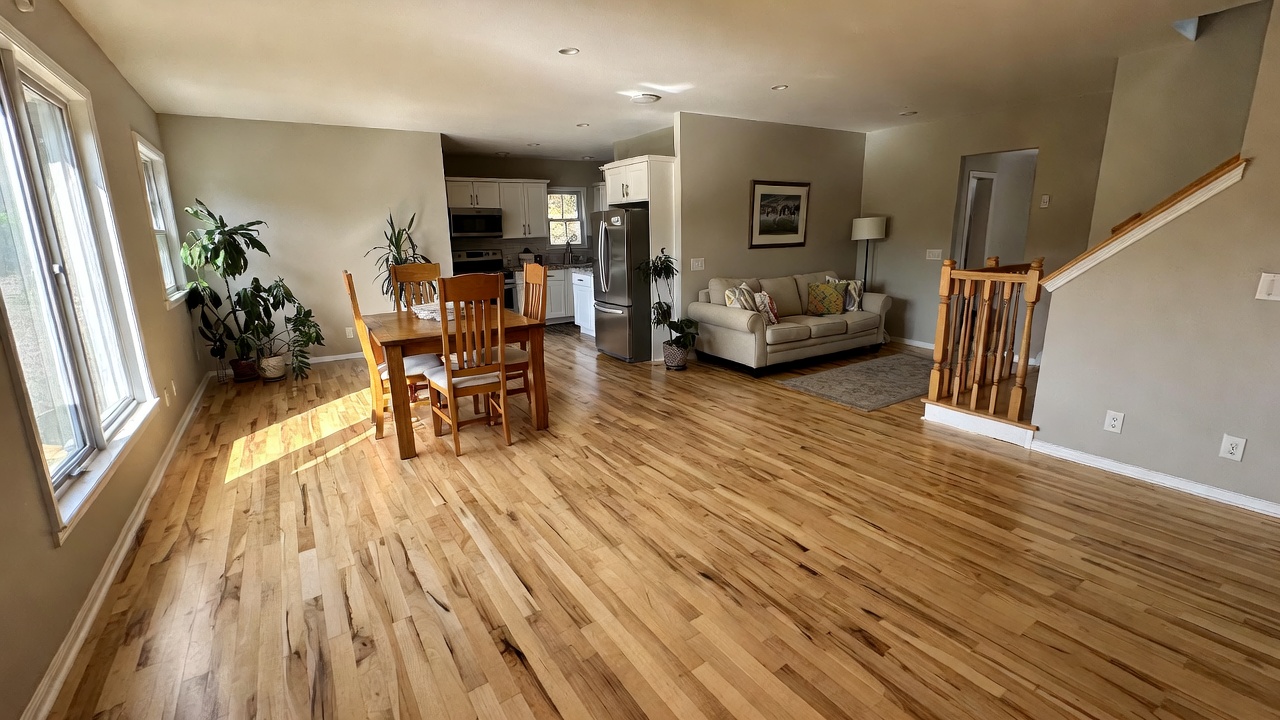
This might be the most important tip on the list. Get at least three quotes from reputable Chicago-area flooring contractors before making a decision.
But don't just compare the bottom line. Ask questions like:
- What's included in this quote?
- How do you handle subfloor issues if you find them?
- What's your warranty on labor?
- How long will the project take?
- Do you handle furniture moving?
A contractor who takes the time to answer these questions thoroughly is usually one you can trust.
Ready to Get Started?
Hardwood flooring is one of the best investments you can make in your home. It looks incredible, lasts for generations, and consistently adds value when it's time to sell. But getting it right means going in with your eyes open.
If you're in Chicago or anywhere within 60 miles north and west, reach out to Rovin's Flooring for a free estimate. We'll walk you through everything: no surprises, no hidden fees, just beautiful floors done right.