
Here's the truth about hardwood floors in Chicago: they're beautiful, they're valuable, and they can absolutely wreck your budget if you don't understand what you're dealing with.
The $10,000 mistake isn't about buying cheap flooring. It's about choosing the wrong species, skipping humidity management, or neglecting the finishing process: and then watching your investment warp, gap, and buckle within a few years.
Chicago's climate is a hardwood floor's worst nightmare. We swing from humid 90-degree summers to bone-dry winters with the heat cranked. That constant expansion and contraction? It's brutal. But here's the good news: if you know what to look for, hardwood floors can thrive here for decades.
Why Chicago's Climate Is So Hard on Hardwood
Let's start with the problem. Chicago has what experts call "extreme seasonal variation," which is a fancy way of saying our weather is all over the place.
In summer, humidity climbs. Your hardwood absorbs moisture from the air and swells. In winter, indoor heating sucks all the moisture out of the air, and your floors shrink. This constant push-and-pull creates gaps between boards, causes cupping (where the edges of boards rise higher than the center), and can even lead to cracking.
Most homeowners don't realize this until it's too late. They install beautiful floors, enjoy them for a season or two, and then start noticing problems. By year three, they're looking at expensive repairs or complete replacement.
The good news? This is completely preventable if you make the right choices upfront.
The Best Wood Species for Chicago Homes
Not all hardwood is created equal. Some species handle Chicago's climate like champions, while others struggle from day one.
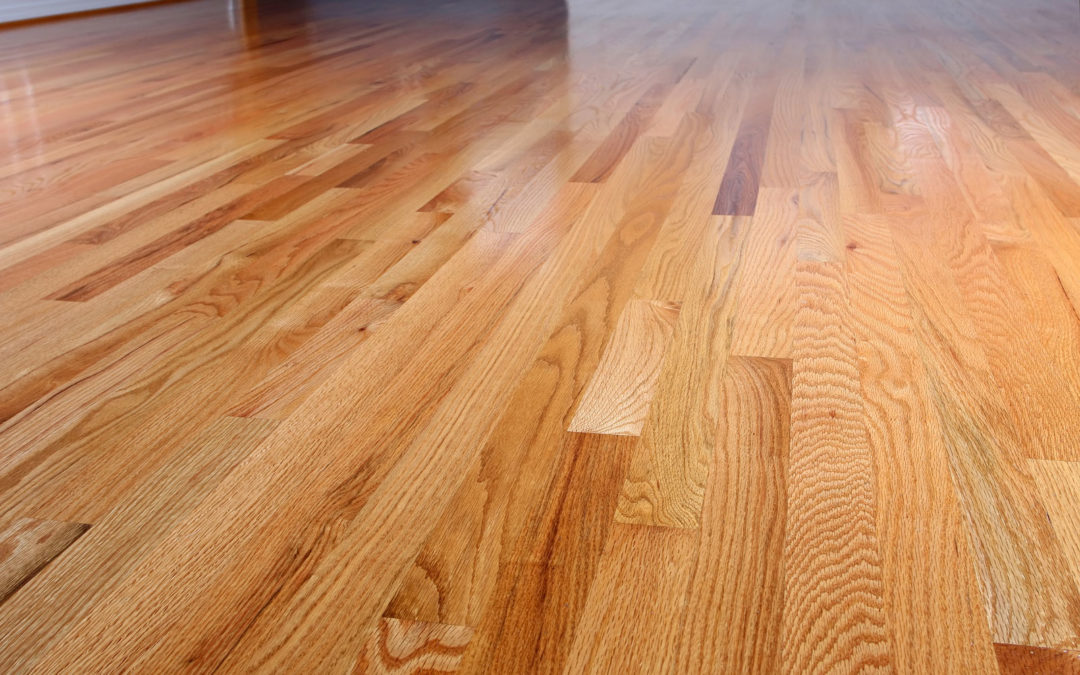
Red Oak is the MVP for Chicago homes. It's affordable, widely available, and handles humidity changes better than most domestic species. The grain pattern is prominent enough to hide minor imperfections, and it takes stain beautifully if you want to customize the color. There's a reason it's the most popular choice in the region.
White Oak is red oak's slightly paler cousin. It's equally durable and offers a more subtle grain pattern if you prefer a cleaner, more contemporary look. Pre-finished white oak options are particularly good because they come with factory-applied finishes that are often more durable than site-finished alternatives.
Maple is another solid performer. It's harder than oak, which means it resists dents and scratches better. The grain is tighter and more consistent, giving rooms a uniform appearance. If you have kids, dogs, or high foot traffic, maple is worth considering.
Hickory (sometimes sold as Pecan) is the hardest domestic wood you can buy. It has dramatic grain variation: some people love the character, others find it too busy. But if durability is your top priority, hickory laughs at whatever you throw at it.
For exotic options, Brazilian Cherry (Jatoba) and Brazilian Walnut (Ipe) are both significantly harder than domestic species. They're more expensive, but they're also incredibly stable and develop richer color over time. These are great choices for high-traffic areas or homes where floors take a beating.
The species you should avoid? Soft woods like pine or fir, and anything marketed as "budget-friendly" without clear information about its hardness rating. In Chicago's climate, cheap wood is expensive in the long run.
Humidity Control: The Make-or-Break Factor
Here's where most people fail, and it's the single biggest cause of hardwood floor problems in Chicago.
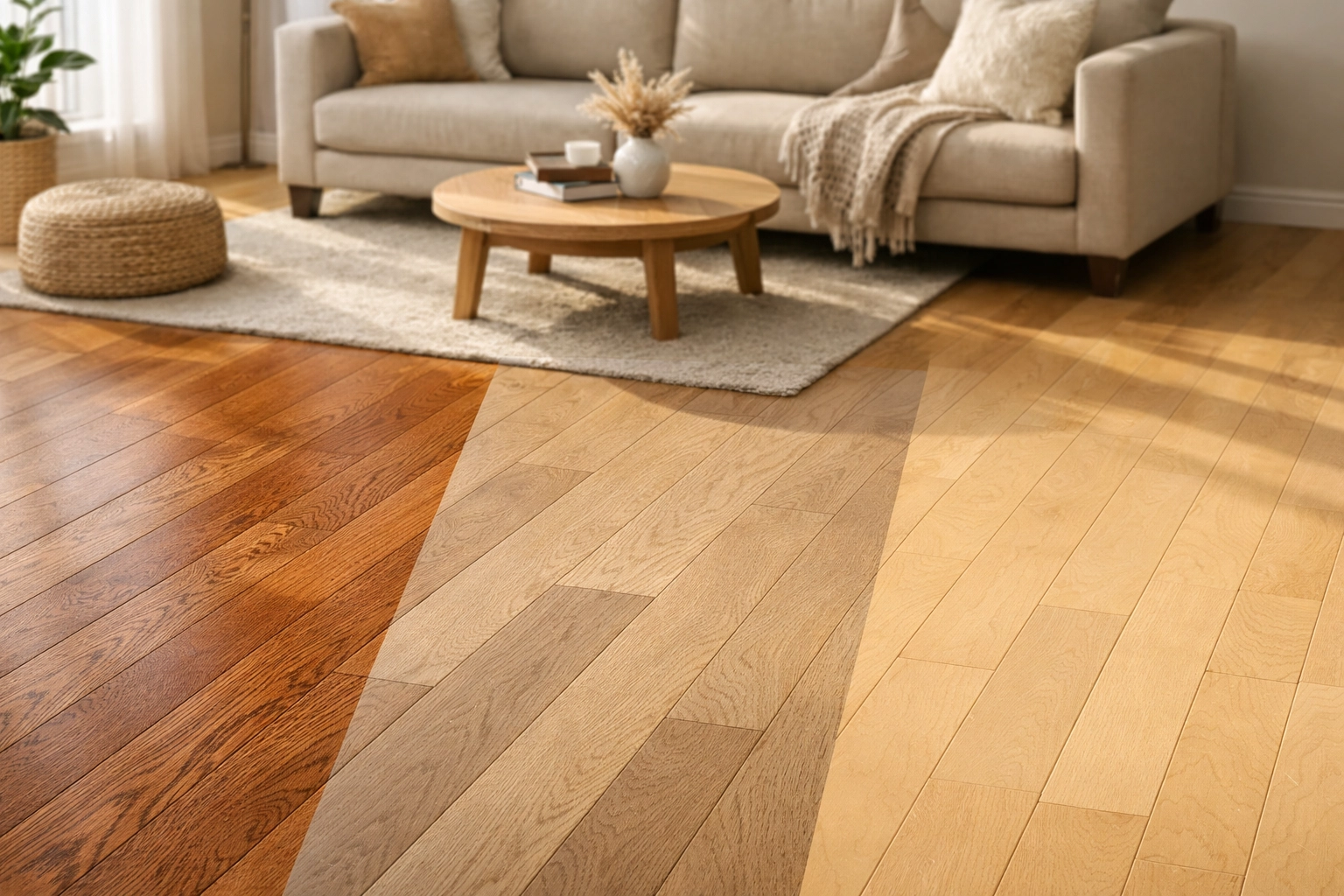
You need to maintain indoor humidity between 30% and 45% year-round. Not sometimes. Not when you remember. All. The. Time.
In winter, this means running a humidifier. Chicago winters are dry, especially once you fire up the furnace. Without added moisture, your floors will shrink, creating gaps between boards. Small gaps (up to 1/16 inch) are normal and seasonal, but anything larger is a sign you're letting your home get too dry.
In summer, you might need a dehumidifier, though this is less common. Most Chicago homes naturally stay within acceptable humidity ranges during warm months. The real challenge is winter.
Invest in a good hygrometer (they're cheap: $20 to $30) and check humidity levels regularly. If you're consistently below 30%, your floors are suffering, even if you can't see it yet. A whole-home humidifier integrated into your HVAC system is the gold standard, but even portable units can work if you're diligent about refilling them.
Also: keep your thermostat consistent. Wild temperature swings stress hardwood just like humidity changes do. Set it and forget it.
Finishing Makes or Breaks Performance
The finish you choose is just as important as the wood species itself. A poor finish leaves your floors vulnerable to moisture damage, scratches, and wear.
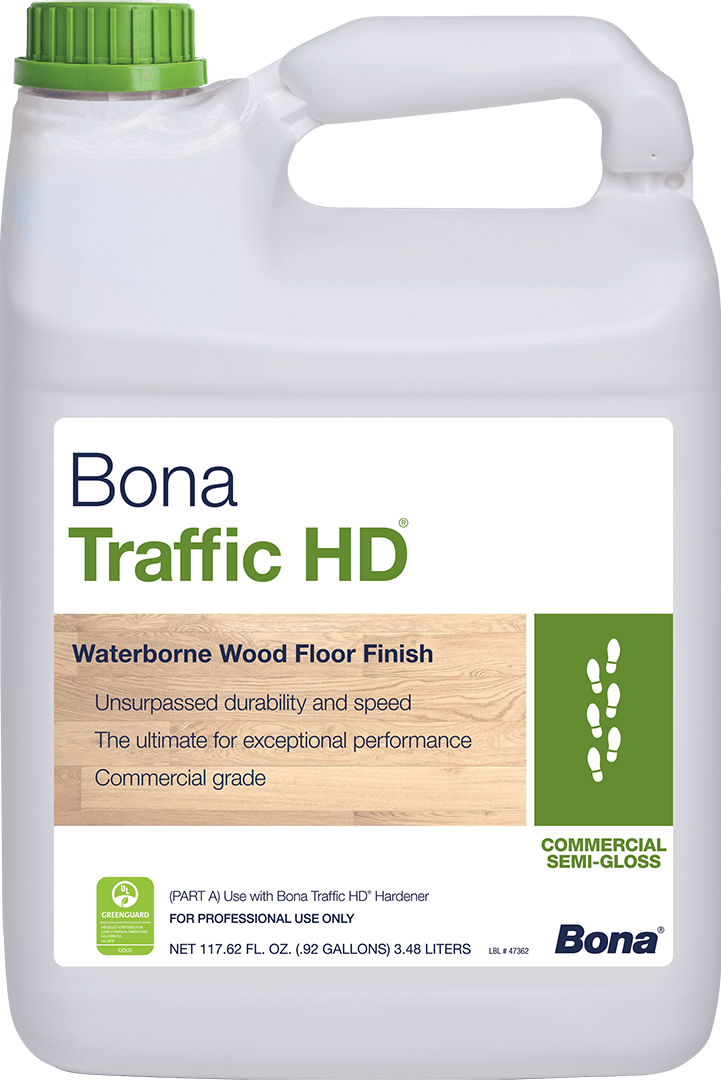
Modern water-based finishes are the standard for Chicago installations. They dry faster than oil-based options (usually within 24 hours), have lower VOC emissions, and provide excellent moisture protection. Products like Bona Traffic HD are specifically engineered for high-traffic environments and climate extremes.
Oil-based finishes are still around, and some people prefer the amber tone they give to wood. They take longer to cure (sometimes up to a week before you can move furniture back), and the fumes are stronger, but they're incredibly durable. If you're not in a hurry and you like the warmer color, oil-based can work. You can read more about water-based vs. oil-based finishes here.
The sheen level matters too. High-gloss finishes show every scratch and footprint: they're beautiful but high-maintenance. Matte and satin finishes hide imperfections better and are more practical for real-world use. We've covered this topic in depth in our post about matte vs. glossy finishes.
Pre-finished flooring comes with factory-applied finishes that are cured under UV light and extremely durable. Site-finished flooring (where the finish is applied after installation) allows for customization and eliminates the micro-bevels between boards that pre-finished floors sometimes have. Both work: it's a matter of preference and timeline.
Maintenance: Protecting Your Investment
Even the best hardwood needs care. The good news is that maintenance isn't complicated: you just need to be consistent.
Daily and weekly care: Sweep or vacuum regularly to remove grit that scratches the finish. Use a microfiber dust mop or a vacuum with a hardwood floor attachment (no beater bars). Wipe up spills immediately. That's 90% of maintenance right there.
Seasonal care: During Chicago winters, protect your floors from road salt and snow. Use mats at entry points and clean up tracked-in moisture quickly. Salt residue is particularly damaging to finishes.
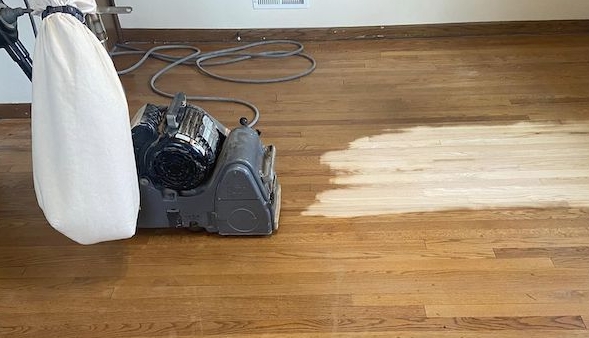
Professional maintenance: Plan to refinish your floors every five to seven years, depending on traffic levels. Refinishing isn't a sign of failure: it's normal maintenance that removes surface damage and applies a fresh protective coat. Modern dustless sanding systems make the process much cleaner than it used to be. Learn more about dustless refinishing here.
With proper care, hardwood floors can last 50+ years. That's exceptional value compared to carpet or vinyl.
When Engineered Hardwood Makes Sense
Solid hardwood is the traditional choice, but engineered hardwood has come a long way. It's not "fake wood": it's real hardwood on top with a plywood or HDF core underneath.
The advantage? That layered construction makes engineered floors more dimensionally stable than solid wood. They handle humidity swings better, which makes them ideal for basements, condos without central humidification, or homes where maintaining strict humidity control is difficult.
Modern engineered hardwood with thick wear layers (4mm or more) can be sanded and refinished just like solid wood. You get the same look and longevity with better performance in challenging conditions.
The trade-off is cost: engineered hardwood is often slightly more expensive than solid wood. But if you're worried about climate vulnerability, it's worth considering.
Making the Right Choice for Your Home
Choosing hardwood for Chicago comes down to three decisions:
-
Species: Go with red oak, white oak, maple, or hickory for domestic options. Brazilian cherry or walnut if you want exotic durability.
-
Humidity management: Commit to maintaining 30-45% humidity year-round. This is non-negotiable.
-
Finish: Choose a moisture-resistant finish (water-based or high-quality oil-based) in a practical sheen level (matte or satin for most homes).
Get these three things right, and your floors will thrive for decades. Skip any of them, and you're rolling the dice with an expensive investment.
Ready to Get It Right the First Time?
Rovin's Flooring has been installing and refinishing hardwood floors in Chicago and a 60-mile radius (extending North and West) for years. We understand this climate because we work in it every day.
Whether you're installing new floors, refinishing existing ones, or just trying to figure out what's best for your home, we can help. Visit rovinsflooring.com to schedule a consultation or get answers to your specific questions.
Your floors are a long-term investment. Make sure you're choosing species, finishes, and maintenance plans that will protect that investment for years to come.