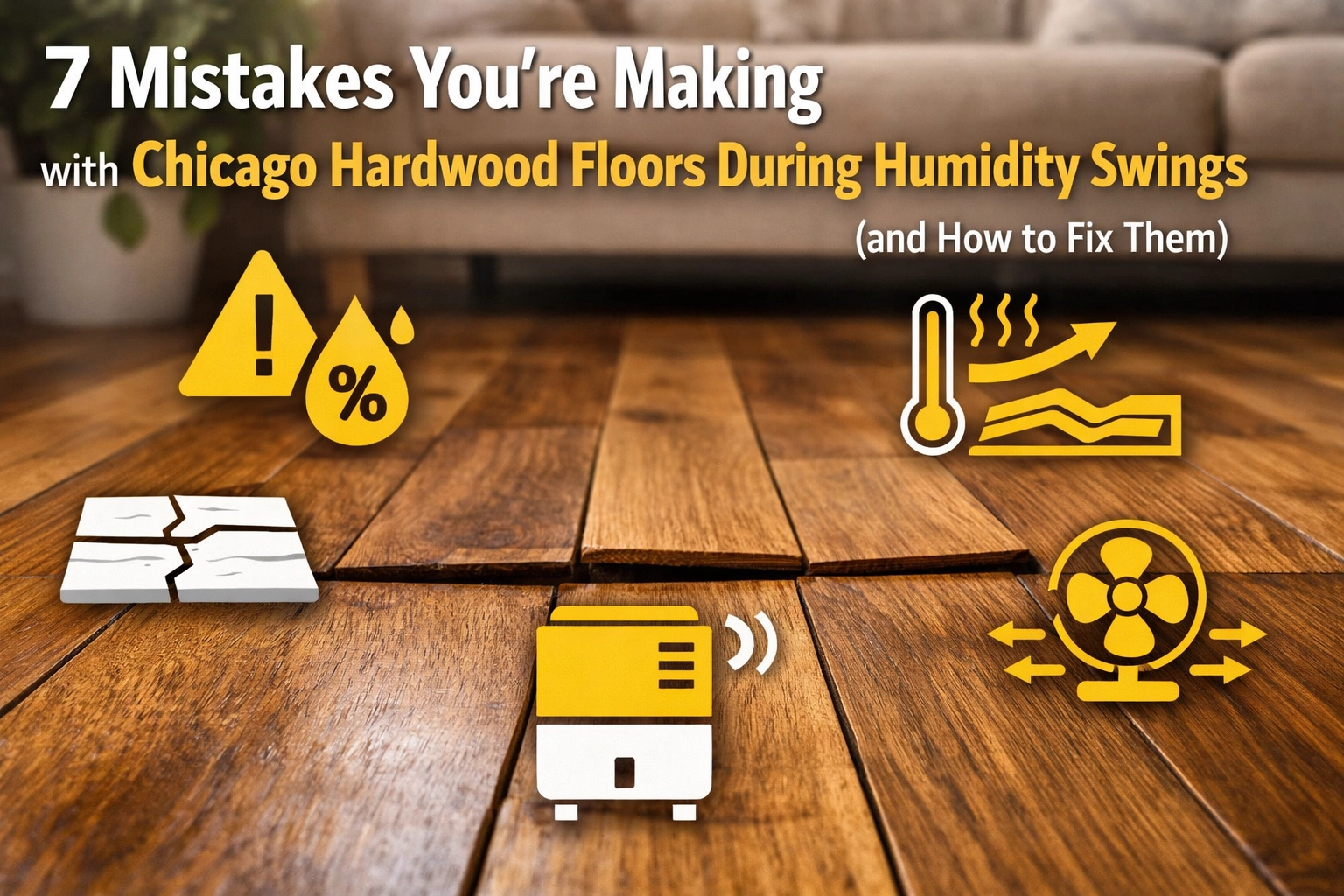
If you live in Chicago or the surrounding North and West suburbs, you know the drill. One week it’s a frozen tundra with air so dry your skin starts to flake, and the next, it’s a humid swamp that makes your clothes stick to your back. While we’re busy adjusting our thermostats and swapping out our wardrobes, our hardwood floors are doing something much more dramatic: they’re breathing.
Wood is a hygroscopic material. That’s a fancy way of saying it acts like a sponge. It absorbs moisture when the air is damp and releases it when the air is dry. In a climate like ours, stretching from the lakefront out 60 miles toward Arlington Heights, Elgin, and beyond, these "humidity swings" are extreme.
At Rovin's Flooring Inc, we’ve seen beautiful oak and maple floors ruined not by age, but by a lack of climate awareness. Here are the seven biggest mistakes Chicago homeowners make during these seasonal shifts and, more importantly, how you can fix them before your floors pay the price.
1. Flying Blind: Not Monitoring Indoor Humidity
The biggest mistake is simply not knowing what’s happening inside your home. You might feel the humidity, but your floors live it. Most homeowners wait until they see a gap big enough to drop a nickel through or notice their boards are starting to "cup" (edges higher than the center) before they realize there’s a problem.
The Fix: Buy a hygrometer. You can pick one up for twenty bucks online or at a local hardware store. Your goal is to keep your indoor relative humidity between 35% and 55%. If you see it dipping toward 20% in January or spiking to 70% in July, you need to intervene. Consistent monitoring is the only way to prevent the wood from cycling through extreme expansion and contraction.
For more detailed specs on what your floors need, check out our guide on humidity and hardwood.
2. Skipping the Dehumidifier During "Swamp Season"
Chicago summers are notorious. When that moisture-laden air hits your home, your hardwood planks expand. If there isn't enough expansion space left during installation, those boards will push against each other. This leads to "crowning" (the center of the board is higher than the edges) or, in extreme cases, buckling, where the floor literally lifts off the subfloor.
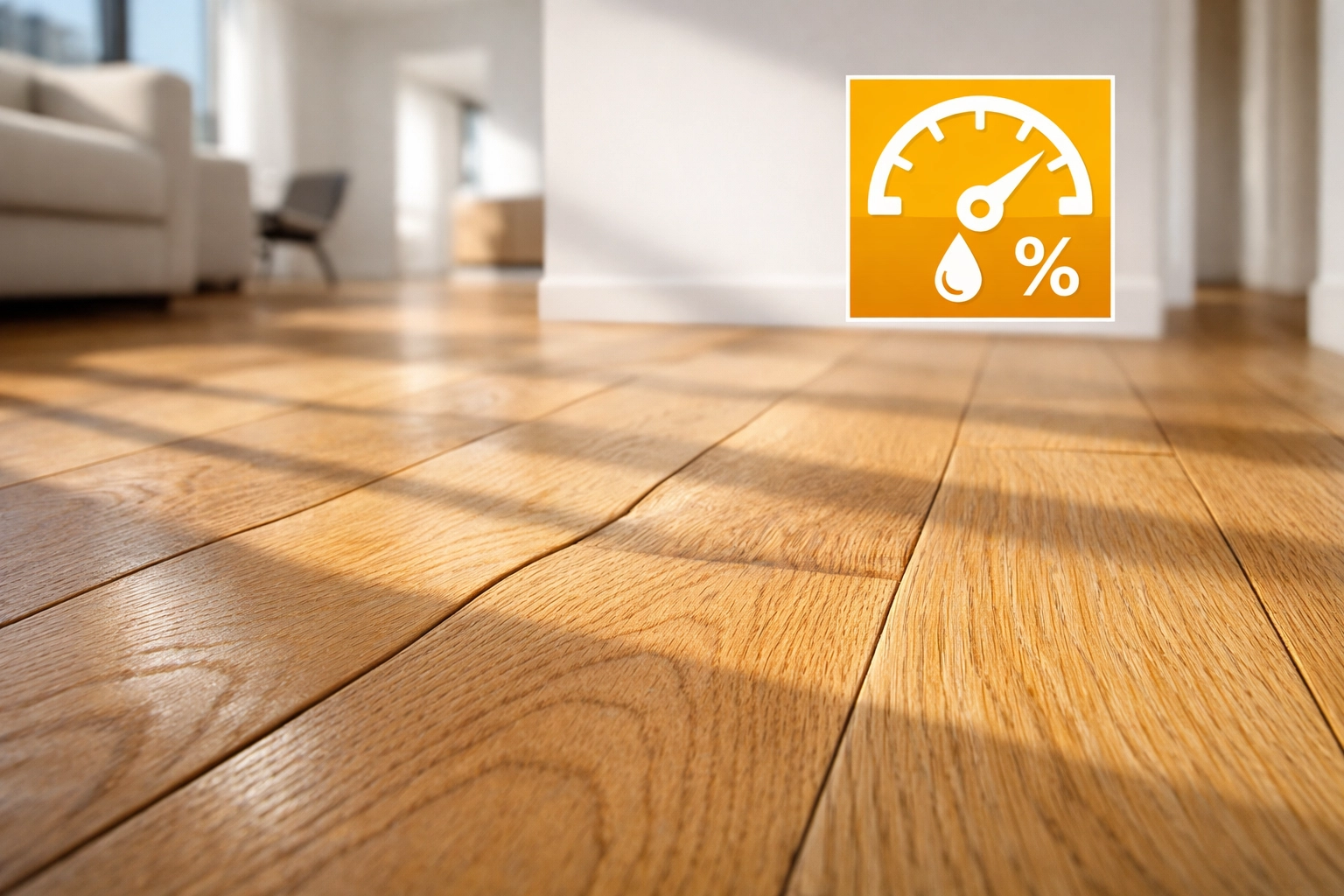 ](A visual representation of how high humidity causes wood cell expansion, leading to cupping and crowning in hardwood planks.)
The Fix: Run your AC, but don’t rely on it alone. Air conditioners dehumidify as a byproduct of cooling, but they might not pull enough moisture out on a mild, muggy day. A dedicated dehumidifier, especially in basements or ranch-level homes in the North and West suburbs, is a lifesaver. It keeps the environment stable so your wood doesn't feel the need to grow.
3. The "Deep Clean" Disaster: Wet Mopping
We get it. You want your floors to shine. But during a humid Chicago summer, the last thing your floor needs is more liquid. Many people make the mistake of using a soaking wet mop or, heaven forbid, a steam mop. Steam forces moisture deep into the grain and through the seams of the planks.
The Fix: Stick to a dry or slightly damp microfiber mop. If you’ve had a spill or a particularly muddy day (thanks, Chicago spring), use a professional-grade cleaner like Bona, which evaporates quickly. Never let water sit on the surface. For long-term protection, ensure your finish is intact. If your floor looks dull and absorbs water quickly, it might be time for a professional refinishing.
4. Neglecting Winter Humidity Control
While summer brings the swell, winter brings the "shrink." When we crank up the furnaces in our homes from Skokie to Naperville, the indoor air becomes bone-dry. This sucks the moisture right out of the wood cells. The result? Gaps between your boards. While some gapping is normal in Chicago winters, excessive gapping can lead to cracked boards or structural issues.
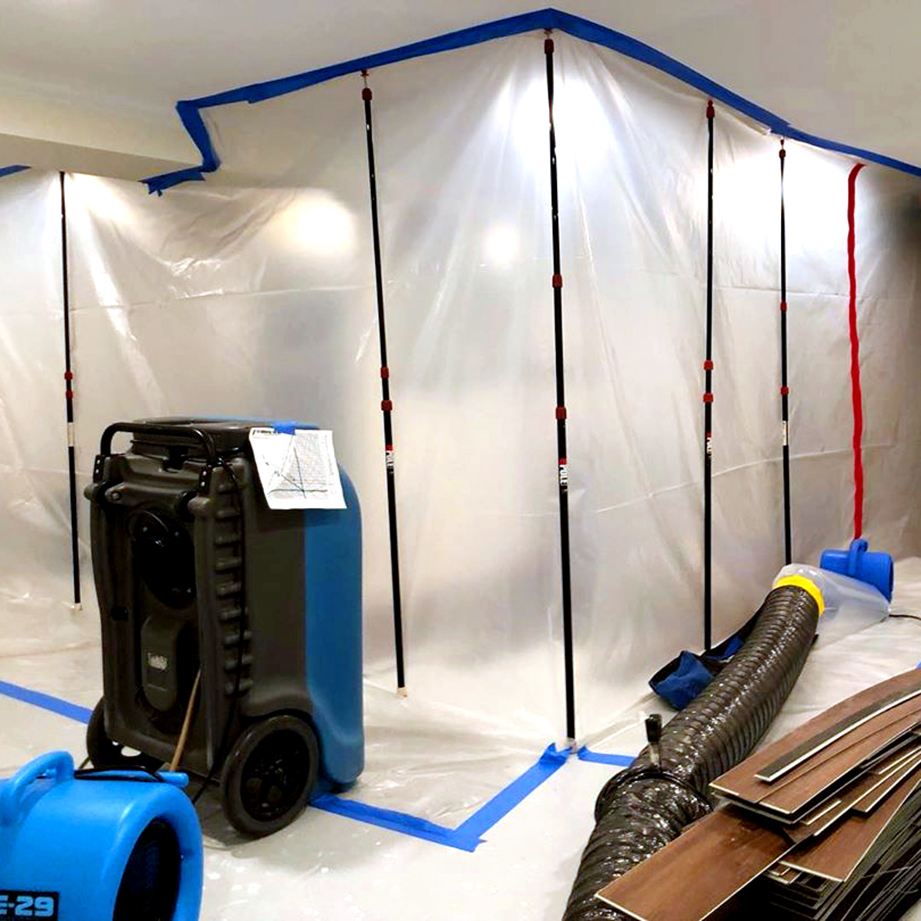
The Fix: You need a humidifier. Whether it’s a whole-house unit attached to your HVAC system or a few high-quality portable units in your main living areas, adding moisture back into the air is critical. Aim for that 35-40% sweet spot during the coldest months. Your floors (and your sinuses) will thank you. You can find more tips on winter care on our maintenance page.
5. Ignoring Poor Ventilation in Critical Areas
Moisture doesn't just come from the weather; it comes from us. Showering, cooking, and even breathing add moisture to the air. If your home has poor air circulation, that moisture settles. We often see the worst floor damage near bathrooms or in kitchens where ventilation is an afterthought.
The Fix: Use your exhaust fans! Run the bathroom fan for at least 20 minutes after a shower. Use the range hood while boiling water. If you have a crawlspace or a basement, ensure your subfloor installation included a proper moisture barrier. Good airflow prevents "micro-climates" in your home where humidity might be 10% higher than the rest of the house, causing localized floor warping.
6. The Panic Sanding: Reacting Too Quickly to Damage
This is a mistake that can cost you thousands. You walk into your living room in August and notice the floor is cupping. Your first instinct is to call a contractor to sand it flat. Stop.
If you sand a cupped floor while it’s still wet/expanded, you are removing the "peaks" of the wood. When the floor eventually dries out in the winter and flattens back down, those sanded edges will now be lower than the center. This creates a permanent "crowned" look that can’t be easily fixed.
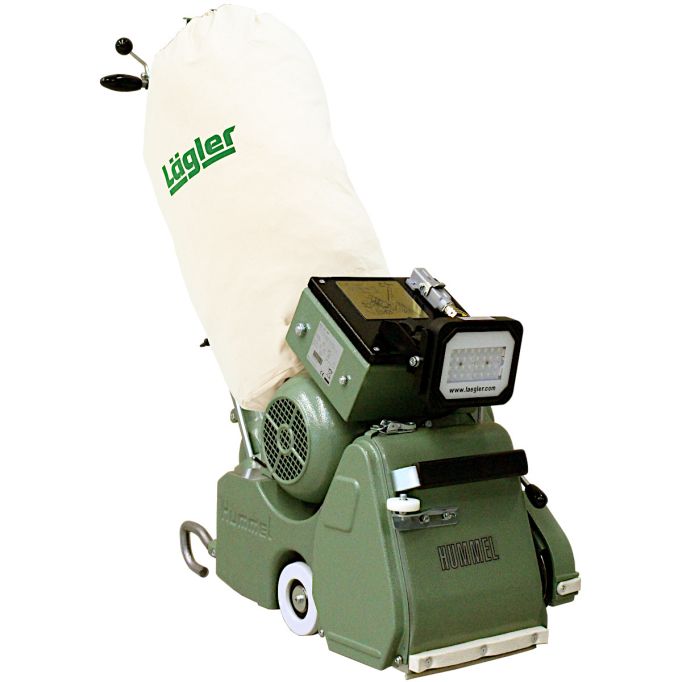
The Fix: Patience is a virtue. If your floors are reacting to a humidity swing, the first step is to stabilize the environment. Bring the humidity back to 45%, use fans to circulate air, and wait. It can take weeks or even months for wood to "settle" back to its original shape. Only after the floor has stabilized should you consider restoration or refinishing. If the damage is severe, like after a pipe burst, you may need professional water extraction before any repairs begin.
7. Neglecting HVAC Maintenance
Your HVAC system is the "lungs" of your home. If your filters are clogged or your A/C coils are dirty, the system can’t effectively manage the air quality or moisture levels. Many people blame the wood for being "low quality" when the real culprit is a struggling air conditioner that can’t keep up with the Chicago heat.
The Fix: Get your seasonal tune-ups. A well-functioning HVAC system is your primary defense against hardwood floor failure. Additionally, consider a smart thermostat that monitors humidity. Some modern systems can be set to run the "Dehumidify" mode even when the temperature is fine, just to keep the air crisp and your floors stable.
The Rovin's Flooring Advantage
At Rovin's Flooring Inc, we’ve been navigating the unique challenges of the Chicago climate for years. Whether you're in a historic bungalow in Oak Park or a modern build in Libertyville, we know that the "perfect" floor starts with the right installation and ends with the right maintenance.
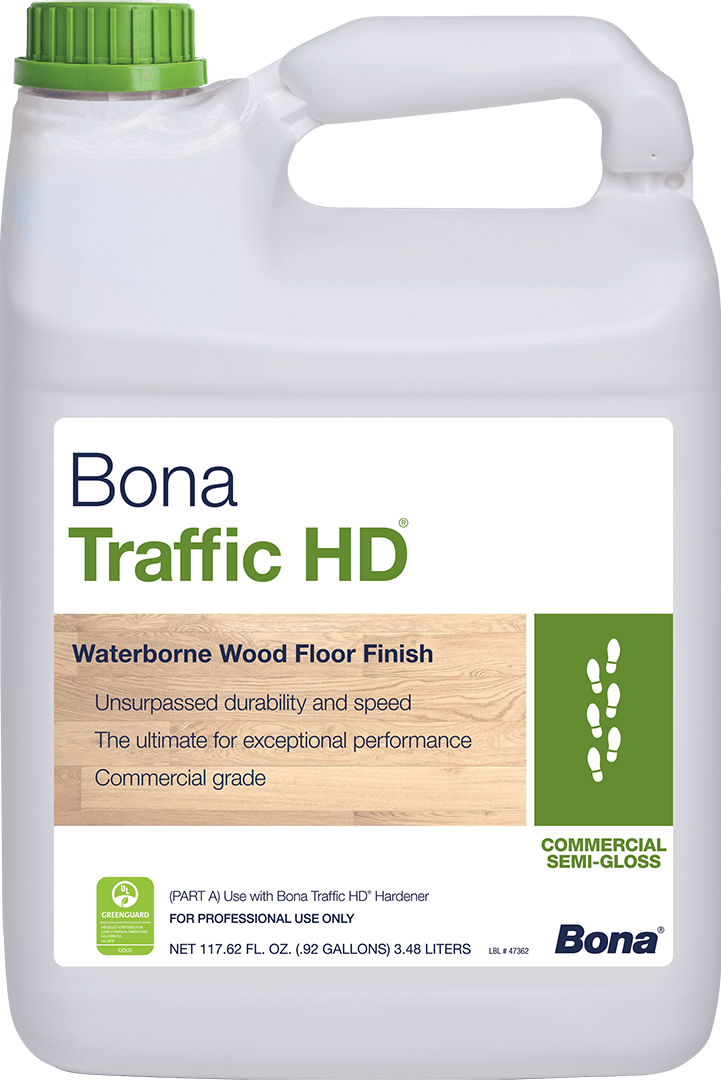
We specialize in high-performance finishes like Bona Traffic HD, which provides a superior barrier against the everyday wear and tear that seasonal shifts can exacerbate.
If you’re noticing gaps, cupping, or just want to ensure your investment lasts a lifetime, don't wait until the next season hits. We serve a 60-mile radius North and West of Chicago, offering everything from staircase installation to full-scale commercial refinishing.
Ready to Protect Your Floors?
Don't let the Chicago weather dictate the lifespan of your hardwood. By avoiding these seven common mistakes, you can keep your floors looking like the day they were installed.
- Need an expert opinion? Get a free estimate today.
- Want to see our work? Browse our gallery of Chicago projects.
- Have a specific question? Contact us directly.
Your hardwood floors are an investment in your home’s beauty and value. Treat them right during the humidity swings, and they’ll take care of you for decades to come.