For the last decade, the "Chicago Look" in interior design was dominated by cool grays, icy whites, and reclaimed barn-wood aesthetics. But if you’ve been scrolling through design catalogs lately, you’ve probably noticed a massive shift. The cold, industrial vibe is out, and warmth is back in a big way. We’re seeing a surge in requests for honey-hued oaks, rich walnuts, and toasted ambers that make a home feel like a sanctuary.
However, achieving that perfect, trendy warm finish isn't as simple as picking a "Golden Oak" can of stain from the local hardware store and slapping it on. At Rovin's Flooring Inc, we’ve seen plenty of DIY attempts and low-budget professional jobs go sideways.
If you’re planning on wood floor sanding or refinishing your Chicago home this year, avoid these seven common mistakes to ensure your floors look like a million bucks: not a DIY disaster.
1. The "Good Enough" Sanding Job
The foundation of a great floor isn't the stain; it's the sanding. Many homeowners (and some less-equipped contractors) use rental equipment that lacks the power and precision to create a truly level surface. If the sanding is uneven, the stain will soak in deeper in some spots than others, leading to a blotchy, amateur look.
At Rovin's Flooring Inc, we don't believe in "good enough." We use the Lägler HUMMEL professional drum floor sander. This German-engineered beast is the gold standard in the industry. It ensures a perfectly smooth, level surface that allows the wood grain to shine through uniformly. Without a professional-grade sander, you’re likely to leave behind "chatter marks" or "pitting" that will become painfully obvious once that beautiful warm stain hits the wood.

2. Not "Popping the Grain" for Darker, Warmer Stains
If you want a rich, deep, warm tone, you cannot skip "water popping." This is a professional technique where we apply a fine mist of water to the floor after the final sanding. This opens up the wood fibers (the grain), allowing them to absorb more pigment.
When you skip this step, the stain often sits on top of the wood or penetrates unevenly, resulting in a finish that looks "thin" or washed out. If you’re aiming for a luxurious, modern warm tone, water popping is the secret sauce that makes the difference between a floor that looks okay and a floor that looks extraordinary.
3. The Red Oak vs. White Oak Guessing Game
One of the biggest mistakes we see in the Chicago area: where Red Oak and White Oak are both incredibly common: is skipping the test patch.
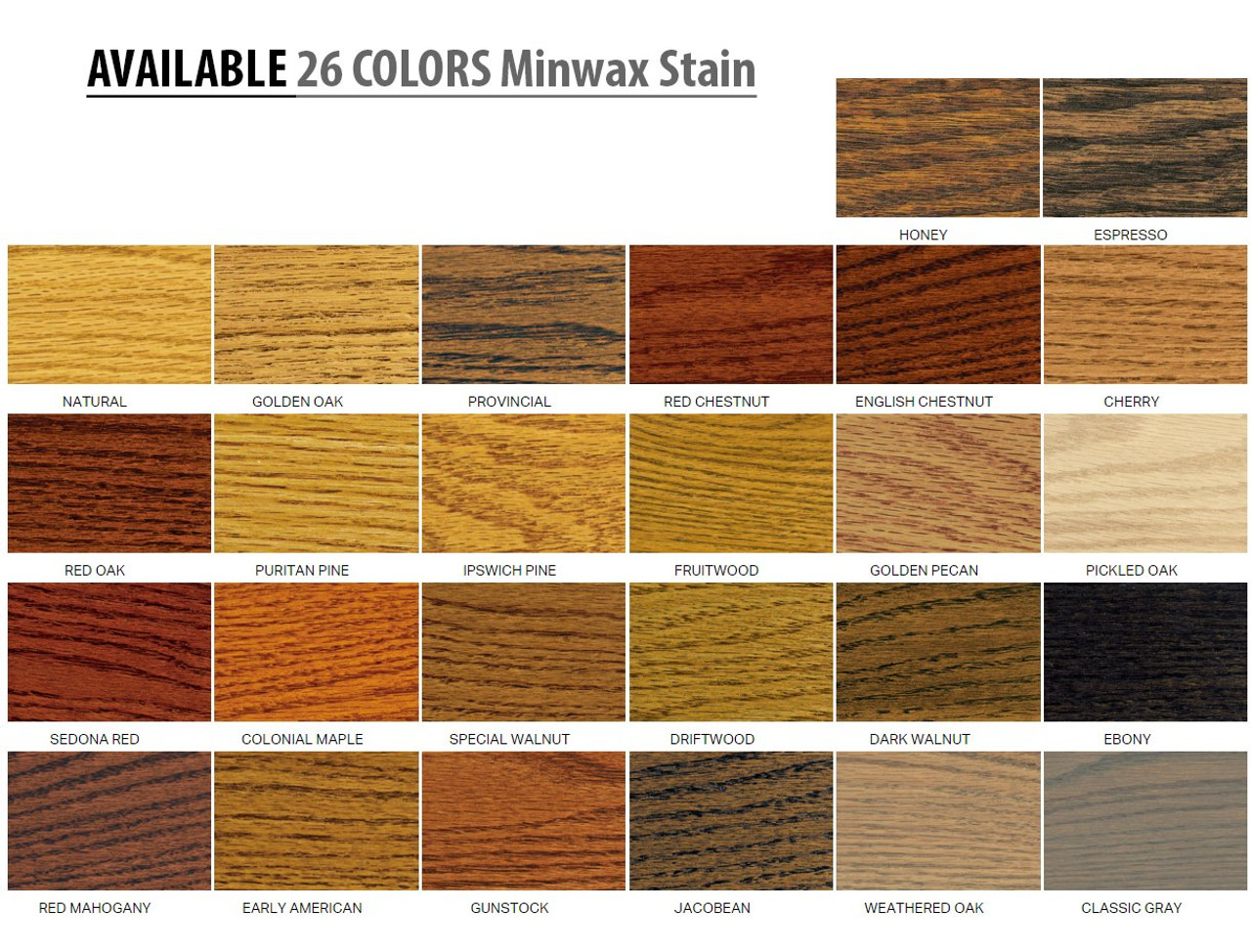
You might see a color you love on a Minwax Stain color chart, but that color will look radically different depending on the species of wood in your home. Red Oak has natural pinkish-red undertones, while White Oak tends to have more golden, olive, or grayish undertones. If you put a warm, orange-based stain on Red Oak, your floor might end up looking like a basketball court. If you put it on White Oak, it might look perfectly toasted.
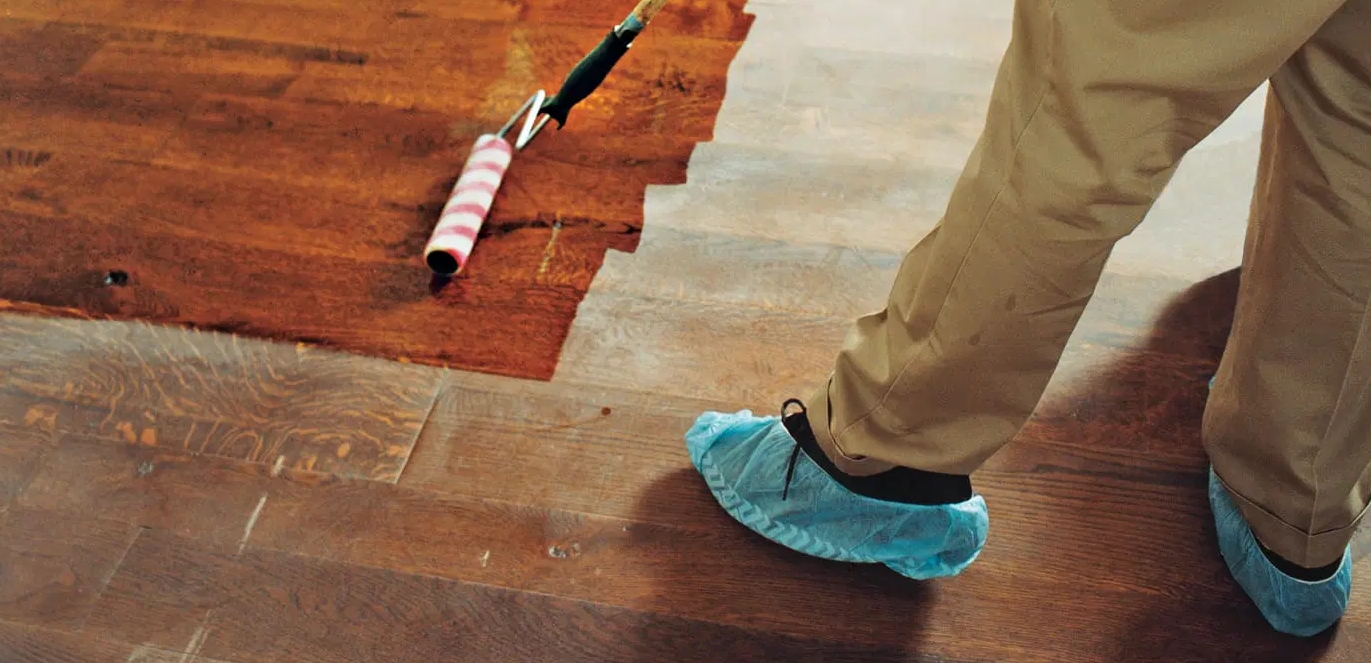
We always recommend testing several stain samples directly on your floor (in a discreet area) before committing. Seeing the stain in your home’s natural lighting is the only way to guarantee you’ll get the look you’re after.
4. Letting the Dust Take Over
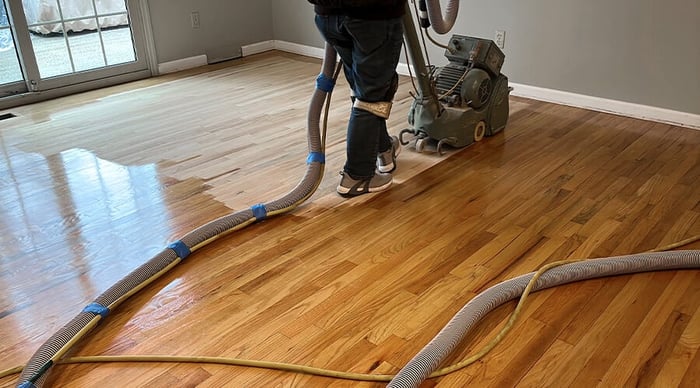
Sanding is a messy business: or at least, it used to be. Old-school sanding methods send clouds of fine sawdust into your vents, your curtains, and even your kitchen cabinets. Worse yet, if even a tiny amount of dust settles on the floor while the finish is drying, it creates a rough, sandpaper-like texture that ruins the "barefoot feel" of your new floors.
This is why we prioritize a dustless hardwood floor sanding system. Our advanced equipment captures the vast majority of dust before it ever has a chance to enter your air. It’s cleaner for your home, healthier for your family, and absolutely essential for a flawless finish.
5. Using Low-Grade Finishes
In the world of floor refinishing, you really do get what you pay for. Many "budget" contractors use cheap, oil-based polyurethanes that take forever to dry, smell terrible, and: most importantly: yellow over time. While you might want a "warm" tone, you don't want a "yellowed, plastic-looking" floor five years from now.
We specialize in high-performance finishes like Bona Traffic HD. It’s a water-based finish that is incredibly durable (perfect for high-traffic Chicago homes with pets and kids) and won't amber or yellow over time. This ensures that the warm stain you picked today stays exactly that color for years to come. Check out our maintenance guide to see how to keep these high-end finishes looking new.
6. Ignoring the Subfloor Condition
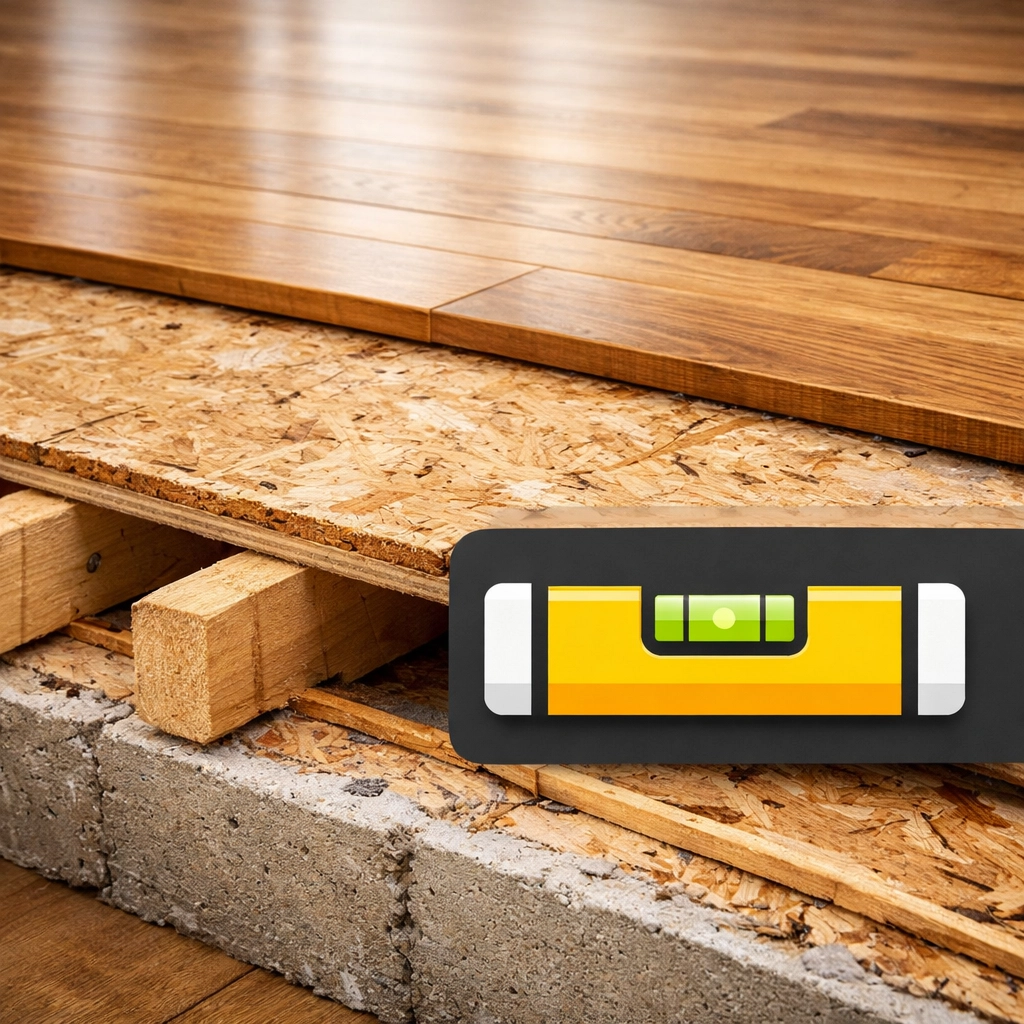
You can spend thousands on the most beautiful White Oak planks and the perfect stain, but if your subfloor is in bad shape, your "new" floors will squeak, dip, and eventually crack.
Before we even think about sanding, we inspect the subfloors. Chicago's older homes often have settling issues or moisture damage that needs to be addressed first. Refinishing a floor that is structurally unsound is like putting a fresh coat of paint on a crumbling wall: it’s a waste of time and money.
7. Rushing the Curing Process in Chicago Humidity
Chicago weather is nothing if not unpredictable. We go from bone-dry winters to incredibly humid summers in a matter of weeks. This fluctuation in humidity plays a massive role in how your floor's finish cures.
If you rush the process: walking on the floors too soon or moving furniture back before the finish has fully hardened: you’re asking for trouble. We always monitor the temperature and humidity during the project to ensure the environment is optimal for the specific products we’re using. Patience is a virtue, especially when it comes to the longevity of your hardwood.
How to Get That Perfect, Trendy Warm Finish
Now that you know what not to do, how do you get that "Pinterest-perfect" warm tone? The current trend is all about "Natural Warmth." We are moving away from the heavy, dark espressos and toward mid-tones that highlight the natural character of the wood.
Pro Tip: Look for stains like Provincial, Early American, or Special Walnut. These provide a sophisticated warmth without being overly red or orange. If you want something even more modern, a "Neutral" or "Raw" look using a high-quality sealer can provide a warm, organic feel without changing the color of the wood much at all.
Why Work With Rovin's Flooring Inc?
I’m Adrian Tiutiu, the president of Rovin's Flooring Inc. I’ve seen enough "DIY fails" to know that flooring is as much a science as it is an art. We’ve built our reputation across Chicago and the surrounding 60-mile radius (specifically serving the North and West suburbs) by combining old-world craftsmanship with the latest technology.
Whether you are looking for a commercial refinishing job or a complete residential overhaul, our goal is to give you floors that don't just look good on day one, but stay beautiful for decades. We understand the unique challenges of Chicago's climate and the specific architectural styles found in our neighborhoods.
Ready to transform your home?
Don’t settle for "good enough" when it comes to the most used surface in your home. Get the dustless, professional, and perfectly toned floors you deserve.
Book a refinishing consultation today and let’s find the perfect warm tone for your space. You can also view our gallery to see the stunning transformations we've completed for your neighbors!