
Wide plank flooring, especially in dramatic species like White Oak or rich Walnut, can transform a home. But here's the thing: those gorgeous 8-inch or 10-inch planks that look incredible on Instagram? They're also incredibly unforgiving when it comes to installation mistakes.
And nowhere is that more true than in Chicago, where we swing from 80% summer humidity to bone-dry 15% winter air. That's a recipe for disaster if you don't know what you're doing.
After years of hardwood floor installation in Chicago and throughout the 60-mile radius extending North and West, we've seen every mistake in the book. Here are the seven biggest ones, and how to fix them before your beautiful investment turns into an expensive problem.
Mistake #1: Treating Chicago's Climate Like It Doesn't Matter
Let's start with the big one: ignoring moisture and humidity issues.
Wood is hygroscopic, which is a fancy way of saying it's constantly absorbing and releasing moisture based on the air around it. In Chicago, that means your floors are dealing with dramatic seasonal swings. Summer brings high humidity (hello, July muggy days), and winter brings forced-air heating that drops indoor humidity to desert levels.
Wide planks amplify these problems. A 2-inch strip floor might expand or contract by a sixteenth of an inch. A 10-inch plank? You're looking at potentially five times that movement.
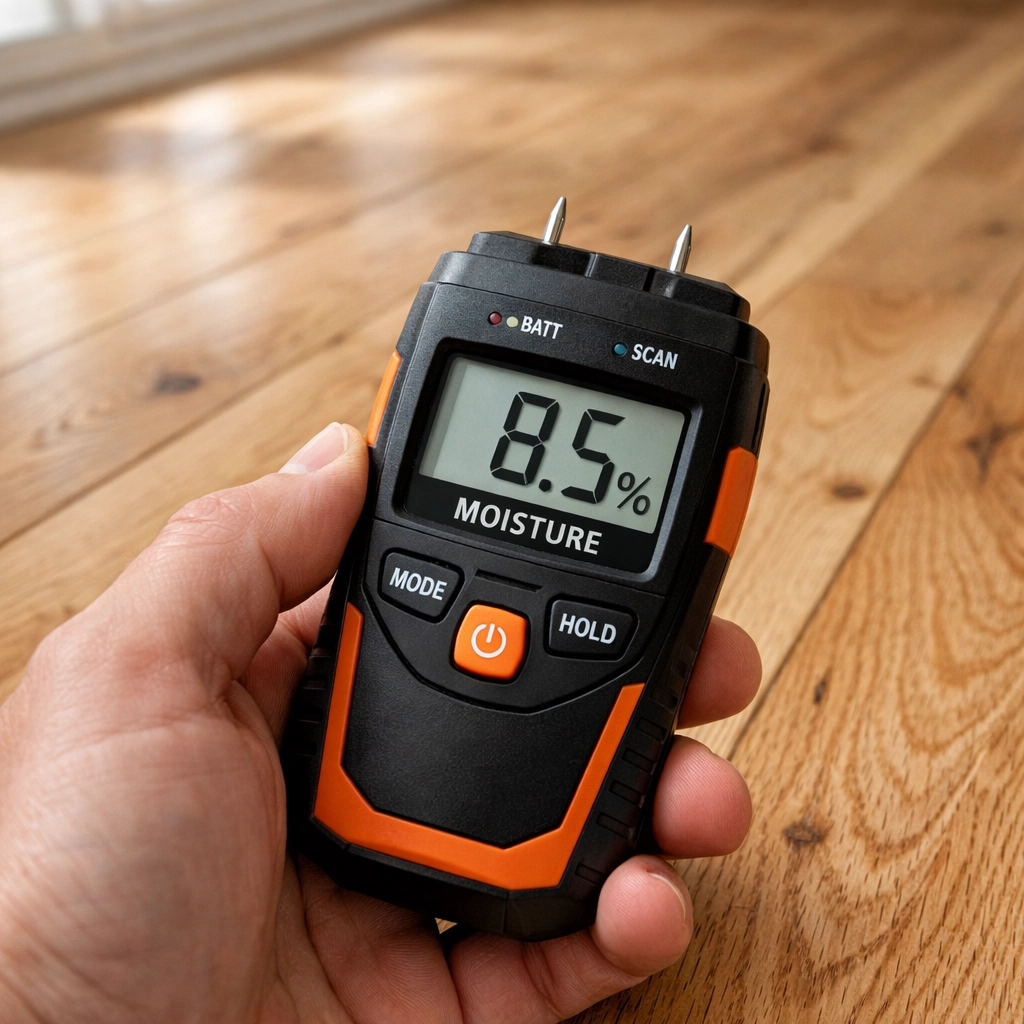
The fix: Before installation, check the moisture content of your flooring with a proper moisture meter. You want it between 6-9% for most Chicago installations, and it should be within 2-4% of your subfloor moisture content. Also, and this is crucial, you need HVAC running at normal living conditions during acclimation. Don't install floors in a house that's 55 degrees and 30% humidity if you're going to live at 70 degrees and 45% humidity.
Mistake #2: Rushing the Acclimation Period (Or Skipping It Entirely)
Here's a common scenario: it's January, you're excited about your new White Oak wide planks, and they get delivered to your heated home. The installer wants to start immediately. You say yes.
Fast forward to next winter: gaps you could fit a nickel into.
The problem is that wood delivered in winter often has higher moisture content than it will have once your heating system runs all season. Those planks will shrink as they dry out over the next 12 months, leaving you with gappy floors every winter.
The fix: Wide planks need at least 7-10 days to acclimate, longer if you're dealing with solid 3/4-inch material. Stack the flooring with spacers between boxes so air can circulate. Run your HVAC at normal living conditions during this time. And if your timeline doesn't allow for proper acclimation, consider engineered hardwood options that are more dimensionally stable.
Mistake #3: Forgetting That Wood Moves (And Needs Room to Do It)
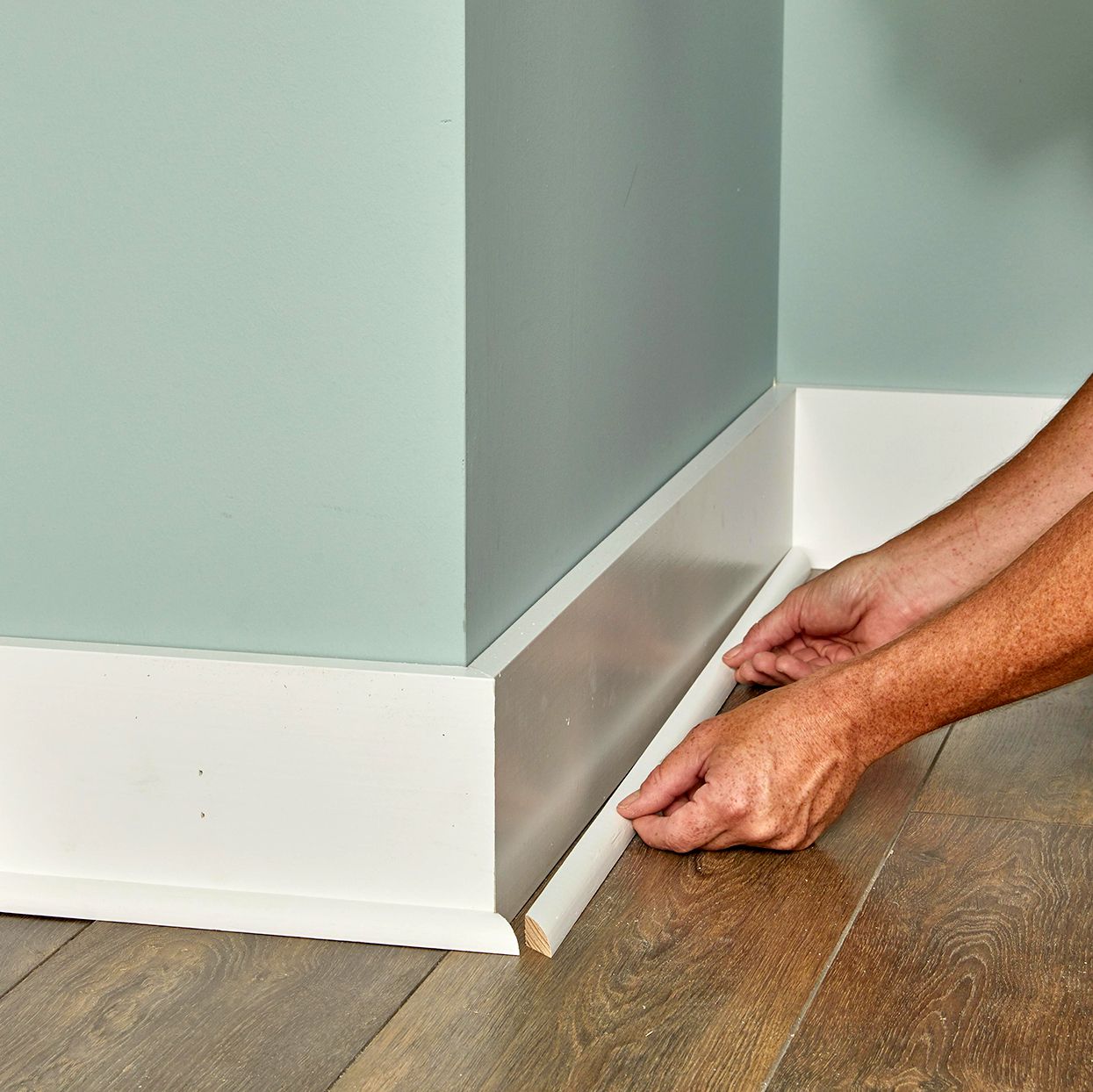
We get it: you want your floors to look seamless, wall-to-wall. But wood needs expansion gaps, especially wide planks in Chicago's volatile climate.
Without adequate gaps (3/4 inch minimum around perimeters, more for wider installations), your floors have nowhere to go when summer humidity hits. The result? Buckling, crowning, or cupping. Once that happens, you're looking at either living with it or tearing everything out and starting over.
The fix: Maintain proper expansion gaps around all fixed objects, walls, cabinets, stairs, hearths. Your installer should be using spacers during installation. And don't let your trim carpenter or painter seal those gaps with caulk. They're there for a reason.
Mistake #4: Poor Layout and Installation Planning
This one drives us crazy because it's so avoidable. Starting your installation from one wall without carefully checking square often means you'll end up with boards running off-angle by the time you reach the opposite wall. In large, open-concept Chicago homes, this becomes glaringly obvious.
Even worse: some installers will start at one end of a long room and work their way across. This creates uneven expansion and contraction patterns. The boards on one side push against the wall while the other side pulls away from its edge.
The fix: Professional installers snap chalk lines and verify square before starting. For rooms longer than 30 feet, consider starting from the middle and working outward using spline. This allows the floor to expand and contract evenly in both directions. Is it more work? Yes. Does it prevent problems down the road? Absolutely.
Mistake #5: Terrible Board Arrangement (Racking)
Walk into a poorly racked floor and you'll know it immediately. H-joints where end seams line up with just one row between them. End joints too close together creating visual "runs." Boards arranged in distracting lightning bolt patterns.
With wide planks, poor racking is even more noticeable because each board has more visual weight. And if your installer doesn't mix boards from multiple bundles, you can end up with color blocking where one section of floor is noticeably lighter or darker than another.
The fix: End joints should be staggered by at least three times the board width (so for 8-inch planks, joints should be at least 24 inches apart in adjacent rows). Open multiple bundles and mix boards together to distribute color variation naturally. And take the time to arrange boards thoughtfully, putting the best faces in high-traffic, visible areas and saving character boards with more knots or color variation for closets or under furniture.
Mistake #6: Skimping on Fastening or Using the Wrong Installation Method
Here's where wide planks get tricky. They need more holding power than standard strip flooring because there's more surface area trying to move with seasonal changes.
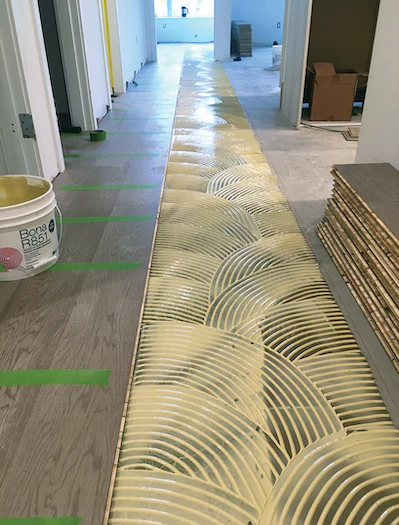
Some installers try to save time by nailing every other board, or putting fewer fasteners per board than required. Others use standard nail-down methods when a glue-assist installation would be far more appropriate for the plank width and species.
Walnut, for example, is softer and benefits greatly from glue-assist. White Oak wide planks in Chicago? Definitely consider glue-down or glue-assist to combat seasonal movement.
The fix: Follow manufacturer fastening schedules religiously. For planks over 5 inches wide, glue-assist installation (combining nails with adhesive) provides much better long-term stability. Full glue-down engineered installations eliminate nail pops entirely and can better handle Chicago's humidity swings. Yes, it costs more. No, it's not optional if you want floors that last.
Mistake #7: Choosing the Wrong Materials or Cutting Corners on Quality
Not all wide plank flooring is created equal. Thin-veneer engineered products with 1-2mm wear layers can't be refinished when they eventually wear or get damaged. Cheap imported materials may not be properly kiln-dried, leading to instability from day one.
And then there's the subfloor preparation issue. Installing beautiful Walnut wide planks over a subfloor that's not flat, clean, and properly prepared? You're building a beautiful floor on a terrible foundation.
The fix: Invest in quality materials suitable for wood flooring in Chicago's climate. For engineered products, look for 4mm+ wear layers that can be refinished multiple times. For solid wood, verify it's been properly kiln-dried and is at the correct moisture content for your region.
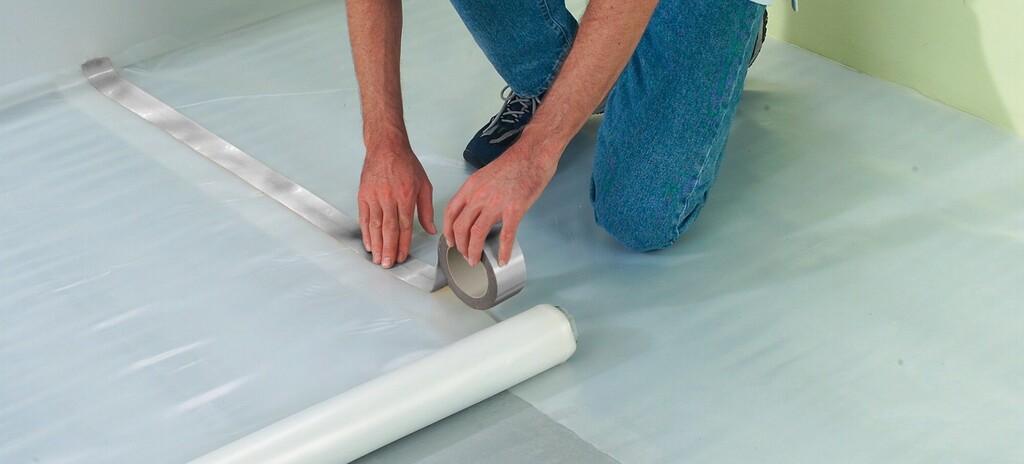
Equally important: don't skip subfloor prep. The subfloor must be flat to 3/16 inch over 10 feet (or tighter for longer planks). It must be clean, dry, and structurally sound. For concrete subfloors, moisture testing is non-negotiable: especially in Chicago basements or first-floor installations.
The Bottom Line
Wide plank flooring is stunning. But it demands respect: especially in Chicago's challenging climate zone. Rush the installation, skip acclimation, or ignore humidity control, and you're setting yourself up for problems that will cost thousands to fix.
The good news? With proper planning, quality materials, and professional installation techniques that account for our seasonal humidity swings, wide plank floors can last for decades. White Oak, Walnut, Hickory: all of these species perform beautifully in Chicago when installed correctly.
If you're planning a hardwood floor installation in Chicago or within 60 miles North and West, make sure your installer asks about moisture testing, acclimation timelines, HVAC conditions, and installation methods. If they gloss over these details? Find someone else.
Want to discuss your wide plank flooring project? Get in touch with our team. We've been installing and refinishing hardwood floors throughout the Chicago area for years, and we'd be happy to walk you through what your specific project needs.