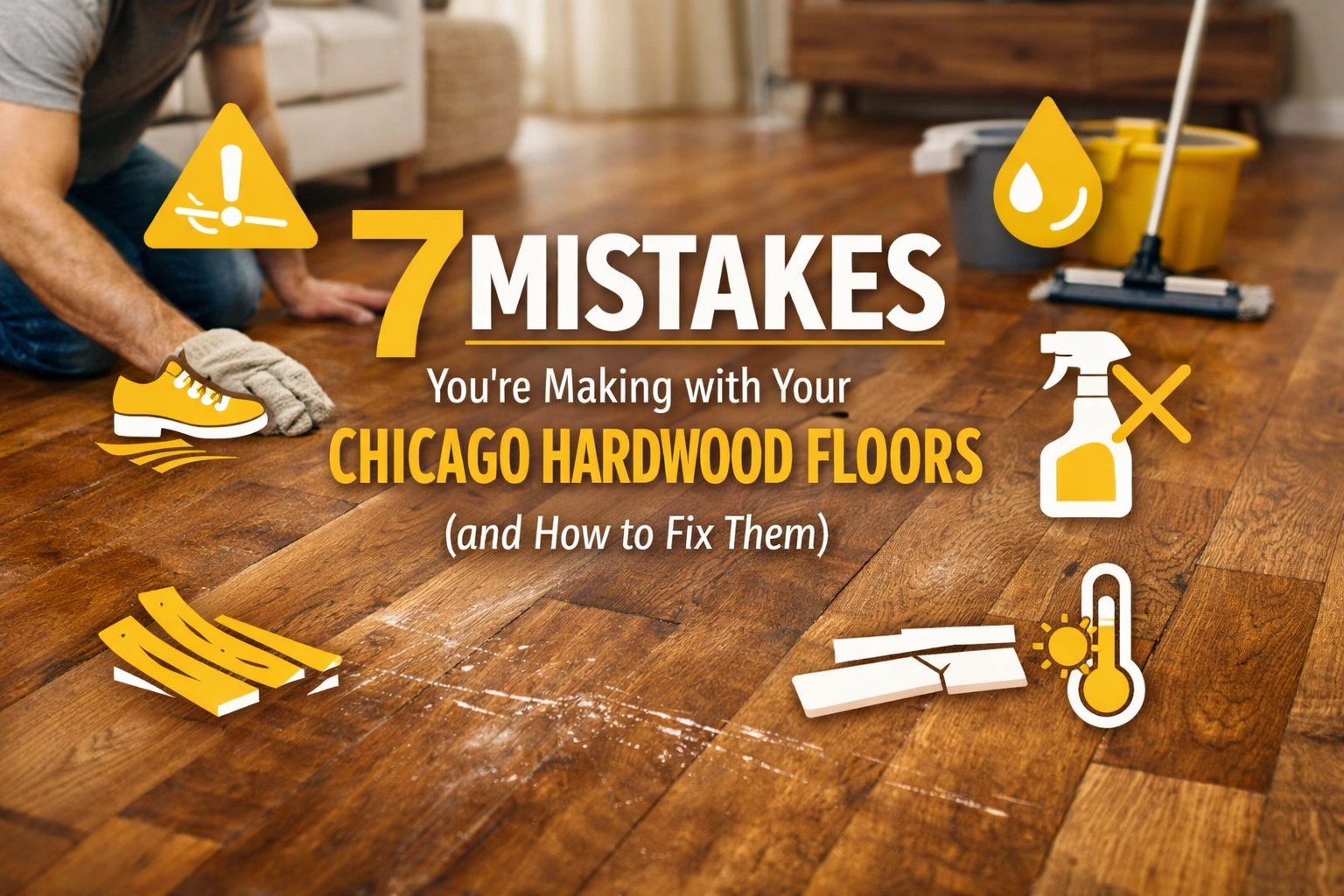
If you live in Chicago or the surrounding North and West suburbs, you know that our weather is anything but predictable. From the bone-chilling, dry winters to the humid, sticky summers off Lake Michigan, our homes go through a lot. Your hardwood floors are no exception.
I’m Adrian Tiutiu, president of Rovin's Flooring Inc., and after years of installing and refinishing floors across the Chicago area, I’ve seen it all. I’ve seen beautiful white oak floors ruined by a "natural" cleaning hack found on Pinterest, and expensive walnut planks buckled because a humidifier wasn't turned on in January.
Hardwood floors are an investment: likely one of the biggest in your home. But honestly, most homeowners are accidentally shortening the lifespan of their wood floors every single day. Here are the seven biggest mistakes I see Chicagoans making with their hardwood, and more importantly, how you can fix them before they turn into a permanent (and expensive) headache.
1. Using the "Old School" Vinegar and Water Solution
This is the number one mistake I see. People think that because vinegar is "natural" and "eco-friendly," it’s perfect for cleaning wood. In reality, vinegar is an acid. Over time, that acidity eats away at the protective finish of your floor. It starts with the floor looking a bit dull, and before you know it, you’ve etched the surface so badly that no amount of buffing will bring the shine back.
The Fix:
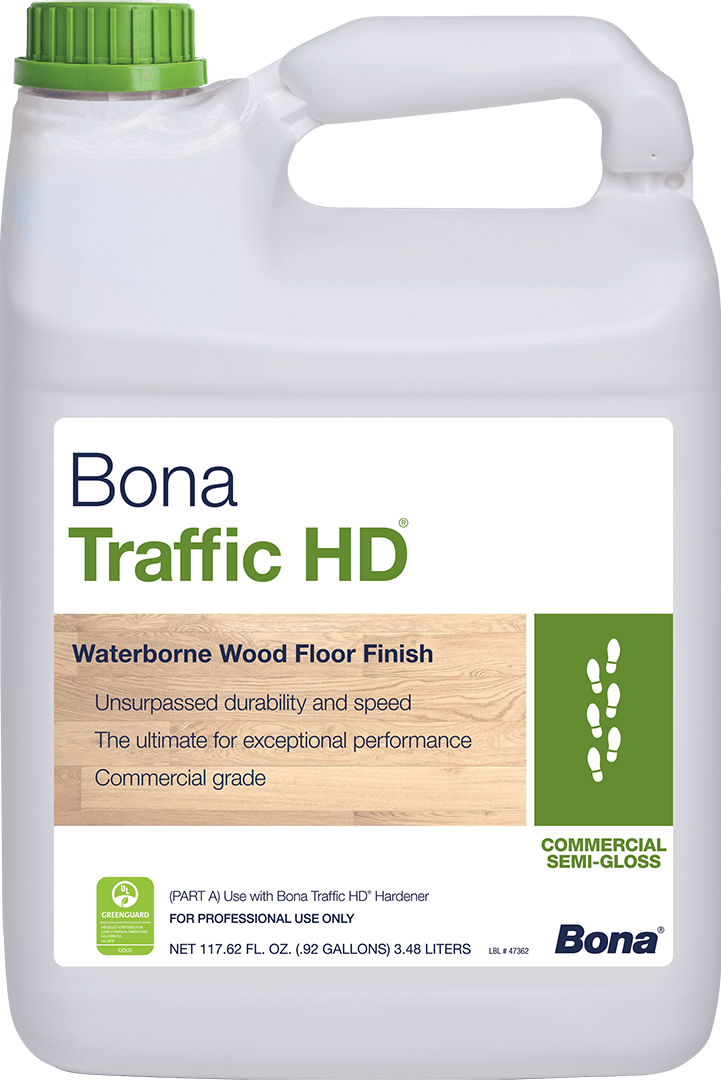
Stop the DIY kitchen concoctions. Instead, use a pH-neutral cleaner specifically formulated for hardwood. We always recommend products like Bona Traffic HD for professional-grade protection. A simple spray-and-mop routine with a microfiber pad is all you need. If you want your floors to look like they did on day one, skip the steam mops too: they force moisture into the wood fibers, which is a recipe for disaster.
2. Ignoring the "Chicago Humidity Rollercoaster"
In Chicago, our indoor humidity can swing from 10% in the winter to 70% in the summer. Wood is a living material; it breathes. When it’s dry, it shrinks (leading to gaps). When it’s humid, it expands (leading to cupping or crowning). If you aren't managing your indoor humidity, you are essentially asking your floors to break.
The Fix:
You need to keep your home between 35% and 55% humidity year-round. In the winter, a whole-home humidifier is your floor’s best friend. In the summer, keep the AC or a dehumidifier running. If you start seeing gaps in February, don't panic: they usually close up by July. But if they don't, or if you see the edges of the planks lifting (cupping), it’s time to call in a pro. You can check out our guide on temperature and wood for more specifics on protecting your investment.
3. Letting the "Lake Effect" Inside (Water Damage)
Whether it’s melting snow from your boots in December or a leaky dishwasher in May, water is the mortal enemy of hardwood. I’ve walked into many homes in the West suburbs where a simple "oops" with a plant pot turned into a $5,000 repair job. Standing water seeps into the grain and causes permanent staining and warping.
The Fix:
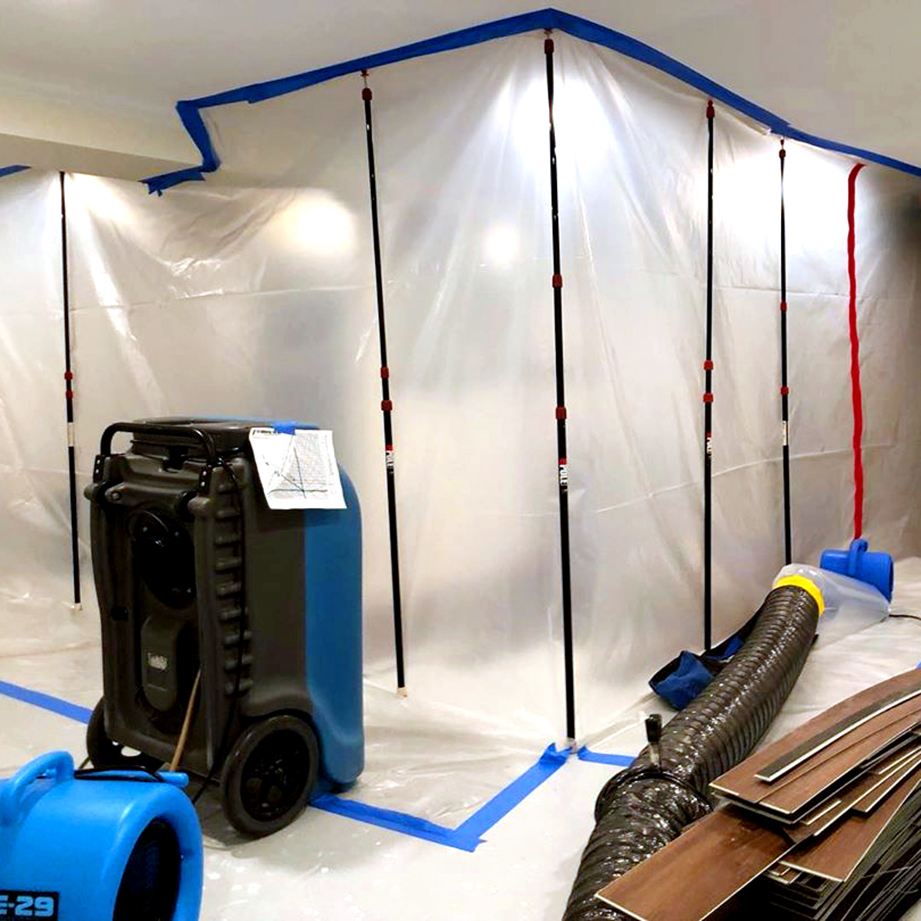
Place high-quality mats at every entrance to catch snow, salt, and rain. If you have houseplants, never put them directly on the wood; use a tray with a stand to allow airflow underneath. If you do experience a major leak, don't wait. We specialize in water extraction and restoration to save floors before they need a full replacement.
4. Using the Wrong Rug Pads
You might think you’re protecting your floor by putting down a beautiful area rug, but the pad underneath could be doing more harm than good. Cheap rubber or plastic-backed pads can react chemically with the floor's finish, leaving a cloudy, permanent honeycomb pattern on the wood. Even worse, they trap moisture against the wood, preventing it from "breathing."
The Fix:
Look for rug pads made of felt or a combination of felt and natural rubber. These are "breathable" and won't stick to your finish. It’s a small price to pay to avoid having to sand down your entire living room because of a $20 rug pad. Speaking of living rooms, if you’re looking for inspiration on how to style your space, check out the latest hardwood trends for 2026.
5. Forgetting the "Felt Feet" on Furniture
It sounds simple, but you’d be surprised how many homeowners move a couch or a dining chair and leave a deep gouge in their red oak floors. In Chicago, we love our heavy, solid wood furniture, but those legs act like sandpaper every time someone sits down.
The Fix:
Buy a bulk pack of heavy-duty felt pads and put them on everything. Chairs, tables, sofas, even the TV stand. Check them every few months: they tend to collect hair and grit, which can actually become abrasive itself over time. If you’ve already got a few deep scratches, you might need a professional repair rather than a simple DIY touch-up.
6. The "Beater Bar" Vacuum Mistake
Most vacuums are designed for carpet. The "beater bar" (that rotating brush at the bottom) is meant to agitate carpet fibers. On a hardwood floor, it’s basically a high-speed scratching machine. I’ve seen beautiful floors in the North Shore areas that looked dull way too early because of daily vacuuming with the wrong setting.
The Fix:
If you’re vacuuming wood, turn the beater bar off. Use the hard-floor setting or a soft brush attachment. Better yet, use a high-quality dust mop. It picks up the fine grit that acts like sandpaper under your feet without the risk of mechanical damage.
7. Ignoring UV Fading
Does your floor look different when you move your area rug? That’s UV damage. Chicago gets some intense sun, especially in those big, beautiful open-concept homes. Over time, sunlight bleaches the natural pigments in the wood and can even change the color of the stain.
The Fix:
Use curtains, blinds, or UV-resistant window film to block the harshest rays during the day. If the damage is already done, the only real fix is a professional sanding and refinishing. When we refinish floors, we can use modern stains and finishes that offer better UV protection than the products used twenty years ago.
When Should You Call the Pros?
Sometimes, the mistakes have gone on a little too long, or you’ve just moved into a vintage Chicago bungalow where the floors haven't seen love since the 90s. If your floors have deep scratches, graying areas (where the finish is gone and the wood is exposed), or significant water damage, it’s time to stop the DIY fixes.
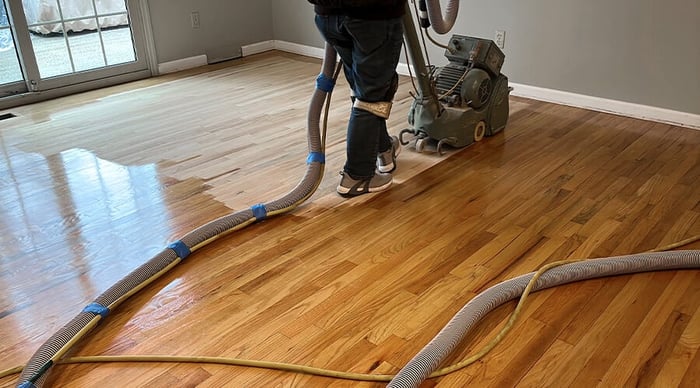
At Rovin's Flooring Inc., we’ve spent years perfecting the art of dustless sanding and refinishing. We serve the entire Chicago area, specifically focusing on the North and West suburbs (everything from Evanston and Skokie out to Naperville and Elgin).
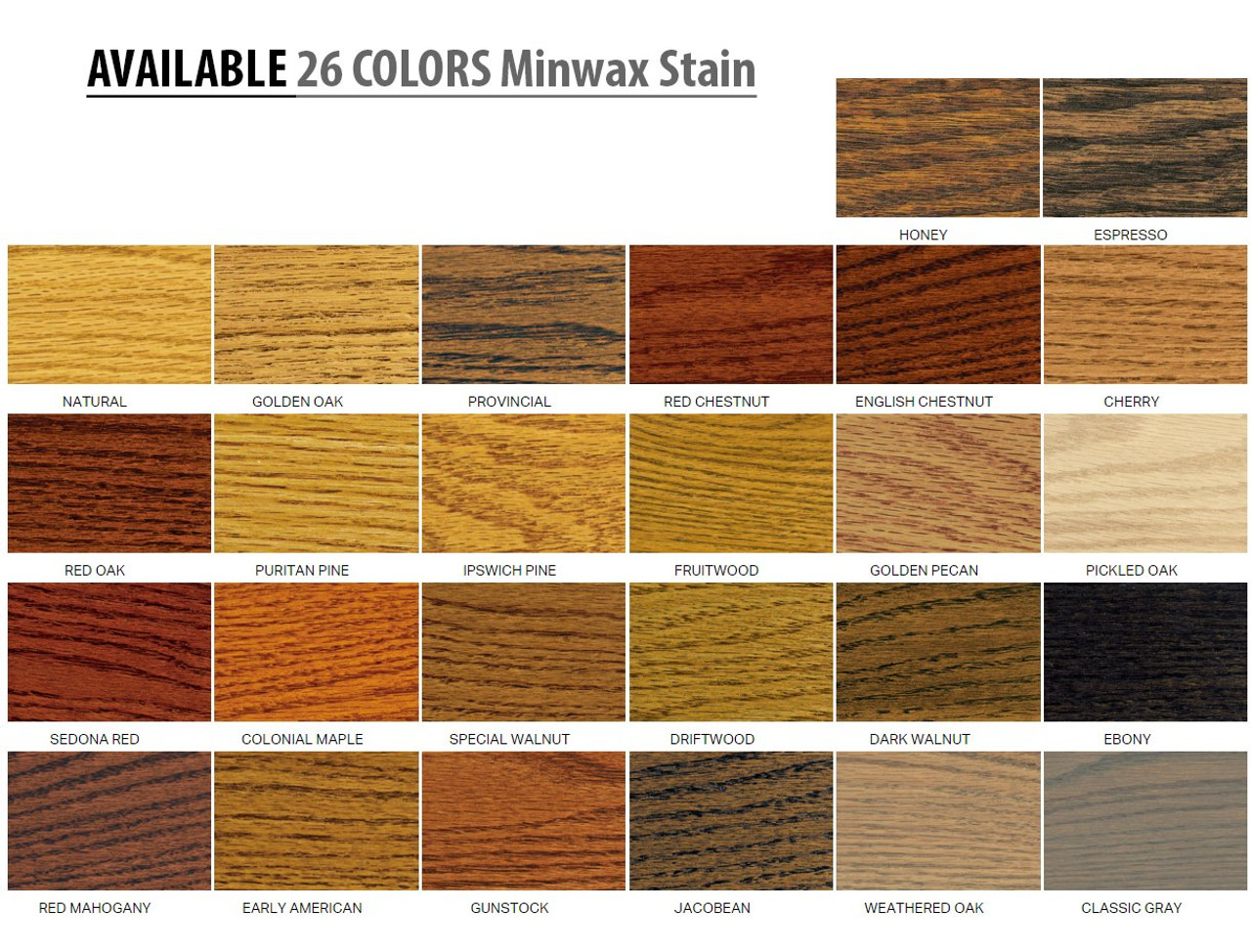
We can help you choose a new look that fits the 2026 trends: maybe a light, airy white oak or a classic, rich walnut. You can see some of our work in our gallery or check out our stain color chart to see the possibilities.
Final Thoughts from Adrian
Your floors are the foundation of your home's aesthetic. They take a beating from the Chicago elements, the kids, and the pets, but with the right care, they can last a lifetime. Avoid the vinegar, watch your humidity, and keep the water at bay.
If you’re worried about the state of your floors, or you’re ready to give your home a total refresh, don't hesitate to reach out. We offer free estimates and would love to help you bring your hardwood back to life. Whether it’s a residential living room or a commercial restoration, we treat every floor like it’s in our own home.
Give us a call or visit our contact page to schedule a consultation. Let’s make sure your floors are ready for whatever the next Chicago winter throws at them!