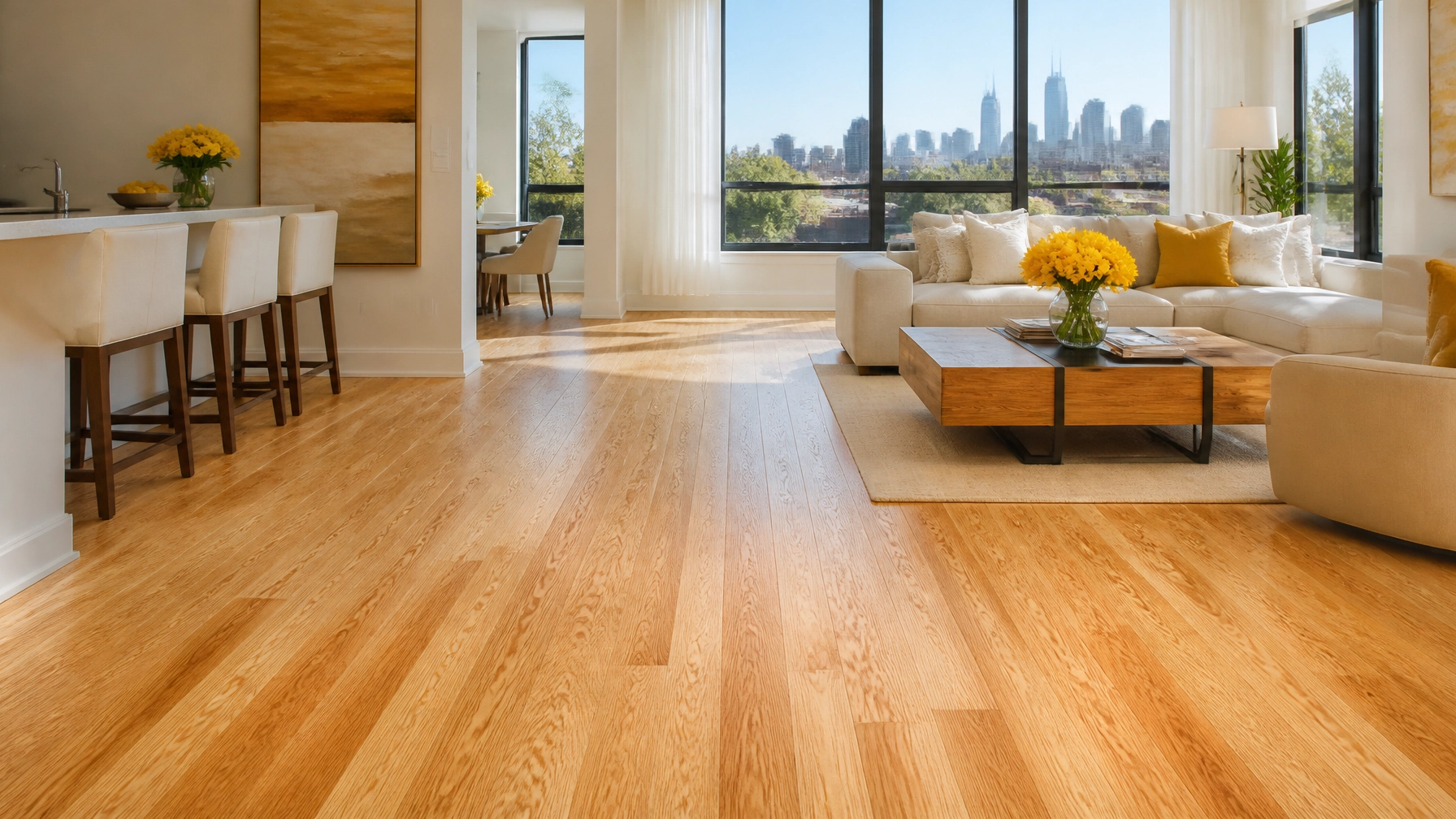
If you’ve lived in Chicago for more than a few seasons, you know our city doesn’t do "mild." We get the freezing winters, the humid summers, and that weird week in October where it feels like both. While we’re busy swapping out our wardrobes, our hardwood floors in Chicago are doing a lot of heavy lifting behind the scenes.
Most homeowners think that once the floor is installed, the job is done. But there’s a whole world of "insider secrets" that flooring pros use to keep those boards looking pristine for decades. Whether you’re dealing with a historic bungalow in Oak Park or a modern condo in Evanston, understanding these secrets can save you thousands in repairs.
Today, we’re pulling back the curtain on the best-kept secrets of the Chicago hardwood world: from the truth about humidity to the specialized art of engineered hardwood floor repair.
1. The Humidity Secret: Your Floor is Breathing
In Chicago, the climate is the #1 enemy of your wood floors. Most people don’t realize that wood is hygroscopic, meaning it acts like a sponge. When it’s humid in July, it expands; when the radiator kicks on in January, it shrinks.
The "secret" local experts use? Maintaining a consistent indoor relative humidity (RH) between 30% and 50%. If you let your home drop below 30% in the winter, you’ll start seeing gaps between your planks. If it gets too humid, you might see "cupping," where the edges of the boards sit higher than the center.
We always tell our clients: if you’re uncomfortable, your floors are probably miserable too. Investing in a whole-house humidifier is often the best "flooring insurance" you can buy. You can learn more about how temperature affects your investment on our temperature and humidity guide.
2. Engineered Hardwood Floor Repair: The "Fix or Replace" Dilemma
Engineered hardwood is a favorite in the Chicago area because its layered construction makes it more stable during those humidity swings we just talked about. However, a common myth is that once an engineered floor is scratched or water-damaged, it’s toast.
The Secret: Many high-quality engineered floors can be repaired or even refinished, provided the "wear layer" (the top real wood slice) is thick enough.
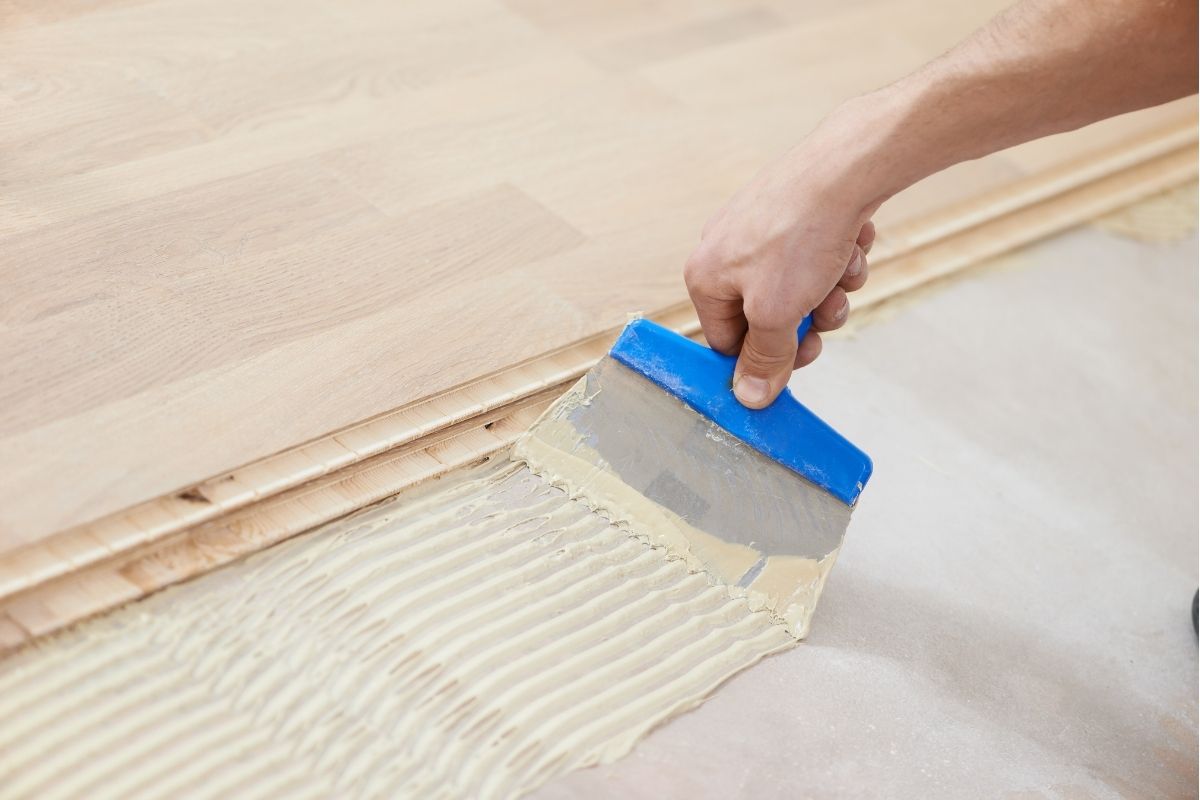
If you have a deep gouge or a board that’s buckled due to a leak, you don’t always need to rip out the whole room. Our specialists often perform surgical engineered hardwood floor repair by carefully removing the damaged planks and "glue-patching" in new ones. The key is matching the sheen and grain, which is where professional experience really shines. If your floor was a glue-down installation over a concrete slab: common in many North-side high-rises: the repair process is even more technical, requiring specific adhesives like Bona R851 to ensure a permanent bond.
3. Dustless Sanding: It’s Not Just for Cleanliness
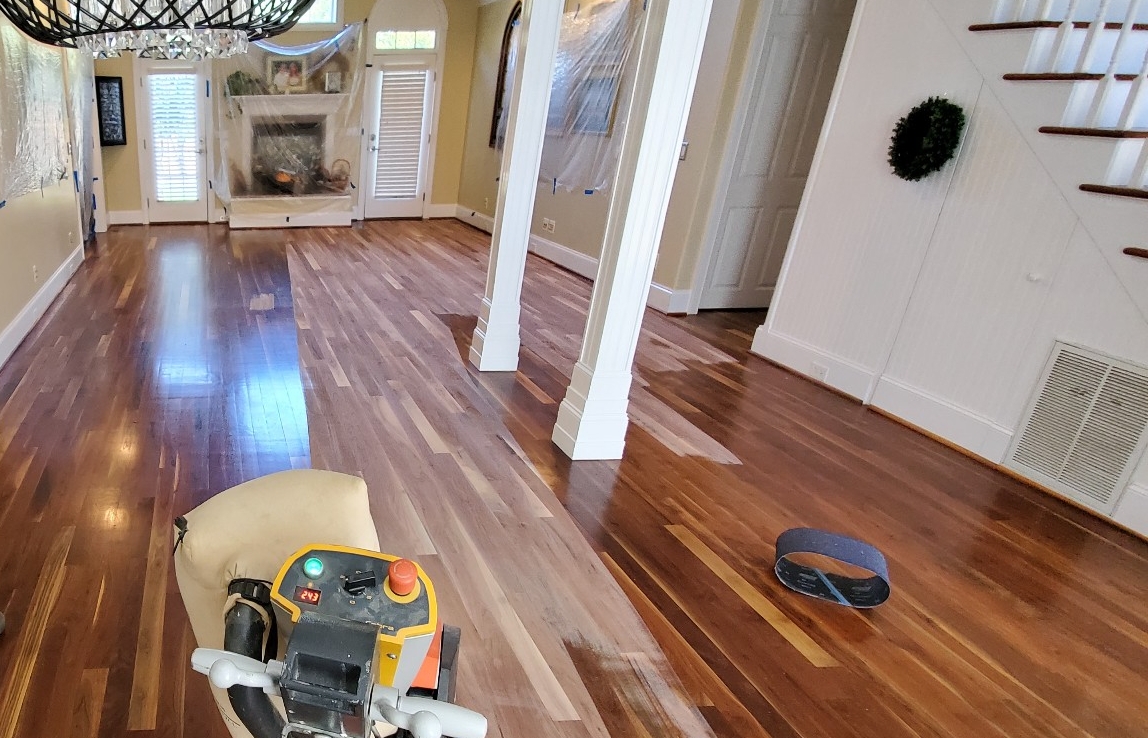
Back in the day, refinishing your floors meant finding dust in your cereal bowls six months later. Modern Chicago experts have moved on to technologically advanced, dustless sanding systems.
But here’s the secret: Dustless sanding isn't just about keeping your house clean. It actually results in a superior finish. When there’s dust floating in the air, it inevitably settles into the wet stain or polyurethane, creating tiny bumps and imperfections. By using high-powered vacuums connected directly to the sanding equipment, we ensure the wood surface is perfectly "surgical" before the first coat of finish hits the floor.
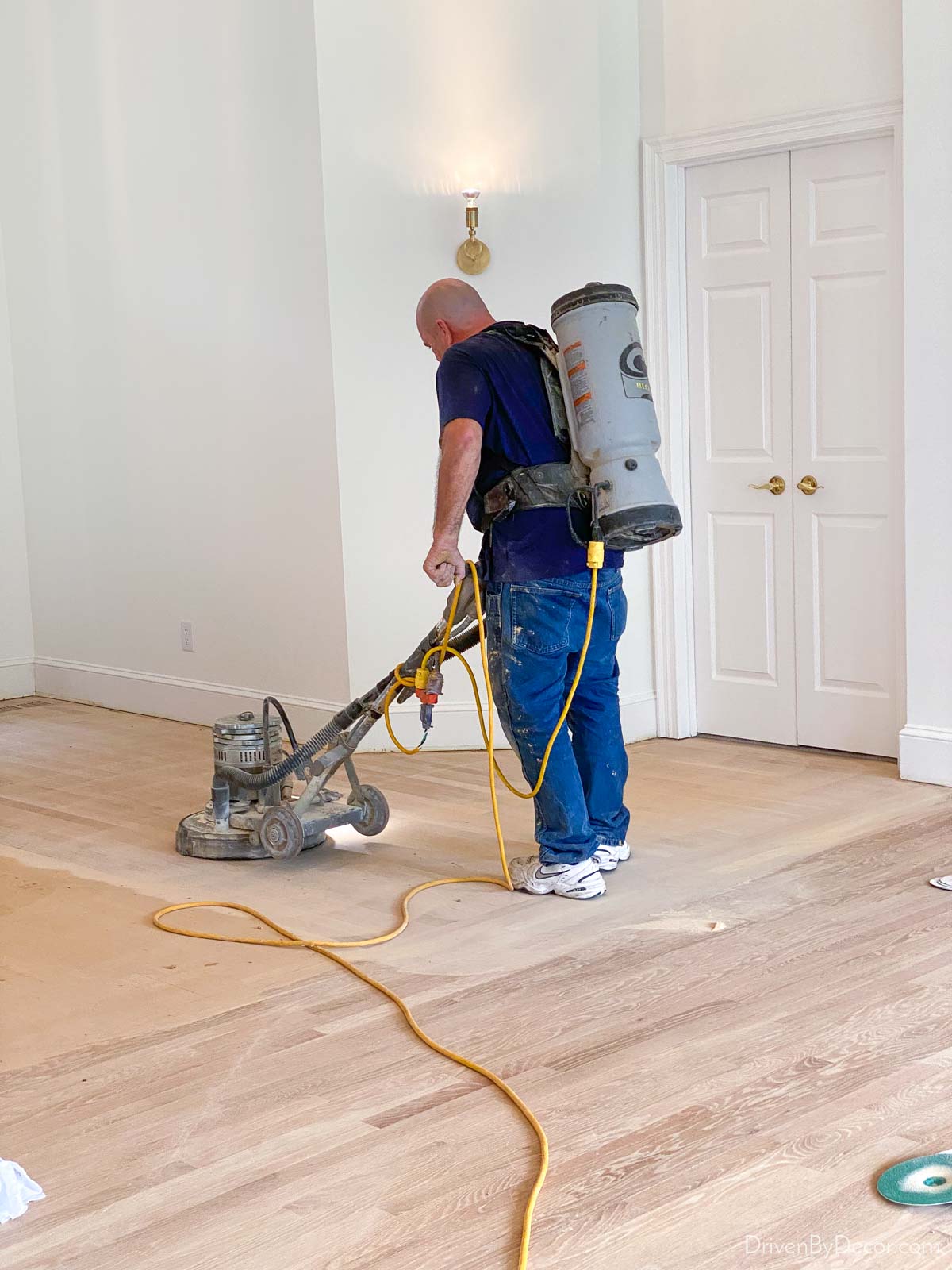
If you're considering a refresh, our wood floor sanding services utilize this exact technology to keep your home breathable and your floors smooth as glass.
4. The Finish Secret: Water-Based vs. Oil-Based
When you’re looking at hardwood floors in Chicago, you’ll likely be asked which finish you want. Most old-school contractors still push oil-based finishes because they’re cheaper.
The Insider Secret: Water-based finishes (like the premium ones we use at Rovin’s) have evolved to be tougher than oil, and they won't turn yellow (amber) over time. Plus, they dry in hours, not days. If you’re living in your home during the project, water-based finishes are a game-changer because they have significantly lower VOCs (fumes).
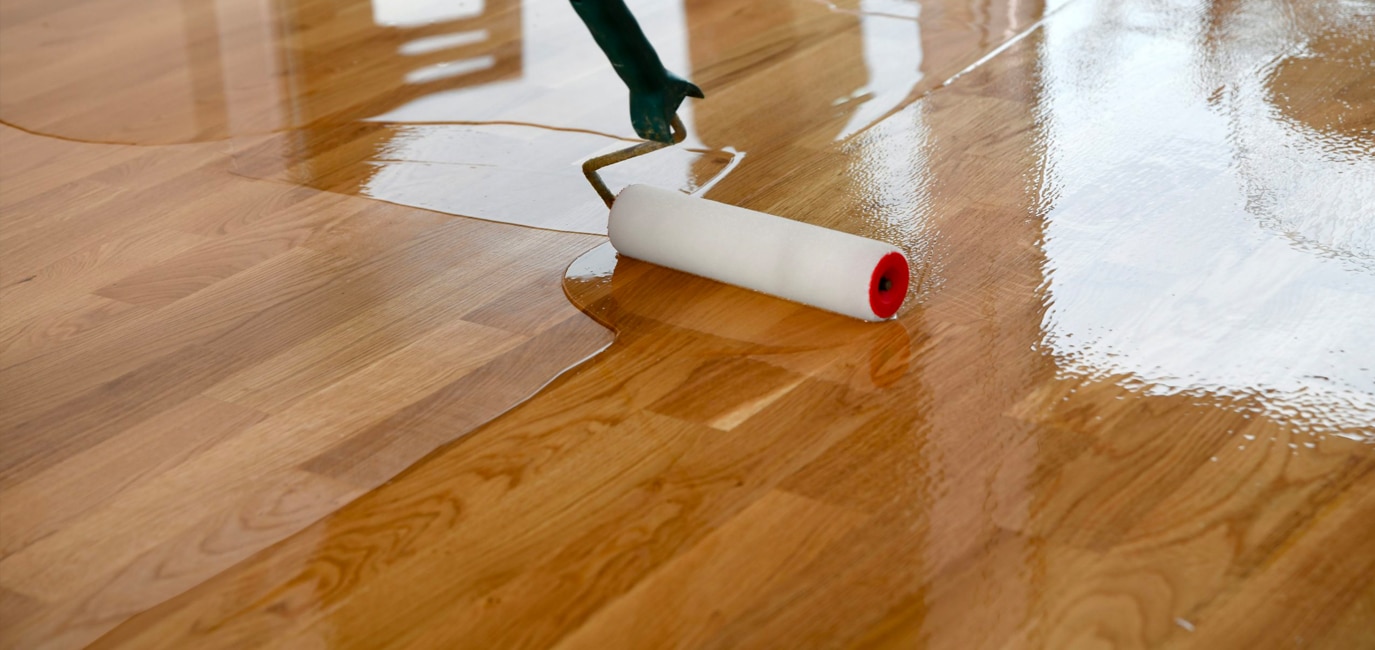
While oil-based finishes give a traditional "amber" glow, water-based finishes keep the wood looking natural and modern. If you want that trendy "Scandinavian" or "Antique" look, the finish choice is actually more important than the wood species itself. Check out our commercial refinishing insights to see how these durable finishes stand up to even the heaviest foot traffic.
5. Species Selection: Beyond Just "Oak"
While Red Oak and White Oak are the kings of the Midwest, Chicagoans have access to over 20 unique species. From the deep, rich tones of Brazilian Cherry to the modern, sustainable vibe of Bamboo, the wood you choose dictates the "personality" of your home.
The Secret: If you have big dogs or a busy household, look at the Janka Hardness Scale. Some "exotic" woods are incredibly beautiful but can be softer than traditional domestic species. On the flip side, something like Hickory or Hard Maple is tough enough to handle a pack of Golden Retrievers. We dive deep into the pros and cons of different wood types on our materials page.
6. The "Chicago Salt Slush" Survival Guide
Our winters are brutal, and the salt used on Chicago sidewalks is a hardwood floor’s worst nightmare. Salt is abrasive (it scratches the finish) and it’s a desiccant (it sucks the moisture out of the wood).
The Secret: Entryway mats are not enough. You need a "two-mat system": one heavy-duty bristle mat outside to knock off the chunks, and one absorbent, non-rubber-backed rug inside to soak up the brine.
Never use "mop and glow" products or oil soaps. They leave a waxy residue that makes it impossible to do a simple "screen and recoat" later on. Instead, use a pH-neutral cleaner specifically designed for hardwood. For more professional maintenance hacks, visit our maintenance guide.
Why Local Expertise Matters
There are plenty of "handymen" who will offer to sand your floors for a bargain price, but Chicago flooring is a specialized craft. Between the high-rise concrete slabs and the century-old joists in suburban homes, every project has a secret of its own.
At Rovin’s Flooring Inc., we’ve spent years mastering these secrets. We serve a 60-mile radius around Chicago, focusing specifically on our neighbors to the North and West. Whether you’re in Arlington Heights, Schaumburg, Northbrook, or the heart of the city, we bring the advanced equipment and seasoned expertise needed to handle everything from intricate staircases to emergency water damage repairs.
If your floors are starting to show their age, or if you're ready to upgrade to the timeless beauty of real wood, don't leave it to chance. Let us help you reveal the hidden potential of your home.
Ready to start your project? Get an estimate today and see the difference that professional Chicago craftsmanship makes.