If you're a Chicago homeowner thinking about hardwood floors, you're in good company. From vintage bungalows in Logan Square to modern condos in the Loop, hardwood flooring has been a staple of Chicago homes for over a century. But before you dive into your flooring project, there are some Windy City-specific considerations you need to know.
Let's break down everything from choosing the right wood species to surviving those brutal Chicago winters: all while keeping your floors looking gorgeous for decades to come.
Why Hardwood Flooring Works So Well in Chicago Homes
Chicago's architectural landscape is unique. We've got historic Victorians, classic Chicago bungalows, mid-century ranches, and contemporary high-rises. Hardwood flooring complements all of these styles beautifully while adding tangible value to your property.
But here's the thing: Chicago's climate is no joke. We're talking temperature swings from -10°F in January to 95°F in July, plus humidity that fluctuates wildly throughout the year. Your flooring needs to handle these conditions without warping, cracking, or buckling.
Engineered vs. Solid Hardwood: What's Best for Chicago?
This is probably the first decision you'll face, and it's an important one.
Solid hardwood is exactly what it sounds like: planks made from a single piece of wood, typically ¾ inch thick. It's the traditional choice, and it can be sanded and refinished multiple times over its lifetime (we're talking 50+ years with proper care). However, solid hardwood is more susceptible to expansion and contraction with humidity changes.
Engineered hardwood consists of a real hardwood veneer on top of multiple layers of plywood or high-density fiberboard. This construction makes it more dimensionally stable, meaning it handles Chicago's humidity swings better than solid wood. It's also typically easier to install and works well in basements and over radiant heating systems: common in many Chicago homes.
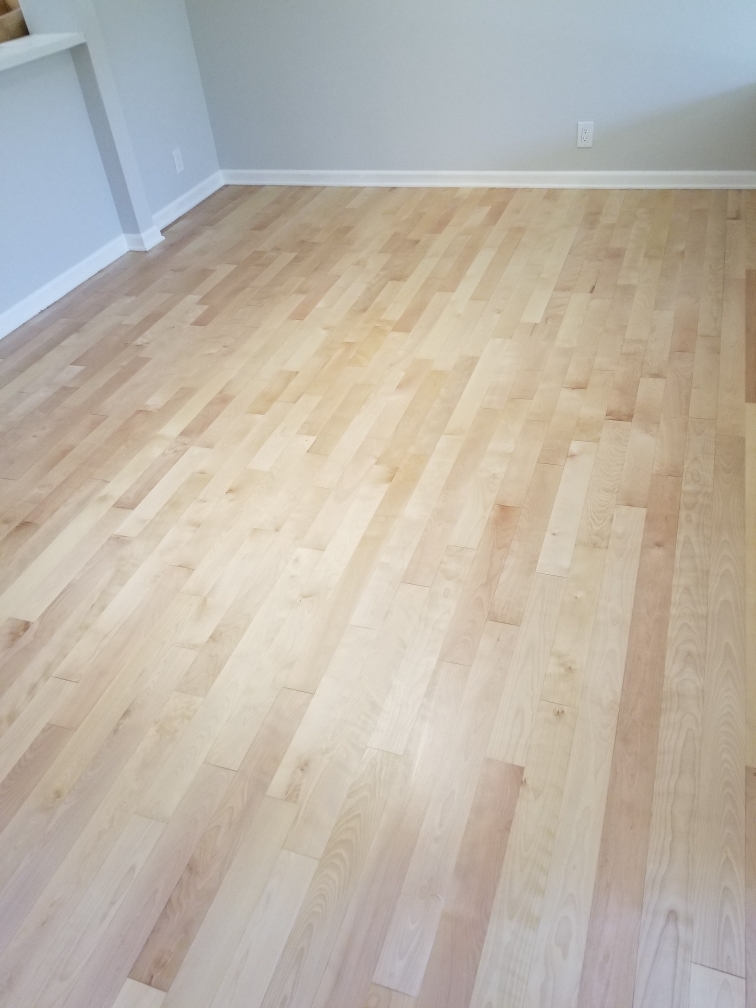
For most Chicago homeowners, especially those in condos or newer construction, engineered hardwood offers the best balance of beauty, durability, and climate resistance. That said, if you're in a historic home with existing solid hardwood that you're refinishing, stick with what you've got: those old-growth floors are treasures.
Choosing the Right Wood Species for Chicago
Not all wood species are created equal, especially when dealing with our Midwestern weather patterns.
Red Oak is the most common hardwood in Chicago homes, and for good reason. It's durable (Janka hardness rating of 1,290), affordable, and its prominent grain pattern adds character. It's been the go-to choice in Chicago for generations.
White Oak has become increasingly popular in recent years. It's slightly harder than red oak (1,360 on the Janka scale) and has a more subtle grain. It's also more water-resistant, which is a plus when dealing with Chicago's winter salt and snow.
Maple is harder than oak (1,450 Janka rating) and offers a clean, contemporary look with minimal grain. It's perfect for modern Chicago lofts and updated spaces.
Walnut provides rich, dark tones and is moderately hard (1,010). It's a premium choice that works beautifully in upscale Chicago neighborhoods like Lincoln Park and Gold Coast.
For Chicago's climate, stick with species that have proven track records in our region. Exotic woods might look stunning in a showroom, but they're not always suited for our dramatic seasonal changes.
Understanding Chicago's Humidity Challenge
Here's something many first-time buyers don't realize: humidity is your hardwood floor's biggest enemy in Chicago.
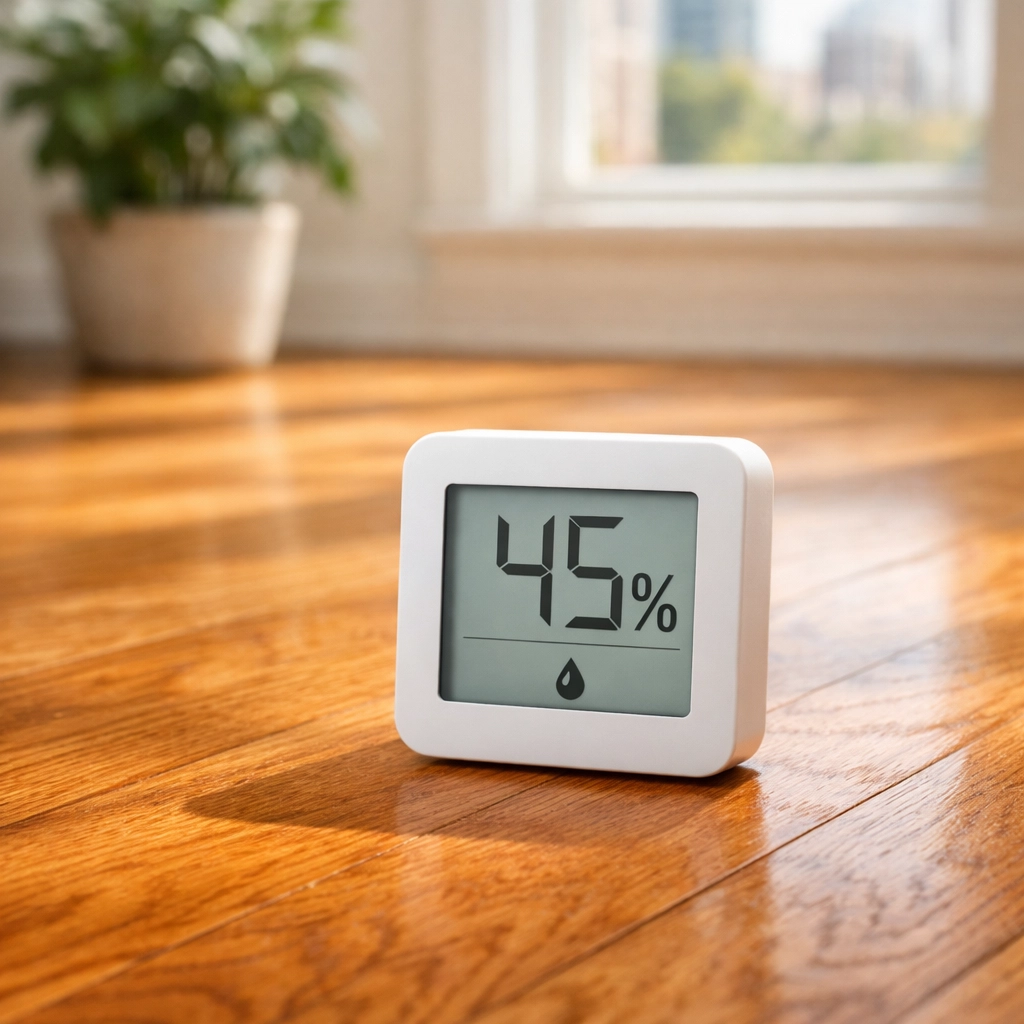
During winter, when furnaces are cranking, indoor humidity can drop to 15-20%. During summer, especially in homes without central air, humidity can spike to 70% or higher. Wood naturally expands with moisture and contracts when dry, which leads to gaps in winter and potential cupping or buckling in summer.
The solution? Maintain consistent indoor humidity levels between 35-55% year-round. Invest in a whole-home humidifier for winter and use dehumidifiers or air conditioning in summer. Your floors (and your sinuses) will thank you.
Installation Methods: What You Need to Know
Most hardwood installation in the Chicago area falls into three categories:
Nail-down installation is the traditional method for solid hardwood. Planks are blind-nailed through the tongue into the subfloor. This creates a stable, long-lasting floor that can be refinished multiple times. It's ideal for single-family homes with plywood subfloors.
Glue-down installation works well for engineered hardwood over concrete slabs: common in Chicago condos and basements. The adhesive creates a solid bond and helps with sound dampening, which is crucial in multi-unit buildings.
Floating installation means the planks click together without being attached to the subfloor. It's the easiest DIY method but may not meet condo association requirements in many Chicago buildings due to noise transmission concerns.
Acclimation: A Critical Step in Chicago
Before installation, your hardwood needs to acclimate to your home's temperature and humidity for at least 48-72 hours. In Chicago, this is non-negotiable.
Bring the materials into the room where they'll be installed, break open the packages, and let them adjust. This prevents expansion or contraction issues after installation. If your contractor tries to skip this step: especially during extreme weather months: that's a red flag.
Finishing Options for Chicago Homes
Once your floors are installed (or if you're refinishing existing floors), you'll need to choose a finish.
Oil-based polyurethane has been the gold standard for decades. It's extremely durable, creates a warm amber tone, and holds up well to Chicago's heavy foot traffic during muddy spring months and salty winter conditions. The downside? Strong fumes during application and a longer drying time.
Water-based polyurethane is gaining popularity in Chicago condos and homes. It dries clear (maintaining the wood's natural color), has minimal odor, and dries quickly: important when you need to move back in fast. Learn more about the differences here.
Winter Maintenance: Protecting Your Investment
Chicago winters are tough on hardwood floors. Salt tracked in from sidewalks, melted snow puddles, and dry indoor air all take their toll.
Use high-quality doormats at all entries. Place one outside and one inside: this two-mat system can reduce dirt and moisture by up to 80%.
Remove boots immediately and establish a no-shoes policy during winter months. Those cute snow boots are hardwood floor killers.
Clean up salt residue promptly. Mix equal parts white vinegar and water to neutralize salt's corrosive effects, then dry thoroughly.
Maintain humidity levels with a humidifier. Those gaps between boards that appear each January? That's from dry air.
When to Call a Professional
While some homeowners in the Chicago area successfully install their own engineered hardwood, solid hardwood installation and refinishing are best left to professionals: especially in Chicago's older homes with uneven subfloors.
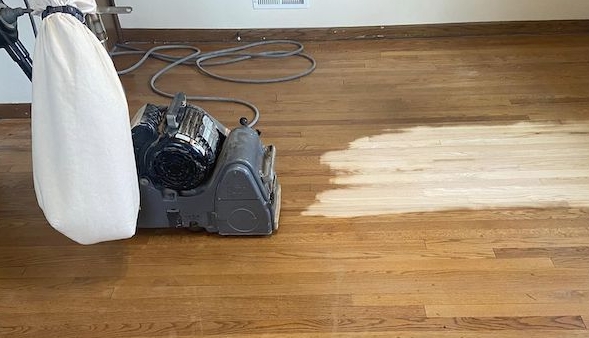
At Rovin's Flooring Inc, we've been installing and refinishing hardwood floors throughout Chicago and a 60-mile radius extending North and West for years. We understand how Chicago's unique climate affects flooring, we know the building codes and condo association requirements, and we use dustless sanding technology that keeps your home clean during refinishing projects.
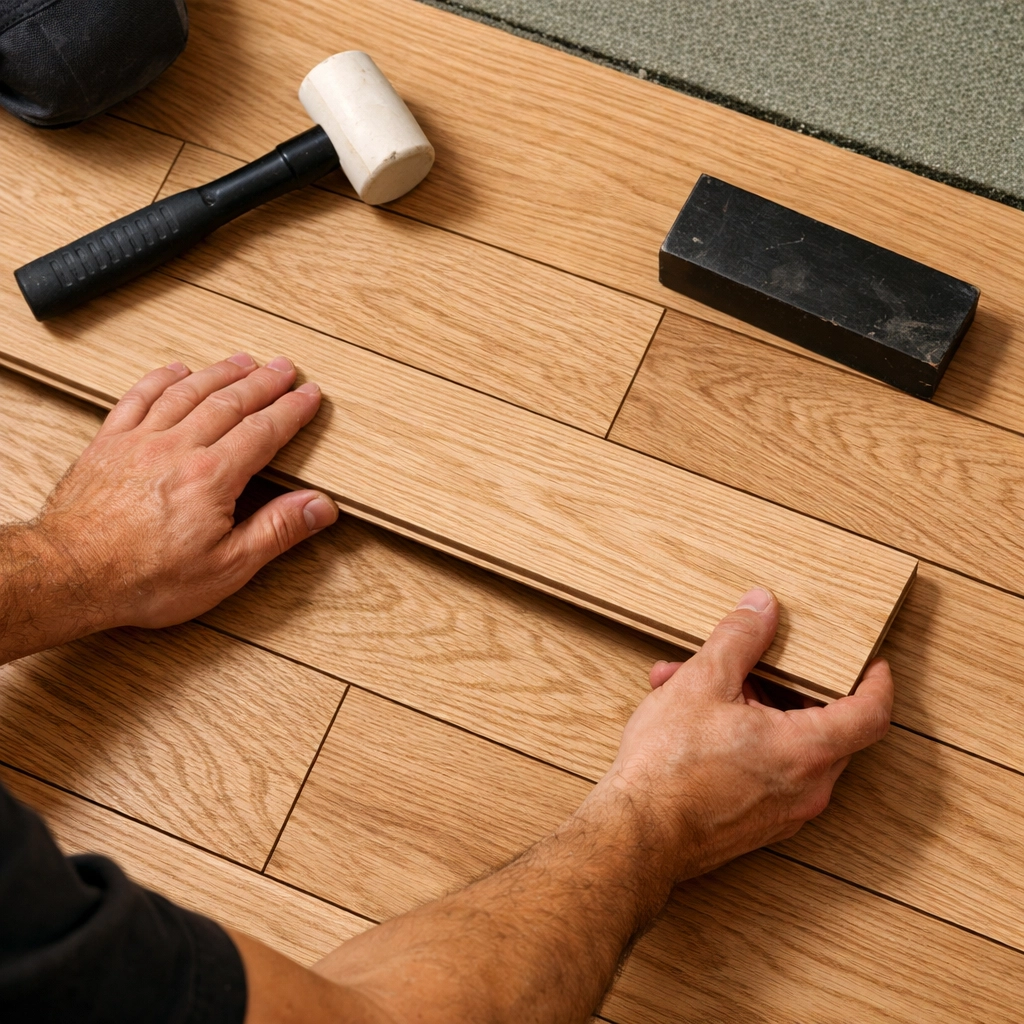
Professional installation also ensures proper moisture barriers, expansion gaps, and subfloor preparation: things that can cause major problems down the line if done incorrectly.
Common Mistakes to Avoid
Don't rush the process. Quality hardwood installation takes time. Be wary of contractors promising unrealistically quick turnarounds.
Don't skip maintenance. Even the best hardwood floors need regular care. Sweep or vacuum weekly, clean with appropriate products monthly, and address spills immediately.
Don't ignore early damage signs. Small scratches and dents can be touched up easily. Wait too long, and you're looking at a full refinishing job.
Don't assume all contractors are equal. Check references, verify insurance, and ask to see previous Chicago projects similar to yours.
The Bottom Line
Hardwood flooring is an investment in your Chicago home's value, comfort, and aesthetic appeal. By choosing the right species and installation method for our climate, maintaining proper humidity levels year-round, and protecting your floors during our harsh winters, you'll enjoy beautiful hardwood for decades.
Whether you're in a historic Ravenswood bungalow, a Lake View condo, or a suburban home in Evanston or Oak Park, hardwood floors connect you to Chicago's rich architectural tradition while providing timeless beauty.
Ready to start your hardwood flooring project? Contact Rovin's Flooring Inc for a consultation. We'll help you choose the perfect flooring solution for your Chicago home and ensure professional installation that stands up to whatever the Windy City throws at it.