
If you're a homeowner in Chicago or the surrounding 60-mile radius heading North and West, you already know that hardwood floors are more than just a design choice: they're an investment. But here's the thing: beautiful wood floors don't just happen. They require proper installation, occasional refinishing, and consistent maintenance, especially in Chicago's challenging climate.
Whether you're tackling a DIY project or just want to understand what your contractor is doing, this guide breaks down everything you need to know about wood floor installation, refinishing, and maintenance in the Chicagoland area.
Why Chicago's Climate Matters for Your Wood Floors
Before we dive into the how-to, let's talk about the elephant in the room: Chicago weather. Our dramatic seasonal swings: from humid summers to bone-dry winters: create unique challenges for hardwood floors. Wood is hygroscopic, meaning it absorbs and releases moisture based on the environment.
During summer, your floors expand as humidity rises. In winter, when your heating system dries out the air, they contract. This constant movement can lead to gaps, cupping, or buckling if you don't account for it during installation and maintenance. Understanding humidity control and temperature management is crucial for Chicago homeowners.
Installation 101: Getting It Right from the Start
Acclimation: Your First Critical Step
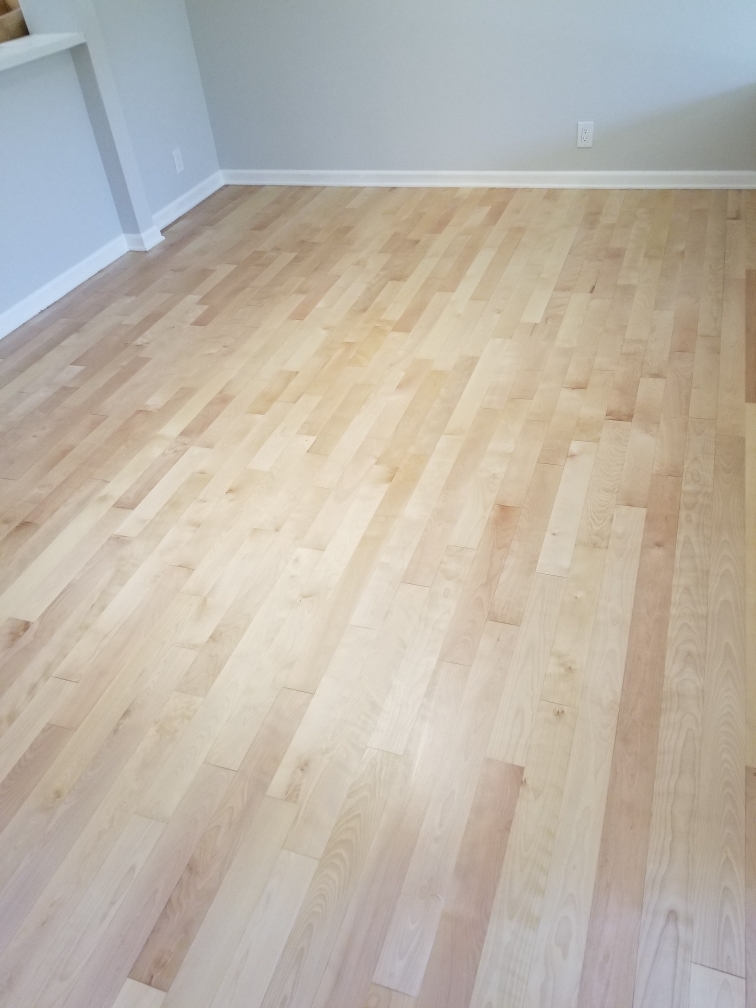
Never skip acclimation. This is where many DIY projects go wrong. Your hardwood needs time to adjust to your home's environment before installation. For solid hardwood, leave the unopened boxes in the installation room for 7-10 days. Engineered hardwood requires at least 72 hours, though longer is better.
During acclimation, maintain your home's normal temperature (around 60-80°F) and humidity levels (35-55%). This prevents major expansion or contraction after installation.
Subfloor Preparation
Your subfloor must be level, clean, and bone-dry. Use a 6-foot level to check for high and low spots: anything more than 3/16 inch over 10 feet needs correction. Sand down high spots and fill low areas with leveling compound. Remove all debris, old adhesive, and ensure the moisture content is appropriate for your flooring type.
The Installation Process
Start along the longest wall in your room, installing perpendicular to the floor joists when possible for maximum stability. Leave a 3/4-inch expansion gap around the entire perimeter: this gives your floors room to breathe during Chicago's seasonal changes.
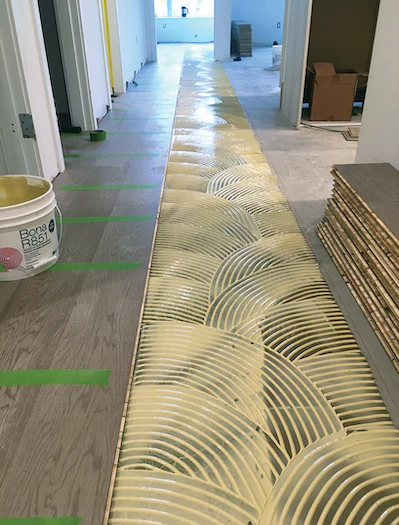
Lay your first row with the tongue side facing out and ensure it's perfectly straight. This row sets the stage for everything else. For subsequent rows, stagger the end joints by at least 6 inches from the previous row: this creates a stronger, more natural-looking floor pattern.
Use a pneumatic nailer or stapler to fasten boards through the tongue at a 45-degree angle, spacing fasteners every 6-8 inches. Tap each board gently with a rubber mallet to ensure tight connections without damaging the wood.
For the final row, measure carefully and cut boards to maintain that crucial expansion gap. Use a pull bar to snug boards together without damaging your baseboards. Once complete, install baseboards and shoe molding to cover the expansion gap while still allowing movement.
Refinishing: Bringing Your Floors Back to Life
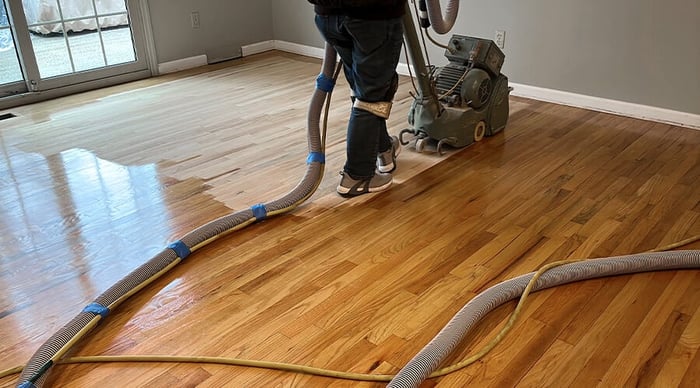
Even the best-maintained floors eventually need refinishing. Solid hardwood can typically be refinished 4-7 times over its lifetime, depending on the plank thickness. Engineered hardwood has a thinner wear layer, limiting refinishing to 1-2 times at most.
Signs You Need Refinishing
Deep scratches that penetrate the finish, widespread discoloration, water stains that won't come out, or areas where the finish has worn completely away all signal it's time for refinishing. If more than 30% of your floor shows these issues, a full refinish makes more sense than spot repairs.
The Refinishing Process
Professional refinishing starts with sanding, using progressively finer grits to remove the old finish and level the surface. Modern dustless sanding systems (like those we use at Rovin's Flooring) capture 99% of dust, making the process much cleaner than traditional methods.
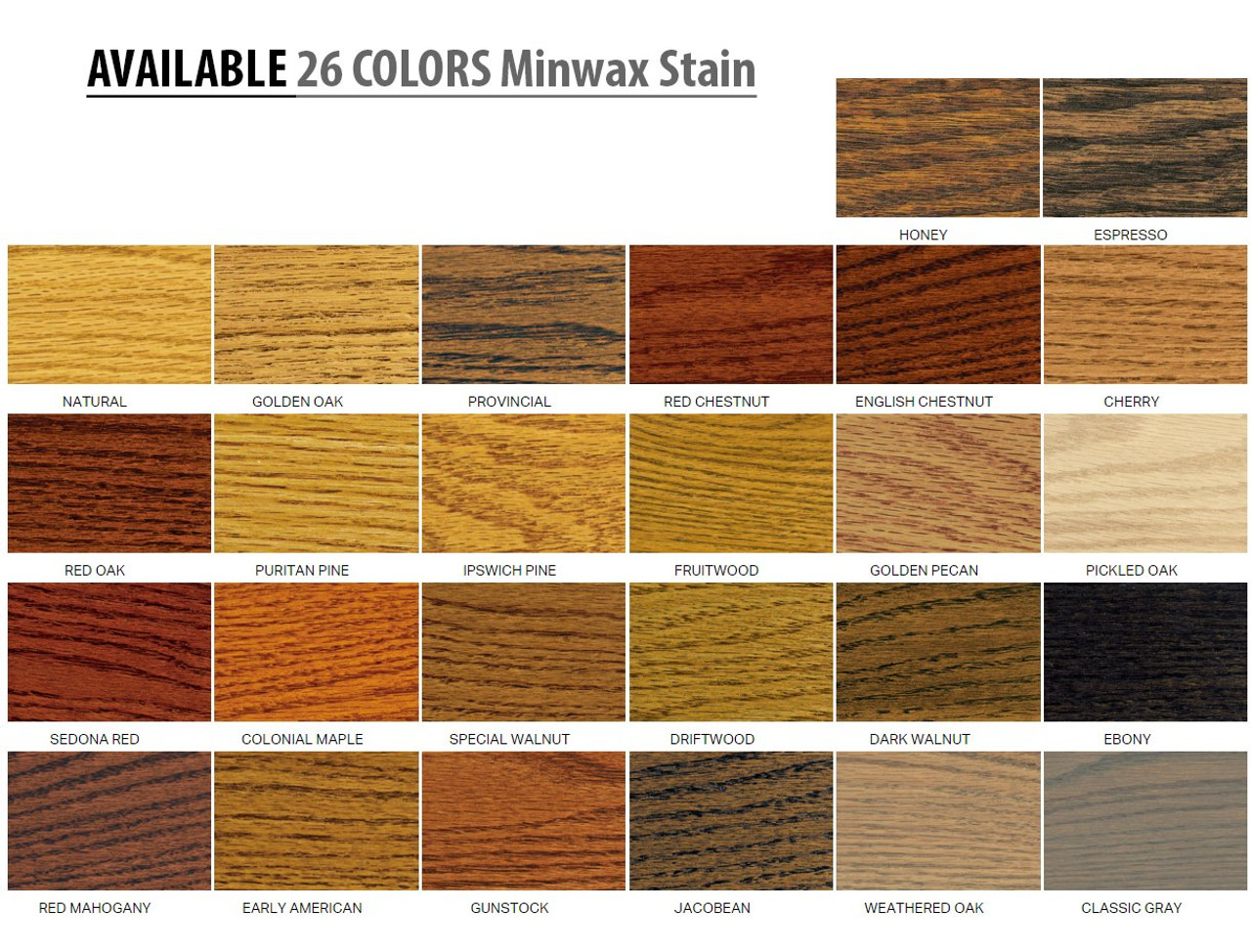
After sanding, you'll choose your stain color. Different stain options can dramatically transform your floor's appearance. Natural and light stains are trending in Chicago right now, offering a modern, Scandinavian-inspired aesthetic.
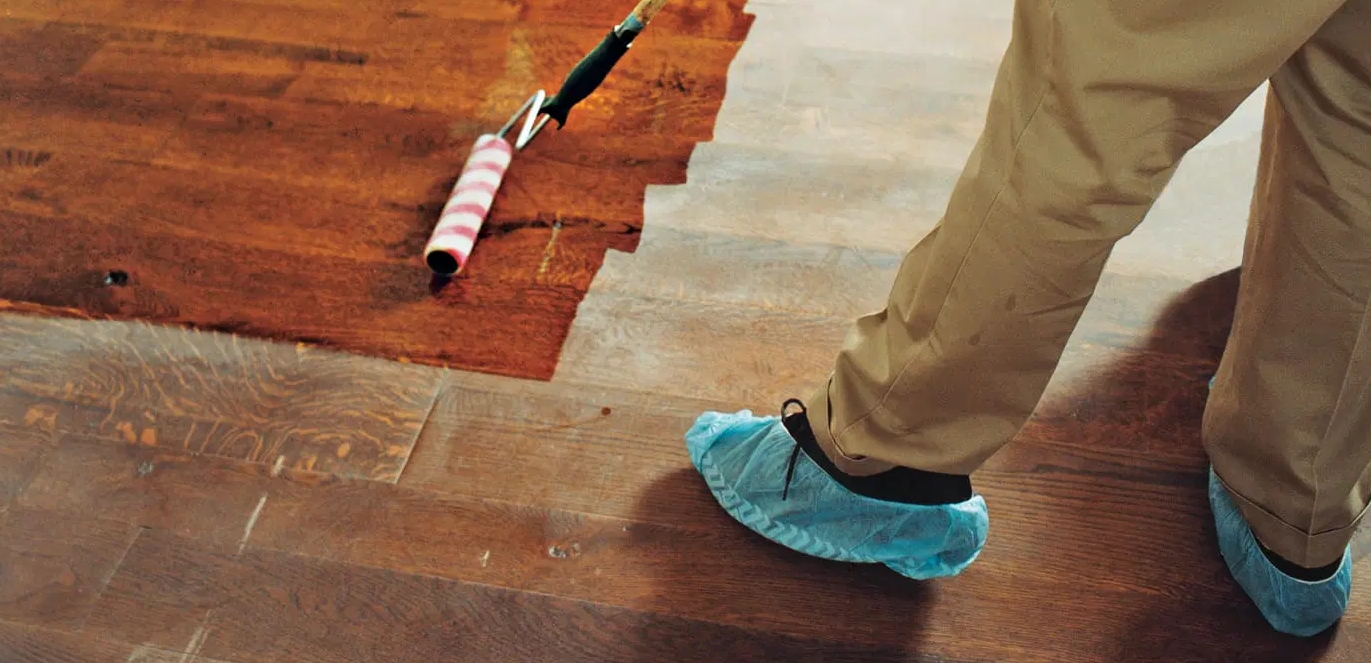
The final step is applying a protective finish. Water-based polyurethanes like Bona Traffic HD dry quickly, have minimal odor, and provide excellent durability: perfect for Chicago families who can't vacate their homes for days. These products typically require 2-3 coats, with light sanding between coats.
Maintenance: Protecting Your Investment
Daily and weekly maintenance determines how long your floors stay beautiful between refinishings.
Daily Care
Sweep or vacuum daily using a soft-bristle brush attachment. Avoid beater bars, which can scratch the finish. Microfiber dust mops work great for quick cleanups and trap fine particles that regular brooms miss.
Weekly Cleaning
Use a hardwood-specific cleaner and damp (not wet) mop weekly. Never saturate wood floors: excess water seeps into seams and causes swelling. Wring your mop until it's barely damp, then follow up by buffing with a dry microfiber cloth.
Seasonal Maintenance
Chicago's dry winter air wreaks havoc on hardwood. Invest in a whole-home humidifier or portable units to maintain 35-45% relative humidity. This prevents excessive shrinking and the gaps that appear between boards in January and February.
Conversely, during humid summer months, run your AC or a dehumidifier to prevent excessive expansion. Maintaining consistent year-round conditions is the secret to long-lasting, gap-free floors.
Protection Strategies
Place doormats at all entrances to trap dirt and moisture. Use felt pads under all furniture legs and replace them annually. Avoid high heels and cleated shoes on hardwood. For frequently moved furniture (like dining chairs), consider using a area rug to protect high-traffic zones.
Address spills immediately: standing water is hardwood's enemy. Keep pet nails trimmed and place mats under food and water bowls to catch splashes.
Chicago-Specific Challenges
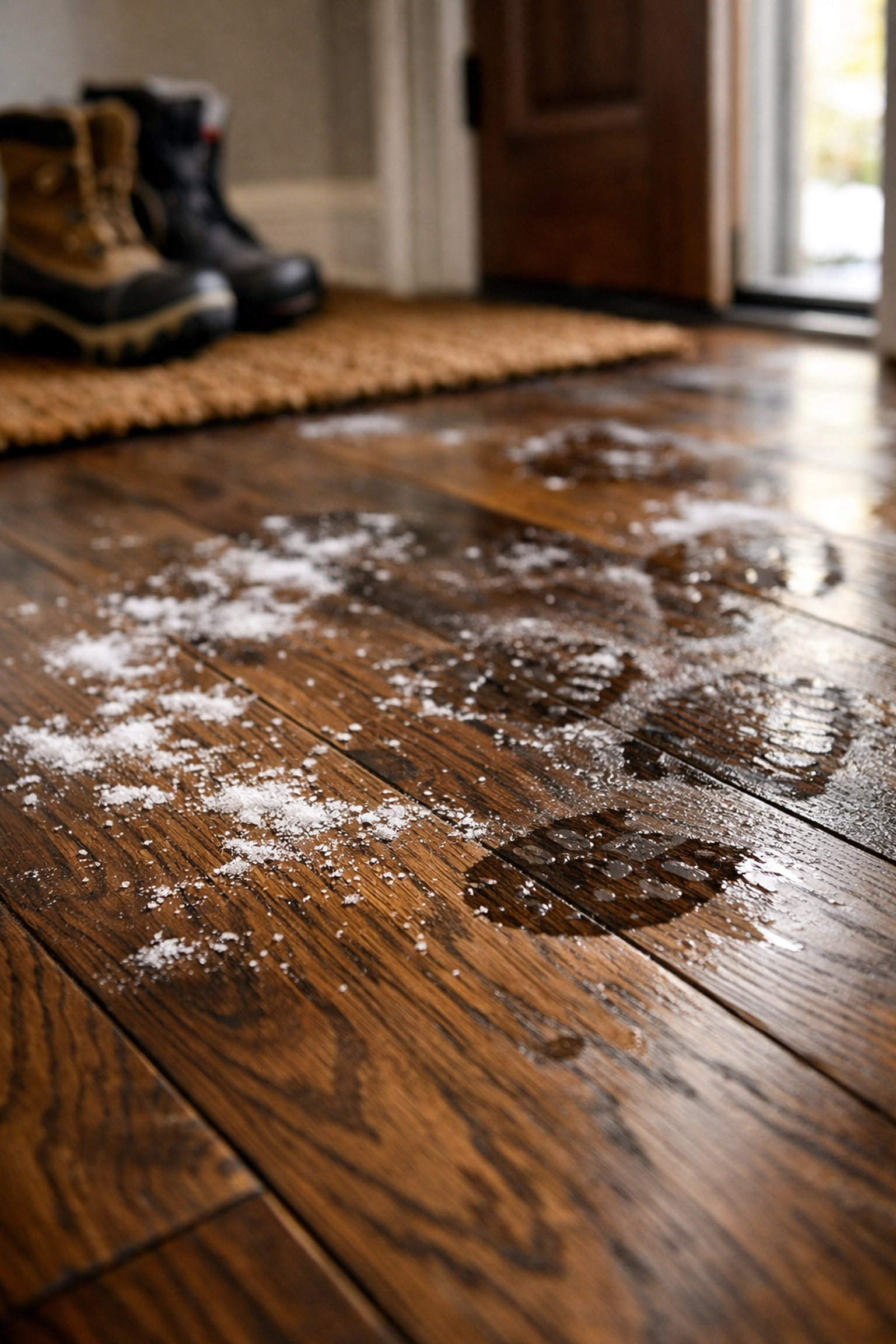
Living in the Chicago area means dealing with road salt tracked in during winter months. Salt is particularly damaging to wood floors, drawing moisture and potentially causing white stains. Create a no-shoes policy during winter, or at minimum, provide a dedicated shoe-cleaning area near entrances.
Older Chicago homes often have radiators or steam heat, which can create very dry conditions. Monitor humidity levels closely and consider placing small humidifiers near radiators to counteract their drying effect.
When to Call the Professionals
While some homeowners successfully tackle installation or refinishing as DIY projects, certain situations demand professional expertise. Large spaces, complex layouts, or homes with moisture issues are best left to experienced contractors. Similarly, if you're dealing with water damage restoration or need commercial-grade work, professional help ensures proper execution and warranty protection.
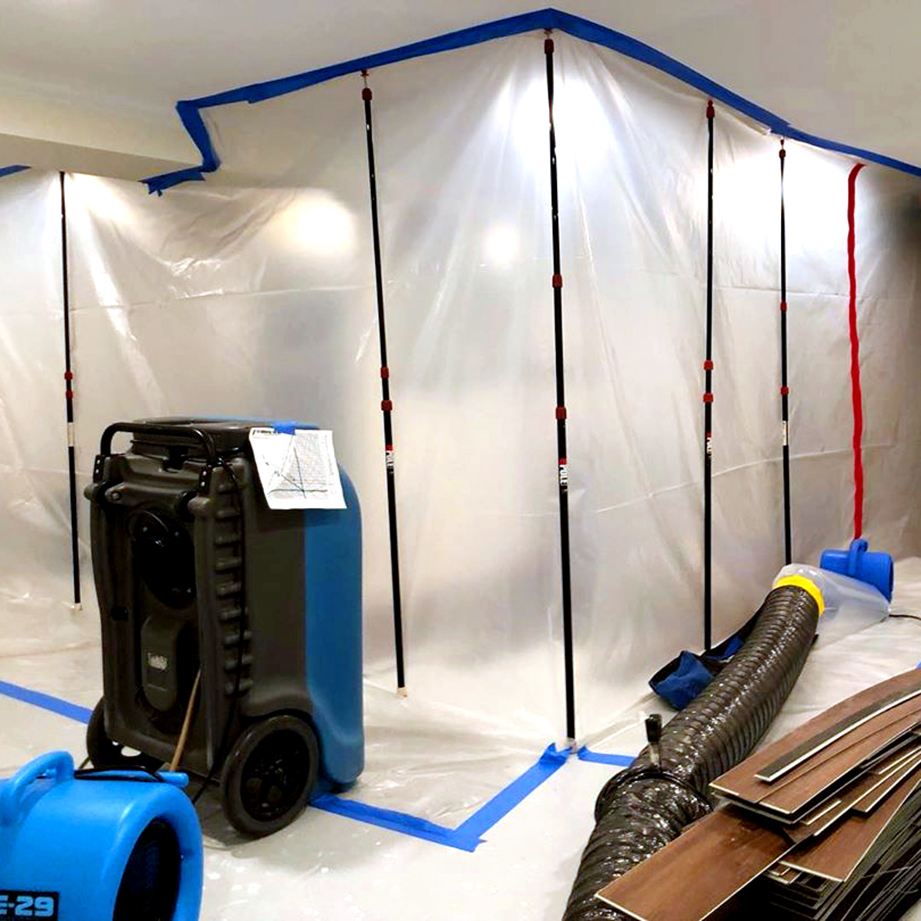
At Rovin's Flooring Inc, we serve Chicago and a 60-mile radius extending North and West, bringing decades of experience to every project. Whether you need commercial installation, refinishing, or ongoing maintenance services, our team understands the unique demands of Chicagoland flooring.
The Bottom Line
Hardwood floors are a timeless investment that can last generations with proper care. Understanding the installation process helps you make informed decisions, whether you're hiring a contractor or doing it yourself. Regular maintenance prevents costly repairs down the road, and knowing when to refinish keeps your floors looking their best.
Chicago's climate presents unique challenges, but armed with the right knowledge and consistent care, your hardwood floors will reward you with beauty and durability for decades to come. For more detailed information about maintenance best practices or to schedule a consultation, visit our website or contact our team today.