
If you've lived through a Chicago winter, you know it's no joke. Between the sub-zero temps, lake-effect snow, and enough salt to melt the polar ice caps, our winters are brutal on just about everything, including your hardwood floors.
Over the past 30+ years working with homeowners across Chicago and within a 60-mile radius extending North and West, we've seen it all: warped planks in February, massive gaps by March, and floors that look sandblasted by April. The good news? Most winter damage is preventable if you know what you're up against.
Here are 10 things every Chicago homeowner needs to know to protect their hardwood floors during the coldest months of the year.
1. Your Floors Are Constantly Expanding and Contracting
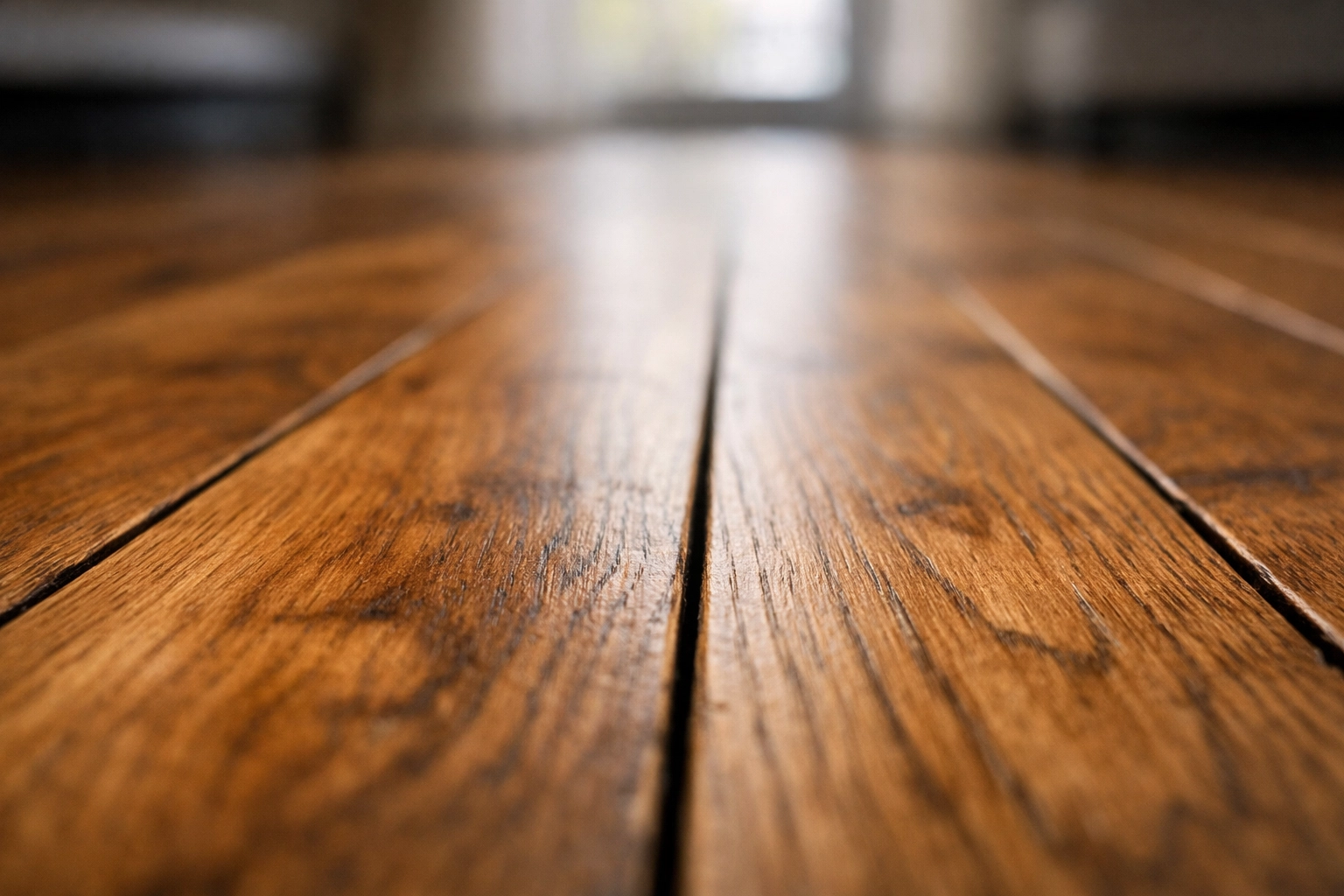
Wood is a natural material, which means it responds to changes in temperature and humidity. During summer's sticky heat, your hardwood floors absorb moisture from the air and expand. Come winter, when your furnace is running non-stop and indoor humidity drops like a rock, those same floors release moisture and shrink.
This constant expansion and contraction creates stress on the wood fibers. Over time, it can lead to warping, cupping, splitting, and those annoying gaps between planks that seem to appear out of nowhere in January.
The takeaway: Understanding this natural cycle is the first step in protecting your floors. It's not a defect, it's physics.
2. Keep Indoor Humidity Between 30% and 55%
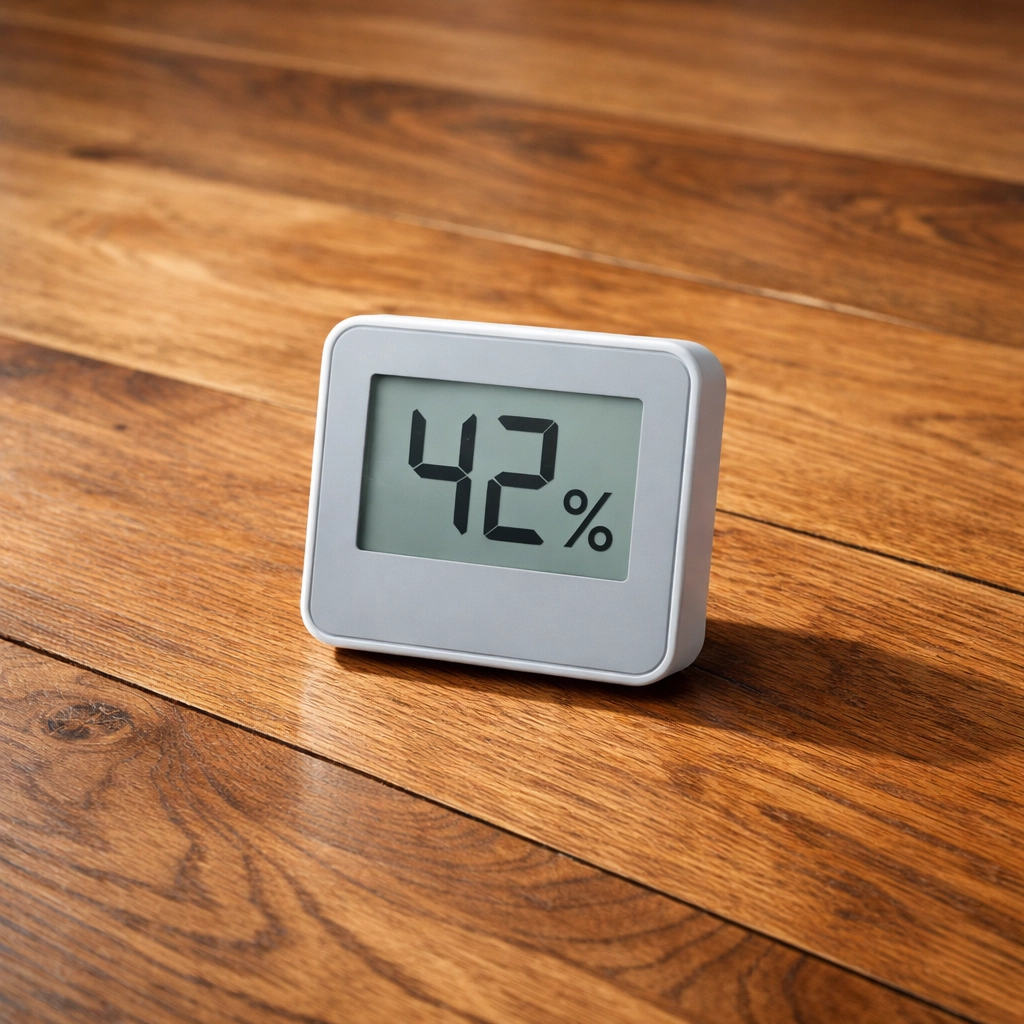
This is the single most important number you need to know. Wood floors are happiest when indoor humidity stays between 30% and 55% year-round. In Chicago, that means you'll need a humidifier running throughout winter.
Without proper humidity control, your floors will shrink excessively, creating gaps that can trap dirt and salt. In extreme cases, you'll see boards pull away from each other enough to see the subfloor below.
Invest in a quality hygrometer (they're cheap, around $15) and place it in your main living area. Check it weekly during winter. If it drops below 30%, crank up the humidifier. Your floors, and your sinuses, will thank you.
For more details on managing humidity levels, check out our dedicated humidity guide.
3. Salt Is Public Enemy #1
Let's talk about the real villain of Chicago winters: road salt. Those white, crusty chunks tracked in from sidewalks and parking lots aren't just ugly, they're actively destroying your floors.
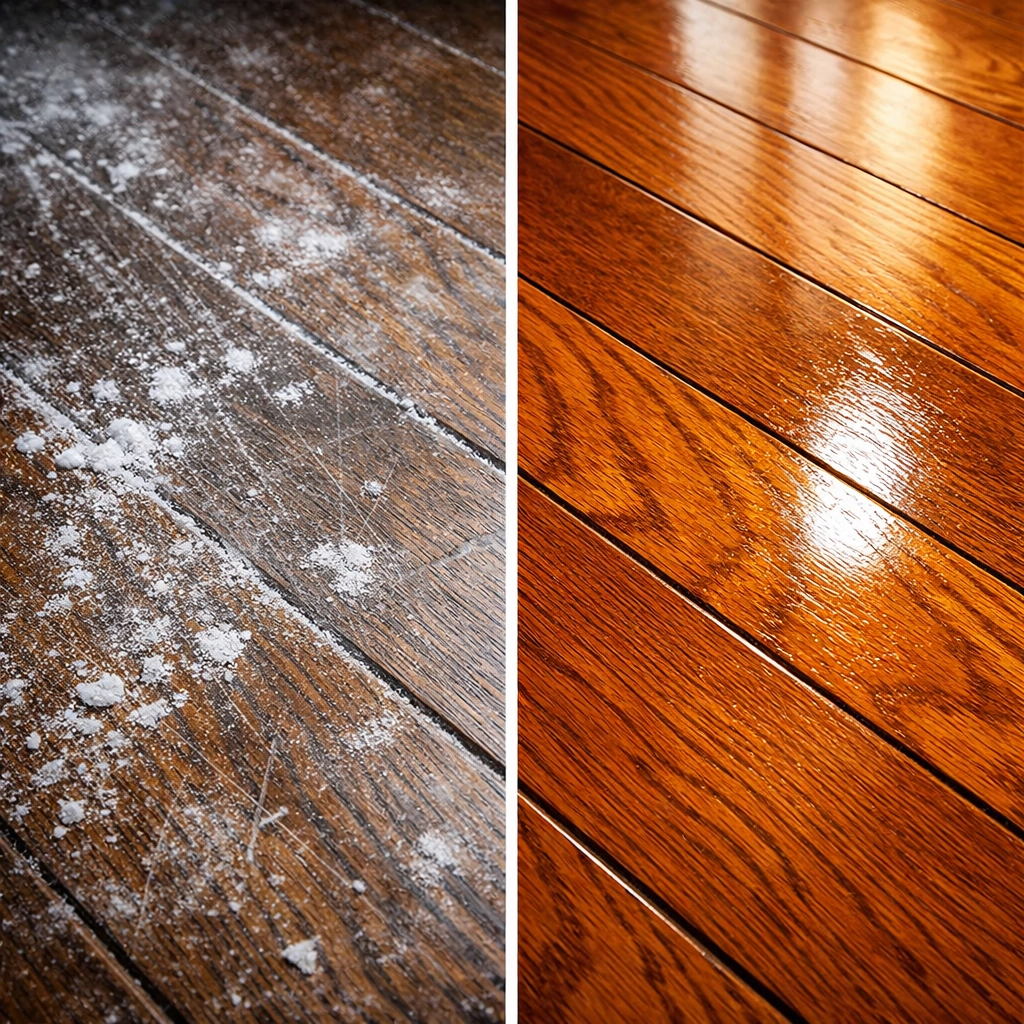
Salt crystals have sharp, jagged edges that act like sandpaper on your hardwood's finish. Every step grinds those particles deeper into the protective coating, creating microscopic scratches that dull the finish over time. Even worse, salt is hygroscopic, meaning it attracts and holds moisture, which can penetrate damaged finish and cause discoloration and water staining.
If you see white residue on your floors in winter, that's salt eating away at your finish in real time.
4. Implement a Strict No-Shoe Policy
This is non-negotiable if you want your floors to survive Chicago winters intact. Shoes and boots track in salt, snow, dirt, and road grime, all of which damage hardwood.
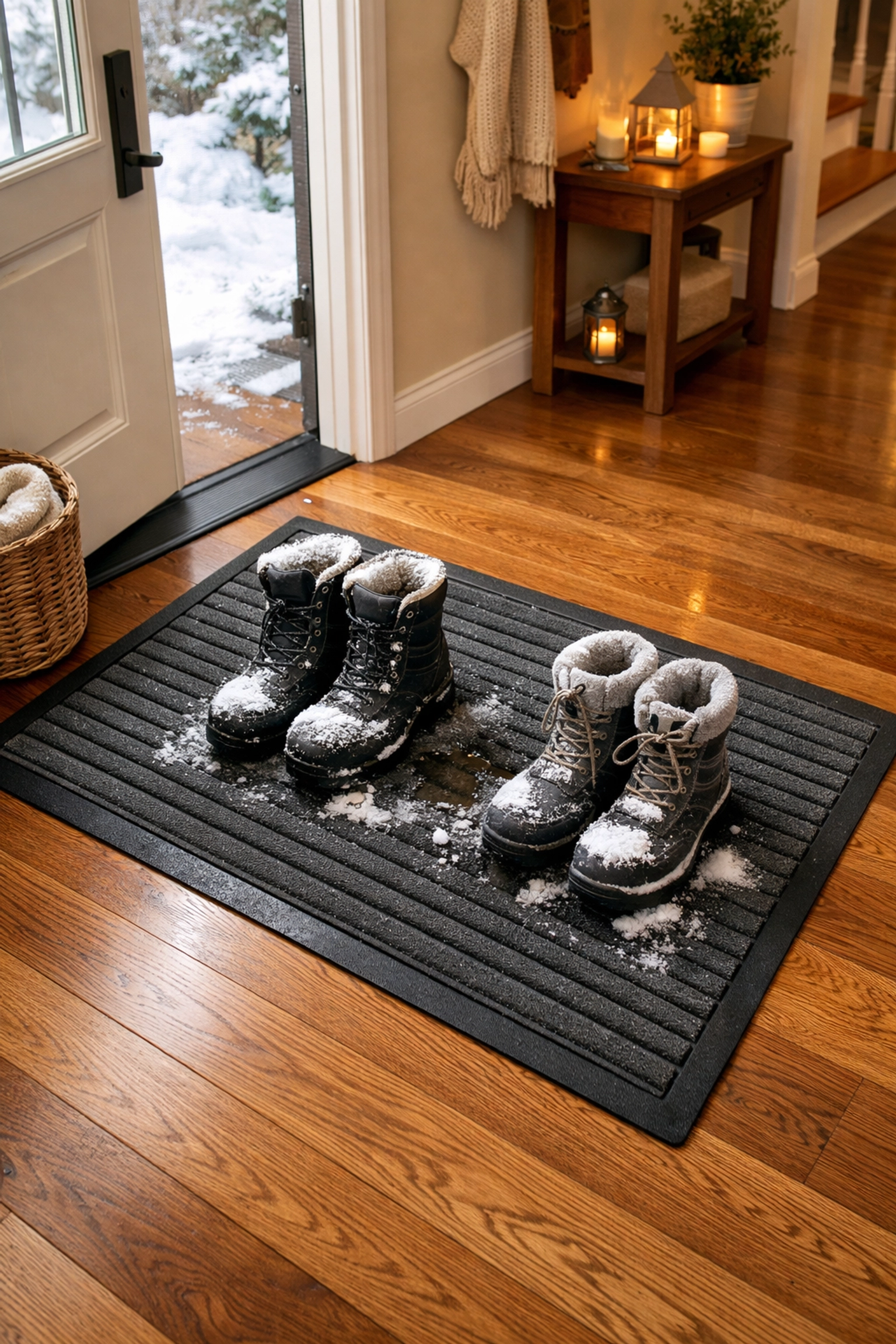
Make it easy for guests by setting up a dedicated boot zone near every entrance. Keep a bench or chair nearby so people can comfortably remove wet footwear. Trust me, once people see your beautiful floors, they'll understand why you're serious about the rule.
And yes, this applies to you too. Those "quick trips" to grab the mail in your boots? They're costing you hundreds in refinishing down the road.
5. Invest in Heavy-Duty Door Mats (Not the Decorative Kind)
Those thin, decorative welcome mats from HomeGoods? They're useless during Chicago winters. You need industrial-strength, rubber-backed mats both outside and inside every entrance, mats thick enough to trap melting snow and contain salt particles before they migrate through your home.
Look for mats at least 3 feet long with deep grooves or channels that capture moisture. Place one outside the door to knock off the worst of it, and another inside to catch what made it past the first line of defense.
Change or clean these mats weekly during peak winter months. A saturated, salt-soaked mat is just spreading the problem around.
6. Vacuum High-Traffic Areas Daily
Yes, daily. During winter, salt particles get tracked through your home constantly, and they settle in the grain of your hardwood, grinding away with every footstep.
Use a vacuum with a hardwood floor setting (or a soft brush attachment) to lift particles without scratching. Hit the entryways and hallways every single day, and do a full-house vacuum at least twice a week.
Think of it this way: five minutes of daily vacuuming beats paying $3,000+ to refinish your floors next spring because salt damage has destroyed the finish.
7. Never Use a Soaking Wet Mop
Water and hardwood don't mix: especially during winter when your floors are already stressed from humidity swings. When you clean, use a damp (not wet) microfiber mop and a cleaner specifically formulated for hardwood floors.
Wring out your mop until it's barely damp. You should never see water sitting on the surface after you've mopped. If your mop is leaving puddles or wet streaks, it's too wet.
For recommendations on proper maintenance techniques, visit our maintenance page.
8. Add an Extra Layer of Protection Before Winter Hits
If your floors haven't been refinished in 3–5 years, consider applying a fresh topcoat in late fall before winter weather arrives. This creates an additional barrier between salt and the wood itself, buying you crucial protection during the harshest months.
For high-traffic entryways, you can also use temporary protective runners from December through March. These take the brunt of the winter abuse and can be removed once spring arrives.
We typically recommend water-based finishes for their fast drying times and low odor: perfect for occupied homes during winter.
9. Deep Clean Entry Areas Every Two Weeks
Surface cleaning isn't enough during Chicago winters. Every two weeks, do a deep clean of your entry areas using a professional hardwood floor cleaner that can break down embedded salt and grime.
Focus on the first 6–10 feet inside every door: this is where 90% of winter damage occurs. Get on your hands and knees if you have to. Salt that's been ground into the wood grain won't come out with a quick pass of the mop.
If you notice white hazing or discoloration starting to appear despite regular cleaning, it's time to call in professionals before the damage becomes permanent.
10. Know When to Call the Pros
Some damage can't be fixed with a mop and good intentions. Call a professional if you notice:
- Discoloration or dark spots that won't come out with cleaning
- Deep scratches or gouges in the finish
- Warped or cupped planks that create uneven surfaces
- Excessive creaking or movement when you walk
- Gaps wider than a credit card that persist after humidity is restored
These are signs that winter has done more than surface damage, and DIY fixes won't cut it. Early intervention can often save your floors from needing a full refinishing: or worse, replacement.
At Rovin's Flooring Inc., we've been helping homeowners throughout Chicago and the surrounding North and West suburbs protect and restore their hardwood floors for over three decades. If you're concerned about winter damage or want a professional assessment before the next cold snap, reach out for a free estimate.
The Bottom Line
Chicago winters are hard on hardwood floors, but they don't have to be destructive. With proper humidity control, aggressive salt management, and consistent maintenance, your floors can survive decades of brutal cold snaps and lake-effect snow.
The key is being proactive. Don't wait until you see major gaps or salt damage in March to start caring about your floors. Start now: buy that hygrometer, set up those heavy-duty mats, and commit to the no-shoe policy.
Your floors are one of the biggest investments in your home. A little winter vigilance goes a long way in protecting that investment for years to come.