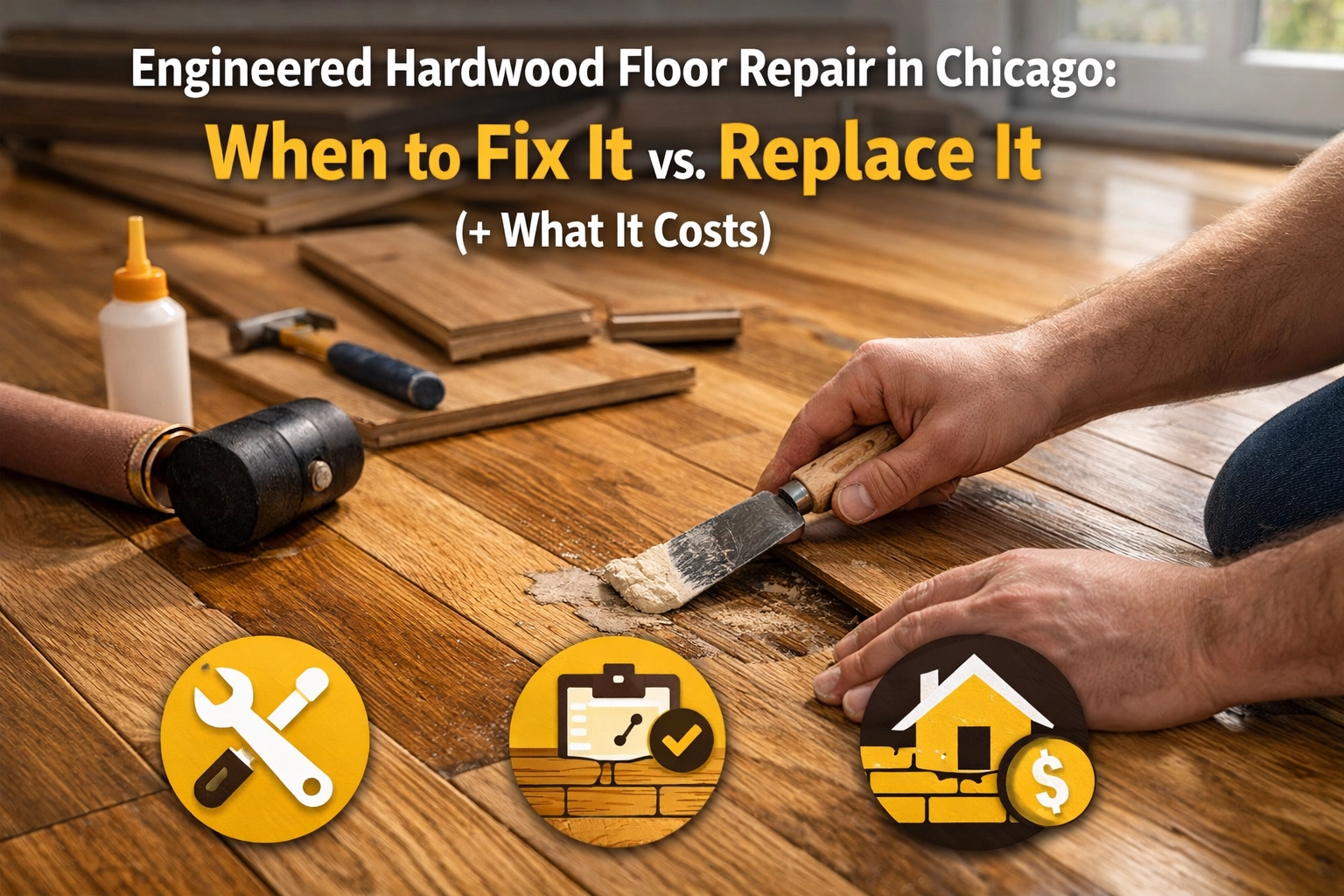
Engineered hardwood floors are popular across Chicago and the surrounding 60-mile radius to the North and West for good reason: they're more stable than solid hardwood in fluctuating humidity, they cost less upfront, and they deliver that authentic wood look without the same expansion and contraction headaches. But when damage strikes: whether it's deep scratches from moving day, water stains from a window leak, or mysterious gaps that appear every winter: homeowners face a critical question: Can you actually repair engineered floors, or do you need to rip them out and start over?
The answer isn't always straightforward. Unlike solid hardwood, which you can sand down multiple times over decades, engineered wood has limitations. The good news? With the right assessment and approach, many engineered floors can be repaired or even refinished: saving you 50–70% compared to full replacement. The trick is knowing when repair makes sense and when it's time to pull the trigger on new flooring.
Let's break down exactly what you need to know.
Can Engineered Hardwood Floors Be Refinished or Repaired? (The Wear Layer Explained)
Here's the most important thing to understand about engineered hardwood: it's not solid wood all the way through. Engineered flooring is built in layers: a thin top layer of real hardwood (the "wear layer") bonded to multiple layers of plywood or high-density fiberboard underneath. This construction makes it dimensionally stable, but it also limits how much sanding and refinishing you can do.
The wear layer thickness is the deciding factor. Most engineered floors on the market have wear layers ranging from 1mm (paper-thin veneer) to 6mm (thick enough for multiple refinishes). Here's what that means in practical terms:
- 1–2mm wear layer: These floors typically cannot be sanded or refinished. The veneer is too thin: one pass with a drum sander would cut right through to the plywood core. Your only option for damage is spot repair or replacement.
- 2.5–3.2mm wear layer: This is the sweet spot. These floors can usually handle one full refinishing if done carefully by a professional with experience in engineered wood.
- 4–6mm wear layer: These premium engineered floors can often be refinished two or even three times, making them nearly as long-lasting as solid hardwood.
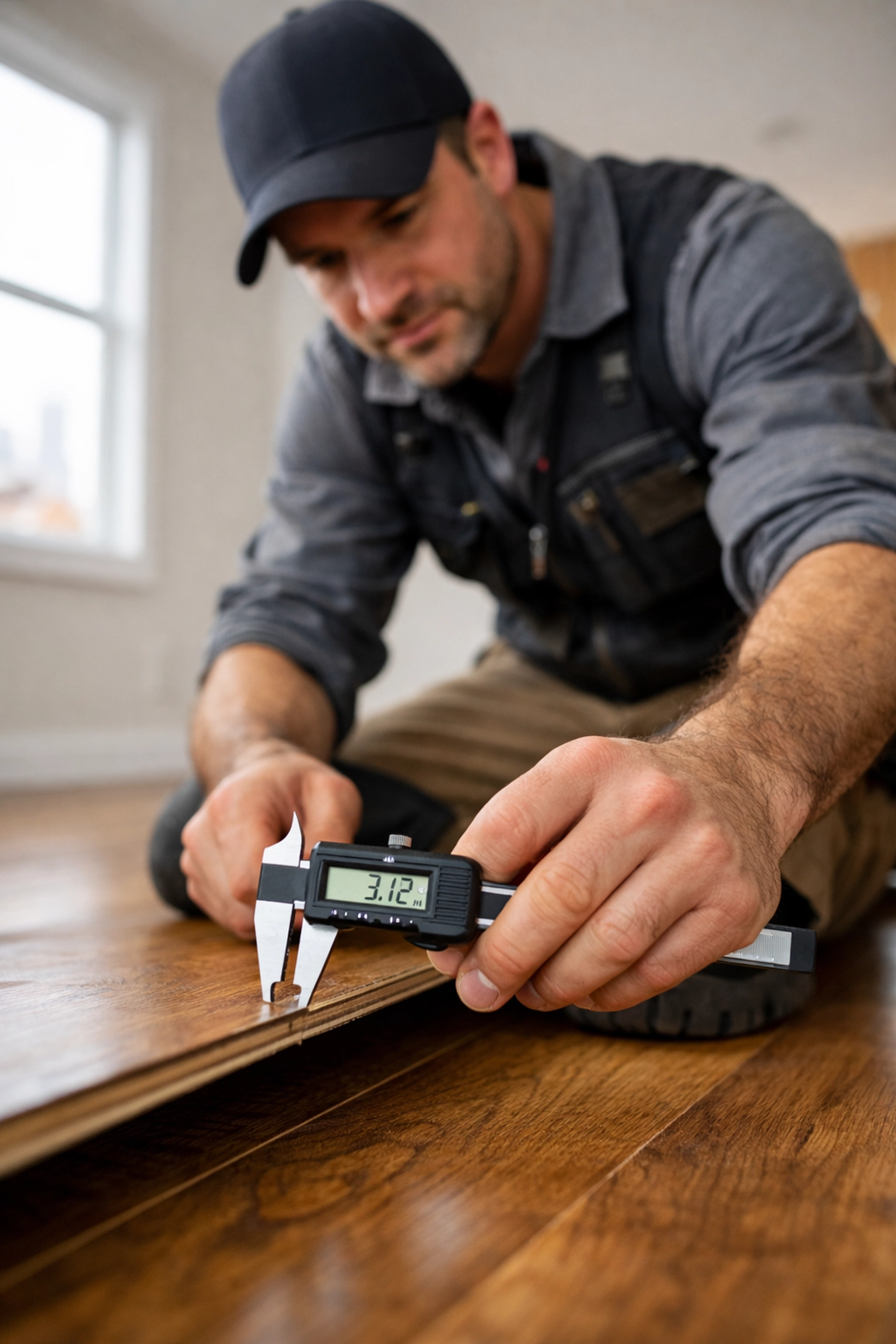
Before you commit to any repair strategy, you need to know your wear layer thickness. If you're not sure, a flooring contractor can measure it by inspecting the tongue of a plank or checking your original product specs.
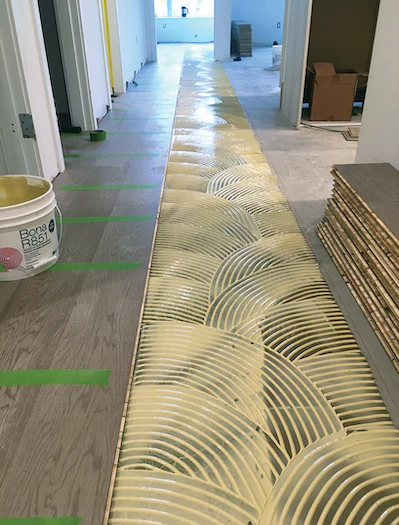
Common Issues with Engineered Hardwood Floors in Chicago
Chicago's climate puts engineered floors through the wringer. Our cold, dry winters and humid summers create conditions that stress even well-installed floors. Here are the most common problems we see:
1. Surface Scratches and Scuffs
Daily wear, pet claws, furniture moves: surface damage happens. The good news is that light scratches often stay in the finish layer and don't penetrate the wood itself, making them easier to address.
2. Deep Gouges
Heavy furniture dropped without pads, sharp impacts, or dragging appliances can gouge through the finish and into the wood wear layer. If the damage is isolated and doesn't reach the core layers, repair is usually possible.
3. Water Damage and Staining
Leaky windows, pet accidents, or spills left sitting can stain engineered wood or cause the finish to cloud and peel. More severe water exposure can cause delamination: where the layers separate: or cupping, where individual planks warp upward at the edges.
4. Delamination
This is one of the most serious issues. When moisture gets between the wear layer and the core, or when low-quality adhesive fails, the top layer literally peels away. Delamination cannot be refinished: affected boards must be replaced.
5. Gaps and Movement
In winter, when indoor humidity drops (often below 30% in heated Chicago homes), engineered planks can shrink slightly and create gaps. In summer, they expand. Chronic gaps can indicate subfloor issues or improper installation.
When to Repair vs. When to Replace Your Engineered Floor
So how do you decide? Here's the framework we use when evaluating engineered hardwood floors:
Choose Repair or Refinishing If:
- Damage is cosmetic and surface-level (scratches, dullness, light water staining)
- Your floor has a 2.5mm+ wear layer and hasn't been refinished before
- Only isolated sections are damaged (a few boards with deep gouges, localized water damage)
- The subfloor is sound with no structural movement or moisture issues
- You want to preserve the original wood and avoid the disruption of full replacement
Choose Replacement If:
- More than 30% of the floor is damaged or showing widespread wear
- Your wear layer is too thin to sand safely (under 2.5mm or already refinished once)
- There's delamination, warping, or cupping across large areas
- You have chronic moisture problems or signs of mold/mildew underneath
- The subfloor is compromised: soft spots, movement, or water damage
- Repair costs keep adding up and you're throwing good money after bad
Repair Methods and What They Cost in Chicago
Here's what's actually possible when you repair engineered hardwood: and what you can expect to pay:
Light Screening and Recoating
Cost: $1.50–$3 per sq ft
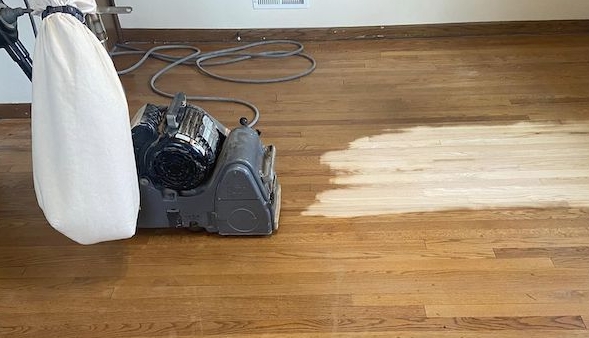
If your floor's finish is worn but the wood itself is fine, screening (also called buffing) removes the top layer of finish without cutting into the wood. A fresh coat of polyurethane goes on top. This works for floors with no deep scratches or stains: just general dullness from years of foot traffic.
Full Sanding and Refinishing
Cost: $3–$8 per sq ft
For thicker wear layers, a full refinish removes the old finish and a thin layer of wood, then applies new stain (if desired) and finish. This process can eliminate scratches, light water stains, and discoloration. Key limitation: Most engineered floors only allow one full refinish, so you're essentially using up your floor's last life.
Board Replacement (Spot Repair)
Cost: $150–$400 per section, depending on access and matching
If you have isolated damaged boards: deep gouges, delamination, or severe staining: a contractor can remove and replace individual planks. The challenge is matching the finish and color to your existing floor. In some cases, we'll refinish the entire floor after replacing boards to ensure uniformity.
Full Floor Replacement
Cost: $6–$25 per sq ft (including demolition and installation)
This includes removing the old flooring, prepping the subfloor, and installing new engineered or solid hardwood. While it's the most expensive option upfront, replacement makes sense when damage is extensive or your floor has already been refinished and can't be sanded again.
Bottom line: Refinishing typically costs 50–70% less than replacement, making it a smart financial move when your floor qualifies.
How Chicago's Climate Affects Engineered Hardwood (And What to Watch For)
Chicago's weather isn't just brutal for humans: it's tough on floors too. Here's what happens throughout the year:
Winter (November–March): Indoor humidity can plummet to 15–25% when furnaces run constantly. Engineered wood planks contract, creating gaps between boards. While some seasonal movement is normal, chronic wide gaps (over 1/8 inch) can indicate your subfloor is moving or your floor wasn't acclimated properly during installation.
Summer (June–September): Humidity spikes, especially during those sticky July weeks. Planks absorb moisture and expand. If there's not enough expansion space around the perimeter, boards can push against walls and create buckling or cupping in the center of the room.
The Fix: Maintaining indoor humidity between 35–55% year-round is critical. Use humidifiers in winter and dehumidifiers in summer. For floors already showing movement issues, a professional inspection can determine whether the problem is the floor itself or the subfloor underneath.
You can learn more about managing humidity for hardwood floors on our humidity control page.
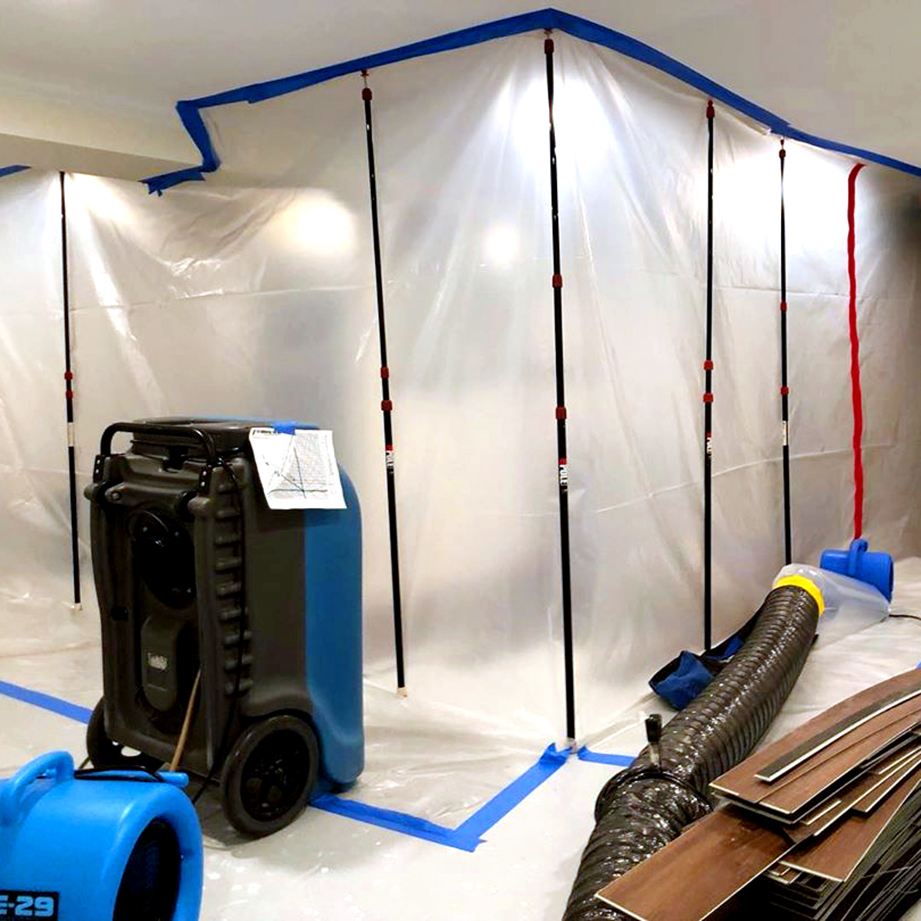
Getting a Professional Assessment
Here's the reality: most homeowners can't accurately judge whether their engineered floor can be repaired or needs replacement. Wear layer thickness, subfloor condition, and the extent of hidden moisture damage aren't always obvious.
A professional flooring contractor will:
- Measure your wear layer thickness to confirm whether refinishing is even possible
- Inspect the subfloor for structural movement, soft spots, or moisture issues
- Check for hidden damage like delamination or mold growth underneath
- Provide a cost comparison between repair and replacement based on your specific situation
- Test moisture levels in both the flooring and subfloor to rule out ongoing problems
At Rovin's Flooring, we've worked with engineered hardwood floors across Chicago and the 60-mile radius to the North and West for years. We've seen what works and what doesn't: and we'll give you an honest assessment of whether repair makes financial sense or whether replacement is the smarter long-term investment.
If you're dealing with damaged engineered floors and aren't sure what your options are, contact us for a free estimate. We'll evaluate your floor's condition and walk you through the best path forward: no pressure, just straight answers.
Final Takeaway
Engineered hardwood can often be repaired or refinished: but only if your wear layer is thick enough and the damage isn't structural. Surface scratches, light staining, and isolated board damage are fixable. Widespread delamination, thin wear layers, and subfloor problems usually mean it's replacement time.
When in doubt, get a professional opinion before you commit to either option. Repairing when you should replace wastes money. Replacing when you could repair wastes even more.
Want to know exactly what's possible with your floor? Reach out to Rovin's Flooring for a no-obligation assessment. We'll measure, inspect, and give you a clear recommendation: and a detailed cost breakdown( so you can make the right call.)