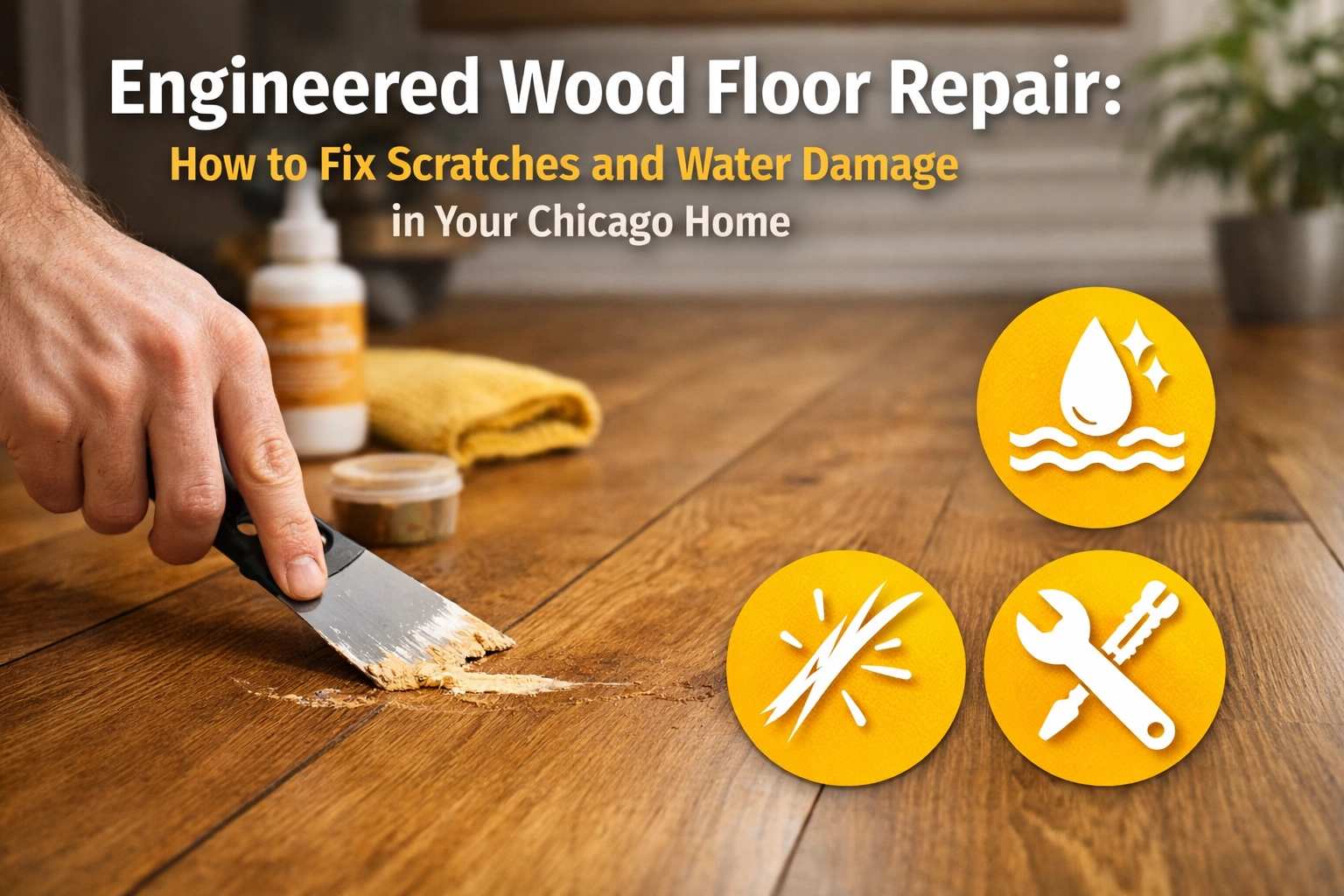
Engineered hardwood flooring has become the gold standard for homeowners across Chicago. It offers the timeless beauty of solid wood with added stability against the city's notorious humidity swings. However, "stable" doesn't mean "indestructible." Between the winter slush we drag in from Michigan Avenue and the everyday wear and tear from pets and furniture, your floors are bound to face some challenges.
Whether you are dealing with a nagging scratch from a moved chair or the dreaded buckling caused by a localized leak, understanding how to handle engineered hardwood floor repair is essential. At Rovin's Flooring Inc, we’ve seen it all: from the North Shore to the Western Suburbs: and we know exactly what it takes to bring those floors back to life.
Understanding the Anatomy of Your Floor
Before you grab a tub of wood filler, you need to understand what makes engineered wood unique. Unlike solid hardwood, which is one consistent piece of timber, engineered planks consist of a thin top layer of real wood (the veneer or "wear layer") bonded over multiple layers of high-density fiberboard (HDF) or plywood.
This construction is why engineered wood handles Chicago's humidity levels so well, but it also means you have a limited amount of real wood to work with. Most veneers are only 1/16 to 1/8 of an inch thick. If you sand too aggressively, you risk "burning through" to the plywood core, which is a mistake that usually requires a full plank replacement.
How to Fix Minor Scratches and Scuffs
Chicago homes are busy places. Scratches are inevitable, but they don't always require a professional. If the scratch is "white" or hasn't fully penetrated the wood color, it’s likely just in the finish.
1. Using Touch-Up Kits and Markers
For light surface scratches, a wood repair marker or a floor repair wax stick is your best friend. These come in dozens of shades to match species like Red Oak, White Oak, or Walnut.
- The Process: Clean the area, apply the marker along the scratch, and buff away the excess with a clean cloth.
- Pro Tip: Always test the color in an inconspicuous area, like a closet, before applying it to the middle of your living room.
2. Wood Refresher
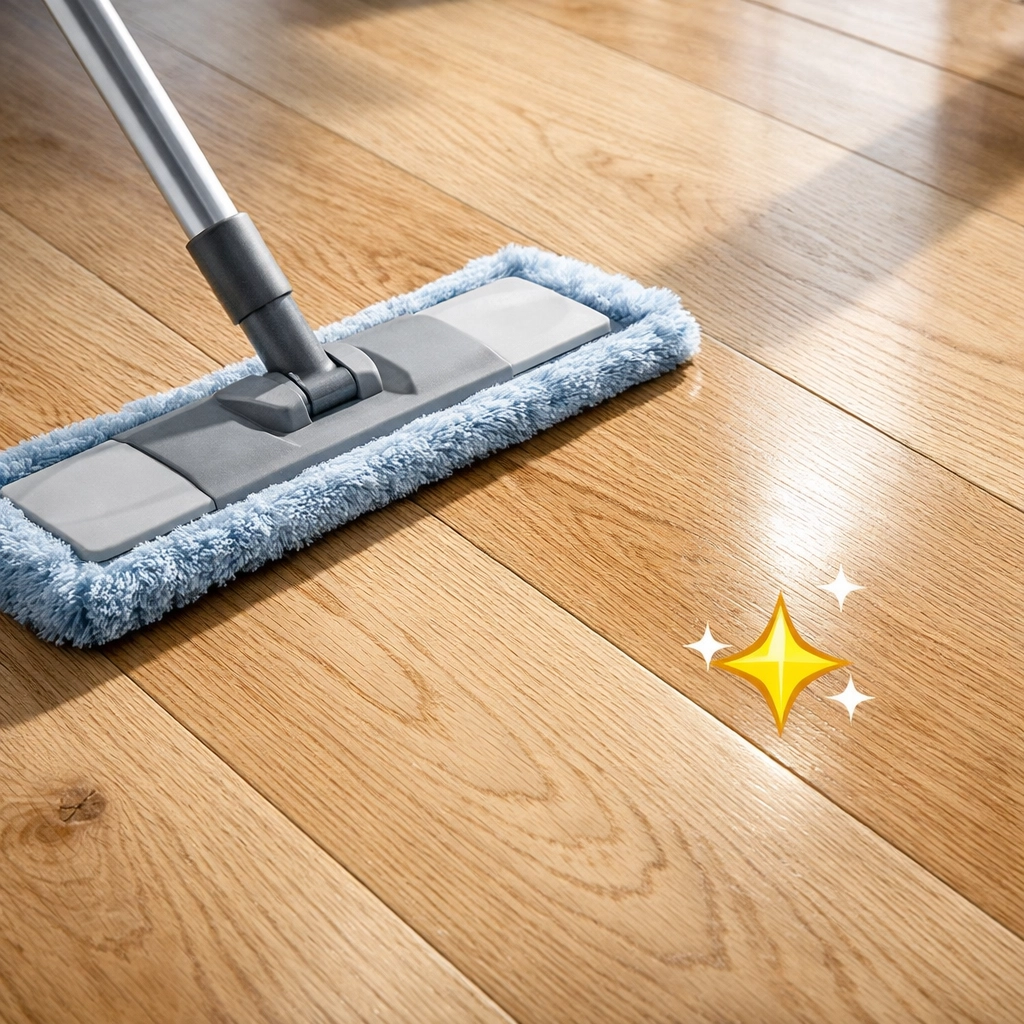
If your floor has lost its luster due to micro-scratches (the kind caused by dust and foot traffic), a product like the Bona Wood Floor Refresher can help. It fills in those tiny abrasions and restores the gloss levels without a full refinish.
Repairing Deep Scratches and Gouges
When a scratch is deep enough to feel with your fingernail or has exposed the raw wood beneath the stain, you need a more robust approach to Chicago hardwood floor repair.
- Clean the Area: Use a damp (not wet) microfiber cloth to ensure no dust or debris is trapped in the gouge.
- Fill the Gap: Use a high-quality wood filler that matches your floor’s species. Apply it with a plastic putty knife to avoid further scratching.
- Sand Lightly: Once the filler is dry, use a fine-grit sandpaper (around 180-220 grit) to smooth it out. Remember: sand with the grain and stay localized to the repair.
- Stain and Seal: If the filler isn't pre-colored, you may need a small dab of matching stain. Finally, apply a thin coat of polyurethane finish to protect the spot and blend it with the surrounding floor.
Dealing with Water Damage: The Chicago Homeowner's Nightmare
Water and wood are natural enemies. In Chicago, water damage often comes from two sources: major spills/leaks or the "slow creep" of seasonal humidity. Because engineered wood is glued or clicked together, water can seep into the joints, causing the edges to swell: a phenomenon known as "cupping."
Identifying Serious Water Damage
- Buckling: The planks literally lift off the subfloor. This usually happens after a significant flood.
- Discoloration: Dark spots often indicate mold or permanent tannin damage within the wood.
- Delamination: The top veneer begins to peel away from the plywood base.
If you catch a spill early, dry it immediately and use a fan to circulate air. However, if the damage is deep, you need to call in the specialists at Rovin's Flooring Inc.
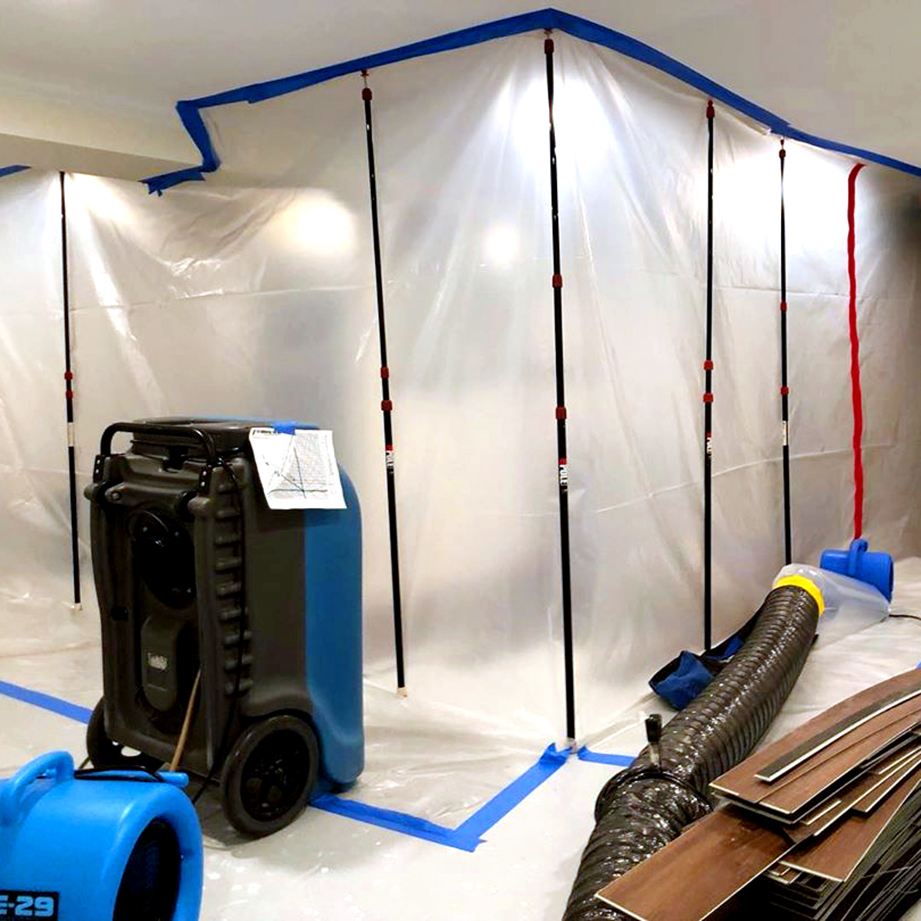
Above: A professional water damage restoration zone set up by Rovin's Flooring Inc. We use industrial-grade dehumidifiers and specialized containment to ensure the moisture is pulled from the subfloor before any new wood is laid.
When to Repair vs. When to Replace
A common question we get is: "Can I just refinish my engineered floors?"
The answer depends entirely on the thickness of that top wear layer. Most high-quality engineered floors can be refinished once or twice. If the damage is localized: like a single area of repair engineered wood floor water damage: replacing specific planks is often more cost-effective than refinishing the whole room.
The Plank Replacement Process
If a plank is too damaged to save, we perform a "surgical" removal.
- Removal: We carefully cut the damaged plank out without disturbing the surrounding boards.
- Subfloor Check: We inspect the subfloor to ensure it is dry and level.
- Installation: We take a replacement plank (ideally from the original installation leftovers), trim the tongues, and use a professional-grade adhesive to secure it.
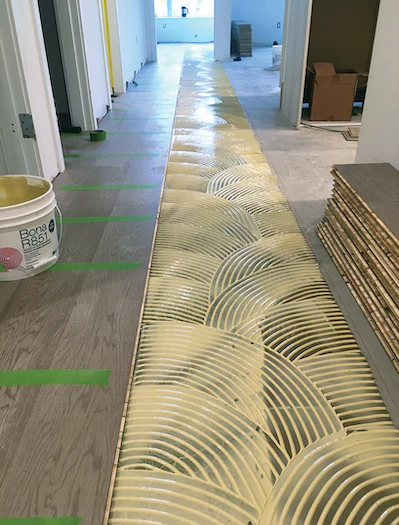
Our team uses premium adhesives like Bona R851 to ensure a permanent bond that accommodates the natural expansion and contraction of your home.
Why Professional Help is Crucial for Chicago Homes
While DIY kits are great for a Saturday afternoon fix, major engineered hardwood floor repair requires professional precision. Chicago’s climate is unique; our homes face extreme dry heat in the winter and heavy humidity in the summer. This cycle puts immense stress on floor repairs.
At Rovin's Flooring Inc, we are Chicago’s top specialists for a reason. We serve the city and a 60-mile radius extending North and West: covering areas like Arlington Heights, Elgin, and Naperville. We understand the specific subfloor challenges of Chicago bungalows and high-rise condos alike.
The Dangers of "DIYing" Major Repairs:
- Structural Issues: Failing to address moisture in the subfloor will cause your new repair to fail within months.
- Finishing Fails: Matching the sheen of a factory-finished engineered floor is notoriously difficult. A "patch" that doesn't match can be more of an eyesore than the original scratch.
- Dust Contamination: Sanding without industrial vacuum systems can send fine wood dust into your HVAC system. We utilize dustless sanding technology to keep your home clean.
Prevention: Protecting Your Investment
The best repair is the one you never have to do. To keep your engineered floors looking pristine in the Windy City, follow these maintenance rules:
- Mind the Temperature: Keep your home between 60-80°F and maintain a relative humidity of 30-50%. Check out our guide on temperature and wood floors.
- Use Walk-off Mats: Place heavy-duty mats at every entrance to catch salt, slush, and grit before it reaches your hardwood.
- Damp Mop Only: Never use a steam mop on engineered wood. The heat and moisture can force the glue layers apart.
- Furniture Pads: Use felt pads under every chair leg and table. In Chicago's North and West suburbs, we recommend checking these pads every six months as they wear down.
Conclusion
Your floors are the foundation of your home’s aesthetic. While engineered wood is durable, it still requires a watchful eye and the occasional touch-up. For minor scuffs, a simple DIY kit might suffice. But when the damage goes deeper: especially when water is involved: don't risk the integrity of your home.
Whether you need a quick estimate or a full-scale restoration, Rovin's Flooring Inc is here to help. We bring years of expertise to every project, ensuring your Chicago home remains as beautiful as the day the floors were first installed.
Ready to fix those floors? Contact us today for a professional estimate and let Chicago's hardwood specialists handle the rest.