Chicago winters are brutal, there's no way around it. Between the lake-effect snow, the constant freeze-thaw cycles, and enough road salt to cure a year's worth of bacon, our hardwood floors take a serious beating from November through March. If you've ever noticed white residue, dull spots, or mysterious scratches appearing on your beautiful floors during winter, you're not alone.
The good news? With the right strategies, you can keep your hardwood looking gorgeous all winter long. Let's dive into exactly what's happening to your floors and how to protect them.
What Winter Actually Does to Your Hardwood
Understanding the enemy is half the battle. Winter attacks your hardwood floors on two fronts, and both can cause lasting damage if ignored.
Moisture is problem number one. When snow and slush melt on your floors, that water doesn't just sit there politely, it seeps into the wood grain. Hardwood is hygroscopic, meaning it absorbs and releases moisture based on its environment. When moisture gets in, the wood expands. This causes cupping (where boards curve upward at the edges), warping, and in severe cases, actual structural damage that requires professional intervention.
Salt and de-icing chemicals are problem number two. That white, crusty residue tracked in from sidewalks and parking lots isn't just ugly, it's abrasive. Calcium chloride crystals act like sandpaper under your feet, scratching your floor's protective finish. Over time, this dulls the shine, creates micro-scratches that trap dirt, and can even cause discoloration. Once your finish is compromised, moisture damage accelerates exponentially.
Your First Line of Defense: Strategic Matting
Here's a game-changer: proper matting can eliminate about 80% of winter floor damage before it starts. But we're not talking about those flimsy decorative mats, you need the heavy-duty stuff.
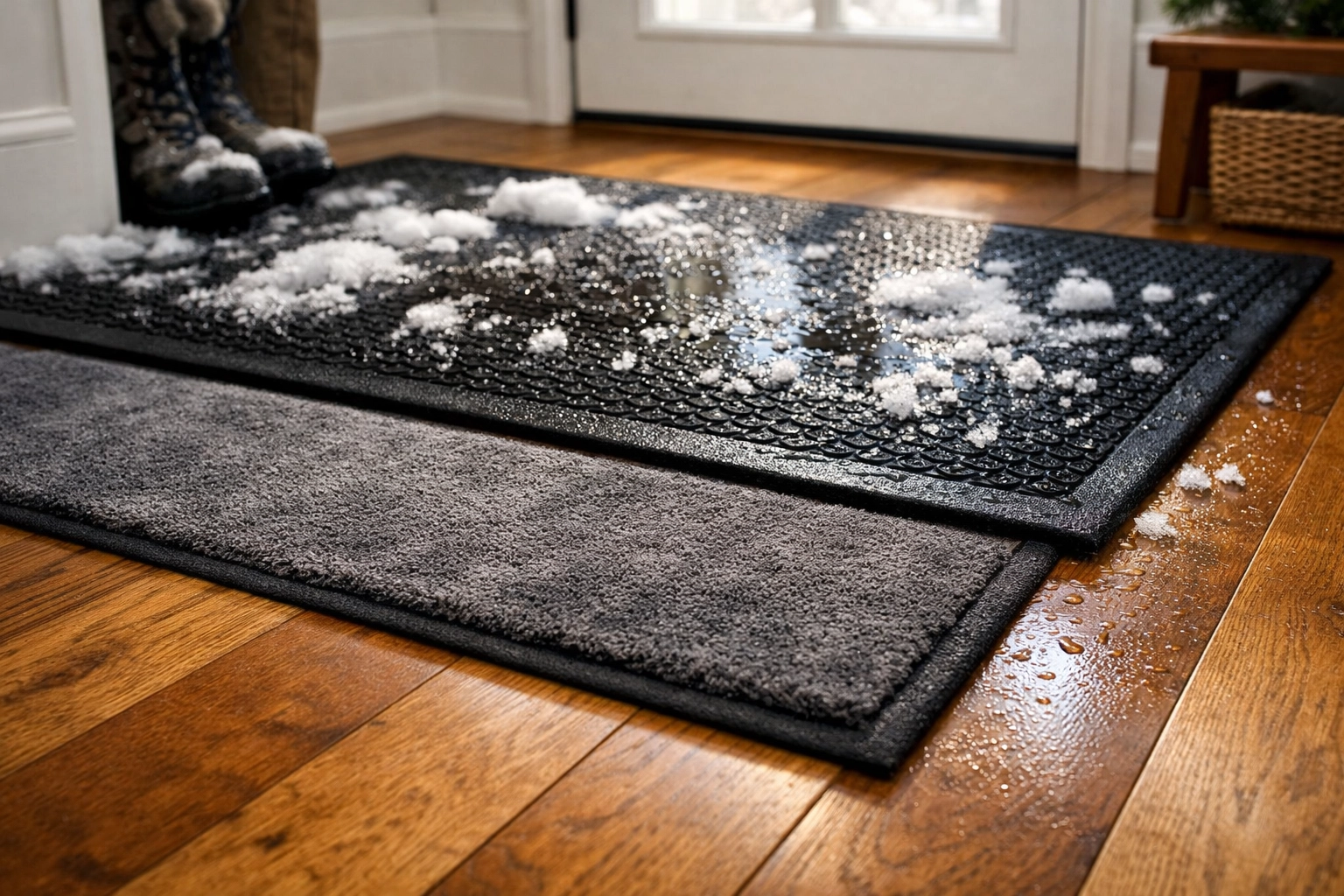
Place a sturdy outdoor mat right outside your door to catch the bulk of snow and salt. Then, put a second absorbent mat just inside the entrance. This two-mat system works because the outdoor mat scrapes off chunks, while the indoor mat soaks up remaining moisture.
Flooring experts recommend at least 15-18 feet of total matting coverage for maximum effectiveness. In practical terms, that's a couple of larger mats or a runner that extends deeper into your entryway. Choose mats with rubber backing to prevent slipping, and here's the part people forget, regularly clean underneath them. Mats can trap moisture against your floor, which defeats the whole purpose.
For homes serving Chicago and the 60-mile radius extending North and West, where winter weather can be particularly unpredictable, consider keeping boot trays near entrances too. They corral melting snow and keep puddles contained.
The Shoes-Off Policy (Yes, Really)
I know it feels formal, but establishing a shoes-off policy during winter months is one of the simplest ways to protect your investment. Keep a bench or chair near your entrance so removing boots isn't a hassle.
If going fully shoes-off doesn't work for your household, at least keep a boot brush or towel by the door. A quick wipe-down before entering removes the worst offenders and takes literally five seconds.
Pre-Winter Protection: Seal the Deal
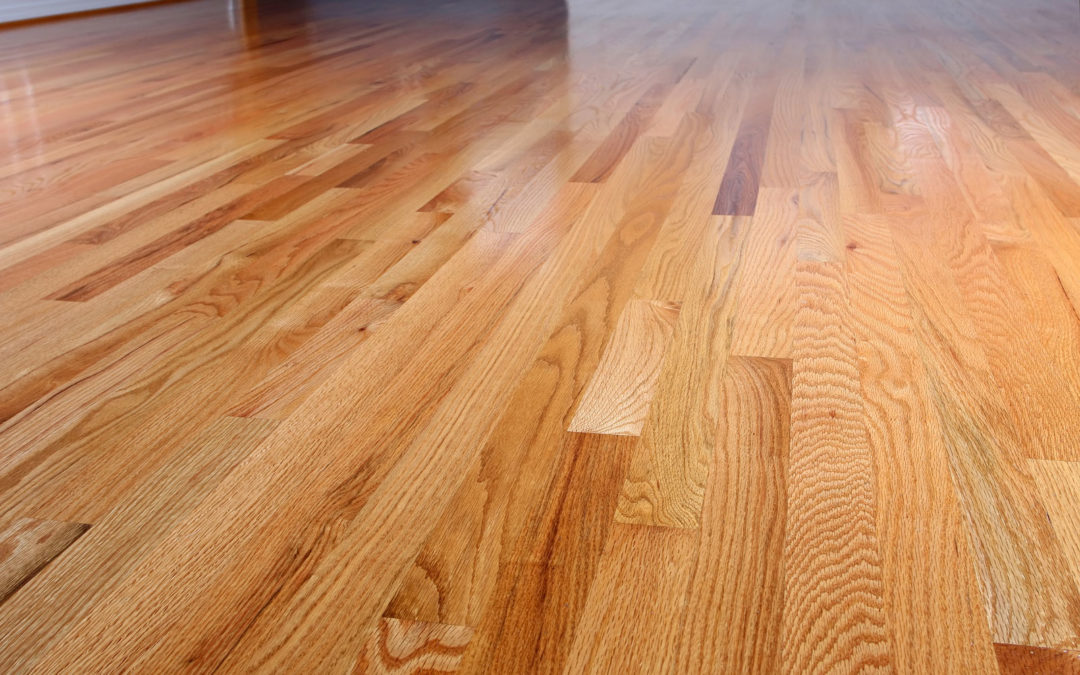
Before the first snowflake falls, consider giving your floors an extra layer of protection. A fresh coat of sealant or wax creates a barrier between salt crystals and your actual wood surface. Think of it as a winter coat for your floors.
For high-traffic entryways where you know salt exposure will be heaviest, applying an additional protective layer just to those areas makes sense. Some homeowners even use temporary protective runners during the worst months (typically December through February in Chicago).
If your floors haven't been professionally refinished in several years, late fall is an excellent time to schedule that work. Fresh finish provides maximum protection going into winter. At Rovin's Flooring Inc., we serve Chicago and areas extending North and West, and we always recommend timing refinishing projects for pre-winter completion when possible.
Daily and Weekly Maintenance Routines
Consistency beats intensity when it comes to winter floor care. Here's what actually works:
Daily: Sweep or vacuum high-traffic areas. This removes abrasive salt crystals before they get ground into your finish. Use a vacuum with a hardwood floor setting or a soft-bristle broom: nothing too aggressive.
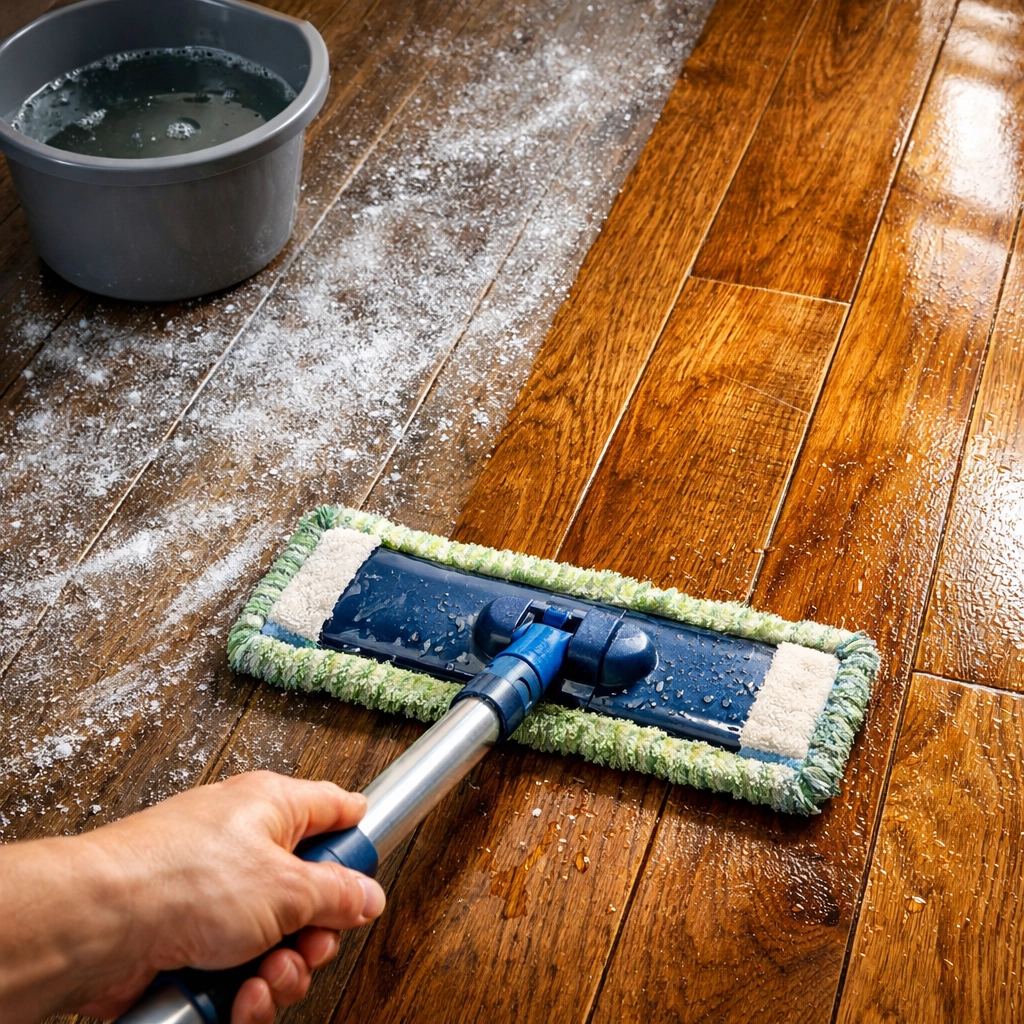
Weekly: Damp mop using a microfiber mop with warm water and a splash of white vinegar. The vinegar dissolves salt safely without harsh chemicals. The key word here is "damp": wring out your mop thoroughly. You want it barely wet, not dripping. Excess water is just as damaging as salt.
Immediately: Wipe up any visible puddles or wet spots as soon as you notice them. Keep microfiber cloths or paper towels handy near entrances during winter. Even small puddles can seep into seams between boards if left sitting.
Use only pH-neutral cleaners specifically designed for hardwood floors. Those all-purpose cleaners under your sink? They're probably too harsh and can strip your protective finish over time.
The Deep Clean Every Two Weeks
During peak winter season, your floors need more than daily sweeping. Every two weeks, do a more thorough cleaning to tackle salt buildup that regular mopping misses.
This is where having the right products matters. Look for hardwood floor cleaners that specifically mention salt removal. If you notice persistent white residue, a diluted vinegar solution (1/4 cup per gallon of water) works wonders: just don't overuse it, as too much acidity can eventually dull your finish.
For stubborn spots, slightly dampen a microfiber cloth with your cleaning solution and work the area in the direction of the wood grain. Patience and elbow grease beat harsh chemicals every time.
Humidity Control: The Often-Forgotten Factor
Here's what catches people off guard: Chicago winter air is incredibly dry, especially indoors with heating systems running constantly. While you're worried about too much moisture from snow, your floors are actually shrinking from lack of humidity.
Ideal indoor humidity for hardwood is 30-50%. Below that, you'll see gaps forming between boards and potentially hear more creaking. Above that (which rarely happens in winter), you risk the expansion issues we discussed earlier.
A whole-home humidifier integrated with your HVAC system is the gold standard, but portable humidifiers placed strategically throughout your home work too. This isn't just good for your floors: it's better for your health, your furniture, and your heating bills.
When to Call in the Professionals
Sometimes, despite your best efforts, damage happens. Here's when DIY stops being enough:
- Visible cupping or warping: This indicates moisture has penetrated deeply
- Finish worn through to bare wood: Once the protective layer is gone, damage accelerates rapidly
- Persistent discoloration: Some salt staining penetrates beyond what surface cleaning can fix
- Widespread dullness: If your entire floor has lost its luster, professional refinishing restores it
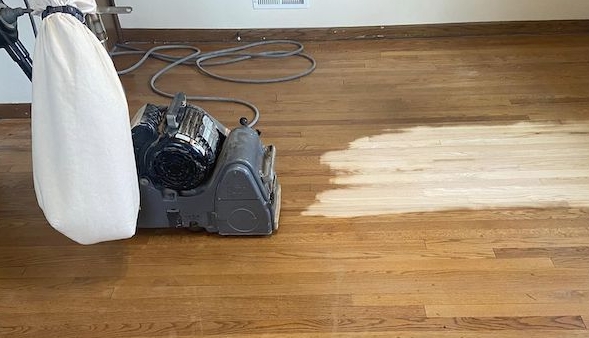
At Rovin's Flooring Inc., we handle winter damage repair and refinishing throughout Chicago and extending North and West. Often, what looks like extensive damage can be corrected with professional sanding and refinishing, which costs far less than replacing boards. Our dustless refinishing process means minimal disruption: we can typically complete most residential projects in just a few days.
The Long Game
Protecting your hardwood floors from Chicago winter weather isn't about one big solution: it's about consistent small actions. Mats at the doors, shoes off when practical, regular cleaning with the right products, and maintaining proper humidity levels. These habits become second nature after your first winter of practicing them.
Your hardwood floors are a significant investment and a beautiful feature of your home. With proper winter maintenance, they'll continue looking stunning for decades, regardless of how much salt and slush gets thrown at them each year. And when spring finally arrives (usually around May in Chicago), you'll have floors that look just as good as they did in October.
For professional hardwood maintenance, refinishing, or winter damage repair in Chicago and areas extending North and West, Rovin's Flooring Inc. has been helping homeowners protect their investment for years. Sometimes peace of mind is worth a professional assessment: especially if you're unsure whether you're looking at surface damage or something deeper.
Stay warm out there, and keep those floors dry!