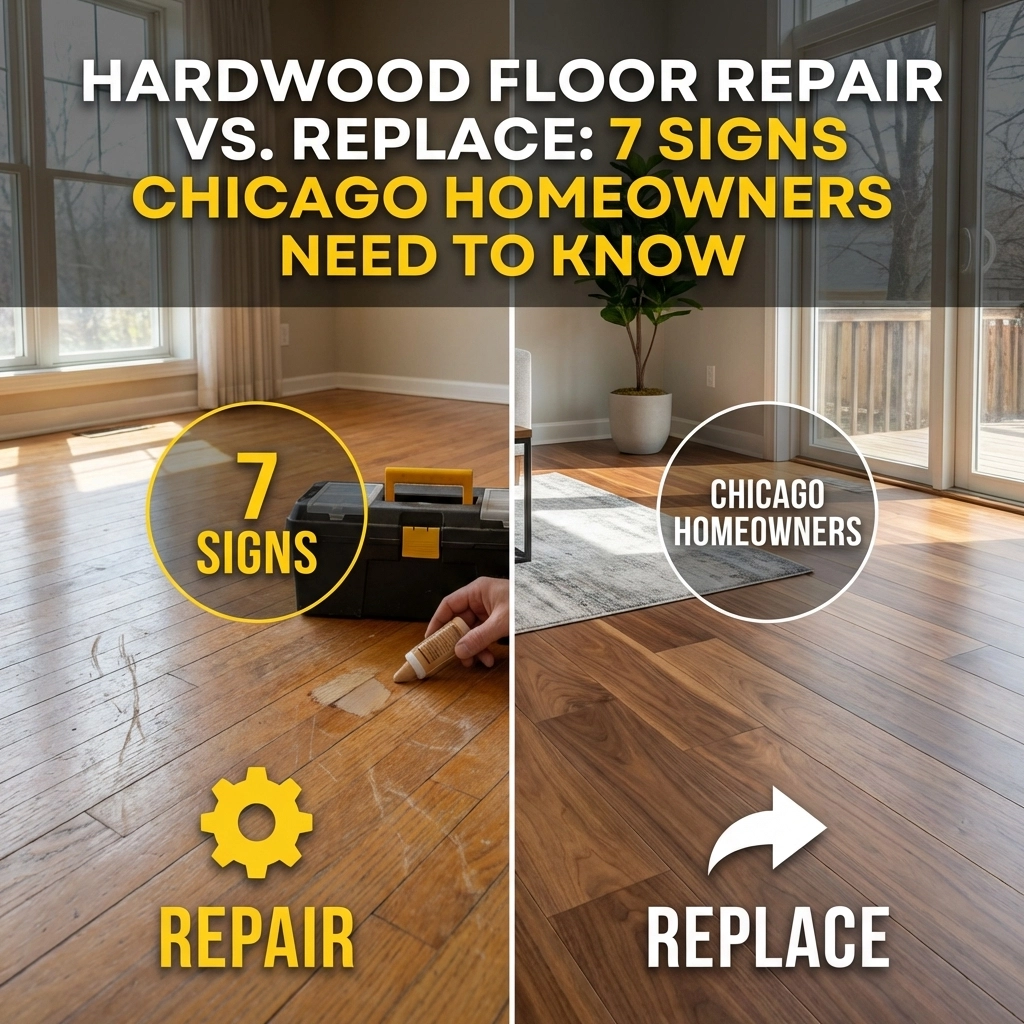
Your hardwood floors have been through a lot. Chicago winters, summer humidity spikes, kids running around, pets scratching, and years of daily life have left their mark. Now you're staring at your floors wondering: should I refinish them or is it time for a complete replacement?
It's a question we get almost daily at Rovin's Flooring Inc, and honestly, the answer isn't always obvious. Sometimes what looks like major damage can be fixed with a good refinishing job. Other times, floors that seem "okay" are actually hiding serious structural problems that require full replacement.
Here's the thing: making the wrong call can cost you thousands of dollars and months of regret. That's why we've put together this guide based on over two decades of working with hardwood floors throughout Chicago and our 60-mile service area extending north and west.
Understanding the Basics: Refinish vs. Replace
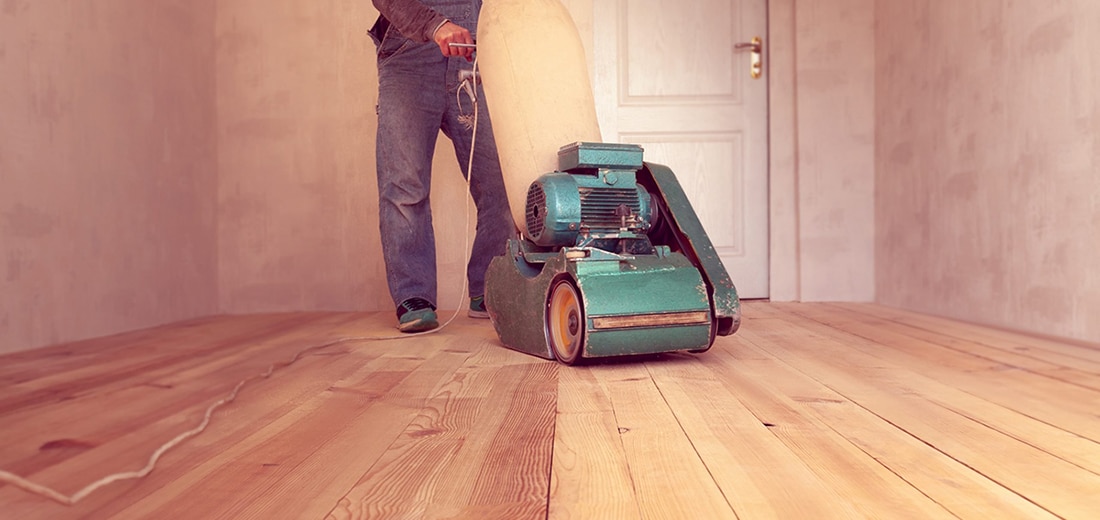
Before we dive into the seven key signs, let's get clear on what we're talking about. Refinishing means sanding down the existing floor surface, removing scratches and stains, and applying new stain and finish. Replacement means pulling up the old flooring entirely and installing new hardwood.
Refinishing typically runs $3-5 per square foot, while replacement can cost $8-15+ per square foot depending on the wood species and complexity. But here's the catch: trying to refinish floors that actually need replacement often leads to poor results and wasted money.
Sign #1: Deep Scratches and Gouges
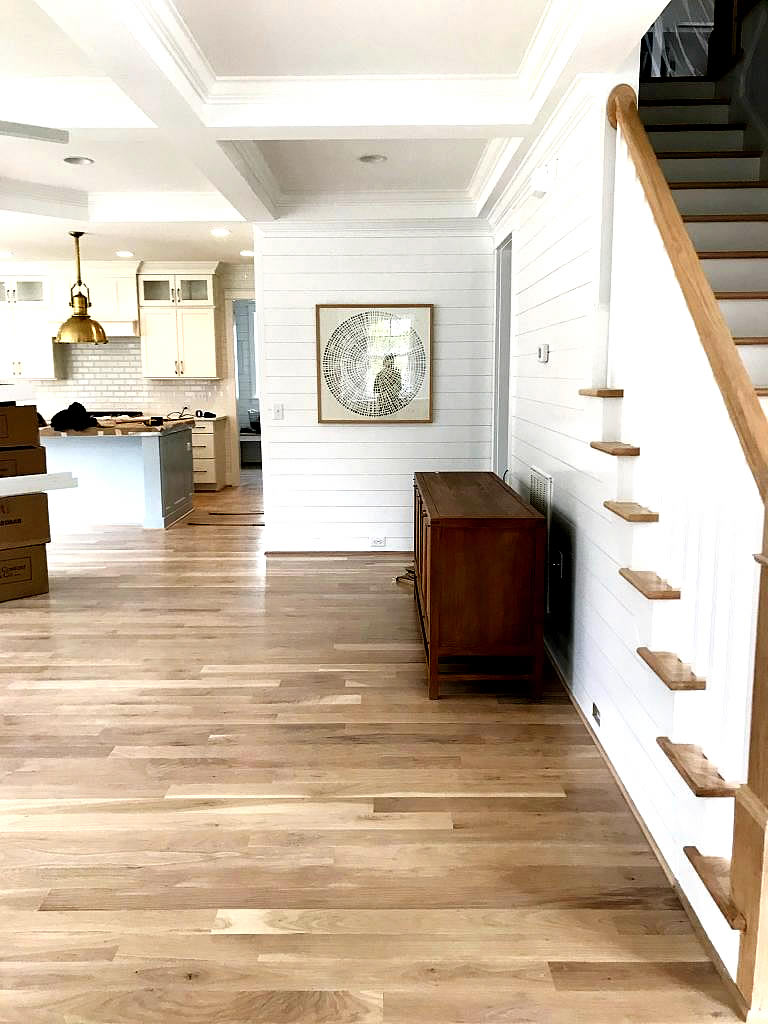
Surface scratches from furniture legs, pet claws, or dropped items are usually no big deal: that's what refinishing is for. But when you can catch your fingernail in a scratch, or when gouges go all the way through to the subfloor, you're looking at a different situation.
Refinishing works when: Scratches are surface-level and haven't penetrated through the wood's protective finish into the actual wood grain.
Replacement needed when: Deep gouges expose raw wood, scratches span across multiple boards, or damage covers more than 30% of your floor area. We've seen Chicago homes where moving day mishaps created deep channels that simply can't be sanded out safely.
Sign #2: Water Damage and Staining
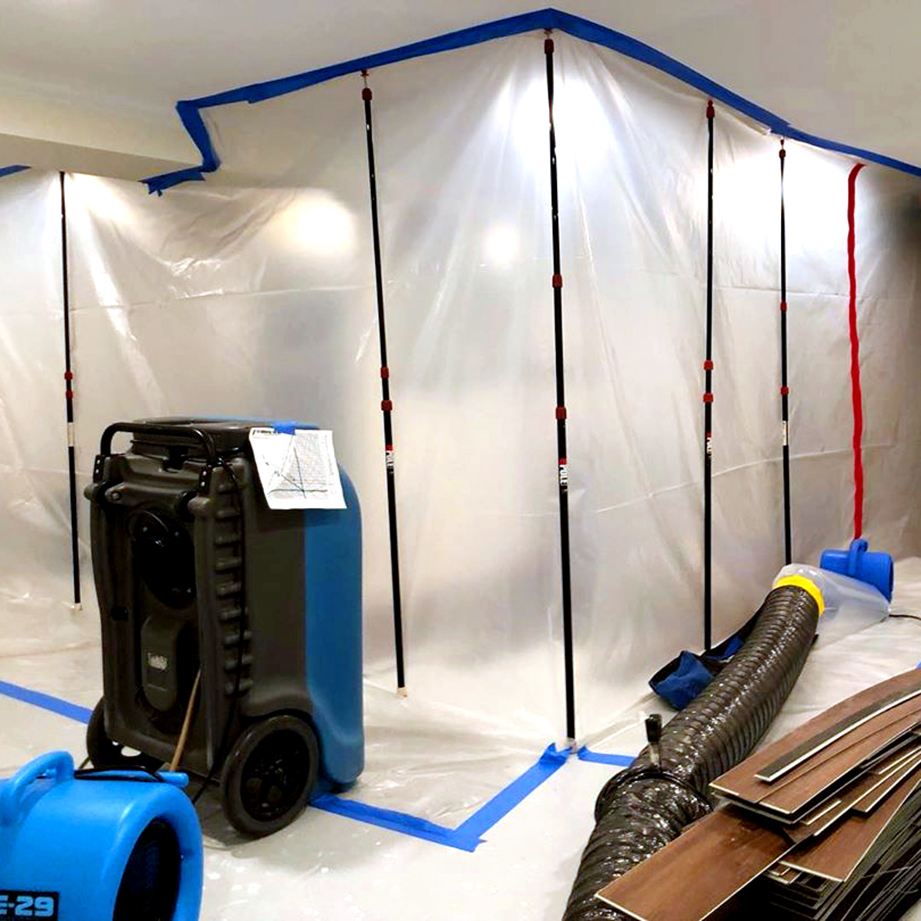
Chicago's humidity swings are brutal on hardwood floors. Summer moisture can cause swelling, while winter heating systems create bone-dry conditions. Add in the occasional basement flood, leaky window, or pet accident, and water damage becomes a real concern.
Refinishing works when: You see surface water stains, light discoloration, or minor cupping that happened recently and dried out completely.
Replacement needed when: Boards are warped, buckled, or have that telltale black staining that indicates mold growth. If you can feel height differences between boards when walking, or if stains have penetrated deep into the wood grain, refinishing won't fix the underlying problem.
Sign #3: Excessive Wear and Fading
High-traffic areas naturally show more wear. In Chicago homes, we typically see the most damage near entryways (thanks to our messy weather), kitchen walkways, and hallways. Sun exposure through south-facing windows can also create uneven fading patterns.
Refinishing works when: The wood structure is solid but the finish has worn thin, creating gray or dull patches. UV fading that's relatively uniform across the affected area responds well to refinishing.
Replacement needed when: Wear patterns have gone through multiple layers of wood, creating noticeable indentations or "traffic lanes" that feel different underfoot. Some floors in older Chicago homes have been refinished so many times that there's simply not enough wood thickness left for another sanding.
Sign #4: Structural Issues (Warping and Buckling)
This is where Chicago's climate really shows its impact. Our dramatic seasonal changes cause wood to expand and contract repeatedly. Over time, this can lead to permanent structural changes in your flooring.
Refinishing works when: Minor seasonal cupping that flattens out when humidity stabilizes, or slight crowning that can be sanded down without compromising board thickness.
Replacement needed when: Boards have buckled up from the subfloor, creating ridges you can see and feel. Severe cupping that doesn't improve with climate control, or any situation where boards have separated from their fastenings. These problems indicate moisture issues that go deeper than the floor surface.
Sign #5: Gaps Between Planks
Some seasonal gapping is normal: Chicago winters can be especially harsh on wood moisture content. But when gaps become permanent features of your floor, it's time to assess whether refinishing will solve the problem.
Refinishing works when: Small seasonal gaps that mostly close up during humid summer months, or gaps that developed recently due to heating system changes.
Replacement needed when: Gaps are wide enough to catch heels, trap debris, or show the subfloor underneath. Gaps that stay open year-round regardless of humidity levels, or any situation where multiple boards have shrunk significantly. These usually indicate that the wood has aged beyond its useful refinishing life.
Sign #6: Creaking and Squeaking
A few creaky spots are charming in an old Chicago home, but widespread squeaking often signals underlying problems with how your floor is attached to the subfloor structure.
Refinishing works when: Creaking is minimal and isolated to just a few boards, especially if it developed recently after humidity changes.
Replacement needed when: Extensive creaking throughout the room, sounds that get worse over time, or any situation where boards feel loose or spongy underfoot. These problems require accessing the subfloor structure, which isn't possible with surface refinishing alone.
Sign #7: Age and Previous Refinishing History
This might be the most important factor that homeowners overlook. Hardwood floors aren't infinitely renewable: each refinishing removes a layer of wood, and there's a limit to how many times this process can be safely repeated.
Refinishing works when: Your floors have been refinished 2 times or fewer, the wood is still 3/4 inch thick after measuring, and previous refinishing jobs were done properly with adequate wood removal.
Replacement needed when: Floors have been refinished 3+ times already, wood thickness measures less than 5/8 inch, or previous refinishing jobs cut corners and left problems that can't be corrected. Many Chicago homes built in the 1920s-1940s have original floors that have reached this limit.
Chicago Climate Considerations
Our local climate creates specific challenges that homeowners in milder regions don't face. Winter heating systems can drop indoor humidity below 20%, while summer months can spike above 70%. This constant expansion and contraction accelerates wear patterns and can reveal structural problems that developed gradually over time.
If your floors have made it through several Chicago winters without major issues, that's actually a good sign for refinishing potential. But floors that struggle with each seasonal change are often candidates for replacement with more stable engineered products or better climate control systems.
Making the Decision: Professional Assessment
Here's the reality: while these seven signs give you a solid starting point, the final decision often comes down to factors that aren't visible from the surface. Subfloor condition, moisture levels, structural integrity, and even the specific wood species all play roles in determining the best approach.
At Rovin's Flooring Inc, we've seen too many homeowners make costly mistakes by trying to refinish floors that needed replacement, or replacing floors that could have been beautifully restored for a fraction of the cost. A professional assessment takes the guesswork out of this decision.
The Bottom Line
The choice between refinishing and replacement isn't just about cost: it's about getting results that will last and protecting your investment in your Chicago-area home. Surface-level problems generally respond well to refinishing, while structural issues almost always require replacement.
When in doubt, it's worth having a professional evaluation. A good flooring contractor can measure wood thickness, assess subfloor conditions, and help you understand what's realistic for your specific situation. The small cost of a professional consultation can save you from much larger mistakes down the road.
Whether your floors need refinishing or full replacement, the most important thing is addressing problems before they get worse. Chicago's climate doesn't give damaged floors much mercy, and waiting often turns refinishing candidates into replacement projects.
If you're ready to get a professional assessment of your hardwood floors, contact Rovin's Flooring Inc today. We serve Chicago and extend our services 60 miles north and west, bringing over 20 years of experience to help you make the right decision for your home and budget.