
If you live in the Chicago area, you know the drill. One week it’s a humid 90-degree afternoon that feels like a swamp, and a few months later, it’s a sub-zero "Polar Vortex" that dries out your skin, your sinuses, and: most importantly for our discussion today: your floors.
At Rovin's Flooring Inc., we’ve seen it all. I’m Adrian Tiutiu, and after years of installing and refinishing floors from the North Side out to the Western Suburbs, I can tell you that Chicago is one of the toughest environments in the country for hardwood. Your floors are basically living, breathing organisms that react to every shift in our wild Midwestern weather.
Choosing the right wood isn’t just about picking a color you saw on Pinterest; it’s about choosing a material that can survive the "accordion effect" of our seasons. In this guide, I’ll break down exactly what you need to know to make sure your investment lasts for decades.
The Science of the "Chicago Accordion"
Before we look at the species, we have to understand the enemy: seasonal expansion and contraction. Wood is hygroscopic, meaning it absorbs and releases moisture based on the air around it.
- Summer (The Expansion): In July and August, humidity levels in Chicago often skyrocket. Your wood floor absorbs that moisture and expands. If there isn't enough "breathing room" or if the wood is unstable, you get cupping or buckling.
- Winter (The Contraction): In February, when your furnace is running 24/7, the air becomes incredibly dry. The wood releases its moisture and shrinks. This is when you start seeing those annoying gaps between your floorboards.
To keep your floors healthy, you want to maintain your home’s humidity levels between 30% and 45% year-round. But even with a great HVAC system, your choice of flooring material makes a massive difference in how much movement you'll see.
Solid vs. Engineered Hardwood: Which Wins in the Windy City?
This is the most common question I get. In many parts of the country, solid hardwood is the undisputed king. In Chicago, the conversation is a bit more nuanced.
Solid Hardwood
Solid hardwood is exactly what it sounds like: one solid piece of wood from top to bottom.
- Pros: It can be sanded and refinished many times over 50–100 years. It’s the "forever" floor.
- Cons: Because it is a single piece of organic material, it is the most susceptible to our humidity swings. It moves a lot.
Engineered Hardwood
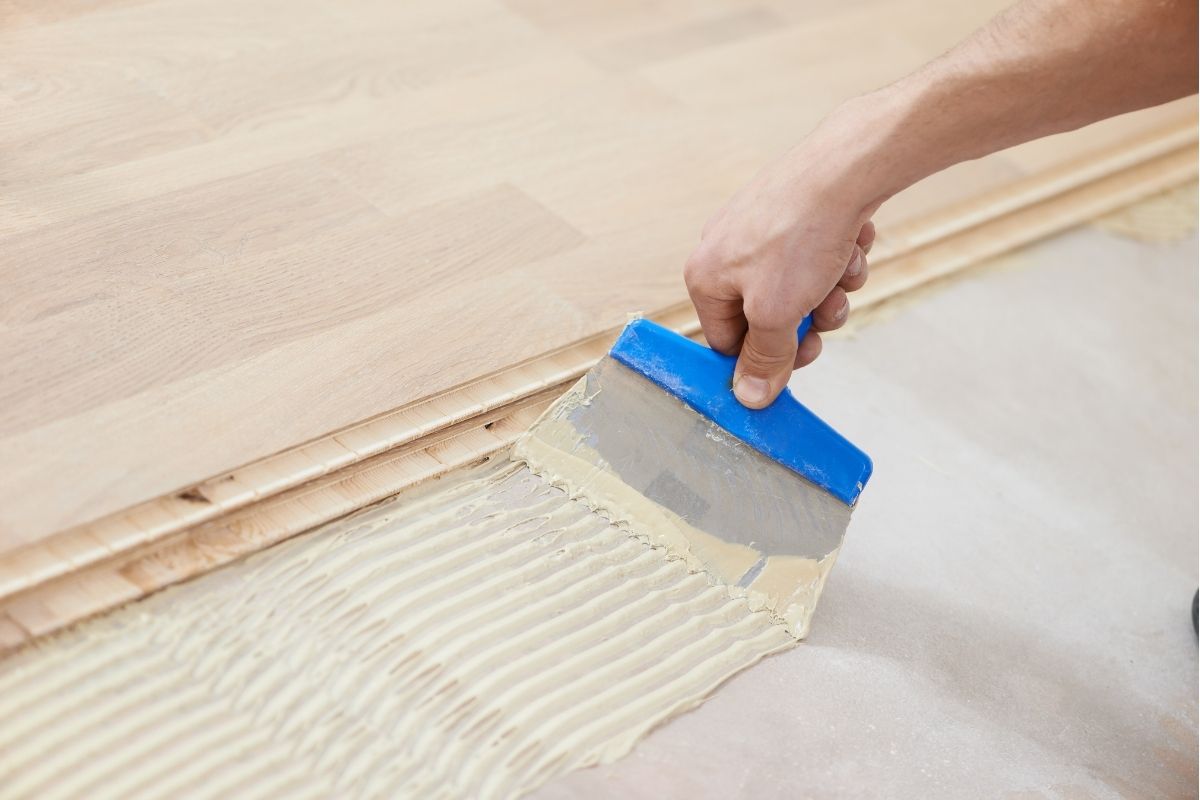
Engineered wood is made of a real hardwood veneer on top of multiple layers of plywood or HDF (High-Density Fiberboard) stacked in a cross-grain pattern.
- Pros: That cross-grain construction makes it incredibly stable. It resists the urge to expand and contract much better than solid wood. It’s also the go-to choice if you are installing over concrete or in a basement.
- Cons: You can usually only sand it once or twice (depending on the thickness of the wear layer).
The Verdict: If you are in a high-rise downtown or a home with a concrete subfloor, engineered is almost always the right call. If you have a traditional crawlspace or basement home in the North or West suburbs and you’re committed to climate control, solid hardwood is still a fantastic, lifelong investment.
The Best Wood Species for Chicago Homes
Not all trees are created equal. Some are "softer" and more reactive, while others are built like tanks. Based on our experience serving the Chicago area and its 60-mile radius (extending North and West), here are the top performers.
1. White Oak (The Professional Choice)
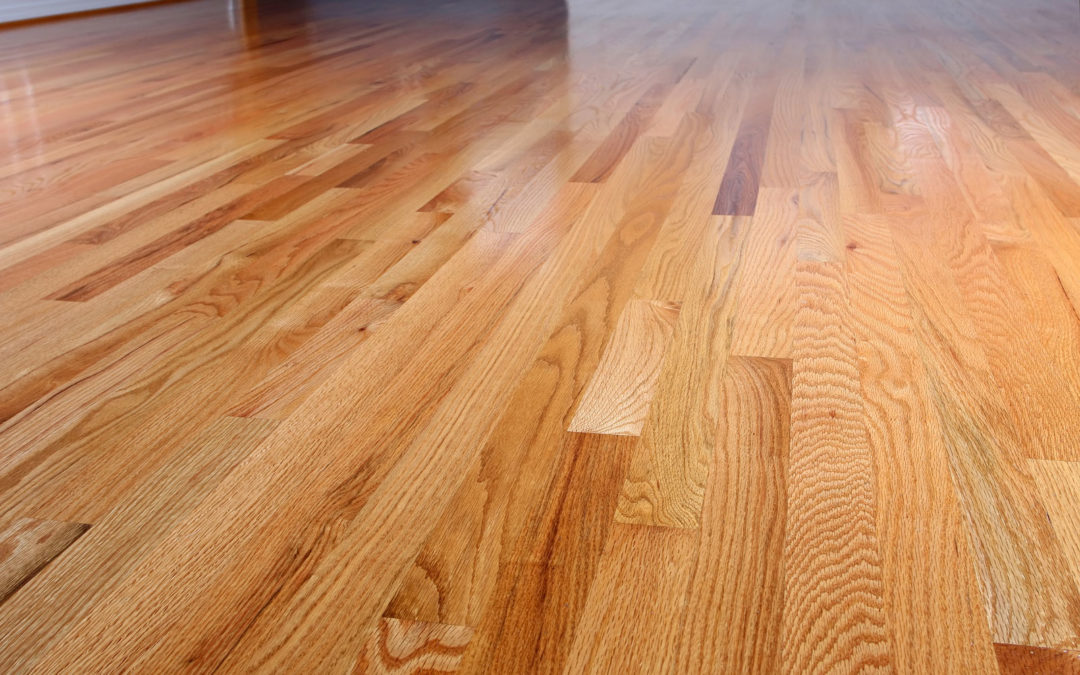
White Oak is currently the most popular choice in Chicago, and for good reason. It’s incredibly durable (1360 on the Janka hardness scale) and has a closed-cell structure, which makes it more resistant to water and decay than other species.
- Trend Watch: Homeowners are loving the neutral, wheat-colored tones of White Oak. It takes stain beautifully and lacks the heavy red/pink undertones of its cousin, Red Oak.
2. Red Oak (The Chicago Classic)
If you walk into a vintage home in Oak Park or Evanston, you’re probably looking at Red Oak. It’s slightly softer than White Oak but has a more "elastic" grain that hides small scratches and dents well. It’s a reliable, cost-effective workhorse.
3. Hickory (The Hardest of the Hard)
If you have big dogs, kids with cleats, or a lot of foot traffic, Hickory is your best friend. With a Janka rating of 1820, it’s one of the toughest woods available.
- Note: Because Hickory is so dense, it can be a bit more sensitive to moisture changes than Oak. If you choose Hickory, you must be diligent about your indoor temperature and humidity.
4. Maple (The Modern Look)
Maple is beautiful and light, offering a clean, modern aesthetic. However, be warned: Maple has a very tight grain, which makes it harder to stain evenly. Most Chicagoans choose a natural finish for Maple to avoid a blotchy look.
Style Trends: What's Hot in the North and West Suburbs?
While we focus a lot on the technical side, we know you want your home to look stunning. Here’s what we’re seeing in our current projects across the region:
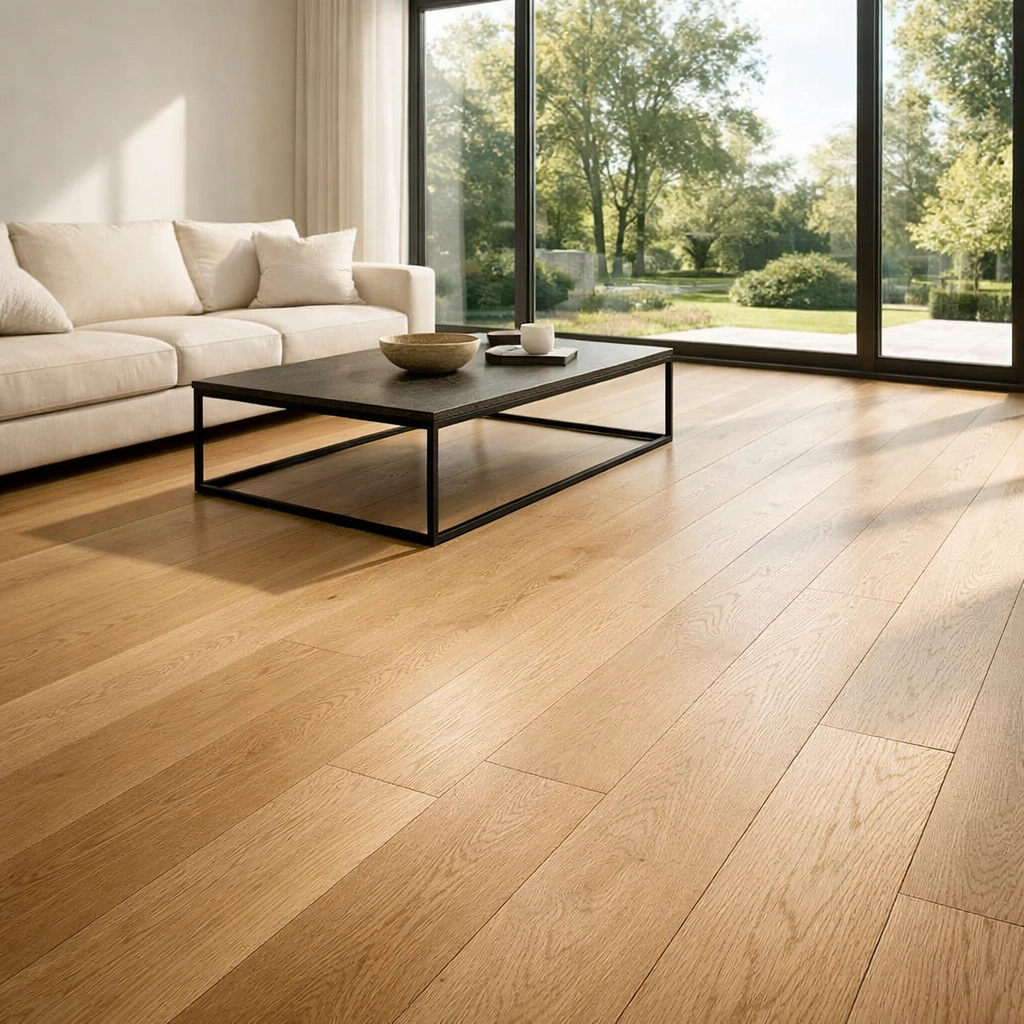
- Wide Planks: 5-inch to 7-inch planks are the standard now. They make a room feel larger and more high-end. However, remember that wider planks show more seasonal gapping than narrow strips, so engineered wood is often the best choice for this look.
- Matte and Satin Finishes: The high-gloss "bowling alley" look is out. Most of our clients are opting for matte or satin finishes. They hide scratches and dust much better than shiny floors.
- Natural and "Raw" Looks: We are doing a lot of refinishing work where we strip away old, dark cherry stains and replace them with clear, water-based finishes that highlight the wood’s natural beauty.
Maintenance: Protecting Your Investment from the Elements
Once your floors are installed, the real work begins. Chicago winters are the biggest threat. When you turn on your heater, the air loses moisture, and the wood starts to shrink.
- Get a Whole-Home Humidifier: This is the #1 tip I give every client. It’s not just for your floors; it’s for your health and your furniture too.
- Use the Right Cleaners: Avoid vinegar and water or "steam mops." Steam is the fastest way to ruin a hardwood floor. Use a pH-neutral cleaner designed specifically for hardwood. Check out our maintenance guide for more details.
- Entrance Mats are Mandatory: Between the slush, the road salt, and the grit, Chicago winters are a sandpaper nightmare for wood finishes. Use high-quality mats at every entrance to catch debris before it hits your floors.
Why Professional Installation Matters in This Region
I’ve seen plenty of DIY jobs gone wrong. In a climate like ours, the subfloor preparation is just as important as the wood itself.
Before we lay a single plank, we test the moisture content of the subfloor and the new wood. If the wood hasn't properly "acclimated" to your home’s environment for several days, it will shift violently once it’s nailed down. We also look at sound barriers for condo owners to ensure you stay on good terms with the neighbors downstairs.
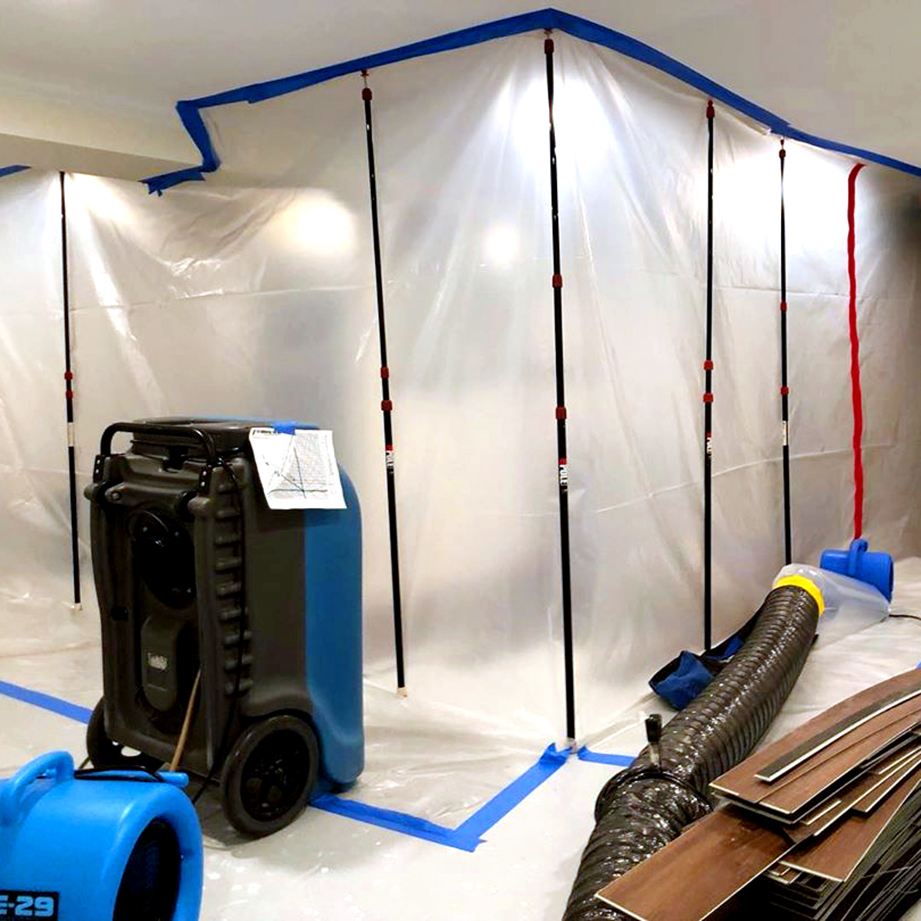
If you’ve experienced a burst pipe or a flooded basement during a spring thaw, you might also need water extraction and restoration services before new floors can even be considered.
Comparison Table: Choosing Your Floor
| Feature | Solid Hardwood | Engineered Hardwood |
|---|---|---|
| Durability | High (can be sanded many times) | Moderate to High |
| Stability | Moderate (reacts to humidity) | High (very stable) |
| Best For | Main floors, crawlspace homes | Basements, condos, over concrete |
| Cost | Typically higher for material | Varies (can be more or less) |
| Chicago Winter Performance | Prone to gapping | Minimal movement |
Final Thoughts from Rovin's Flooring Inc.
Choosing hardwood flooring in Chicago is a balancing act between aesthetics and physics. Whether you’re in a historic home in Arlington Heights or a new build in Naperville, you need a floor that can handle the swing from a humid July to a freezing January.
My team and I serve the entire area North and West of the city, ensuring that every installation is handled with the precision required for our unique climate. We believe that wood is the best choice for any home: it’s why wood has remained the gold standard for centuries. It’s warm, it’s sustainable, and it adds incredible value to your property.
If you’re ready to upgrade your space or need help refinishing your existing boards, don’t guess on the materials. Let the experts help you navigate the process. You can browse our gallery for inspiration or reach out to us directly for estimates.
Stay warm (or cool), and let’s get those floors looking beautiful.
Ready to start your project? Contact us today to discuss which hardwood option is right for your Chicago home.