
If you live in Chicago, you know that our weather doesn't just "change": it transforms. We go from "frozen tundra" in January to "tropical rainforest" in July, sometimes within the same week. While we can just throw on a coat or turn up the AC, your home’s flooring doesn't have it that easy.
Choosing the right hardwood floors in Chicago is about more than just picking a color you like on Pinterest. It’s about understanding how wood reacts to the extreme humidity swings of the Midwest and making a choice that won't result in gaps, cupping, or costly repairs five years down the line.
At Rovin's Flooring Inc., we’ve spent years installing and refinishing floors across Chicago and its North and West suburbs. We've seen what works in a historic bungalow in Oak Park and what fails in a modern high-rise in the West Loop. Here is the ultimate guide to choosing the hardwood your Chicago home actually needs.
1. The Great Debate: Solid vs. Engineered Hardwood
For most Chicagoans, the first decision is the biggest: do you go with traditional solid hardwood or the more modern engineered option?
Solid Hardwood: The Forever Floor
Solid hardwood is exactly what it sounds like: one solid piece of wood from top to bottom. It is the "gold standard" for a reason. It can be sanded and refinished multiple times (often 4–6 times over its life), meaning it can literally last a century.
The Chicago Catch: Solid wood is a sponge. In our dry winters, it shrinks, creating small gaps between planks. In our humid summers, it expands. If you have a solid wood floor, you must maintain a consistent humidity level (ideally 35–55%) using humidifiers and AC.
Engineered Hardwood: The Stability King
Engineered hardwood consists of a real wood veneer on top of multiple layers of high-quality plywood or HDF. These layers are glued in a cross-grain pattern, which makes the plank incredibly stable.

Why Chicagoans Love It: Engineered wood moves about 50% less than solid wood when the humidity changes. This makes it the superior choice for:
- Basements: Where moisture levels are naturally higher.
- Over Concrete: Common in many modern Chicago condos.
- Radiant Heating: Which can dry out solid wood too quickly.
If you’re looking at an engineered hardwood floor repair later down the line, it’s usually because of surface scratches or minor water damage, which are often easier to manage when the structure of the floor remains stable.
2. Best Wood Species for the Midwest Climate
Not all wood is created equal when it comes to durability and stability. At Rovin’s, we work with over 20 unique species, but for Chicago, a few clear winners emerge.
White Oak
Currently the most popular choice in 2026, White Oak is incredibly stable and highly resistant to moisture. Its tight grain pattern makes it less prone to the "movement" issues common in our climate. It also takes stains beautifully, whether you want a light, natural look or a deep, modern ebony.
Red Oak
The classic American choice. Red Oak is slightly more porous than White Oak but still very durable. It has a more pronounced grain and a warmer natural tone. If you are matching existing floors in an older Chicago home, Red Oak is often the way to go.
Maple
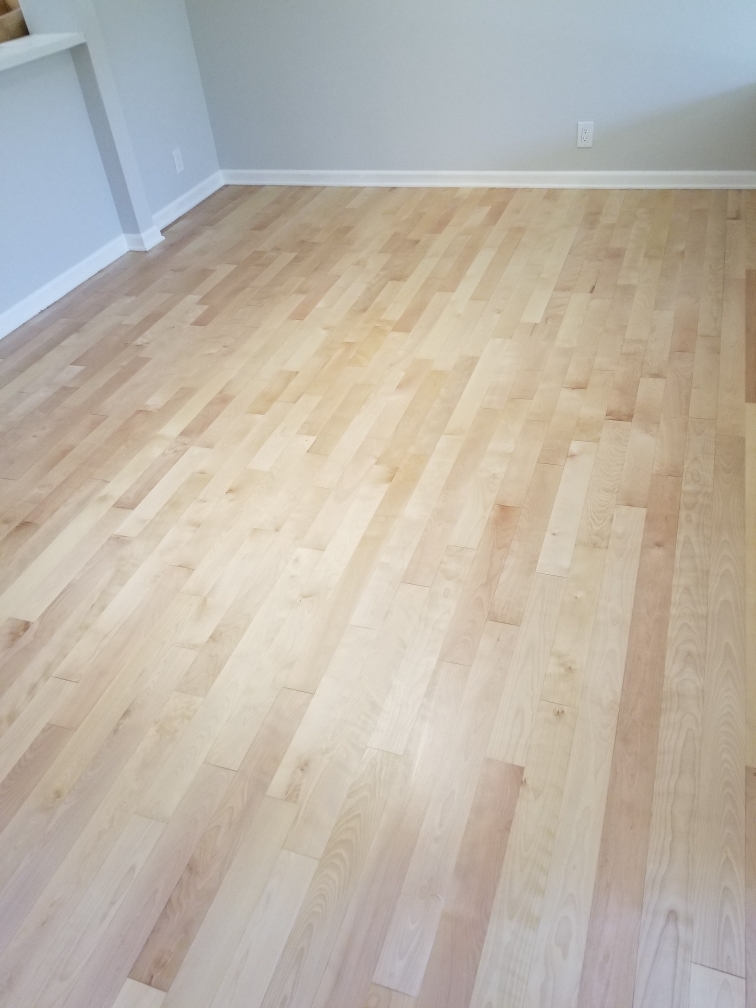
If you want a clean, modern, and bright look, Maple is fantastic. It’s very hard (denser than Oak), making it great for high-traffic areas. However, because it’s so dense, it can be tricky to stain evenly, which is why many homeowners prefer it in its natural state.
3. Installation: Getting it Right the First Time
Installation in Chicago requires a professional touch because of the "acclimation" process. You can't just bring wood from a cold warehouse and nail it down immediately. At Rovin's Flooring, we ensure the wood acclimates to your home’s specific environment for 7 to 14 days before we even open a box.
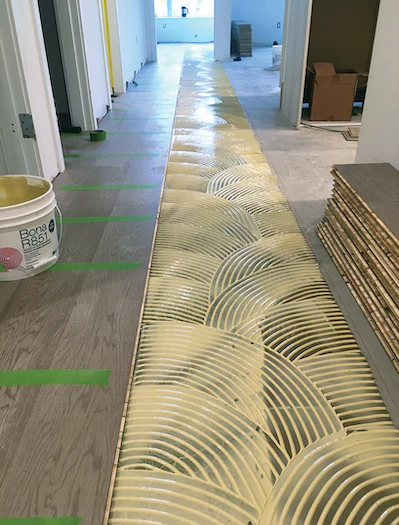
For engineered floors, we often use a glue-down installation method. Using premium adhesives like Bona R851, we create a bond that allows for some natural movement while keeping the planks perfectly aligned.
4. Finishing and Protecting Your Investment
Once the floors are down, how you finish them determines how long they’ll stay beautiful.
Water-Based vs. Oil-Based Finishes
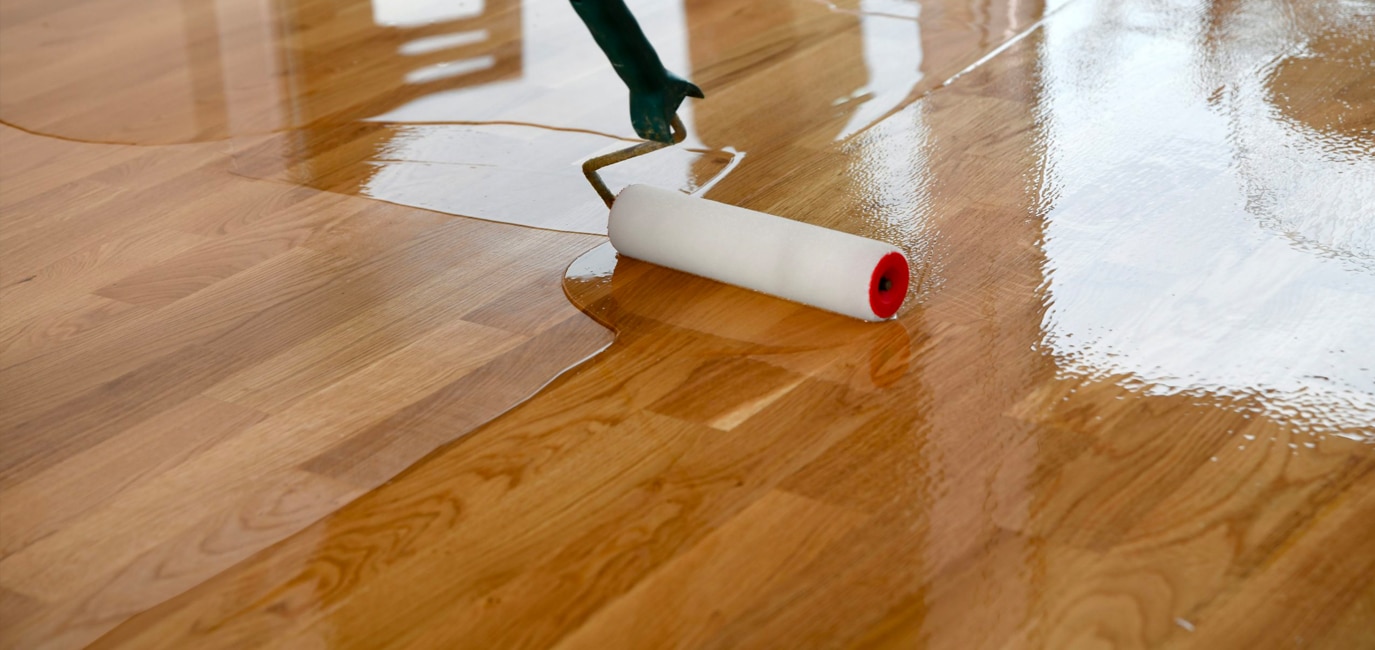
We stay current with the latest design trends, and in 2026, the trend is leaning heavily toward water-based finishes. Why?
- Faster Drying: You can walk on them much sooner.
- No Yellowing: They stay clear, preserving the natural color of the wood.
- Eco-Friendly: Lower VOCs mean fewer fumes in your home.
Oil-based finishes are still available for that classic, amber glow and deep durability, but they take significantly longer to dry and have a stronger odor during application.
5. Maintenance and "Engineered Hardwood Floor Repair"
Even the best floors face challenges: whether it's a salt-stained entryway from a Chicago winter or a scratch from a frantic pet.
If you have engineered floors and encounter a deep scratch or a dent, don't panic. Engineered hardwood floor repair is a specialized skill. Depending on the thickness of the "wear layer" (the top layer of real wood), we can often perform a light sanding and recoating to make the floor look brand new again without needing a full replacement.
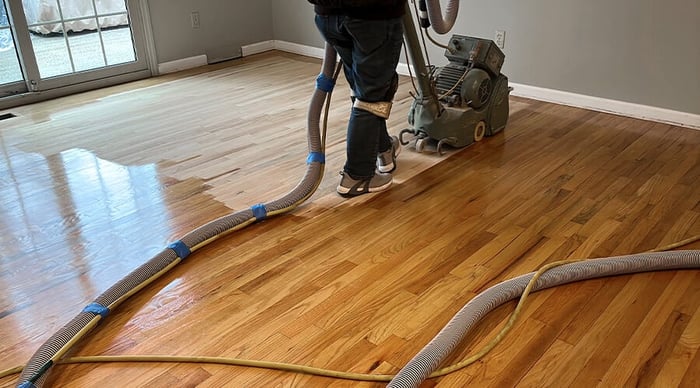
For solid floors, we offer dustless sanding technology. Traditional sanding creates a mountain of sawdust that gets into every vent and closet. Our advanced industrial equipment contains the dust, making the refinishing process much cleaner and safer for your family.
6. The Final Flourish: Trims and Transitions
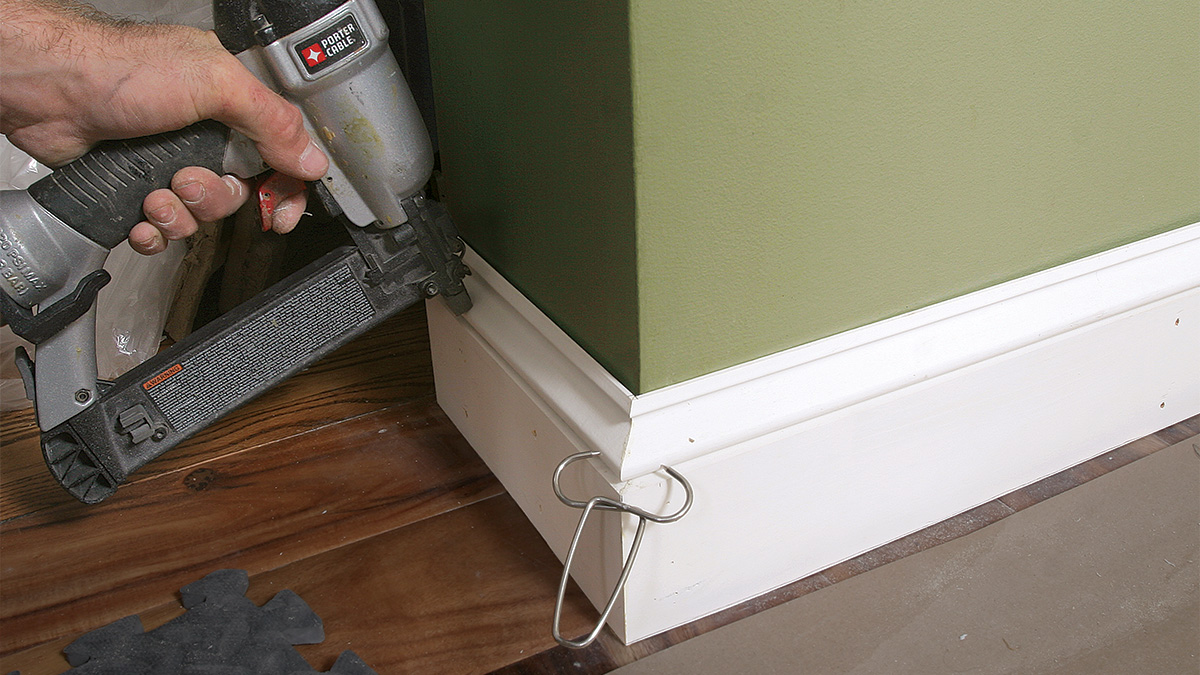
A floor isn't finished until the trim is in place. We handle everything from the staircases to the floor trims. Installing baseboards correctly ensures a seamless transition from your beautiful new floors to your walls, hiding the necessary "expansion gaps" that allow your wood to breathe during those humid Chicago summers.
Why Choose Rovin's Flooring Inc.?
We aren't just installers; we are hardwood specialists. We understand the specific architectural styles and climate challenges of the Chicago area.
Our service area covers Chicago and a 60-mile radius extending specifically North and West. Whether you are in a condo in Evanston, a historic home in Arlington Heights, or a new build in Naperville, we bring technologically advanced equipment and years of proven experience to every job.
Ready to transform your home?
If you're ready to upgrade to the beauty and durability of hardwood, or if your existing floors need a professional refinishing, we’re here to help. Explore our material guide to see our wood species or contact us for an estimate today.