Your hardwood floors have seen better days. Maybe there's a suspicious dark spot near the kitchen sink, or perhaps years of foot traffic have left their mark. You're staring at your tired floors thinking, "What now?"
If you're a homeowner in Chicago or the surrounding areas to the North and West, you've probably noticed that our brutal winters and humidity swings don't do wood floors any favors. The good news? You've got options, and understanding when to repair, refinish, or replace can save you thousands of dollars and a lot of headaches.
Let's break down each option so you can make the smartest choice for your home and budget.
Signs Your Floor Needs Attention
Before we dive into solutions, let's talk about what you're actually dealing with. Walk around your home and look for:
- Surface scratches and scuff marks that catch the light
- Dull or worn finish in high-traffic areas
- Gray "traffic lanes" where the finish has worn away completely
- Water stains or dark spots (especially concerning)
- Boards that feel loose, springy, or make excessive noise
- Gaps between boards that have widened over time
- Cupping, crowning, or warping in the wood itself
The severity and extent of these issues will point you toward the right solution.
Option 1: Repair and Recoat (The Quick Fix)
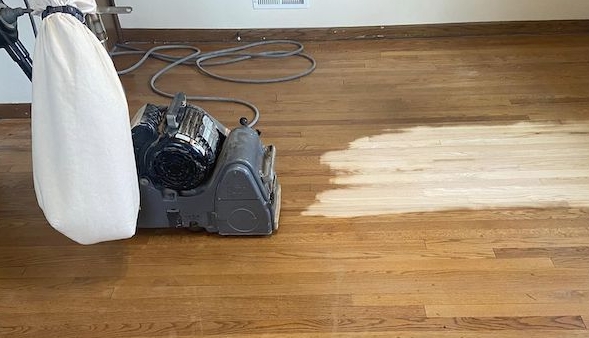
Think of this as a "refresh" for your floors. A screen and recoat, sometimes called a buff and coat, is the least invasive and most affordable option when your hardwood is in pretty good shape overall.
When it works:
- Your finish is mostly intact with no bare wood showing
- Scratches are superficial and haven't penetrated through the topcoat
- You just need to restore shine and add a protective layer
- There's no wax or oil contamination on the surface
What it involves:
The process lightly abrades the existing finish (without sanding down to bare wood), then applies fresh polyurethane. It's typically done in a day or two, and you can walk on it within 24 hours.
Cost and timeline:
This is your budget-friendly option, usually running a fraction of the cost of full refinishing. Most rooms are back in service within 48 hours.
The catch:
A recoat won't fix gray traffic lanes, deep gouges, or worn patterns. If you've got bare wood showing anywhere, this option won't cut it. It's maintenance, not restoration.
Option 2: Refinish (The Makeover)
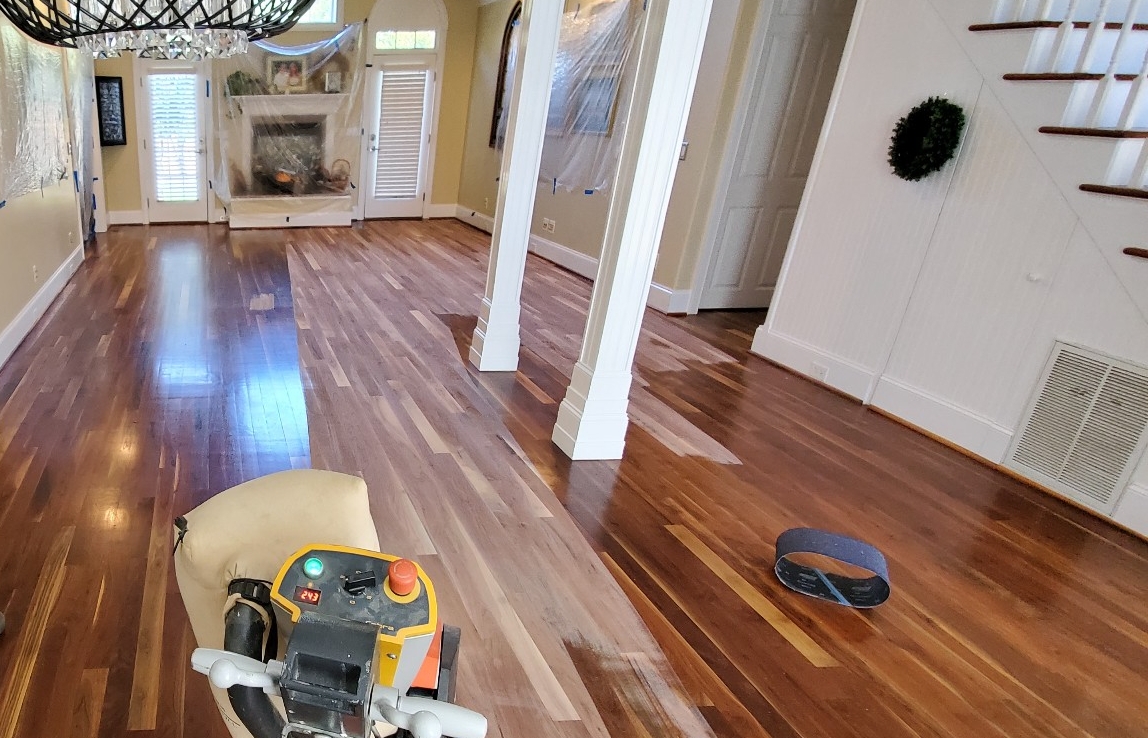
Refinishing is the sweet spot for most Chicago hardwood floor repair projects. It addresses cosmetic damage while preserving your existing wood, and it costs about 50-70% less than replacement.
When refinishing makes sense:
- The wood structure underneath is solid
- You've got surface scratches, minor stains, or dull finish
- You want to change the color or sheen of your floors
- Your floors haven't been refinished too many times already
- No major structural issues like widespread warping or buckling
The process:
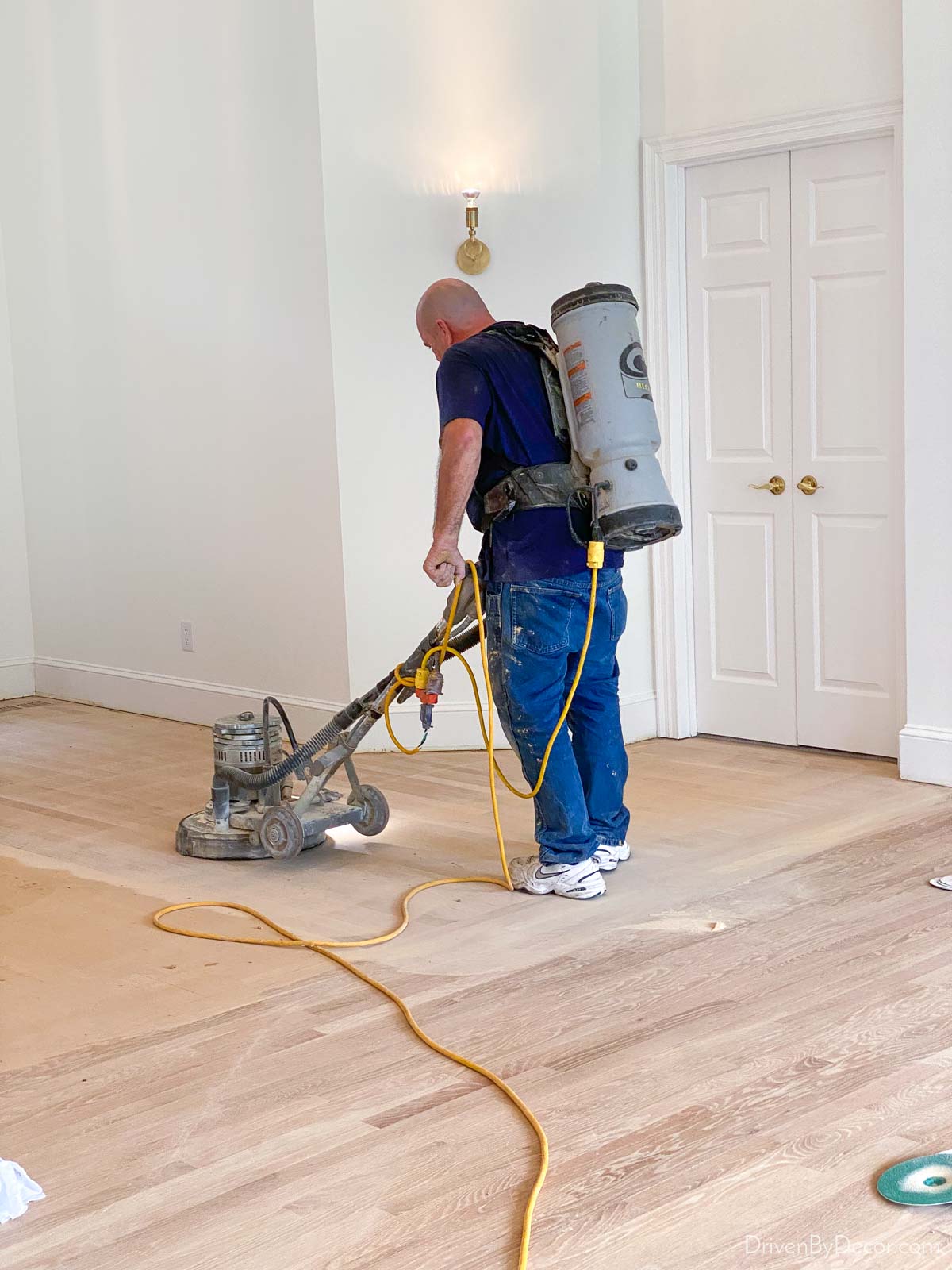
Professional floor restoration in Chicago involves sanding away the old finish entirely, removing surface damage, and applying fresh stain (if desired) and protective coating. With modern dustless sanding equipment, it's far cleaner than the old days.
Cost and timeline:
Expect to pay $3-8 per square foot depending on your floor's condition and the finish you choose. The process typically takes 3-5 days, plus a few more for the finish to fully cure. Plan to stay off your floors for at least 24 hours after the final coat.
What refinishing CAN'T do:
Here's the reality check: refinishing works within your existing floor's parameters. You can't change your wood species, make narrow planks wider, alter the grade or texture, or create patterns like herringbone. Those changes require replacement.
Also, if you have localized issues, like pet urine stains that have penetrated deep into the wood, those individual boards usually need to be replaced first, then the entire room refinished to blend everything together.
Special consideration for engineered floors:
If you have engineered hardwood, check the wear layer thickness before committing to refinishing. You need at least 3/32" (about 2.5-3mm) of solid wood on top to safely sand. Thinner wear layers can only handle one or two refinishes max.
Option 3: Replace (The Fresh Start)
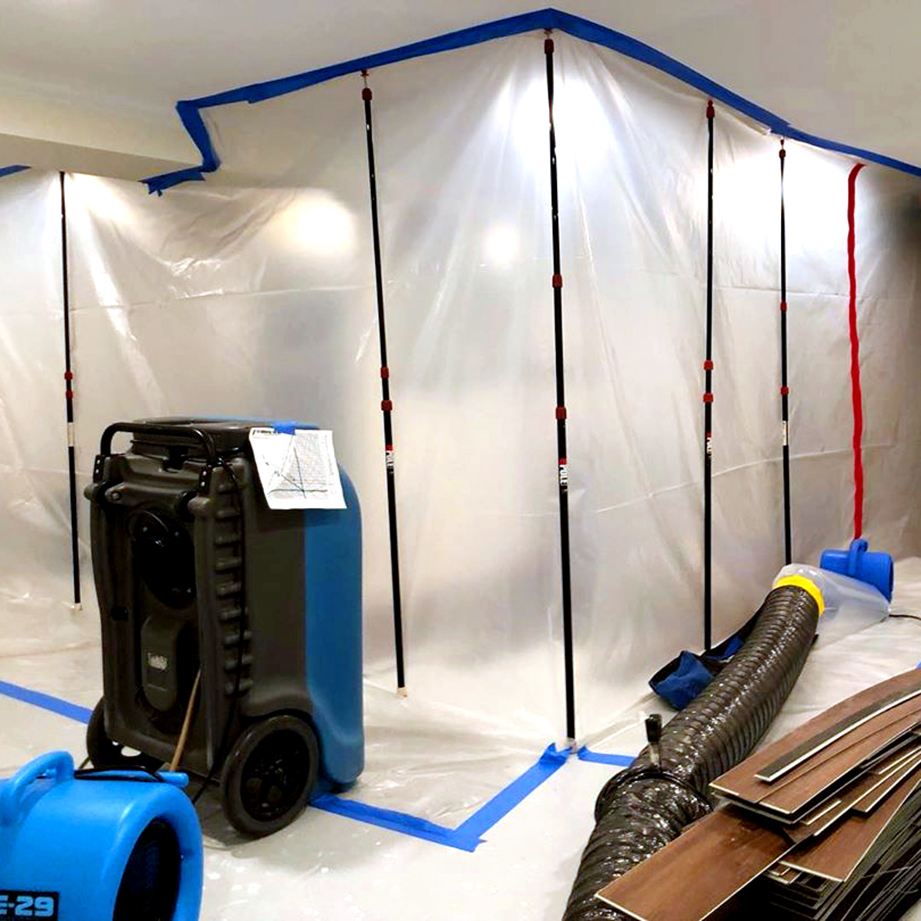
Sometimes replacement isn't just an option, it's the only option that makes sense.
When you need to replace:
- Structural damage from flooding or major leaks
- Widespread buckling, cupping, or delamination
- Your floors have been refinished so many times there's not enough wood left to sand safely
- Extensive nail pops or fastener failures
- You want a completely different look (different species, wider planks, new pattern)
- Multiple rooms have deep staining that would require replacing boards anyway
The investment:
New hardwood flooring runs $6-25 per square foot installed, plus demolition and disposal of the old floor. Yes, it's the most expensive option, but you're getting factory-finished floors with a warranty and modern installation techniques.
The upside:
Replacement gives you a blank slate. Want those gorgeous wide plank floors? Done. Dreaming of a herringbone pattern in your entryway? Now's your chance. You'll also get the latest advances in finish durability and moisture resistance.
If water damage has compromised your subfloor or multiple rooms show extensive damage, replacement often ends up being more cost-effective than trying to patch-repair-refinish your way to a satisfactory result.
How to Make Your Decision
Still not sure which route to take? Here's a practical framework:
Start with an honest assessment:
Get down on your hands and knees and really look at your floors. Is the damage localized to one or two areas, or is it everywhere? Can you feel soft spots or movement in the boards? Take photos in different lighting: sometimes damage is easier to see in morning sunlight.
Consider your timeline:
If you need results fast (like before putting your home on the market), replacement offers the quickest path to "wow" because there's no curing time. Refinishing requires patience but costs less. A recoat is fastest but only works if your floors qualify.
Think about your goals:
Are you trying to preserve the character of an older Chicago bungalow or vintage home? Refinishing maintains that authentic charm. Want a completely updated look that feels modern? Replacement might be your answer.
Factor in environmental concerns:
If sustainability matters to you, refinishing is the greener choice. You're recycling the existing material and generating less waste. Plus, those old-growth oak or maple floors in Chicago homes were harvested from forests that don't exist anymore: they're irreplaceable in the truest sense.
Get a professional opinion:
The DIY assessment gets you started, but having a professional flooring contractor examine your floors in person removes the guesswork. At Rovin's Flooring Inc, we serve Chicago and a 60-mile radius extending North and West, and we're happy to walk you through what we see and recommend the most cost-effective solution for your situation: not the most expensive one.
The Bottom Line
There's no universal right answer when it comes to refinishing vs replacing hardwood floors. A tired-looking floor with superficial wear? Refinish it and save big. Localized water damage in the bathroom? Replace those boards and refinish the room. Floor that's been refinished five times already and sounds like a trampoline when you walk on it? Time to replace.
The key is matching the solution to the actual problem: not over-fixing or under-fixing based on assumptions or budget alone.
Your Chicago hardwood floors are a significant investment in your home's value and your daily comfort. Whether you need a quick refresh or a complete replacement, understanding your options helps you make a confident, informed decision.
Need help figuring out what your floors need? Contact Rovin's Flooring Inc for a professional assessment. We've been restoring and installing hardwood floors throughout Chicago and the surrounding areas for years, and we'll give you straight answers about what makes sense for your home and budget. Call us at (773) 704-1550 to schedule a free consultation.