
If you've been considering refinishing your hardwood floors, you've probably noticed something: more and more Chicago contractors are recommending waterborne finishes. It's not just a trend, it's a genuine shift in how we think about protecting and beautifying wood floors.
But what's driving this change? And more importantly, is it the right choice for your home?
Let's break down why waterborne hardwood finishes are becoming the go-to option for homeowners across Chicago and the surrounding 60-mile radius extending North and West.
What Exactly Are Waterborne Finishes?
First, a quick primer. Waterborne (also called water-based) polyurethane finishes are protective coatings that use water as the primary solvent instead of harsh chemicals. They create a durable, clear layer over your hardwood that shields it from scratches, moisture, and everyday wear.
Traditional oil-based finishes have been the standard for decades, but waterborne technology has caught up, and in many ways, surpassed, the old-school approach.
The Environmental (and Practical) Win
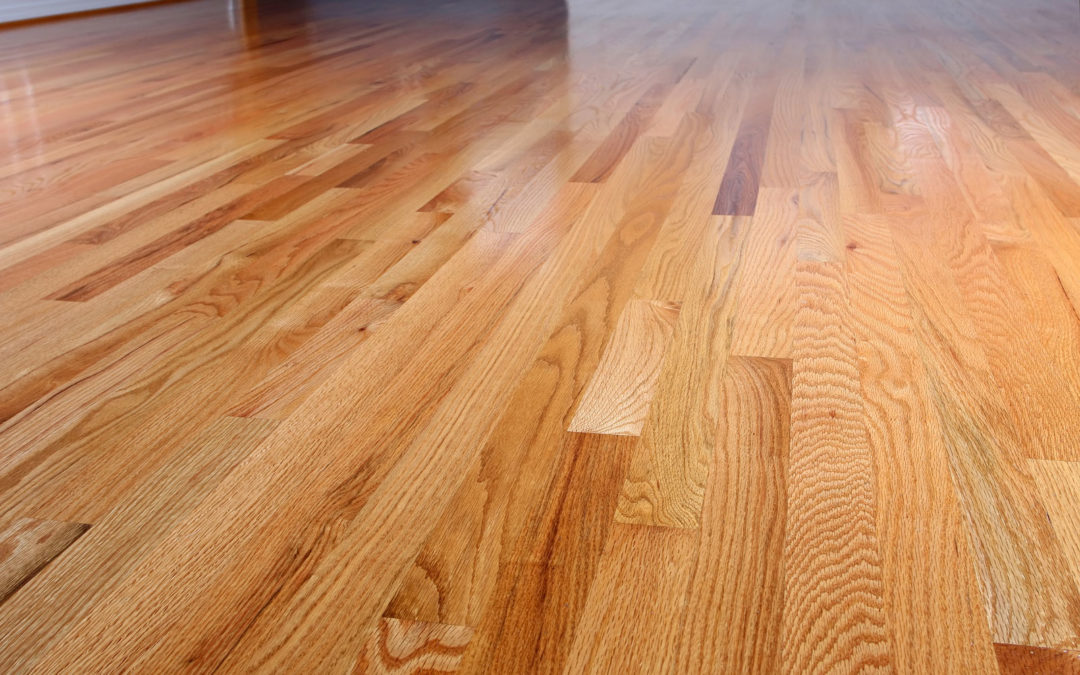
Here's the big one: waterborne finishes dramatically reduce volatile organic compounds, or VOCs. These are the chemicals that create those intense, headache-inducing fumes with traditional finishes.
With oil-based polyurethane, families often need to vacate their homes for several days while the finish cures and off-gasses. You're dealing with strong odors, potential respiratory irritation, and the hassle of finding somewhere else to stay.
Waterborne finishes? Almost no smell. Seriously.
This means you can often stay in your home during the refinishing process. For busy Chicago families juggling work, kids, and everything else, that convenience is huge. At Rovin's Flooring, we've seen firsthand how much homeowners appreciate being able to sleep in their own beds while their floors get a fresh, beautiful finish.
Speed Matters (Especially in Chicago Winters)
Let's talk timing. Traditional oil-based finishes can take days to dry enough for light foot traffic and weeks to fully cure. Waterborne finishes? You can typically walk on them within 24 hours.
Now, there's a caveat here, "walk on" doesn't mean "move all your furniture back and throw down rugs." Full curing still takes about 30 days for maximum hardness, and you should wait at least two weeks before putting down area rugs. But that initial quick-dry time makes a massive difference in how soon you can get back to normal life.
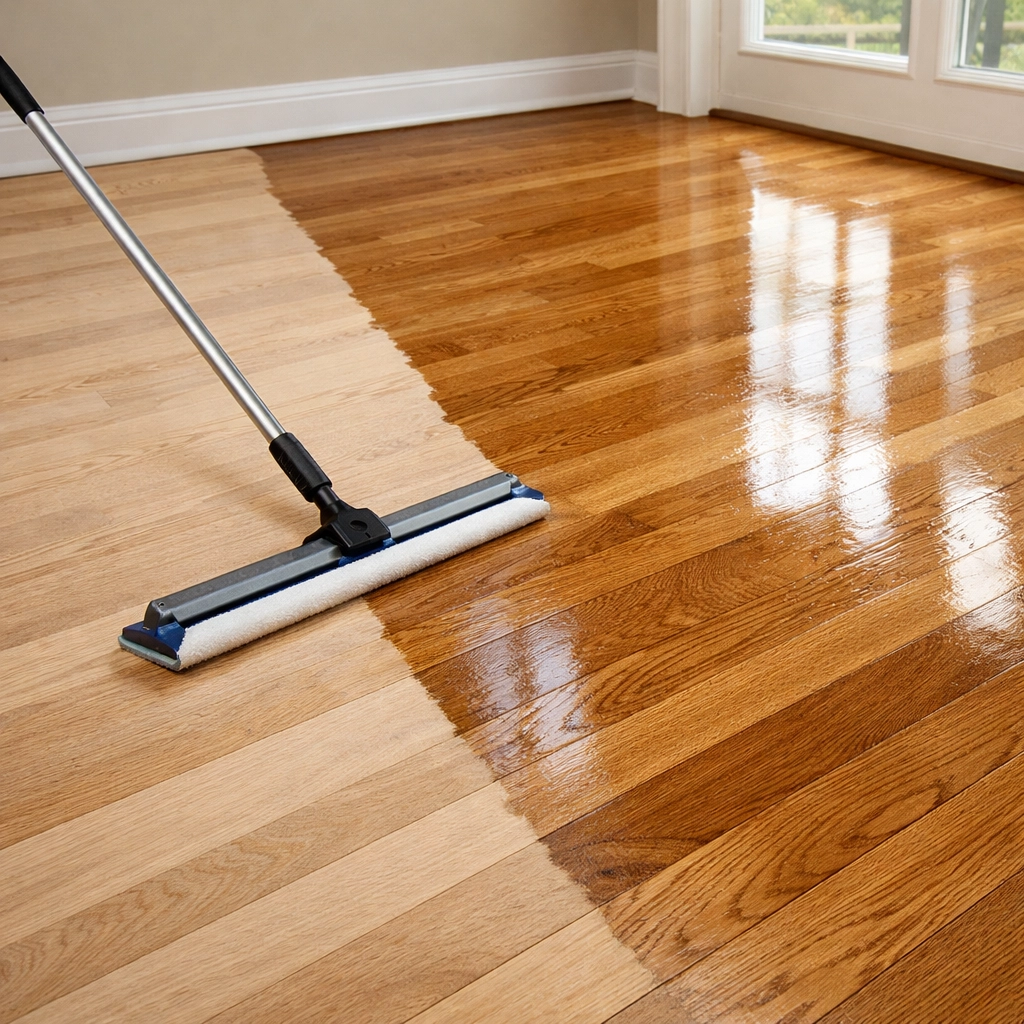
For Chicago homeowners who can't afford to have their main living spaces out of commission for extended periods, this speed advantage is a game-changer. And if you're refinishing before putting your home on the market or before a major life event, those saved days really add up.
The Natural Look That's Trending in 2026
Here's something you might not have considered: waterborne finishes simply look better with today's design preferences.
The big flooring trend right now is "back to natural", homeowners want their wood to look like, well, wood. Not artificially glossy. Not overly amber-toned. Just beautifully natural with the grain and character fully visible.
Oil-based finishes tend to add a warm amber cast to wood that deepens and yellows over time. For some woods and styles, that works. But if you're going for that clean, Scandinavian-inspired look or you want your light oak to stay light, waterborne is the way to go.
Waterborne finishes dry clear and stay clear, preserving the true color of your wood. They also work beautifully with matte and satin sheens, the finishes that are dominating 2026 design trends because they hide scratches better and look more sophisticated than high-gloss options.
We covered this in detail in our post about matte vs glossy finishes, but the short version is: if you want a natural, modern look, waterborne finishes deliver.
But What About Durability?
This is the million-dollar question, and it's where waterborne finishes have really proven themselves in recent years.
There's an old myth that water-based finishes aren't as durable as oil-based. That might have been true 15 years ago, but modern waterborne polyurethane technology has evolved significantly. When applied correctly by experienced professionals, waterborne finishes now match, and in some cases exceed, the durability of traditional oil-based products.
Over 90% of professional wood floor installers in the Chicago area now use polyurethane finishes, and the majority have shifted to waterborne options specifically because they offer superior performance with fewer downsides.
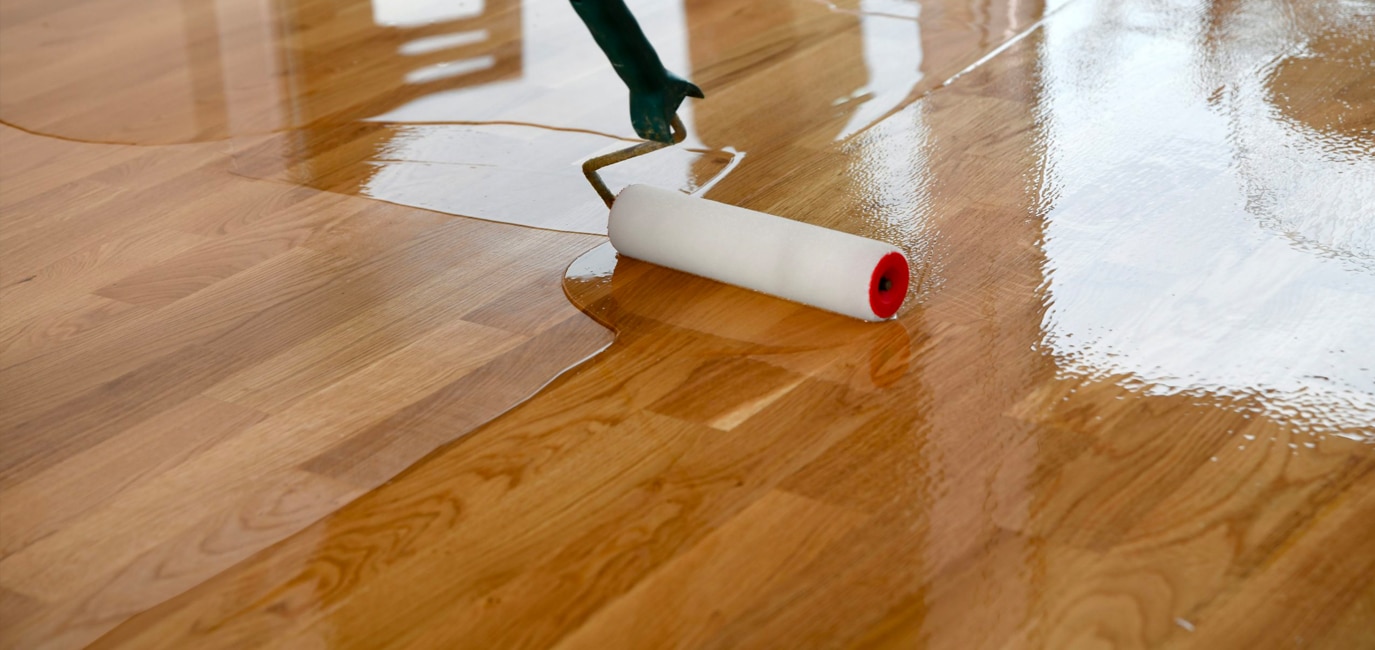
The key phrase there is "when applied correctly." Waterborne finishes are more finicky than oil-based. They require precise application techniques, the right environmental conditions, and typically three coats for optimal protection. This brings us to an important consideration…
The Professional Installation Factor
Here's something to know upfront: waterborne finishes cost more per gallon than oil-based, and they're trickier to apply. This isn't a DIY-friendly product.
You need a professional who understands how to work with waterborne polyurethane, someone who knows the proper application techniques, has the right equipment, and can ensure those three coats go on evenly and bond correctly.
At Rovin's Flooring, we've invested in specialized training and equipment specifically for waterborne finishes. We've seen what happens when inexperienced contractors try to cut corners with these products, and trust us, it's not pretty. Streaking, bubbling, poor adhesion, and premature wear are all risks when waterborne finishes aren't applied with expertise.
Yes, you'll pay a bit more for the product and the professional installation. But you're getting faster turnaround, better indoor air quality, and a finish that will protect your floors for years to come.
Real-World Performance in Chicago Conditions
Chicago homes face unique challenges: harsh winters with salt and snow tracked indoors, significant temperature swings, and the humidity fluctuations that come with our seasonal extremes.
Waterborne finishes hold up remarkably well under these conditions. They're flexible enough to handle the expansion and contraction of wood floors through Chicago's climate changes, and they create a strong barrier against the moisture and salt we deal with every winter.
If you're dealing with winter floor damage, check out our guide on protecting your hardwood floors from salt and snow. The right finish is your first line of defense, and waterborne polyurethane provides excellent protection when properly maintained.
So, Should You Make the Switch?
Here's the honest answer: for most Chicago homeowners in 2026, yes.
Waterborne finishes make sense if you:
- Want to minimize disruption to your household
- Are sensitive to chemical odors or have respiratory concerns
- Prefer a natural, clear wood appearance
- Value environmental sustainability
- Need to get back on your floors quickly
- Want a modern matte or satin finish
They might not be the right choice if you:
- Prefer the warm amber tone that oil-based finishes create
- Are on an extremely tight budget
- Have specific requirements for a historic restoration
For the vast majority of residential refinishing projects we handle at Rovin's Flooring throughout Chicago and the surrounding areas North and West, waterborne finishes are now our first recommendation. The benefits simply outweigh the slightly higher cost for most families.
How Rovin's Flooring Approaches Waterborne Finishes
When you work with Rovin's Flooring on a waterborne finish project, here's what you can expect:
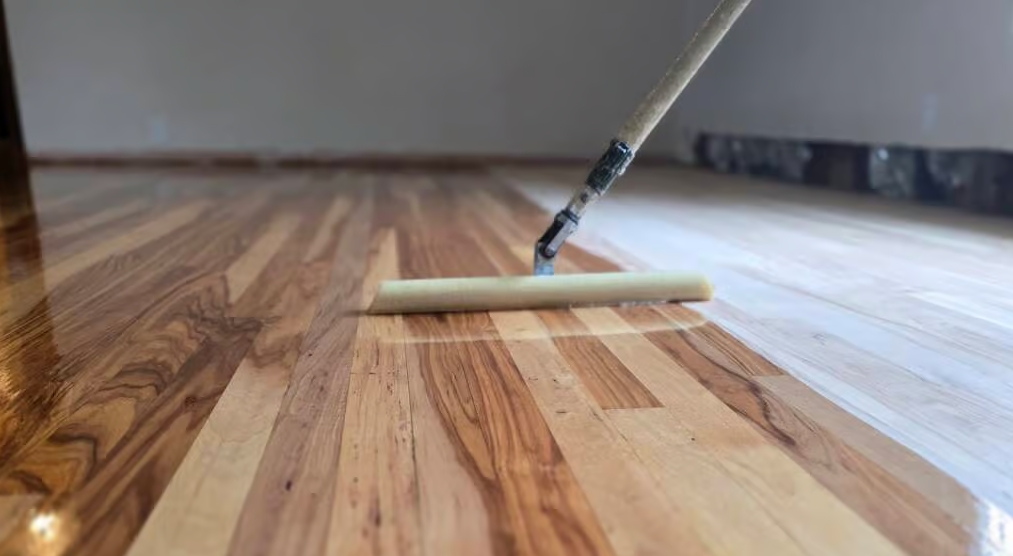
We start with thorough sanding to create the perfect surface for finish adhesion. Then we apply three coats of premium waterborne polyurethane, allowing proper drying time between each coat. Our team uses professional-grade application equipment designed specifically for water-based products, ensuring even coverage and a flawless result.
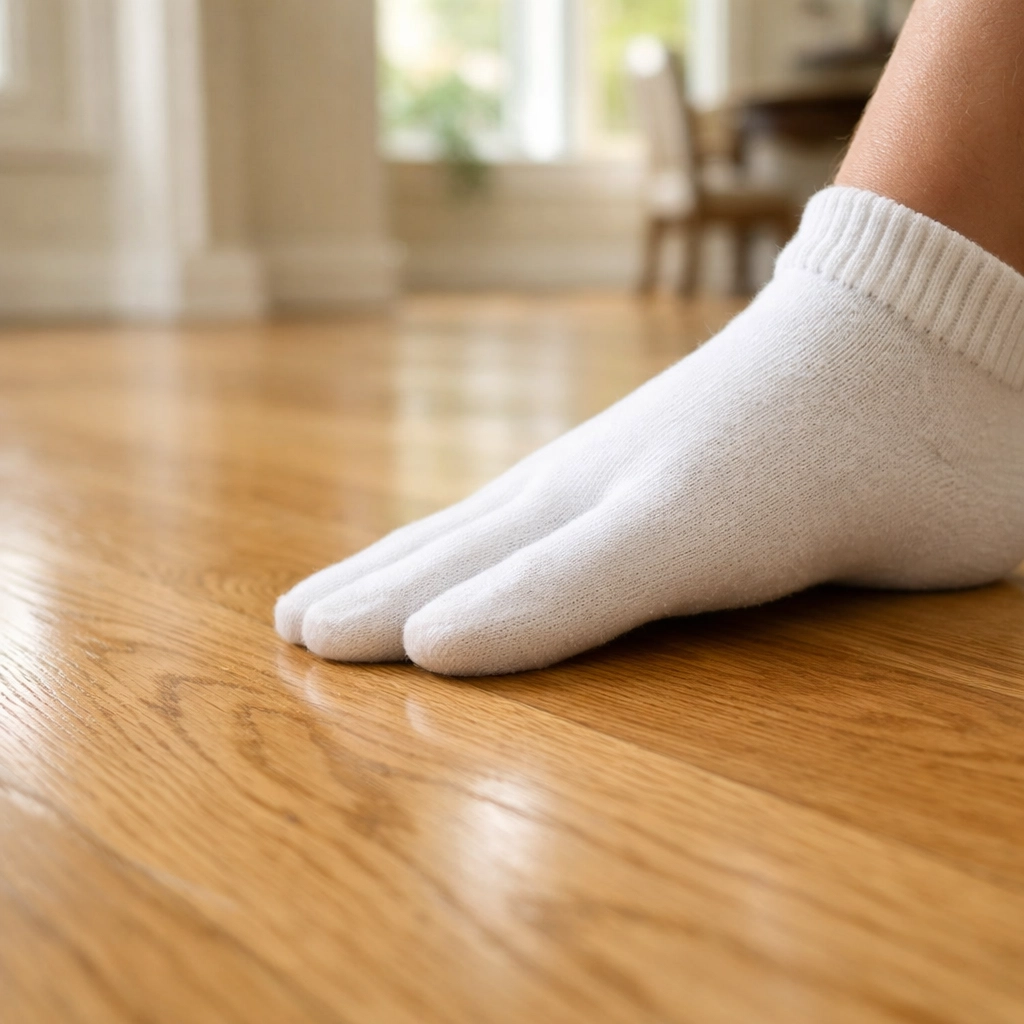
We also educate you on the curing process. While you can walk on your floors in about 24 hours with socks, we'll give you a detailed timeline for when you can replace furniture, add rugs, and resume full normal use. That 30-day full cure time is real, and respecting it ensures your finish reaches maximum hardness and durability.
If you're trying to decide between water-based and oil-based finishes, our team can walk you through the specific pros and cons for your particular floors, home conditions, and design goals.
The Bottom Line
The shift to waterborne hardwood finishes isn't just hype: it's a genuine improvement in how we protect and beautify wood floors. Better for your health, better for the environment, faster drying, and aligned with today's design preferences, waterborne finishes represent the best option for most Chicago-area homeowners.
The investment in professional installation pays off in the form of gorgeous, durable floors you can enjoy much sooner, without the headaches and harsh fumes of traditional refinishing.
If you're considering refinishing your hardwood floors and want to explore whether waterborne finishes are right for your home, reach out to Rovin's Flooring. We're happy to assess your floors, discuss your options, and help you make the best choice for your family and your home.