
If you've been browsing home design inspiration lately, you've probably noticed something: hardwood floors are getting wider. A lot wider. Wide plank hardwood flooring has moved from a niche choice to one of the most requested styles we see at Rovin's Flooring Inc: and for good reason.
But is this trend actually right for your Chicago-area home? Let's break down what wide plank flooring really is, why it's so popular, and whether it makes sense for your space, your lifestyle, and our unique Midwest climate.
What Exactly Is Wide Plank Hardwood Flooring?
Traditional hardwood strip flooring typically runs about 2¼ to 3 inches wide. Wide plank flooring? We're talking boards that start at 5 inches and can go all the way up to 10 inches or more.
That difference might not sound dramatic on paper, but when you see it installed in a room, the visual impact is significant. Fewer seams. More visible wood grain. A cleaner, more expansive look that transforms how a space feels.
Wide plank flooring isn't exactly new: historically, early American homes featured wide boards simply because that's what was available from old-growth trees. Today, it's come full circle as homeowners rediscover the elegance and character that wider boards bring to both traditional and contemporary interiors.
The Aesthetic Appeal: Why Chicago Homeowners Are Making the Switch
Making Rooms Feel Larger and More Open
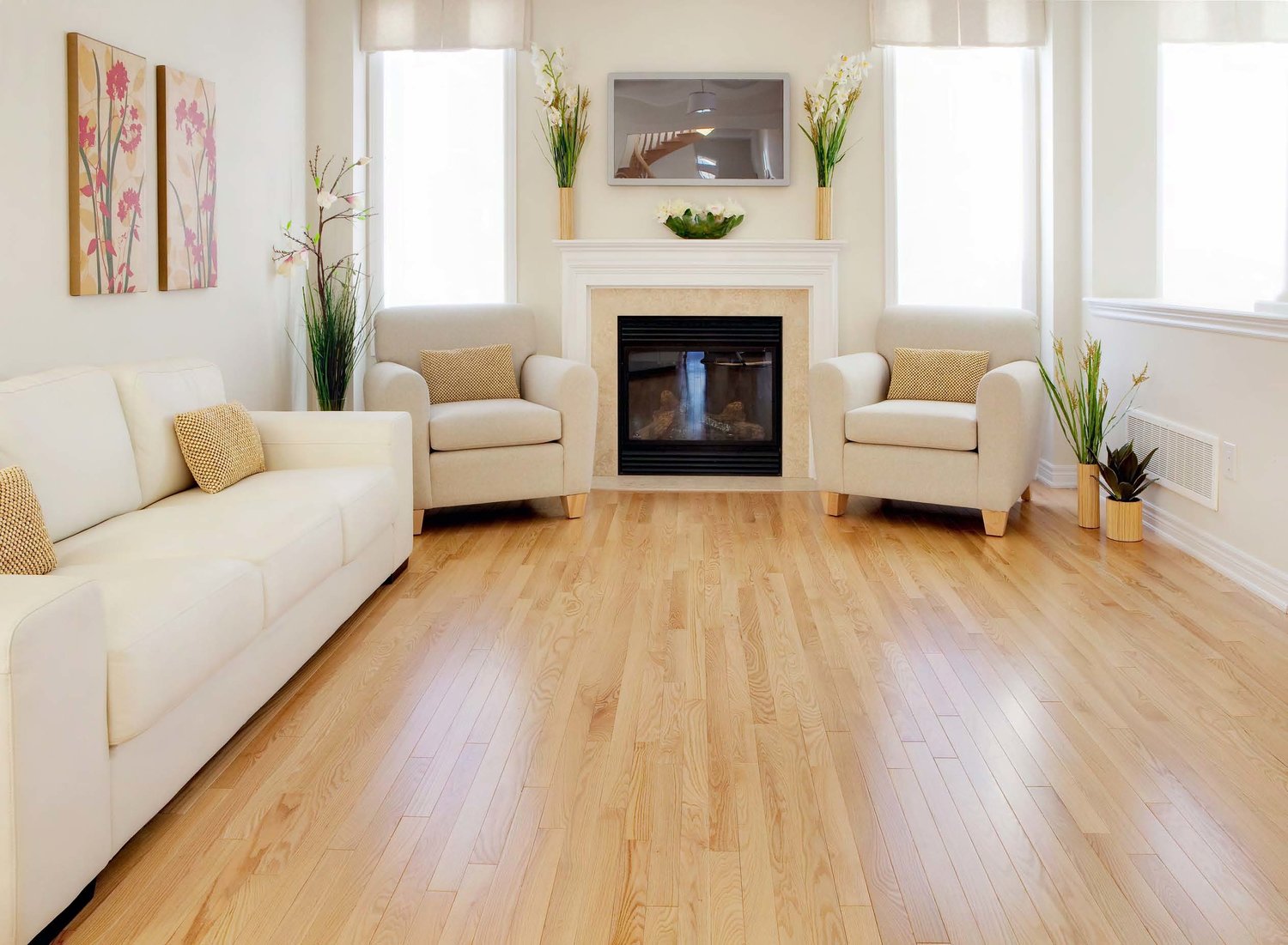
One of the biggest draws of wide plank flooring is how it visually expands a space. With fewer joints and seams breaking up the floor, rooms feel more open and cohesive. This is especially valuable in Chicago's mix of housing: whether you're working with a classic bungalow, a vintage two-flat, or a modern open-concept build in the suburbs north and west of the city.
If you have an open floor plan connecting your kitchen, dining, and living areas, wide planks create a seamless flow that narrow strips simply can't match.
Showcasing Natural Beauty
Wider boards mean more real estate for the wood's natural grain patterns to shine. You'll see more character, more variation, and more of the inherent beauty that makes hardwood flooring so timeless. Whether you prefer the subtle, balanced grain of white oak or the dramatic color variation of hickory, wide planks let the wood tell its story.
Versatility Across Design Styles
Here's what surprises some homeowners: wide plank flooring isn't locked into one aesthetic. It works beautifully in:
- Rustic farmhouse interiors with wire-brushed textures and natural finishes
- Modern minimalist spaces with smooth, matte finishes in cooler tones
- Transitional homes that blend traditional warmth with contemporary clean lines
The finish and species you choose will steer the overall vibe, but the wide plank format itself is remarkably adaptable.
The Technical Side: What You Need to Know
Aesthetics aside, wide plank flooring comes with some practical considerations: especially here in the Chicago area where our climate keeps things interesting.
Stability and Movement
All wood expands and contracts with changes in humidity and temperature. It's natural, and it's unavoidable. The key is managing it properly.
With wider boards, this movement becomes more pronounced. A 7-inch plank will expand and contract more than a 2¼-inch strip. That's not a dealbreaker: it just means proper installation practices and climate control matter even more.
Chicago's Climate: The Humidity Factor
Our Midwest seasons create a real rollercoaster for indoor humidity levels. Winters bring dry, heated air. Summers (especially the humid ones) swing the opposite direction. This seasonal variation can stress hardwood floors, and wide planks feel those swings more than narrower options.
The good news? With the right preparation and ongoing care, wide plank floors perform beautifully in Chicago homes. Here's what makes the difference:
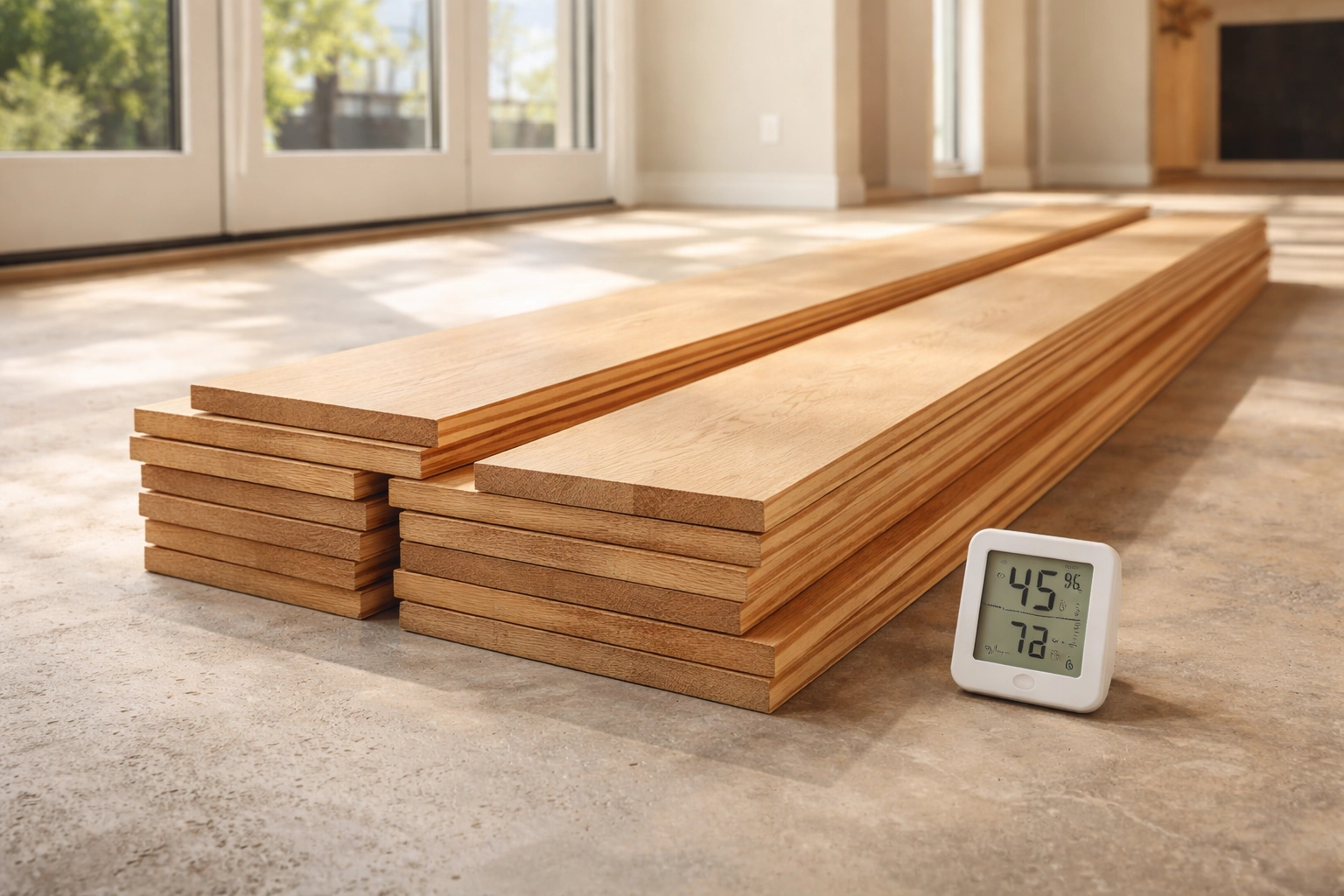
- Proper acclimation: Before installation, the wood needs time to adjust to your home's environment. Rushing this step is a recipe for problems.
- Subfloor preparation: Moisture barriers and properly prepared subfloors are essential. For concrete subfloors or below-grade installations, extra precautions protect against moisture migration.
- Climate control: Maintaining consistent indoor humidity levels (ideally between 35-55%) keeps your floors stable year-round. A humidifier in winter and dehumidifier or AC in summer go a long way.
At Rovin's Flooring, we've been installing hardwood throughout Chicago and a 60-mile radius extending north and west for decades. We understand local conditions and factor them into every project: from material selection to installation methods. You can learn more about how humidity affects hardwood floors on our humidity information page.
Solid vs. Engineered: Which Works Better?
Both solid and engineered hardwood come in wide plank options, and each has its place.
Solid hardwood is exactly what it sounds like: solid wood through and through. It's beautiful and can be refinished multiple times over its lifespan. However, solid wood is more susceptible to moisture and humidity changes, which makes it trickier in wide plank formats.
Engineered hardwood features a real hardwood top layer bonded to a stable plywood or composite core. This construction makes it more dimensionally stable, meaning it handles humidity swings better than solid wood. For wide plank installations: especially in basements or over concrete: engineered options often make the most sense.
We install both at Rovin's Flooring and can help you weigh the pros and cons based on your specific situation.
Wood Species: Finding Your Perfect Match
Choosing a species isn't just about color: it's about durability, grain character, and how the wood will perform in your home. With expertise in over 20 species, we help Chicago homeowners find the right fit. Here are some popular choices for wide plank installations:
White Oak
The reigning champion for 2026 and beyond. White oak offers excellent hardness, a balanced grain pattern, and natural resistance to moisture (thanks to its closed cell structure). It takes stain beautifully and works in both traditional and modern settings.
Hickory
If you want drama, hickory delivers. It's one of the hardest domestic species, making it ideal for busy households with kids and pets. The natural color variation: ranging from creamy whites to deep browns: creates a bold, rustic look that really pops in wide plank format.
Maple
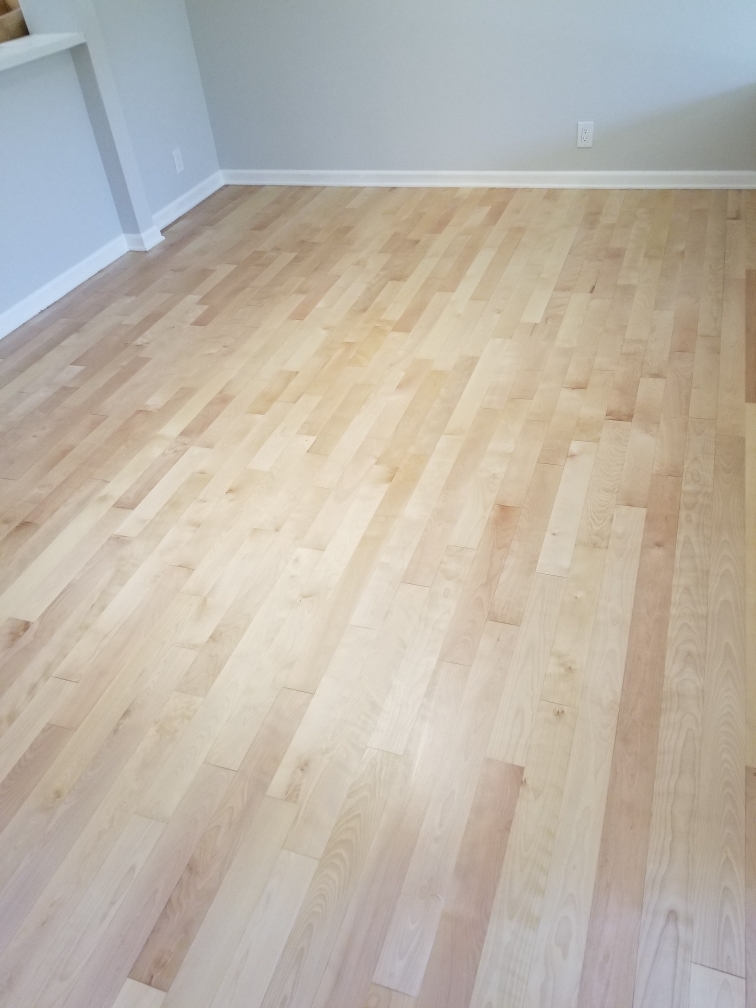
Clean, consistent, and contemporary. Maple's subtle grain and light tones create a fresh, modern aesthetic. It's harder than oak, though it can be trickier to stain evenly.
Walnut
For a rich, warm look, walnut is tough to beat. Its deep chocolate tones and flowing grain patterns bring luxury to any room. It's softer than oak, so it's better suited for lower-traffic areas or homes without heavy pet traffic.
We offer both unfinished and prefinished options across all species. Unfinished wood gets sanded and finished on-site, allowing for custom stain colors and a seamless look. Prefinished planks come ready to install with factory-applied finishes that are often harder and more durable than site-applied coatings.
Refinishing Wide Plank Floors: What to Expect

Already have wide plank floors that need some love? Or considering how your new floors will hold up decades from now? Refinishing is where hardwood really proves its value.
Solid hardwood floors can typically be refinished 3-5 times over their lifespan, depending on the thickness of the wear layer. Engineered floors can often be refinished 1-2 times, depending on their construction.
At Rovin's Flooring, we use advanced dustless sanding systems that capture the vast majority of dust during the refinishing process. This means less mess in your home, better air quality during the project, and a cleaner final result. It's a game-changer compared to traditional sanding methods that leave dust on every surface.
If you're curious about our refinishing process or want to explore whether your existing floors can be restored, reach out for an estimate.
Installation Patterns Worth Considering
While straight plank installation remains the most popular choice, wide boards also open the door to more creative layouts:
- Mixed-width planks: Combining boards of different widths creates visual interest and a more organic, hand-crafted look.
- Herringbone and chevron: These classic patterns have surged back in popularity. They require more planning and material but deliver stunning results.
These patterns work particularly well in larger spaces or as a focal point in entryways and dining rooms.
Is Wide Plank Right for Your Home?
Wide plank hardwood flooring isn't just a trend: it's a timeless choice that's earned its popularity. The cleaner look, enhanced grain visibility, and room-expanding effect make it a compelling option for homeowners throughout Chicago and the surrounding areas north and west of the city.
That said, it's not automatically the right choice for every situation. Factors like your subfloor type, humidity control capabilities, budget, and design preferences all play a role.
The best way to figure out if wide plank flooring fits your home? Talk to someone who knows the material, understands Chicago's climate, and has installed thousands of floors across the region.
At Rovin's Flooring Inc, we've been helping Chicago-area homeowners choose, install, and maintain beautiful hardwood floors for years. Whether you're leaning toward wide plank white oak, considering engineered options for a basement remodel, or just starting to explore your choices, we're here to help.
Contact us today to discuss your project or schedule an in-home estimate. Let's find the perfect floor for your home.