
You've finally decided to pull the trigger on that hardwood flooring project. Maybe you're refinishing those beat-up oak floors in your Lincoln Park bungalow, or installing wide-plank white oak in your new Naperville build. Either way, you're about to write a check that'll make your eyes water: and trust me, the contractor you choose will make or break this project.
Here's the thing: not all hardwood flooring contractors in Chicago are created equal. Some show up with dusty equipment from 1987, others don't understand how Midwest humidity affects wood, and a surprising number will ghost you the second something goes wrong.
After decades of flooring installation in Chicago and the surrounding 60-mile radius (especially North and West), we've seen homeowners get burned by contractors who looked great on paper. So here are the 10 questions you absolutely need to ask before signing anything.
1. Are You Licensed, Bonded, and Insured?
This isn't just bureaucratic box-checking. A properly insured contractor protects you if someone gets hurt on your property or if your floors (or walls, or cabinets) get damaged during installation.
Ask specifically about:
- General liability insurance
- Workers' compensation coverage
- Bonding (which protects you if they don't complete the job)
If they hesitate or say "we're working on it," walk away. At Rovin's Flooring, we carry full insurance and can provide certificates on request: because accidents happen, and you shouldn't be on the hook when they do.
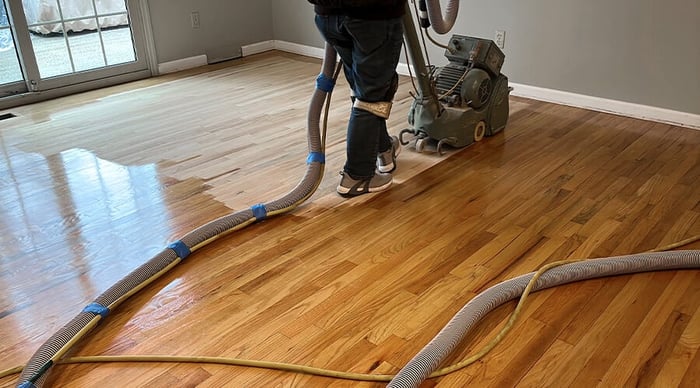
2. Do You Use Dustless Equipment?
If you've ever lived through a floor refinishing project with old equipment, you know what I'm talking about. Dust settles on everything: inside your cabinets, on your ceiling fans, in your HVAC system. You'll be cleaning for months.
Modern dustless refinishing equipment captures 99% of dust at the source. It's not just about convenience: it's about air quality and protecting the rest of your home.
Ask the contractor:
- What dust containment systems do they use?
- Can they show you photos of recent jobs?
- How do they protect adjacent rooms?
3. How Long Have You Been Installing Hardwood in Chicago Specifically?
Chicago weather is brutal on wood floors. The humidity swings from 80% in August to 15% in January. Contractors from warmer climates might not understand why acclimation timing matters here, or why certain wood species buckle in our climate.
You want someone who's lived through multiple Chicago winters and knows:
- How to handle subfloor moisture in older homes
- Which finishes hold up to salt and slush tracked in from December through March
- How to account for seasonal wood movement
Rovin's Flooring has been doing this in Chicago and the North and West suburbs for years. We've seen every wood species, every humidity problem, and every "whoops, we didn't account for that" scenario.
4. What's Your Acclimation Process?
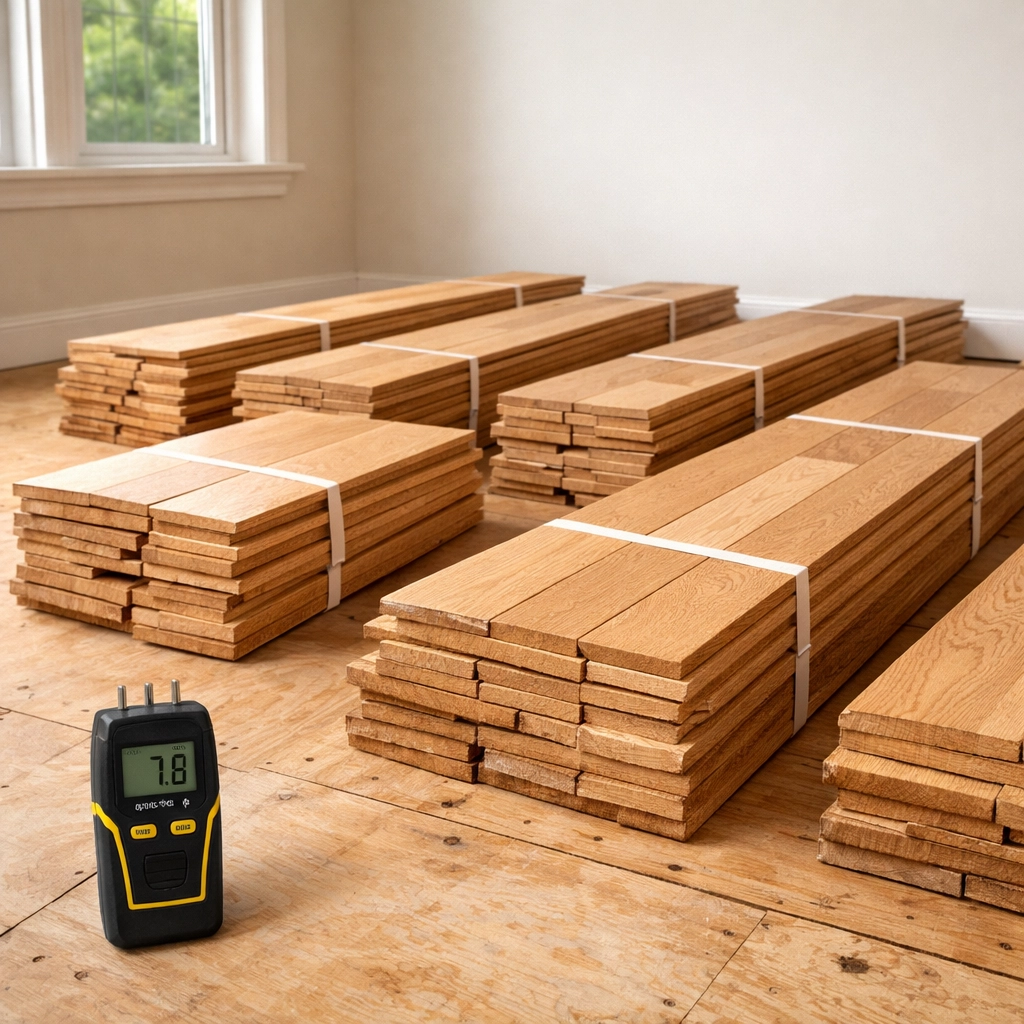
Here's where inexperienced contractors cut corners. Hardwood needs to adjust to your home's temperature and humidity before installation. Rush this step, and your floors will cup, crown, or gap within months.
The right answer involves:
- At least 4-5 days of acclimation (sometimes longer)
- Maintaining your home at normal living conditions (65-74°F)
- Checking moisture content with a meter before installation starts
If they say "we can start tomorrow" after delivering the wood today, that's a red flag.
5. Can I See References from Recent Chicago Projects?
Anyone can throw up a nice website. What you want is proof they've completed jobs like yours: in homes like yours, in neighborhoods like yours.
Ask for:
- At least 3-5 references from projects completed in the last year
- Photos of finished work (not just stock images)
- Permission to contact previous clients
When you call those references, ask about communication, cleanliness, timeline accuracy, and how they handled unexpected issues. Every project has surprises: the question is whether the contractor solved them professionally.
6. What Wood Species Experience Do You Have?
Not all hardwood is created equal. Red oak installs differently than Brazilian cherry. White oak takes stain differently than maple. Reclaimed wood has unique challenges that new boards don't.
If you're installing a specific species, ask:
- How many projects have they completed with that exact wood?
- What are the common issues with that species?
- Do they have photos of previous installations?
At Rovin's Flooring, we work with everything from traditional oak to exotic imports. We can tell you exactly how each species will perform in Chicago's climate and what maintenance you'll need.
7. What Finishes Do You Recommend and Why?
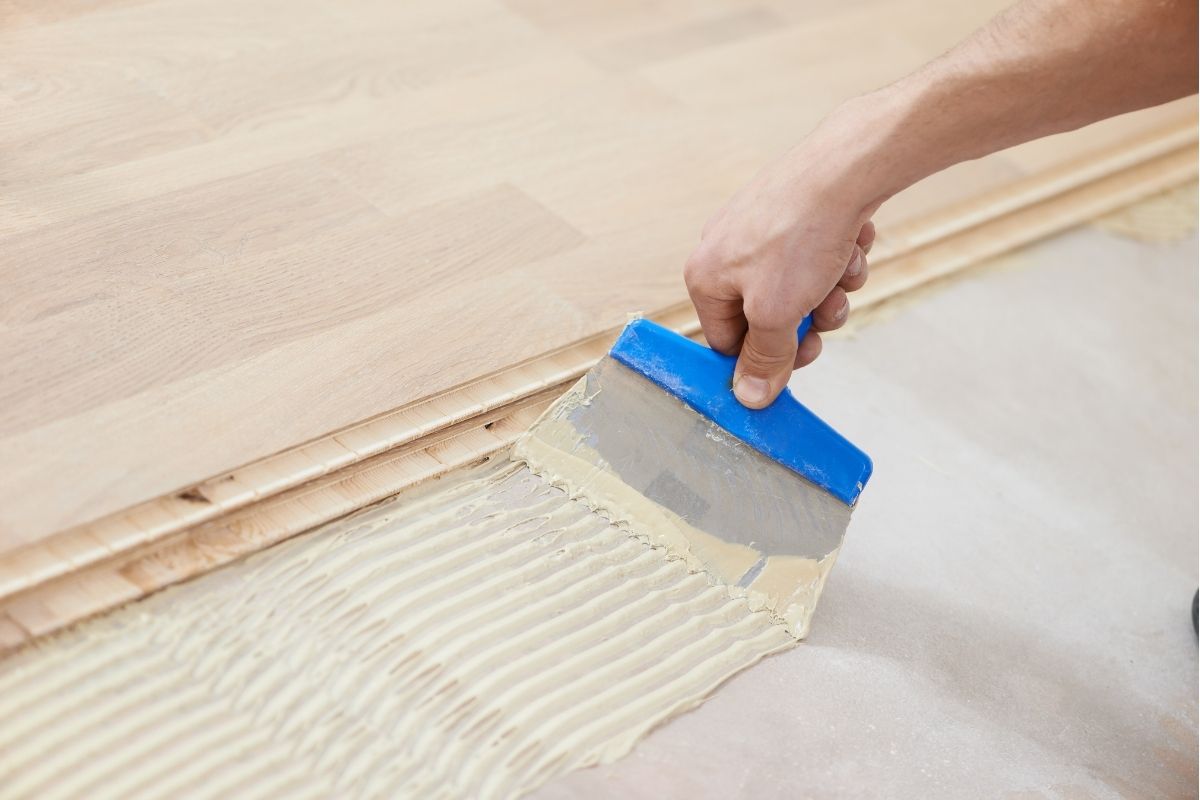
This is where you separate pros from amateurs. The finish choice affects everything: appearance, durability, maintenance, and dry times.
A knowledgeable contractor should discuss:
- Water-based vs oil-based finishes
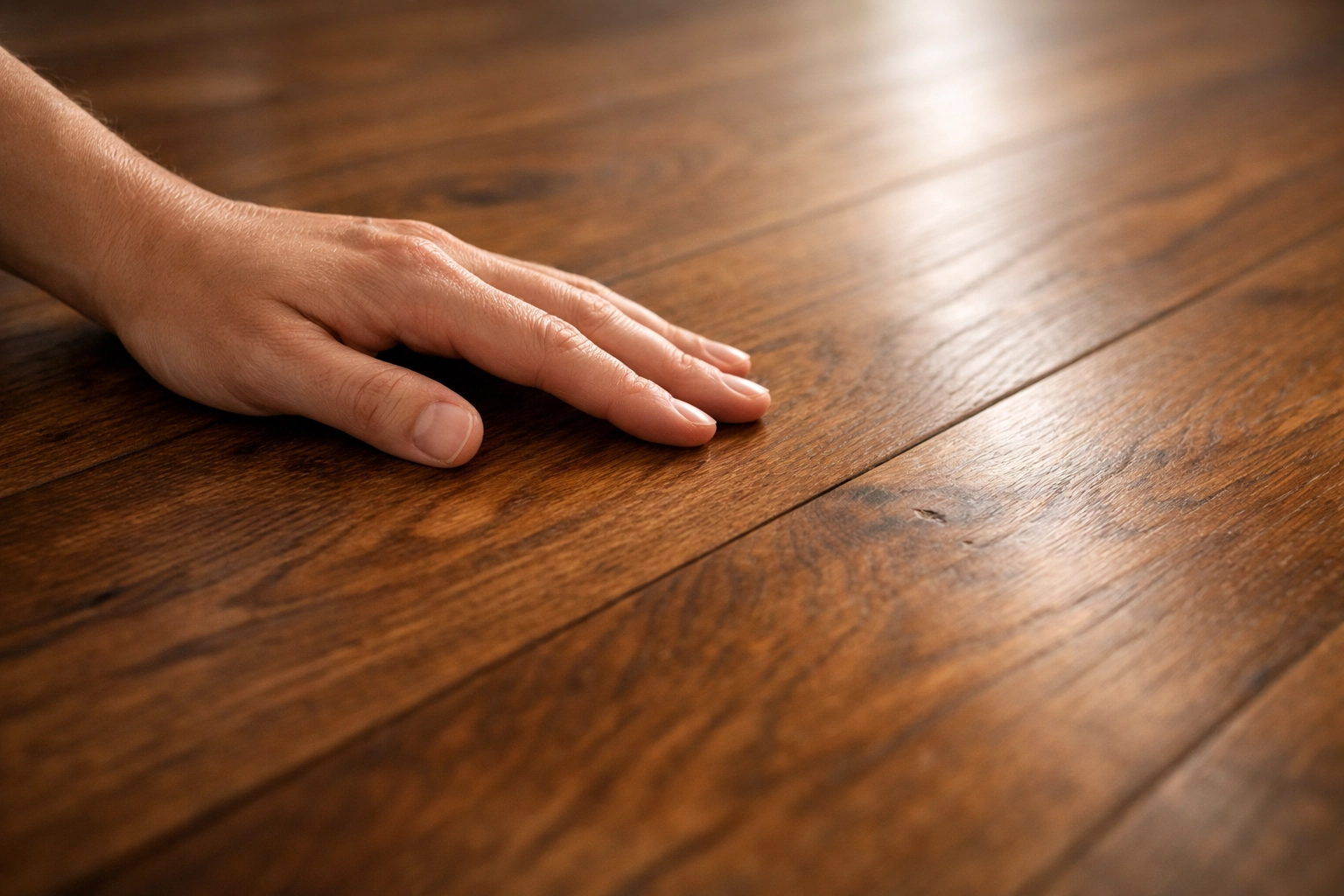
- Matte vs glossy sheen and what works for your lifestyle
- Number of coats needed
- Realistic drying and curing timelines
If they're pushing one finish for every situation, they're either lazy or uninformed. We typically recommend water-based finishes for most Chicago homes due to faster dry times, lower VOCs, and better performance: but there are situations where oil-based makes more sense.
8. How Do You Handle Subfloor Preparation?
The subfloor is the foundation of your entire project. Skip proper prep, and even the most expensive hardwood will fail.
Your contractor should:
- Inspect for moisture issues (especially in basements and older homes)
- Check for levelness (uneven subfloors cause squeaks and gaps)
- Repair or replace damaged sections
- Address squeaky boards before installation
Ask them to explain their subfloor assessment process. If they gloss over this step, that's a massive warning sign.
9. What Happens If Something Goes Wrong After Installation?
Here's the uncomfortable question nobody wants to ask: but you absolutely should. What if a board cracks? What if the stain color isn't what you expected? What if you notice gaps six months later?
Get clear answers about:
- Warranty coverage (labor and materials)
- Response time for issues
- What's covered and what isn't
- How they handle color matching for repairs
At Rovin's Flooring, we stand behind our work. We've done enough projects to know that occasional issues pop up: and when they do, we fix them. We don't disappear after cashing your check.
10. Can I See a Detailed, Written Estimate?
Never: and I mean never: accept a vague verbal estimate. You need everything in writing:
- Exact square footage
- Wood species and grade
- Finish type and number of coats
- Subfloor repairs
- Transition strips, moldings, and trim
- Timeline
- Payment schedule
- Warranty details
Compare estimates carefully. The lowest bid usually means someone's cutting corners: either on materials, labor, or proper technique. The highest bid might include things you don't need. The right contractor will explain exactly what you're paying for and why.
The Bottom Line
Hiring hardwood flooring contractors in Chicago shouldn't feel like a gamble. With the right questions, you can separate the professionals from the pretenders.
At Rovin's Flooring, we serve Chicago and the surrounding 60-mile radius to the North and West. We've been doing this long enough to know that the best client relationships start with transparency. We're happy to answer every one of these questions: and plenty more you might think of.
Need help with your flooring project? We offer free estimates and honest assessments. Whether you need repair, refinishing, or replacement, we'll walk you through exactly what your floors need and what you can expect.
Because at the end of the day, your hardwood floors should be something you're proud of: not something you're trying to fix six months after installation.