If you're considering hardwood floors for your Chicago home, you're making a solid choice. Hardwood adds warmth, character, and serious resale value: but let's be real, picking the right floors and keeping them looking great in Chicago's wild climate takes some know-how.
Between brutal winters, humid summers, and everything in between, Chicago puts hardwood through the wringer. This guide breaks down everything you need to know about choosing, installing, and maintaining wood floors that'll actually last in the Midwest.
Choosing the Right Hardwood Species for Your Chicago Home
Not all hardwood is created equal, especially when you're dealing with Chicago's temperature swings. Here's what you need to know about the most popular species:
Red Oak is the classic choice for a reason. It's durable, affordable, and takes stain beautifully. The grain is prominent, which gives it that traditional hardwood look most people picture. It's also readily available and works well with Chicago's humidity fluctuations.
White Oak has become increasingly popular in recent years. It's slightly harder than red oak and has a tighter grain pattern that gives it a more contemporary look. The tannins in white oak also make it naturally more water-resistant: a nice bonus for mudrooms and entryways.
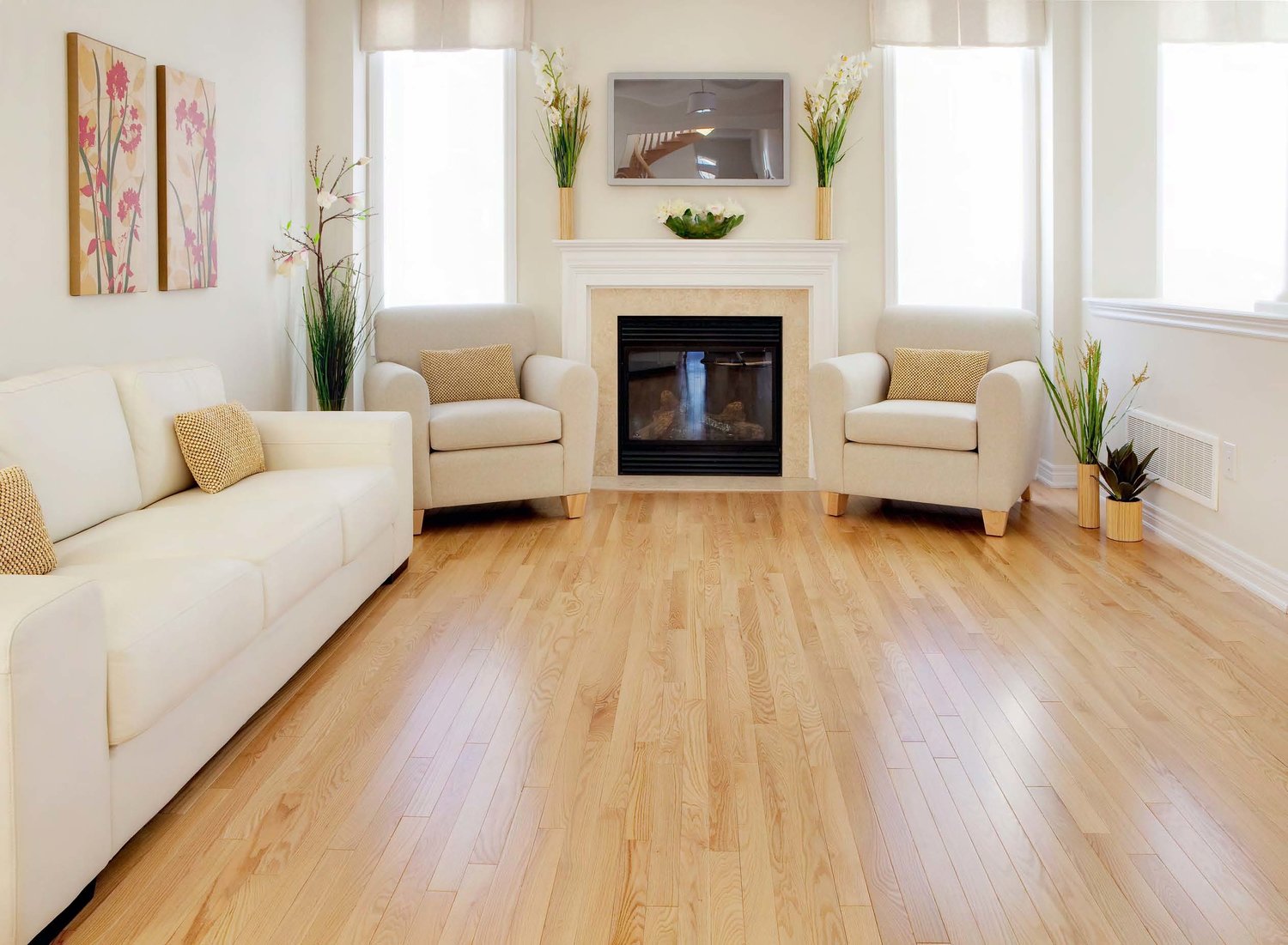
Maple offers a clean, modern aesthetic with minimal grain patterns. It's incredibly hard (great for high-traffic areas and homes with dogs), but it's also less accepting of stain. If you want a natural, light floor, maple is your friend. If you're dreaming of dark espresso tones, it might not cooperate.
Walnut delivers rich, chocolate-brown tones right out of the gate. It's softer than oak or maple, so it'll show wear more easily, but many homeowners love the character that develops over time. Just know what you're signing up for.
Brazilian Cherry (Jatoba) is the exotic option: extremely hard and naturally reddish-brown. It darkens significantly over time when exposed to light, so keep that in mind if you're going for a specific look.
Solid vs. Engineered: What Works Best in Chicago?
This is where things get practical. Chicago's humidity swings from bone-dry winters (thanks, forced-air heating) to sticky summers. Traditional solid hardwood expands and contracts with moisture changes, which can lead to gaps in winter and cupping in summer.
Solid hardwood is exactly what it sounds like: a solid plank of wood, typically ¾" thick. It can be sanded and refinished multiple times over its lifetime, which is a huge advantage. However, it's more susceptible to moisture-related movement and generally isn't recommended for basements or concrete slabs.
Engineered hardwood has a real hardwood top layer bonded to layers of plywood underneath. This construction makes it more dimensionally stable: meaning it handles humidity changes better than solid wood. It can be installed over concrete with proper moisture barriers, making it perfect for condos and basements. The trade-off? You can typically only refinish it 1-2 times before you hit the plywood core.
For most Chicago-area homes, engineered hardwood makes a lot of sense, especially if you're installing over a concrete slab or in a below-grade space. For upper floors with a proper wood subfloor, either option works: just make sure you're managing indoor humidity levels year-round.
Installation: What to Expect
Unless you're an experienced DIYer with the right tools, hardwood installation is best left to professionals. Here's what the process typically involves:
Acclimation is critical in Chicago. Your hardwood needs to sit in the space where it'll be installed for at least 48-72 hours (sometimes longer in winter) to adjust to the temperature and humidity. Skip this step, and you're asking for problems down the road.
Subfloor preparation makes or breaks the installation. The subfloor must be clean, dry, level, and structurally sound. Any imperfections will telegraph through to your finished floor. Over concrete, a proper moisture barrier is non-negotiable: Chicago basements are notorious for moisture issues.
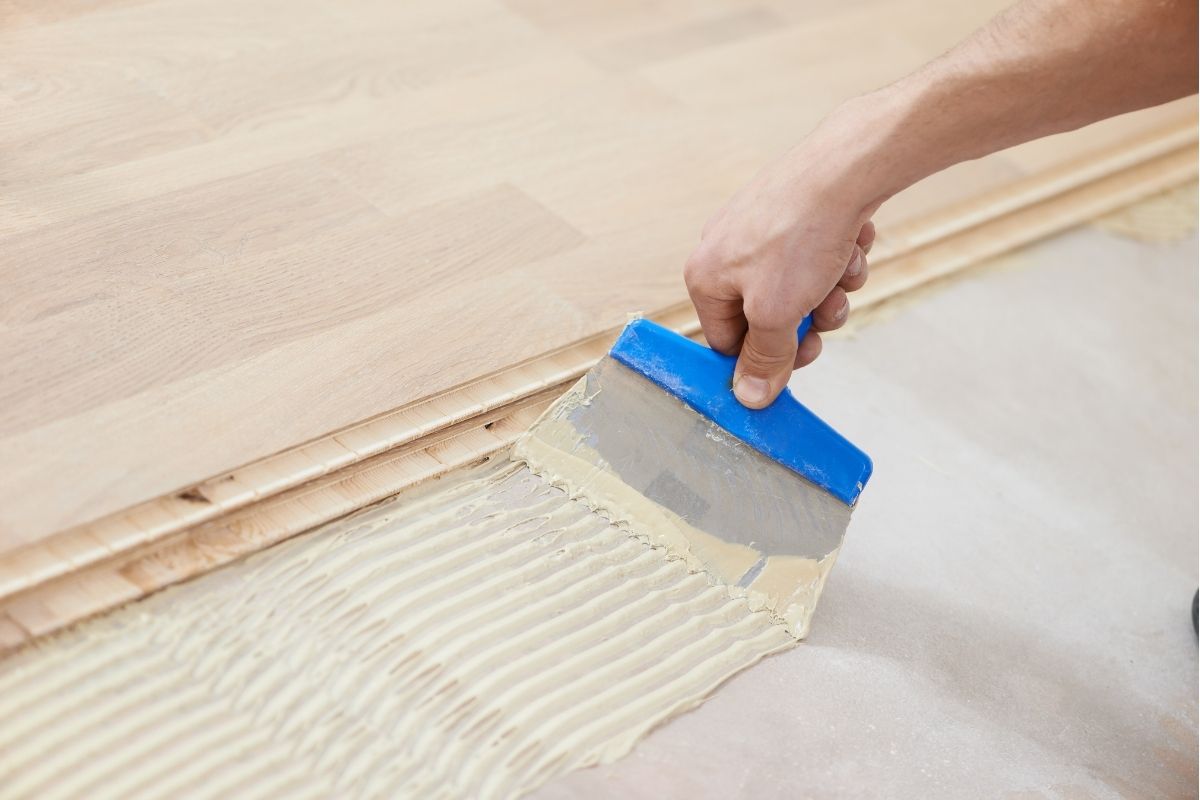
The actual installation involves laying planks in a staggered pattern, typically running perpendicular to floor joists and in the direction of the longest wall. Planks are secured with adhesive, staples, or a nail gun depending on the product and subfloor. A ½" expansion gap around the perimeter allows for seasonal movement.
After installation comes sanding (for unfinished floors) and finishing. Modern dustless sanding systems make this process much cleaner than it used to be. Multiple coats of finish: whether oil-based or water-based polyurethane: protect the wood and give it that gorgeous sheen. Water-based finishes have become the standard in Chicago for their low odor and quick dry times.
Protecting Your Investment: Maintenance for Chicago's Climate
Your hardwood floors can last decades with proper care: but Chicago's weather doesn't make it easy. Here's how to keep them looking great:
Winter Salt and Slush Management
This is the big one for Chicago homeowners. Rock salt, ice melt, and road grime are murder on hardwood floors. Place heavy-duty mats both outside and inside all entryways. The outside mat catches the worst of it; the inside mat gives people a place to wipe their feet.
Here's a pro tip: skip the commercial ice melts at your doorstep if possible. Kitty litter provides traction without the corrosive chemicals. If you must use ice melt, choose a product specifically labeled as safe for hardwood.
Make it a habit to remove your shoes at the door. This single change dramatically reduces the amount of salt, grit, and moisture tracked onto your floors. Keep a boot tray handy for wet footwear.
For more detailed strategies, check out our guide on protecting your Chicago floors from winter salt and slush.
Humidity Control
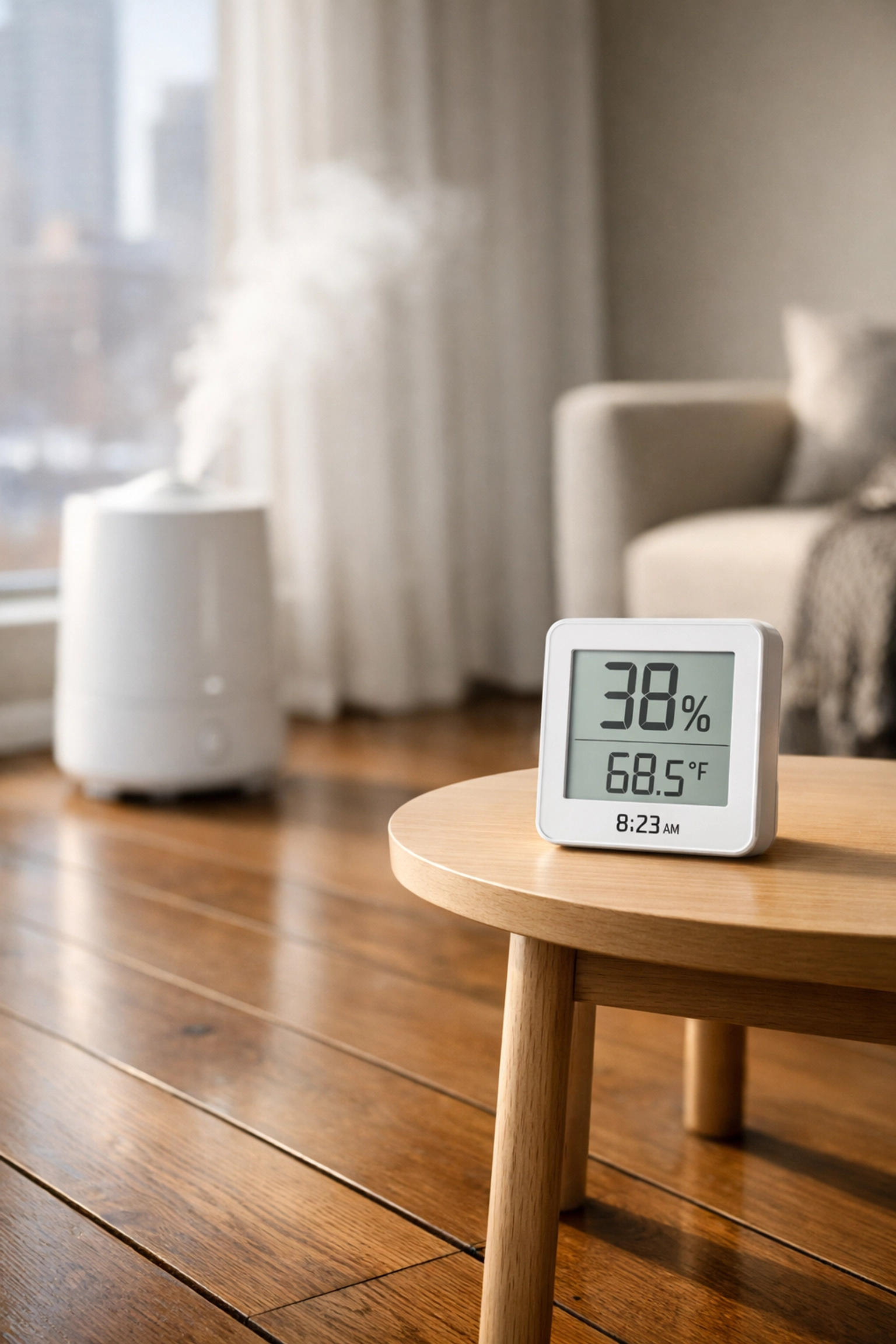
Chicago's indoor humidity typically drops below 30% in winter and can climb above 60% in summer: both of which are problematic for hardwood. Ideal humidity for wood floors is 35-55% year-round.
Invest in a whole-house humidifier for winter months to prevent excessive shrinkage and gap formation. In summer, run your air conditioning or a dehumidifier to prevent the wood from swelling. A hygrometer (cheap and available at any hardware store) helps you monitor levels.
Regular Cleaning
Vacuum or sweep regularly to remove grit that acts like sandpaper underfoot. When mopping, use a barely damp microfiber mop: never leave standing water on hardwood. Use cleaners specifically formulated for hardwood floors and avoid vinegar-based solutions, which can damage the finish over time.
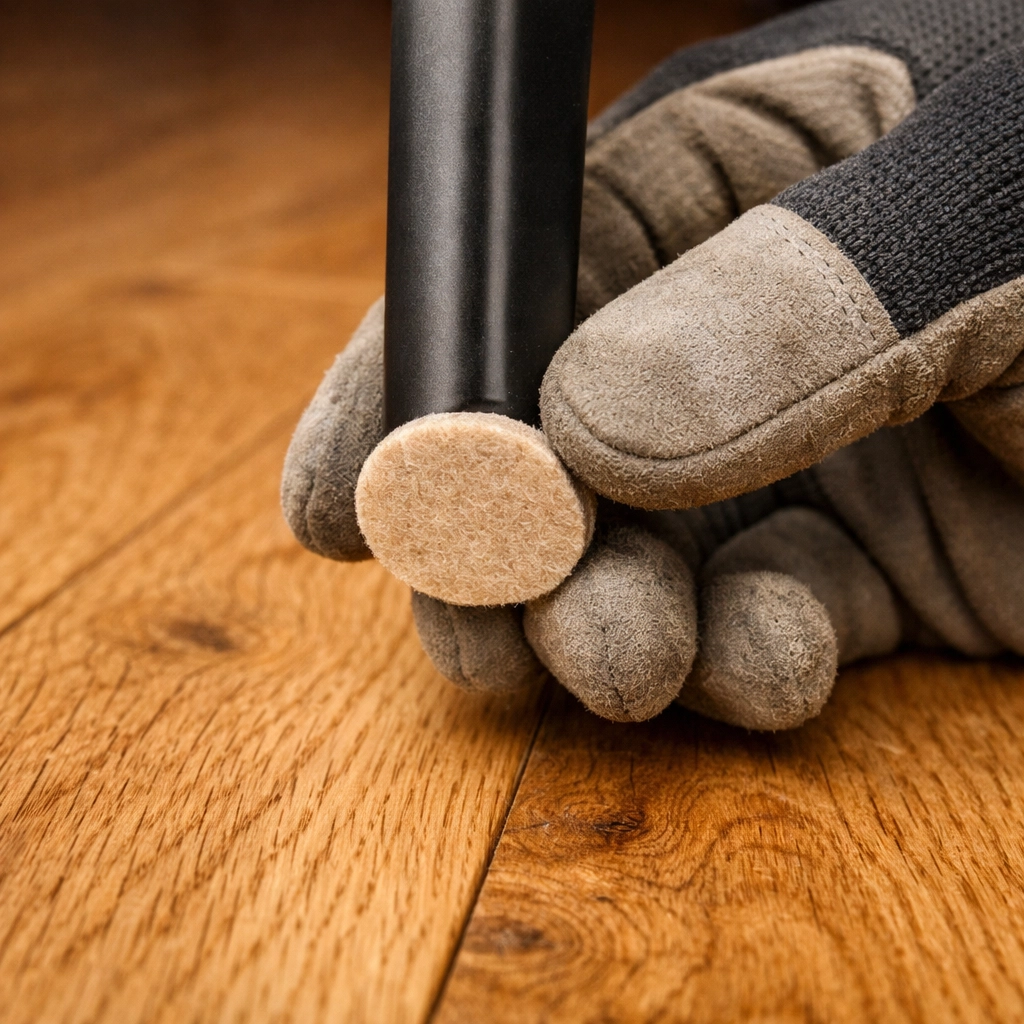
Place felt pads under all furniture legs to prevent scratches when chairs get pulled out or furniture gets moved. Trim your dog's nails regularly if you have pets.
Choosing the Right Finish
The finish you choose affects both the look and durability of your floors. We've covered this extensively in our post about matte vs. glossy finishes, but here's the quick version:
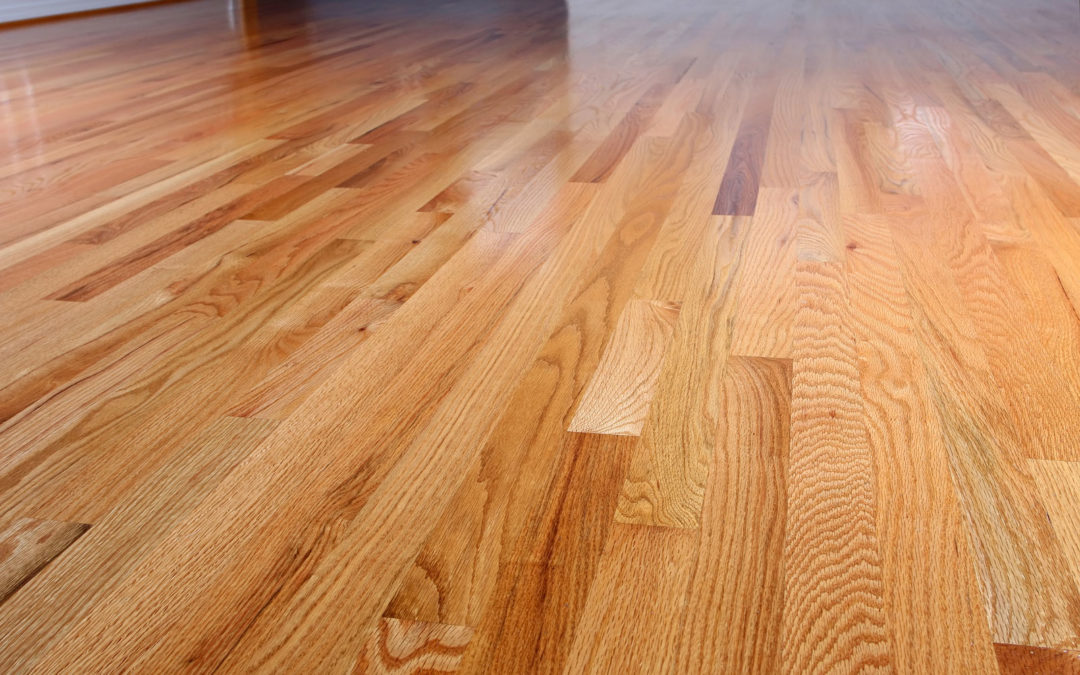
Matte finishes hide dust, scratches, and imperfections better, making them ideal for busy households with kids and pets. They provide a more contemporary, natural look but may show wear patterns over time.
Glossy finishes are more traditional and reflect light beautifully, making spaces feel larger. However, they show every speck of dust and every tiny scratch. They're better suited to formal spaces with less traffic.
Satin finishes split the difference and remain the most popular choice for Chicago homes: enough sheen to look polished without showing every footprint.
When to Consider Refinishing
Even with great maintenance, hardwood eventually needs refinishing. Signs include deep scratches, worn-through finish in high-traffic areas, water damage, or just an outdated look. Solid hardwood can be refinished 4-7 times over its life; engineered hardwood typically 1-2 times.
Professional refinishing involves sanding away the old finish and damage, applying stain (if desired), and adding fresh protective coats. With modern dustless sanding systems, the mess is minimal compared to old-school methods. You can often walk on floors within 24 hours, though full curing takes several days.
If you're curious about the investment involved, we've broken down the real cost of refinishing in Chicago.
Ready to Get Started?
Hardwood flooring is an investment that pays off in comfort, beauty, and home value: as long as you choose the right product and take care of it properly. In Chicago's challenging climate, that means being smart about species selection, considering engineered options where appropriate, and staying on top of seasonal maintenance.
At Rovin's Flooring Inc, we've been helping homeowners throughout Chicago and a 60-mile radius to the North and West navigate these decisions for years. Whether you're installing new floors, refinishing existing hardwood, or just need advice on protecting your investment, we're here to help.
Ready to explore your options? Get in touch to schedule a consultation or request an estimate. We'll walk you through the entire process and help you choose floors that'll look great for decades to come.