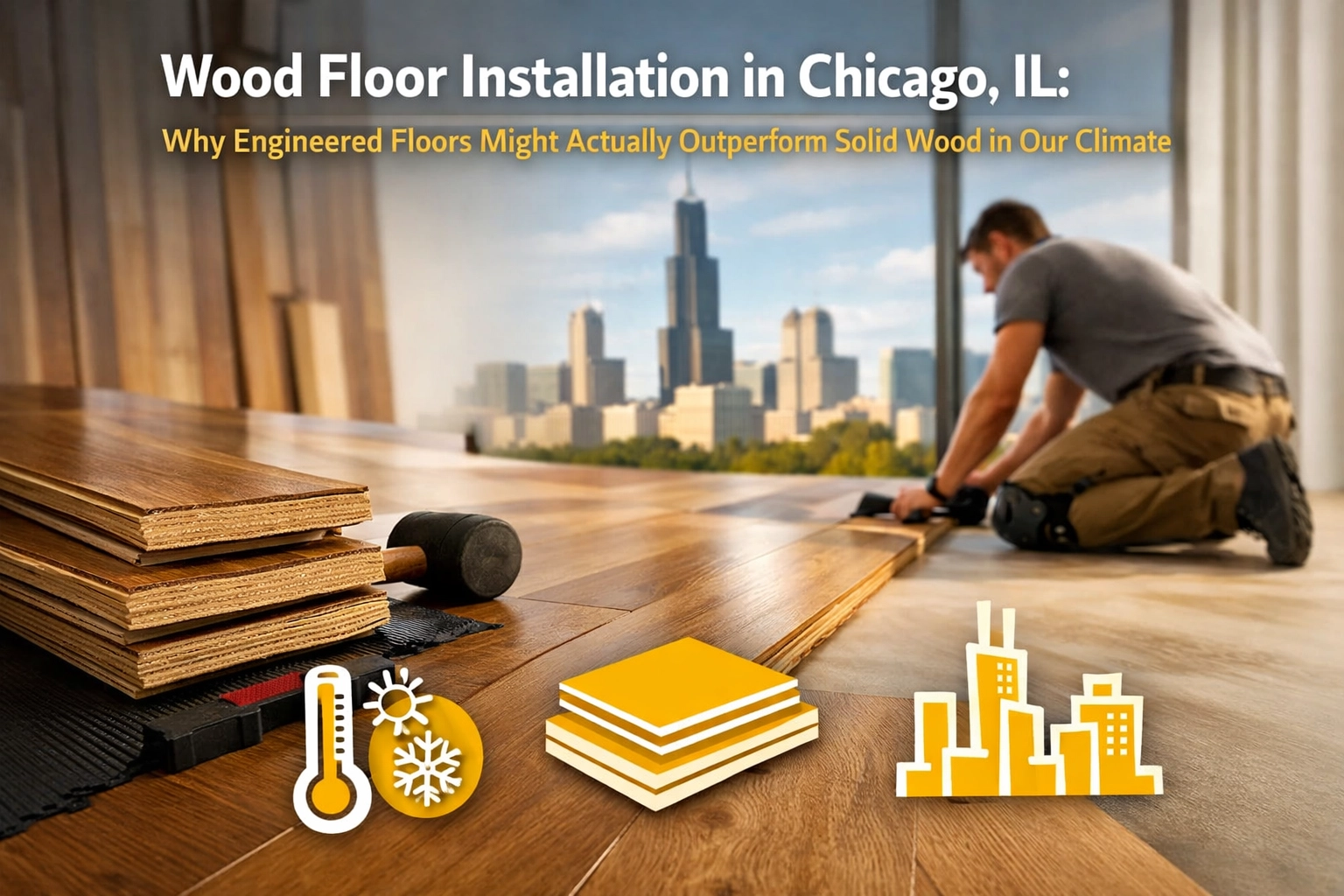
If you live in Chicago, you know the drill. One week we’re bracing for a Polar Vortex that turns the air bone-dry, and a few months later, we’re dealing with the kind of summer humidity that makes you feel like you’re walking through a car wash. While we locals have learned to adapt with heavy parkas and high-powered AC, our homes: specifically our floors: don't always handle these swings so gracefully.
When it comes to wood floor installation in Chicago, IL, the "Solid vs. Engineered" debate is one we have with homeowners every single day. For decades, solid hardwood was the undisputed king. But as technology has improved and our understanding of the Chicago climate has deepened, engineered hardwood flooring has emerged as a powerhouse that might actually be the better choice for your home.
At Rovin's Flooring Inc, we’ve seen how our local weather impacts natural materials. From the North Side to the Western Suburbs, we’ve helped thousands of clients navigate these choices. Here is why engineered flooring is often the "smart money" pick for the Windy City.
The Chicago Climate Challenge: A Tug-of-War with Your Floor
To understand why engineered wood performs so well, you first have to understand what it’s up against. Wood is a hygroscopic material, which is a fancy way of saying it’s like a sponge. It absorbs moisture when the air is humid and releases it when the air is dry.
In Chicago, our indoor humidity levels can swing wildly. During the winter, heating systems strip the moisture out of the air, often dropping indoor humidity below 20%. In the summer, without a robust dehumidification system, that number can spike above 60%.
When solid hardwood loses moisture, it shrinks. This leads to those annoying gaps between your planks that seem to disappear in July only to return in January. Conversely, when it absorbs moisture, it expands. If there isn't enough room for that expansion, the wood can "cup" (the edges become higher than the center) or even buckle.
Check out our guide on humidity and your floors to see the ideal ranges you should aim for.
The Science of Stability: Why Engineered Wood Stays Put
Engineered hardwood flooring isn't "fake" wood. It’s real wood, but it’s built like a tank. While a solid plank is one continuous piece of timber, an engineered plank is constructed of multiple layers (usually 5 to 9) of wood veneers stacked in a cross-grain configuration.
This cross-ply construction is the secret sauce. Because the grain of each layer runs in a different direction, the layers counteract each other’s natural tendency to expand or contract. Research shows that engineered wood moves about 50% less than solid wood in response to seasonal humidity changes. For a Chicago homeowner, this means fewer gaps in the winter and a much lower risk of warping in the summer.
Installation Methods: Glue-Down vs. Floating
One of the reasons we recommend engineered wood for many wood floor installation Chicago IL projects is its versatility. Depending on your subfloor and the specific needs of your home, we have a few ways to get the job done.
The Glue-Down Process
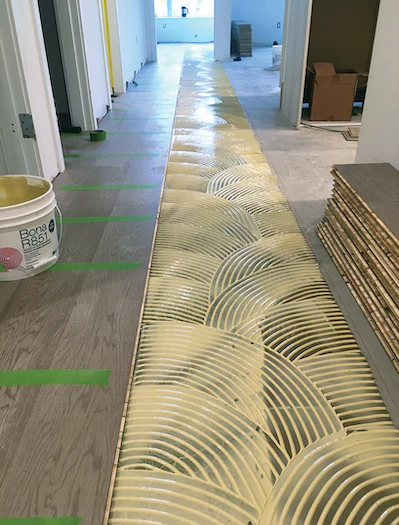
This is our preferred method for high-end residential projects and many commercial spaces. We use premium adhesives, such as Bona R851, to bond the engineered planks directly to the subfloor (whether it's plywood or concrete). This creates a solid, "permanent" feel underfoot that mimics solid hardwood perfectly. It also adds an extra layer of moisture protection between the subfloor and your wood.
Floating Floors
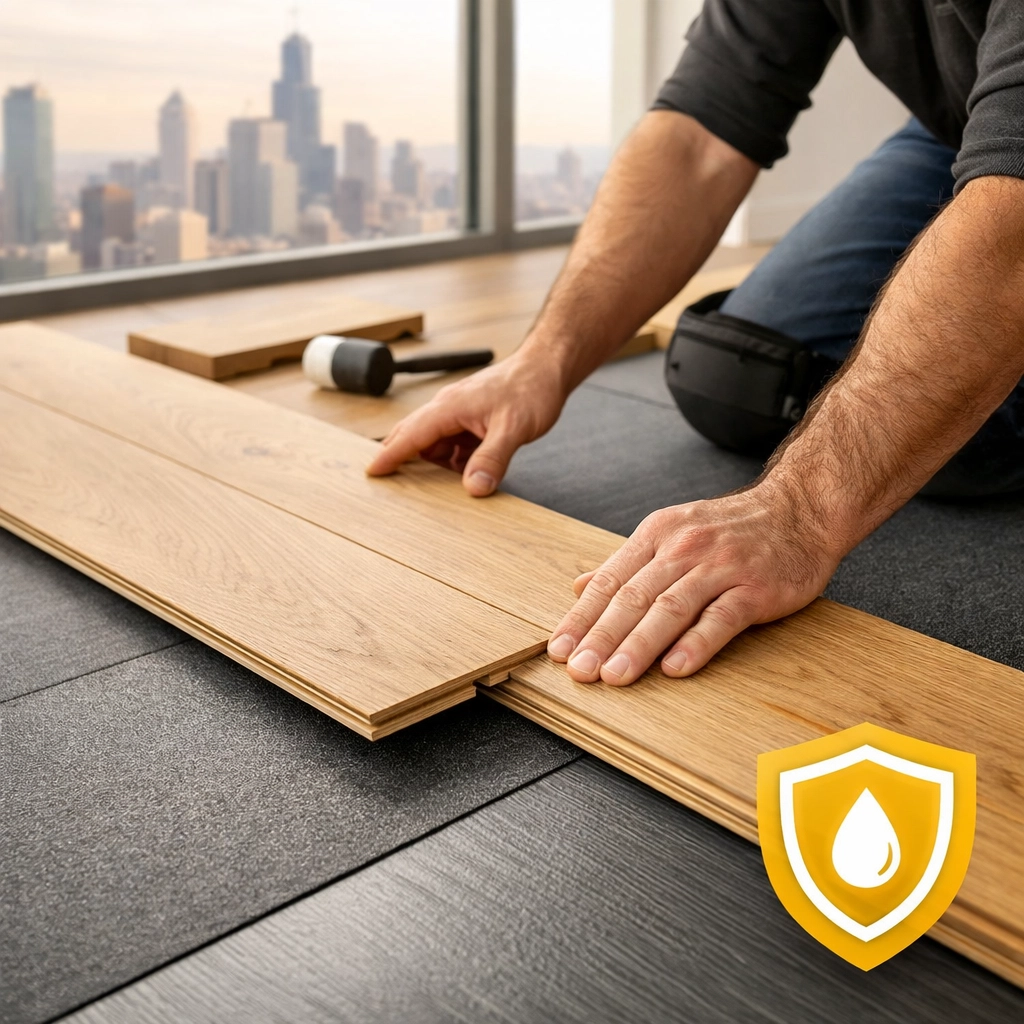
In many Chicago condos or basements where a concrete subfloor might have slight moisture issues or where sound dampening is a priority, a floating installation is a great choice. The planks are clicked or glued together but not attached to the subfloor. Instead, they "float" over a high-quality underlayment. This allows the entire floor to move as a single unit, which is incredibly forgiving in our volatile climate.
Basements, Condos, and Concrete: The Engineered Advantage
If you are looking to install wood in a basement or a high-rise condo with a concrete slab, solid hardwood is usually off the table. Standard solid wood generally cannot be installed "below grade" (basements) or directly over concrete because the risk of moisture damage is too high.
Engineered wood, however, thrives here. Because of its stability, it can be safely installed over concrete slabs, making it the premier choice for modern Chicago living. Whether you’re finishing a basement in Schaumburg or renovating a loft in the West Loop, engineered wood gives you that luxury look without the structural headache.
If you’re currently dealing with a basement floor that didn't hold up, you might want to read about when to fix vs. replace engineered floors.
Unfinished vs. Prefinished: Customizing Your Look
At Rovin's Flooring Inc, we specialize in both unfinished and prefinished engineered floors.
- Prefinished: These arrive at your home already stained and sealed. They are great for quick turnarounds and offer incredibly durable factory finishes.
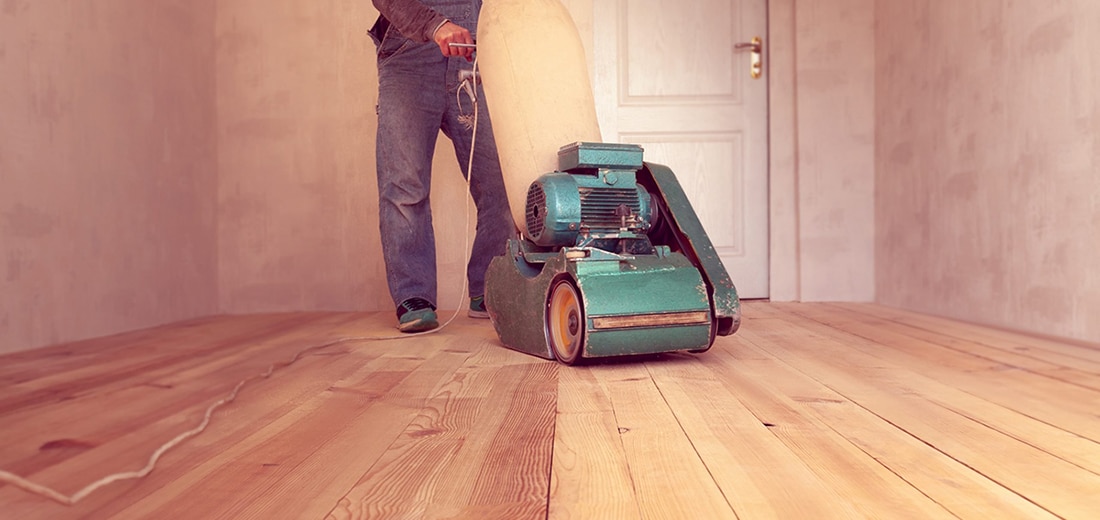
- Unfinished: This is where our craftsmanship really shines. We install raw engineered planks, then sand, stain, and finish them on-site. This allows for a completely custom color: check out our stain color chart for inspiration: and a perfectly flush finish with no "micro-beveled" edges between planks.
Moisture Protection: The Secret to Longevity
No matter which type of wood you choose, moisture protection is non-negotiable in Illinois. During our installation process, we pay close attention to the "moisture sandwich." This involves:
- Testing: We always test the moisture levels of your subfloor before a single plank hits the ground.
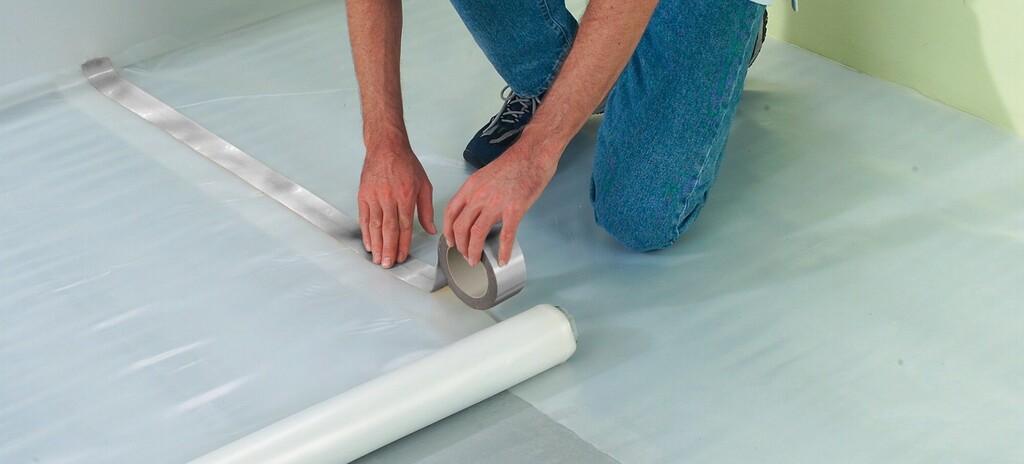
- Barriers: Using high-quality underlayments or moisture-vapor-barrier adhesives.
- Acclimation: We ensure the wood sits in your home's environment for the necessary period (usually 5–10 days) so it can reach equilibrium with your HVAC system.
You can learn more about the technical side of this on our maintenance and moisture page.
Why Choose Rovin's Flooring Inc?
We aren't just installers; we’re Chicagoans who understand the local landscape. We serve Chicago and a 60-mile radius, extending specifically into the North and West suburbs. If you’re in Arlington Heights, Elgin, Naperville, or the North Shore, we’ve worked in a home just like yours.
We pride ourselves on a professional yet casual approach. We want you to feel like you’re getting advice from a knowledgeable neighbor who also happens to have decades of experience in the construction industry. From the initial estimate to the final coat of finish, our president, Adrian Tiutiu, ensures that every project meets our high standards for quality and durability.
Final Thoughts
While solid hardwood will always have a place in traditional homes, engineered hardwood is often the superior choice for the Chicago climate. It offers the same beauty, the ability to be refinished (depending on the wear layer), and a level of stability that solid wood simply can't match when the humidity starts to climb.
Ready to upgrade your space? Whether you’re interested in the latest flooring trends or need a practical solution for a high-traffic family room, we’re here to help.
Contact Rovin's Flooring Inc today for a consultation and let’s find the perfect floor for your Chicago home.