Living in Chicago means dealing with a lot of beautiful things: the skyline, the lakefront, and those stunning historic homes with original hardwood floors. But let’s be real: our weather is a nightmare for wood. Between the "Polar Vortex" winters that dry out your house like a raisin and the humid summers where the air feels like a warm sponge, your floors are constantly under siege.
At Rovin's Flooring Inc, we see it all. I’m Adrian Tiutiu, and after years of installing and refinishing floors throughout the North and West Chicago suburbs, I’ve noticed a pattern. Most homeowners aren't trying to ruin their floors; they’re just making common mistakes that are easily fixed once you know what to look for.
Whether you’re in a classic bungalow in Oak Park or a modern condo in Evanston, here are the seven biggest mistakes you might be making with your Chicago hardwood floors and exactly how to fix them.
1. Ignoring Chicago’s Wild Humidity Fluctuations
The absolute biggest killer of hardwood floors in Illinois isn't foot traffic: it's the air. Wood is a natural material that "breathes." When it’s humid, wood expands; when it’s dry, it contracts. In Chicago, we experience both extremes within a single year.
The Mistake: Failing to regulate the moisture levels in your home. If you turn off your humidifier in the winter or let your house get swampy in July, your floors will respond. You’ll start to see "cupping" (where the edges of the planks are higher than the center) or unsightly gaps where you could practically drop a nickel between the boards.
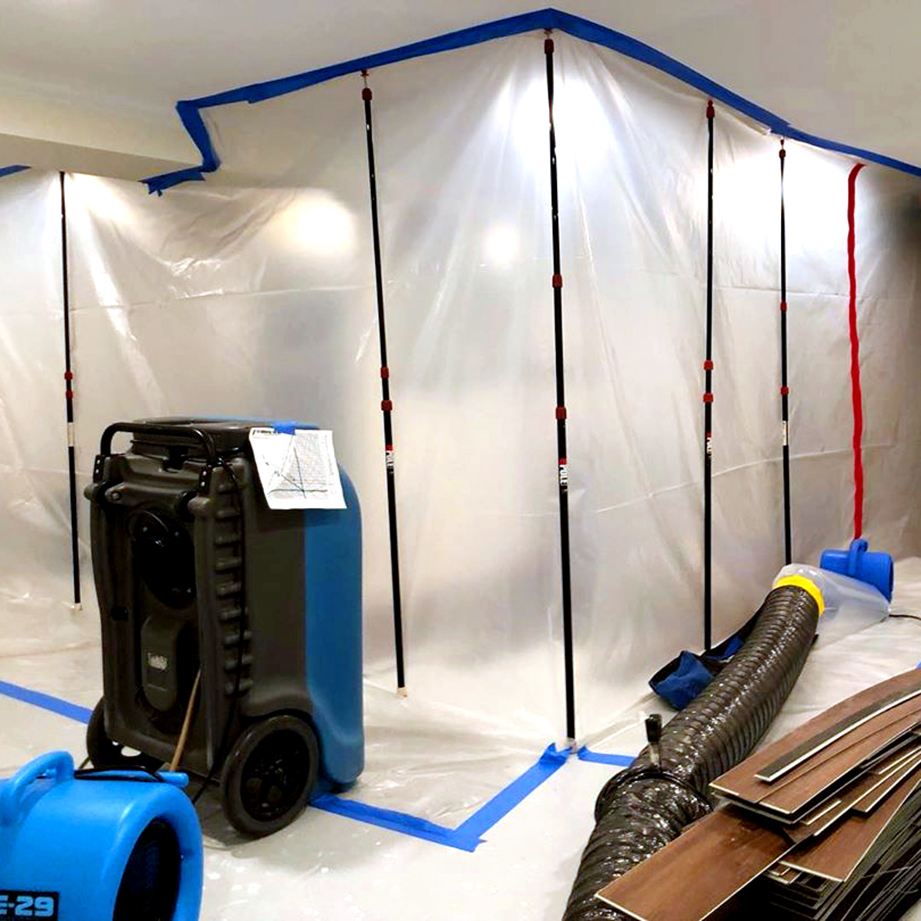
The Fix: You need to maintain a consistent environment. We recommend keeping your home's relative humidity between 35% and 55% year-round. In the winter, use a whole-house humidifier. In the summer, keep the AC running or use a dehumidifier. Keeping your indoor temperature between 16 to 27°C (60-80°F) also helps stabilize the wood. If your floors have already buckled significantly, you might need professional water extraction or repair.
2. The "Wet Mop" Disaster
We get it. You want your floors to be clean. But the old-school bucket and mop method is the fastest way to ruin a beautiful Red Oak or Maple floor.
The Mistake: Using too much water. When you use a soaking wet mop, water seeps into the seams between the planks. Once that moisture gets under the finish and into the raw wood, it causes the wood fibers to swell, leading to permanent warping and finish failure. Even worse are steam mops: the heat and pressure literally force moisture into the grain of the wood.
The Fix: Put the bucket away. Use a microfiber mop and a "spray and wipe" approach. If you have a spill, wipe it up immediately. For regular cleaning, use a damp (not dripping) cloth or a specialized hardwood spray. If you’ve already experienced water damage, check out our guide on engineered hardwood floor repair to see if you need a patch or a full replacement.
3. Using "Grocery Store" Cleaners and Waxes
If you walk down the cleaning aisle at a big-box store in Arlington Heights, you’ll see dozens of products promising to "restore shine" or "add a protective glow." Most of these are a trap.
The Mistake: Using products containing wax, oil, or silicone (like Murphy’s Oil Soap or certain "rejuvenating" sprays). These products leave a residue that builds up over time. Not only does this residue attract more dirt, but it also makes it impossible to "screen and coat" your floors later. If you ever want to add a fresh layer of finish, that wax will prevent the new finish from sticking, forcing you to do a full, expensive sanding job.
The Fix: Stick to professional-grade, pH-neutral cleaners. We almost always recommend Bona Hardwood Floor Cleaner. It leaves no residue and is safe for the polyurethane finishes we use. If your floors have lost their luster, don't try to wax them back to life. Instead, look into professional refinishing to get that real, durable shine back.
4. Wearing Shoes Indoors (The Salt and Grit Factor)
This is a big one for our Chicago neighbors. Think about what’s on your shoes after a walk in February: salt, sand, gravel, and ice melt chemicals.
The Mistake: Walking on your hardwood with outdoor shoes. The grit on the bottom of your boots acts like sandpaper. Every step you take grinds that salt and sand into the finish, creates micro-scratches, and eventually eats through the protective layer of your floor.
The Fix: Adopt a strict "no shoes" policy. Keep a rug or mat both outside and inside every entrance to catch debris. Better yet, have a dedicated "mudroom" area or a bench near the door where family and guests can swap boots for slippers. This one simple habit can double the life of your floor's finish.
5. Skipping the Expansion Gap During DIY Projects
We love a good DIY spirit, but hardwood installation is a science. One of the most common errors we see when we’re called in to fix a "homeowner special" is a lack of breathing room.
The Mistake: Installing wood planks tight against the walls. As we mentioned in point #1, wood moves. If there’s no space for the floor to expand when the humidity hits 80% in August, the boards will have nowhere to go but up. This leads to "crowning" and buckling that can actually rip the nails right out of the subfloor.
The Fix: Always leave a 1/2-inch to 3/4-inch expansion gap around the entire perimeter of the room. This gap is hidden by your baseboards and shoe molding. If you’re unsure about the technical side of things, it’s always cheaper to hire a pro for installation than it is to pay someone to rip out and reinstall a buckled floor.
6. Forgetting About the Sun (UV Fading)
If you have a beautiful sunroom or big south-facing windows in your Schaumburg home, you might notice your floors changing color over time.
The Mistake: Allowing direct, concentrated sunlight to hit the same spot on your floor for years. UV rays break down the lignin in the wood and the chemicals in the stain. You’ll eventually move a rug and realize the wood underneath is a completely different shade than the rest of the room.
The Fix: Use window treatments: blinds, curtains, or UV-filtering window film: during peak sunlight hours. Also, try to rearrange your furniture and area rugs every year or two. This allows the floor to "age" evenly across the entire surface. If the fading is already severe, a professional restoration with a fresh stain color can even things out.
7. Waiting Too Long to Refinish
Many homeowners treat their floors like they do their roof: they wait for a major problem before they call someone. But hardwood floors are more like a car: they need preventative maintenance.
The Mistake: Waiting until the finish is completely worn through to the raw wood. Once the wood is exposed, it starts absorbing dirt and moisture, which causes deep staining that might not sand out. If you wait until you see grey or black patches in high-traffic areas, you’ve waited too long.
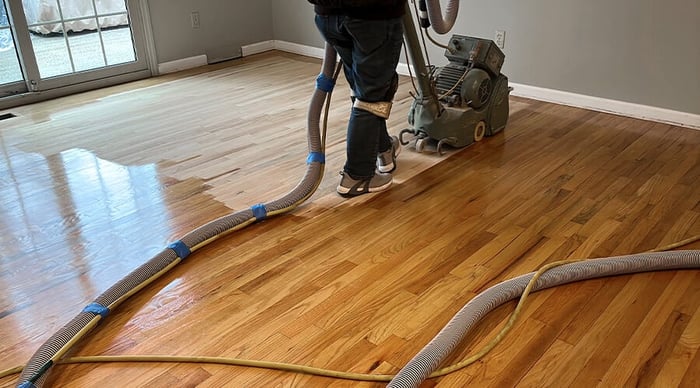
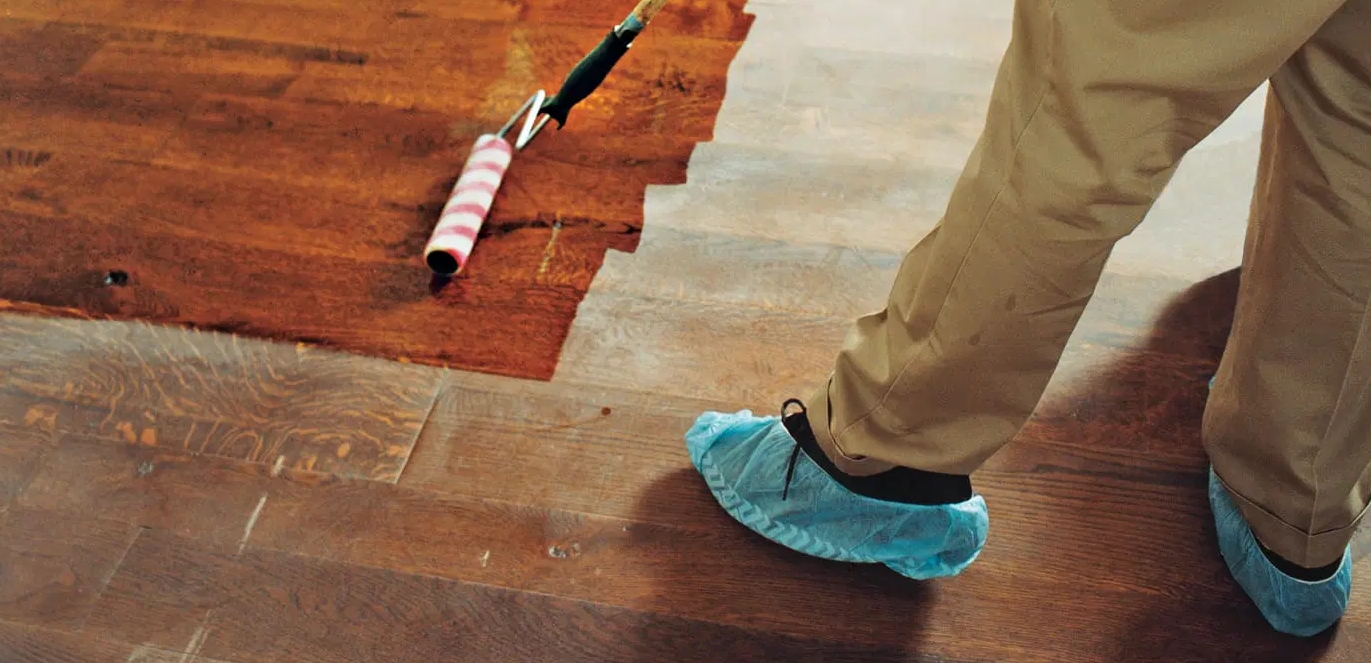
The Fix: Watch for signs of wear. If water no longer beads on the surface or if the floor looks "thirsty," it’s time for a maintenance coat. Often, we can perform a "buff and coat" (lightly abrading the top layer and adding a new coat of polyurethane) which is much cheaper and faster than a full sand and finish. For more on what's trending in 2026, check out these 5 hardwood trends for inspiration.
Your Partner in Chicago Hardwood Care
Your hardwood floors are an investment in your home's value and your daily comfort. At Rovin's Flooring Inc, we take pride in helping our neighbors in the North and West Chicago suburbs keep their homes looking incredible. Whether you need a simple maintenance check or a complete commercial-grade refinishing, we’ve got the expertise to handle the unique challenges of our local climate.
Don't wait until those small scratches become major repairs. If you’re seeing any of the signs we mentioned above: or if you’re just ready for a fresh new look: reach out to us today.
We serve a 60-mile radius from Chicago, focusing on the communities to the North and West. We’d love to help you bring your floors back to life.
Ready to fix those mistakes and get your floors looking like new?
Get a free estimate today!