If you live in Chicago or the surrounding North and West suburbs, you know that our weather doesn't just "change": it swings wildly. One week we’re dealing with a polar vortex that dries out your skin (and your floors), and the next, we’re hit with a humid lakefront breeze that makes everything feel sticky.
At Rovin's Flooring Inc., we’ve seen it all. I’m Adrian Tiutiu, and after years of installing and refinishing floors across the Chicago area, I can tell you that most hardwood "emergencies" are actually avoidable. Your hardwood floors are living, breathing things. They react to the air around them. If you aren't prepared for the seasonal shifts, you're going to see gaps, cupping, or even structural damage.
Here are the 7 biggest mistakes Chicago homeowners make with their hardwood floors: and exactly how to fix them before the next season hits.
1. Flying Blind Without a Hygrometer
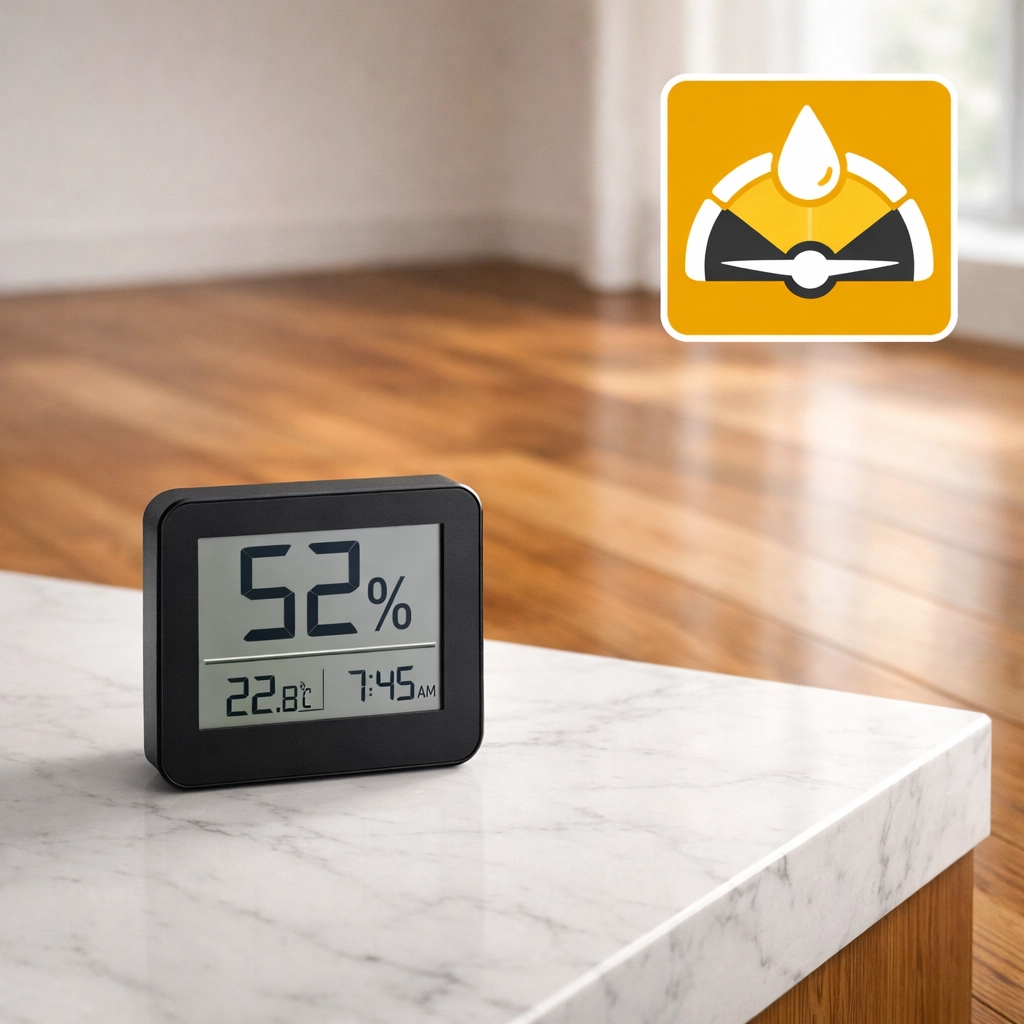
The single biggest mistake we see is homeowners guessing how their home environment is affecting their floors. In Chicago, our indoor humidity can drop to 10% in January and spike to 70% in August. Without a way to measure this, you’re just waiting for trouble.
The Fix: Buy a digital hygrometer. You can pick one up at any hardware store for under $20. You want to keep your home’s relative humidity between 30% and 50%. If you see it dipping or spiking outside that range, you know it’s time to adjust your HVAC or humidifiers.
2. Letting the "Winter Saharan Effect" Take Hold
When the heat kicks on in November, the air in your home becomes incredibly dry. When wood loses moisture, it shrinks. This is when you start seeing those annoying gaps between your planks. If it gets too dry (below 30%), the wood can actually become brittle, leading to splinting or permanent cracks.
The Fix: You need a whole-home humidifier integrated into your HVAC system, or at the very least, high-quality room humidifiers in the areas with the most hardwood. Maintaining that 30-35% minimum moisture level will keep your planks tight and prevent that "creaky" winter floor. For more technical details on how temperature affects your wood, check out our guide on temperature and hardwood.
3. Ignoring the "Summer Swamp" (and Basements)
High humidity is actually more dangerous than low humidity. When the air is saturated, your hardwood absorbs that moisture and expands. If there’s no room for the wood to go, the edges of the planks will push upward: a phenomenon called "cupping." In extreme cases, the wood can "buckle" right off the subfloor.
The Fix: Run your air conditioning or a high-capacity dehumidifier. This is especially vital if you have hardwood on the first floor above a crawlspace or basement. Stagnant air is the enemy. Use ceiling fans and ensure your bathroom and kitchen exhaust fans are actually venting moisture outside. You can read more about managing humidity levels here.
4. Wet Mopping Like It’s 1950
I see this all the time: a homeowner takes a bucket of water and a string mop to their beautiful oak floors. Stop! Water is the natural enemy of finished hardwood. If water seeps into the joints, it causes the wood fibers to swell and can ruin the finish from the inside out. Similarly, steam mops are a "no-go" for most hardwood because they force hot moisture into the grain.
The Fix: Use a microfiber mop and a dedicated hardwood cleaner (like Bona). You should only be using a light mist of cleaner: the floor should be dry within a minute of wiping. For a full breakdown of what to use, visit our maintenance page.
5. Waiting Too Long Between Refinishing Cycles
Many homeowners wait until the finish is completely worn down to the bare wood before calling a professional. By that point, you aren't just doing a "buff and coat": you’re looking at a full sand-and-refinish, which is more expensive and time-consuming. If you see "graying" in high-traffic areas, that means the protective layer is gone and the wood is absorbing dirt and water.
The Fix: Keep an eye on your high-traffic zones. A maintenance coat (screening) every few years can save you thousands in the long run. If you’re already seeing scratches and dullness, it might be time for a professional commercial-grade refinishing to bring that luster back.
6. Using "Generic" Cleaning Products or Wax
Those "floor shine" products you see at the big-box stores? They are often filled with waxes or oils that create a temporary glow but leave a nasty residue. Once you apply those, it becomes nearly impossible to do a simple "screen and coat" later because the new finish won't bond to the wax. You’ll be forced to sand the entire floor down to bare wood.
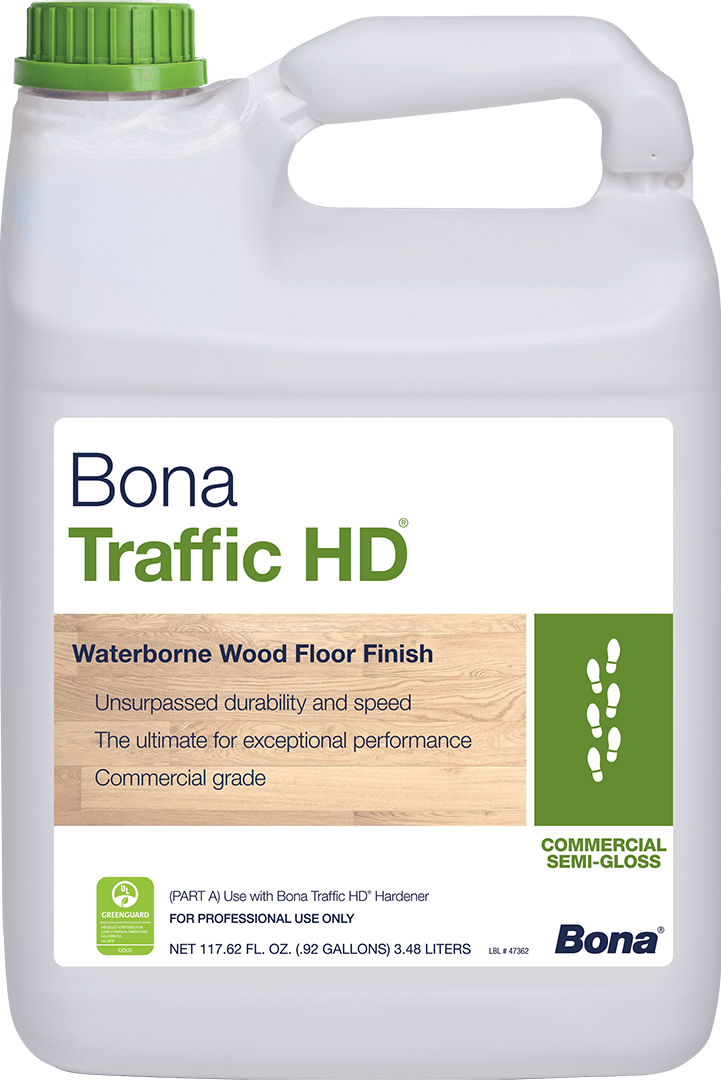
The Fix: Stick to professional-grade, pH-neutral cleaners. If you want a specific look, whether it’s a matte finish or a high gloss, that should be achieved through the finish itself, not a temporary cleaning product. We often use Bona Traffic HD because it offers incredible durability without the need for waxy additives.
7. The "DIY" Sanding Trap
We love a good weekend project as much as anyone, but hardwood sanding is an art form. We’ve been called into so many homes in the North and West Chicago suburbs to fix "drum marks" and uneven surfaces left behind by rental equipment. Rental sanders are often poorly maintained and can gouge your floors in seconds.
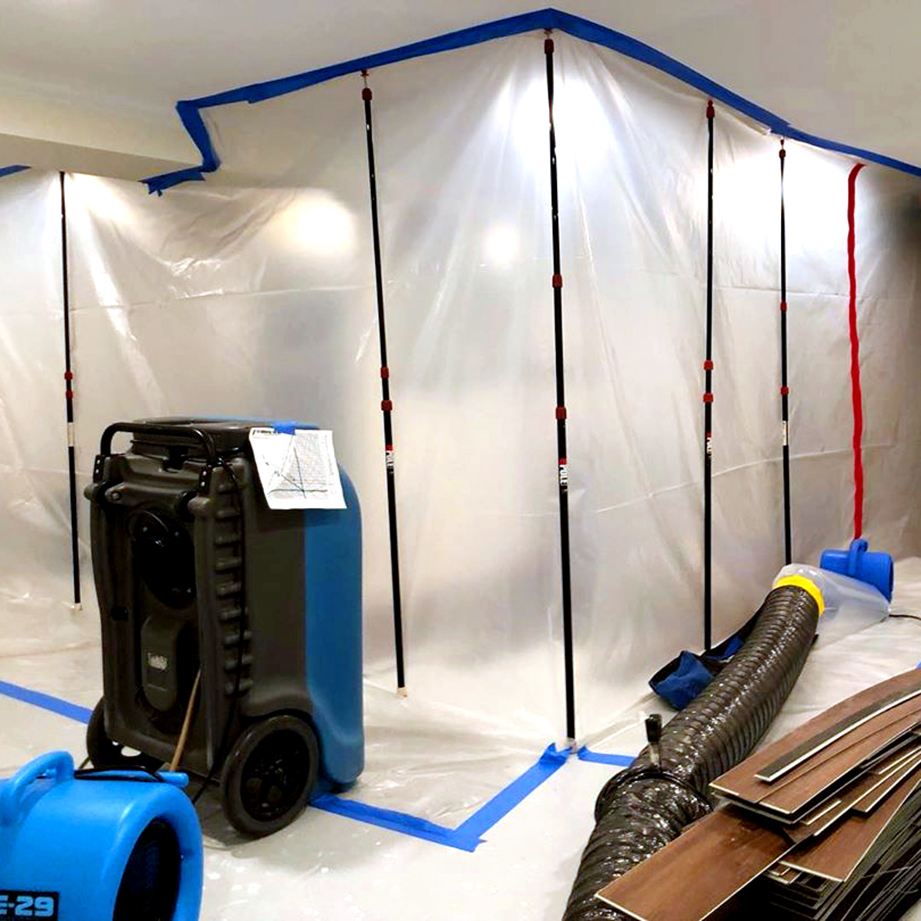
The Fix: If your floors need a deep sand, hire a pro. At Rovin's Flooring Inc., we use advanced dust-containment systems that keep your home clean while ensuring a perfectly level surface. It’s the difference between a floor that looks "okay" and one that looks like a showroom. If you're debating whether your floor can even be saved, read our post on engineered hardwood repair vs. replacement.
Summary: Preparing for the Chicago Shift
Your floors are an investment. In a city like Chicago, where the weather is a constant factor, maintenance isn't a "once a year" thing: it's a lifestyle. By monitoring your humidity, using the right cleaning tools, and knowing when to call in the experts, you can make your hardwood last for generations.
If you’re noticing gaps, cupping, or just a dull finish that won’t go away, don't wait for the next season to make it worse. Whether you're in the heart of the city or out in the Western suburbs, we’re here to help.
Ready to give your floors the professional touch?
- Check out our Gallery for inspiration.
- Get a Free Estimate today.
- Learn why hardwood is the best choice for Chicago homes.
Keep those floors beautiful, Chicago!
: Adrian Tiutiu, President, Rovin's Flooring Inc.