
You're finally ready to pull the trigger on hardwood floors for your Chicago home. Maybe you've been dreaming about ditching that outdated carpet, or perhaps you're renovating a classic bungalow in Oak Park. Whatever your situation, installing hardwood flooring is a big investment, and in Chicago, there are some unique considerations that can make or break your project.
After years of working with homeowners throughout Chicago and the surrounding 60-mile radius extending North and West, we've seen what works (and what doesn't). Here are the 10 essential things you need to know before your installation begins in 2026.
1. Budget Realistically, Costs Have Changed
Let's talk numbers. In 2026, you're looking at $6 to $25 per square foot for hardwood materials alone, depending on species and quality. Installation labor adds another $3 to $8 per square foot. All told, most Chicago homeowners pay between $10 and $18 per square foot for complete installation.
But here's the catch: that's just the starting point. Older Chicago homes, especially those charming pre-war buildings in neighborhoods like Lincoln Square or Rogers Park, often need subfloor preparation. Leveling uneven floors and addressing moisture issues can add unexpected costs. Always budget an extra 15-20% for these "surprises" that aren't really surprises when you're dealing with 80-year-old construction.
2. Acclimation Isn't Optional (Especially in Chicago)
You can't just bring hardwood from a warehouse and start nailing it down the same day. Wood is a living, breathing material that needs to adjust to your home's environment. Minimum acclimation time is 72 hours, but honestly? In Chicago's climate, we recommend 4-5 days or more.
Here's how to do it right: Don't stack all the boxes in your garage. Instead, scatter them throughout the rooms where they'll be installed. Open the boxes and let the wood breathe. This prevents the wood from expanding or contracting dramatically after installation, which is exactly what causes those annoying gaps and warping you see in poorly installed floors.
3. Your Subfloor Matters More Than You Think
Walk through any older Chicago home and you'll feel it, floors that aren't quite level, soft spots, creaks. Your subfloor is the foundation of everything, and if it's not properly prepped, even the most expensive hardwood will fail.
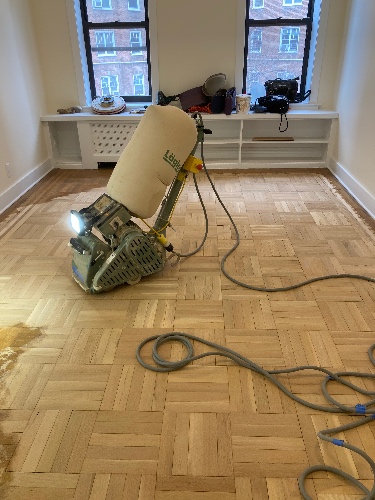
Professional installers use specialized equipment to grind down high spots, fill low areas, and ensure everything is level. They'll also check moisture levels with precision meters. Why does this matter? Because a concrete slab in a Lakeview basement has different moisture challenges than the wood subflooring in a Naperville ranch.
The subfloor must be clean, level, and dry. Period. There's no shortcut here.
4. Chicago's Climate Is Your Floor's Biggest Enemy
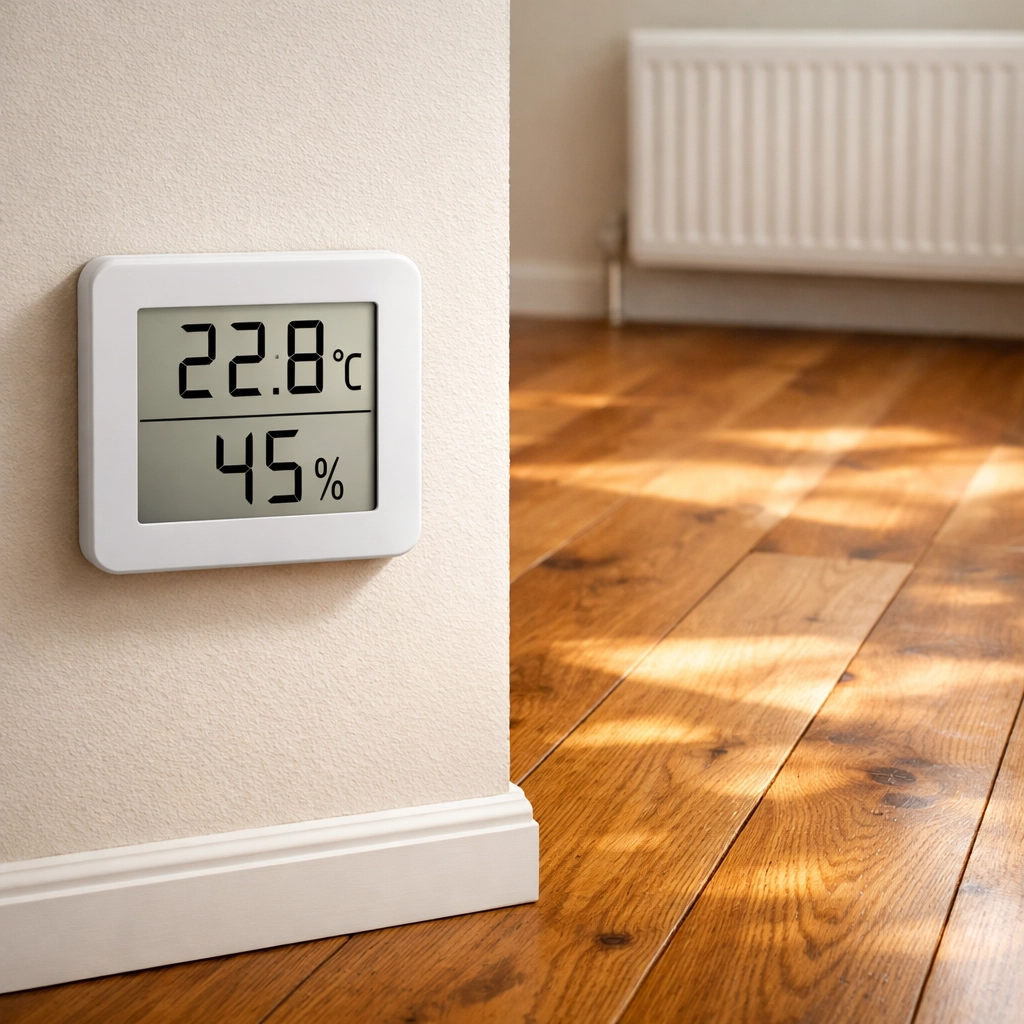
Chicago isn't kind to hardwood floors. We've got humid summers where your floors expand, and brutally dry winters when your furnace turns your home into a desert and your floors contract. This constant expansion and contraction cycle is what separates successful installations from disasters.
The solution? Maintain consistent indoor temperature and humidity year-round. Invest in a good humidifier for winter and keep your AC running in summer. Your floors will thank you. This is especially critical in older homes where climate control can be inconsistent from room to room.
5. Moisture Control Is Non-Negotiable
Moisture is the silent killer of hardwood floors. In Chicago, between lake effect humidity, spring rains, and snow melt, moisture management is essential.
Always install a proper vapor barrier, products like Aquabar create a moisture shield between your subfloor and hardwood. This is particularly important if you're installing on concrete slabs or in older homes where moisture has been creeping up through the foundation for decades.
Professional moisture testing before installation isn't just recommended, it should be required. The wood and subfloor need to reach moisture equilibrium before installation begins.
6. Installation Method Matters (And It's Not One-Size-Fits-All)
There are three primary installation methods, and each has its place:
Nail-Down Installation is the classic approach for solid hardwood. It provides excellent support and works great for high-traffic areas and thicker planks. You'll see professional installers using pneumatic nailers to secure planks through the tongue every 6-8 inches.
Staple-Down Installation is similar to nail-down but uses specialized staples driven at 45-degree angles. It's faster but requires the right subfloor conditions.
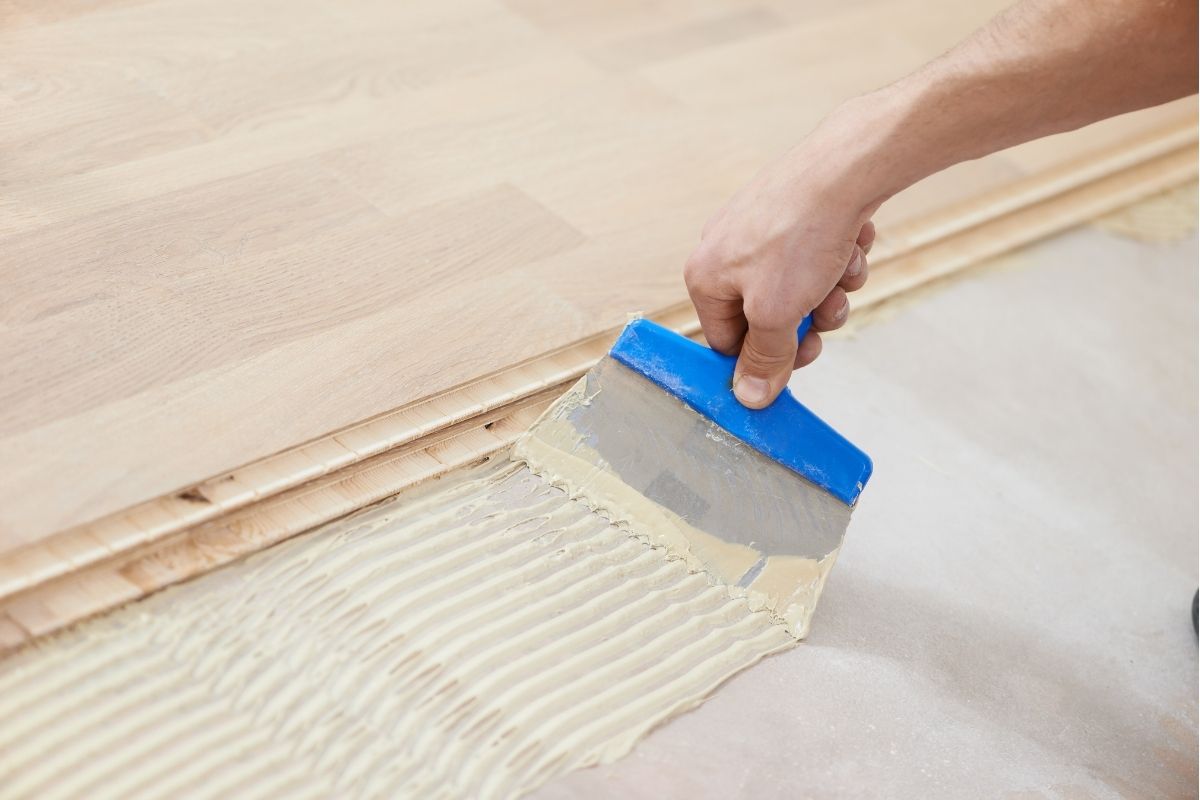
Glue-Down Installation works for both solid and engineered hardwood. It's particularly useful when you're working with concrete subfloors or need a super-stable installation in areas prone to movement.
The method depends on your subfloor type, wood species, and the specific challenges of your home. There's no "best" method, only the right method for your situation.
7. Expansion Gaps Aren't Suggestions
Here's something that trips up DIYers every time: You need to leave a 3/4-inch expansion gap between your flooring and all walls. Always.
Wood expands when it gets humid and contracts when it dries out. Without that gap, your beautiful new floors have nowhere to go when they expand, so they buckle, warp, or develop gaps. The gap gets hidden later with baseboards and shoe molding, so you'll never see it. But skip this step and you'll definitely see the consequences.
8. Read the Manufacturer Instructions (Yes, Really)
Every hardwood product comes with specific installation guidelines from the manufacturer. While general principles apply across the board, manufacturer instructions can vary significantly, especially with specialty hardwood flooring.
These aren't suggestions: they're requirements. Following manufacturer guidelines ensures your warranty remains valid and your floors perform as expected. In 2026, with more engineered options and innovative finishes hitting the market, this is more important than ever.
9. Permits? Probably Not, But Maybe
Good news: In most cases, you don't need a permit for engineered hardwood floor installation in Chicago. However, there are exceptions.
If your project involves significant subfloor alterations or structural changes: like removing walls or modifying floor joists: you might need a permit. When in doubt, check with your local building department. It's a quick call that can save you headaches down the road.
10. DIY vs. Professional Installation: The Real Math
Could you install hardwood floors yourself? Sure. Should you? That depends.
DIY might save you $3-8 per square foot in labor costs, but consider what you're taking on: addressing uneven subflooring, managing moisture issues, working around Chicago's architectural quirks (radiators, anyone?), creating seamless transitions between rooms, and ensuring everything stays square and level across 500+ square feet.
Professional installers bring specialized tools, experience with Chicago-specific challenges, and the ability to spot potential problems before they become expensive disasters. They can handle that century-old subfloor in your Evanston Victorian, deal with the concrete slab in your modern Schaumburg townhouse, and know exactly how to work around that original tile work you want to preserve.
For most homeowners throughout Chicago and the surrounding areas extending North and West, professional installation is worth every penny.
Moving Forward with Your Installation
Installing hardwood floors in your Chicago home is a significant investment that, when done right, adds beauty and value for decades. Understanding these 10 factors before you begin helps ensure your project succeeds: no matter which neighborhood you call home.
The key is working with professionals who understand Chicago's unique challenges, from climate concerns to the quirks of older construction. Your floors will face everything from winter salt tracked in from your front steps to summer humidity from the lake. They need to be installed with these realities in mind.
Ready to start your hardwood flooring project? Whether you're in the city proper or anywhere in the 60-mile radius extending North and West, choosing experienced professionals who understand these 10 critical factors makes all the difference between floors that look great for a few years and floors that remain beautiful for generations.
Looking for more insights on hardwood flooring in Chicago? Check out our posts on hardwood floor maintenance and winter salt protection and how Chicago homeowners are switching to warm natural tones in 2026.