
If you're considering hardwood floors for your Chicago home, you're making a smart investment. Hardwood adds timeless beauty, increases property value, and can last for generations when properly maintained. But here's the thing, installing hardwood in Chicago isn't quite the same as doing it in, say, Phoenix or Miami. Our city's unique climate presents specific challenges that you need to understand before making any decisions.
Let's walk through everything you need to know about choosing, installing, and maintaining hardwood floors in the Windy City.
Why Chicago's Climate Matters More Than You Think
Chicago weather is notorious for its extremes, and your hardwood floors feel every bit of it. We experience bone-dry winters when humidity drops dangerously low, causing wood to shrink and potentially crack. Then come our humid summers, when moisture in the air makes wood swell and sometimes buckle.
These dramatic swings between wet and dry, hot and cold, put real stress on hardwood flooring. That's why choosing the right species and maintaining proper humidity levels isn't just a nice-to-have: it's essential for protecting your investment.
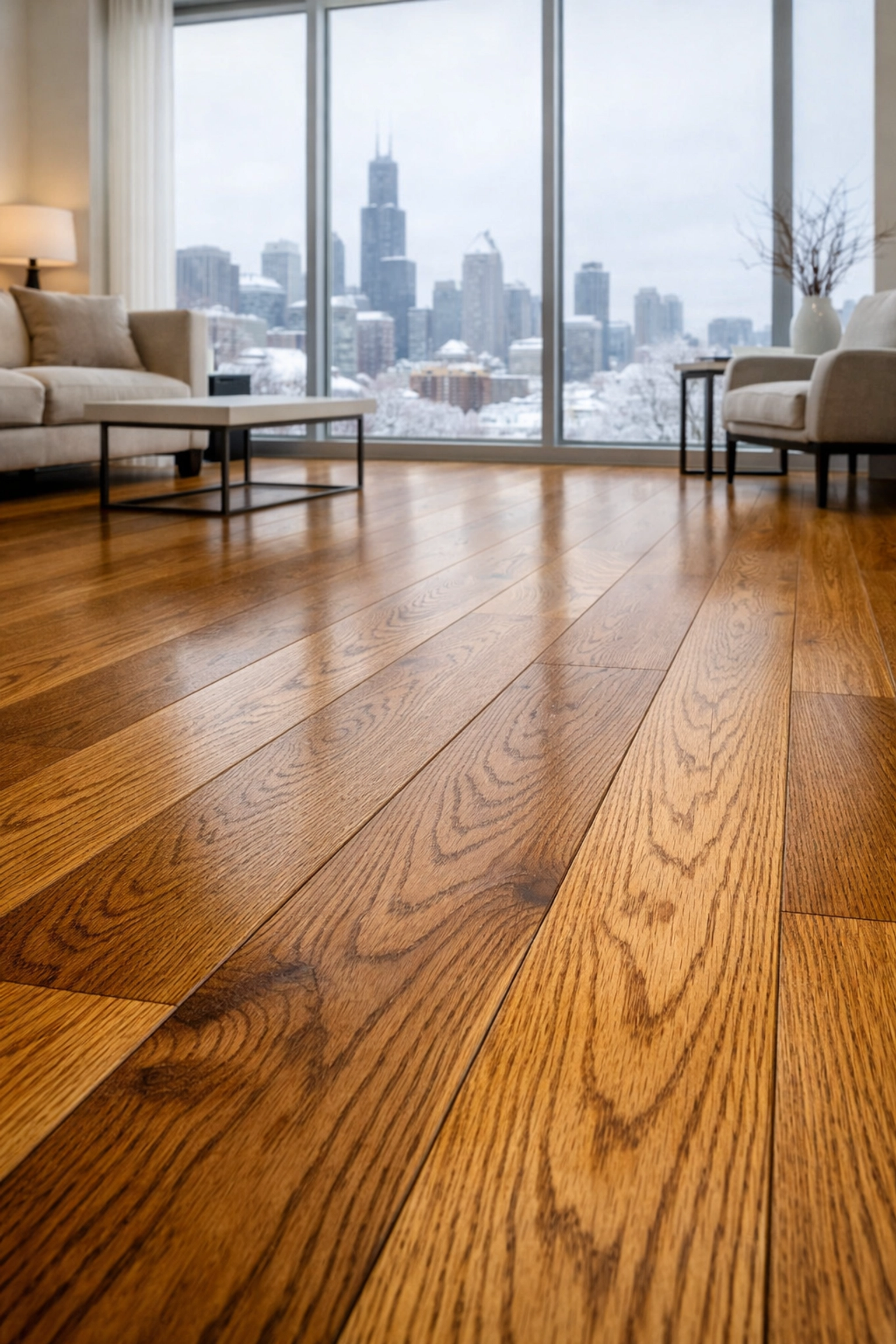
Choosing the Right Wood Species for Chicago Homes
Not all hardwood is created equal, especially when it comes to withstanding Chicago's climate. Here are the top performers for our area:
Oak: The Chicago Classic
Oak remains the most popular choice for Chicago homeowners, and for good reason. Both red and white oak offer excellent durability and stability in fluctuating conditions. Oak's natural grain accepts stains beautifully, giving you tons of design flexibility. Whether you prefer the warmer tones of red oak or the cooler, more contemporary look of white oak, you're getting a hardwood that can handle whatever Chicago throws at it.
Maple: Sleek and Strong
If you're after a more modern, minimalist aesthetic, maple delivers. It's incredibly hard and wear-resistant, making it perfect for high-traffic areas like kitchens and hallways. Maple's tight grain and lighter natural color create a clean, bright look that works especially well in urban lofts and contemporary homes throughout Chicago and its surrounding areas extending North and West.
Hickory: The Tough Guy
Hickory is one of the hardest domestic hardwoods available. If you have kids, pets, or just want floors that can take serious abuse, hickory should be on your shortlist. It's naturally resistant to dents and scratches, and its bold grain patterns add rustic character. The trade-off? Hickory's dramatic color variation isn't for everyone, but if you love that natural, organic look, it's unbeatable.
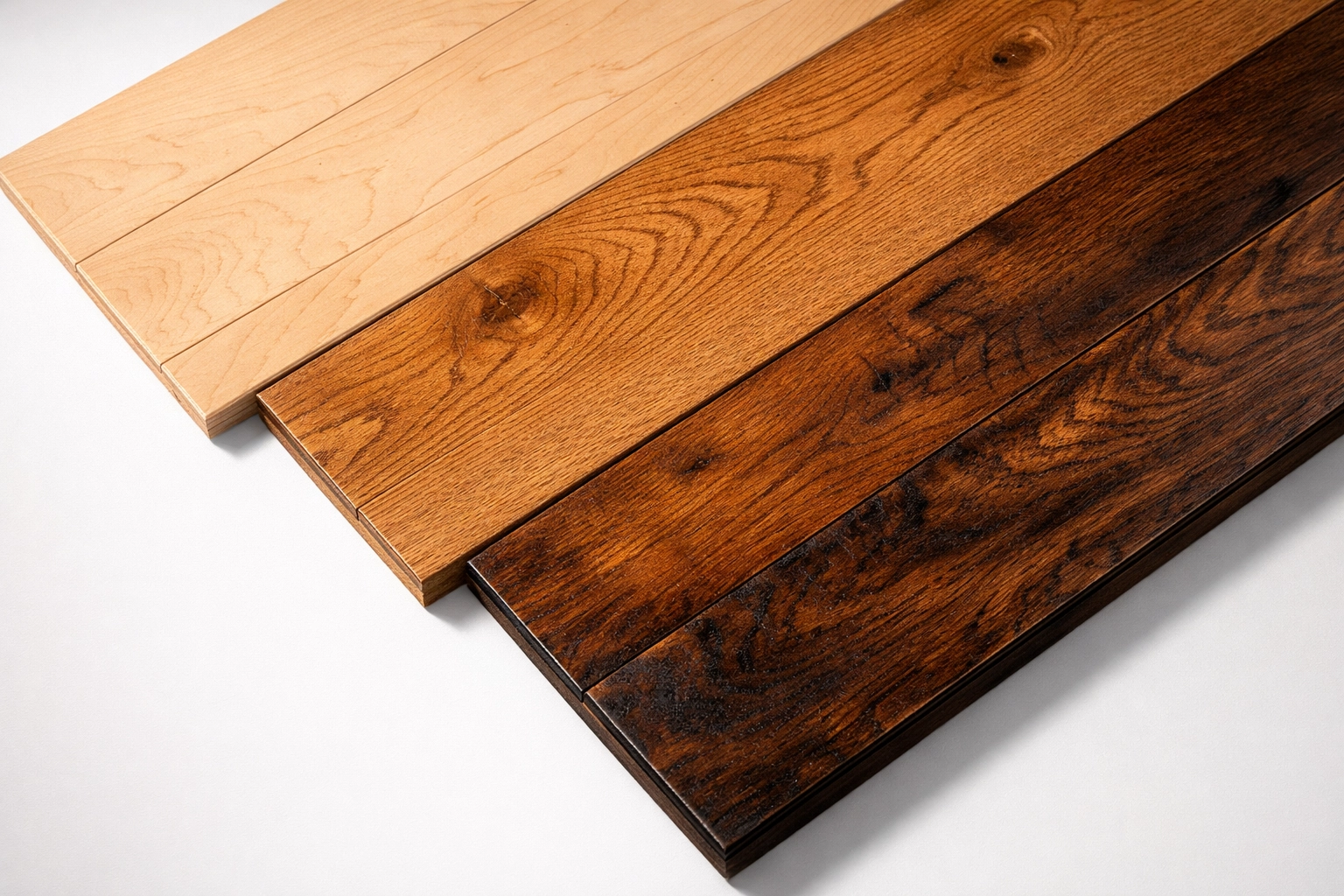
Design Decisions That Matter
Once you've narrowed down your species, consider these design factors:
Color Psychology
Lighter woods like white oak or natural maple make spaces feel larger and brighter: a huge plus in Chicago condos where natural light can be limited. Darker woods like walnut or stained oak add warmth and sophistication but can make smaller rooms feel more enclosed. Think about your space and lighting before committing to a color direction.
Plank Width Considerations
Wide planks (5 inches and up) are trending right now and create a luxurious, modern look. However, in Chicago's climate, wider planks are more susceptible to expansion and contraction. Narrower planks (2.25 to 3.25 inches) are more stable and traditional. If you love the wide plank look, make sure your humidity control game is strong.
Texture and Finish
Smooth finishes offer that classic, elegant look but show every scratch and ding. Hand-scraped or wire-brushed textures hide wear better and add character from day one. For busy Chicago families, textured finishes are often the smarter choice. You can read more about finish options for Chicago homes on our blog.
Going Green: Sustainable Hardwood Options
More Chicago homeowners are prioritizing sustainability, and the flooring industry has responded with excellent eco-friendly options:
FSC-Certified Hardwood ensures your floors come from responsibly managed forests. Reclaimed wood salvaged from old barns and buildings offers unique character while keeping materials out of landfills. Engineered hardwood uses less solid wood while maintaining beauty and performance: plus, it's often more stable in Chicago's climate than solid hardwood.
Low-VOC finishes and adhesives are another smart choice for indoor air quality, especially important in our sealed-up homes during Chicago winters.
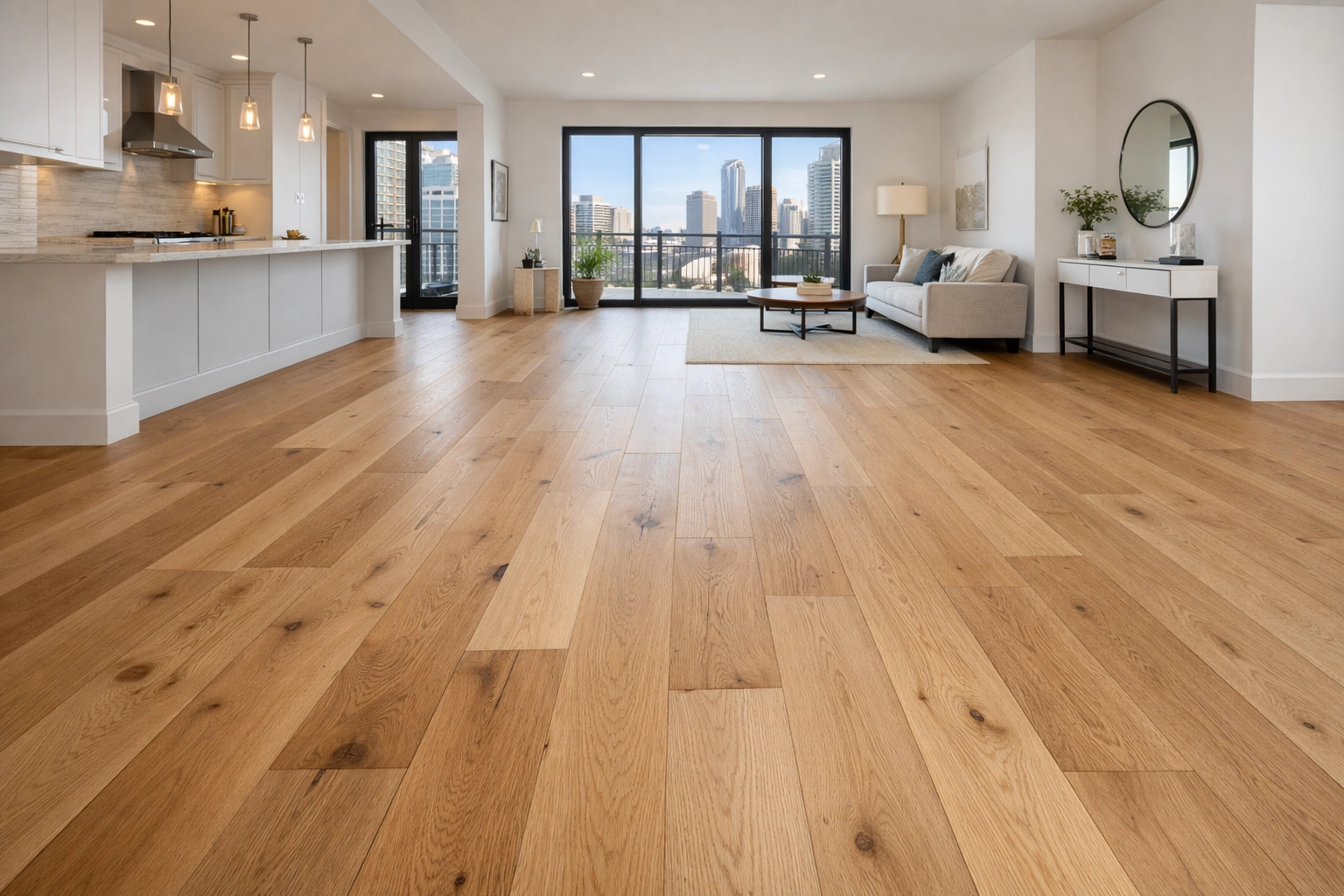
The Professional Installation Advantage
Here's where we need to be straight with you: DIY hardwood installation in a Chicago home is risky business. Professional installers understand the critical importance of acclimation time: letting your wood adjust to your home's specific humidity and temperature before installation. They know how to evaluate your subfloor, address moisture concerns, and navigate the quirks of Chicago properties, from century-old brownstones to modern high-rises.
We serve Chicago and the surrounding 60-mile radius extending North and West, and we've seen everything: radiators that need special accommodation, concrete subfloors in condos with moisture issues, and historic homes with floors that aren't remotely level. Professional installation isn't just about making floors look good on day one; it's about ensuring they perform well for decades.
What to Expect Cost-Wise
Let's talk numbers. As of 2025, hardwood flooring installation in the Chicago area typically runs between $8 and $14 per square foot, including materials and labor. That's a significant investment, but remember: properly maintained hardwood can last 50+ years and adds real value to your home.
Your specific cost depends on wood species, plank width, finish selection, and the complexity of your space. Engineered hardwood usually costs less than solid hardwood, and exotic species cost more than domestic options like oak or maple.
Maintaining Your Chicago Hardwood Floors
Installation is just the beginning. Proper maintenance keeps your floors beautiful and prevents costly problems:
Humidity Control Is Non-Negotiable
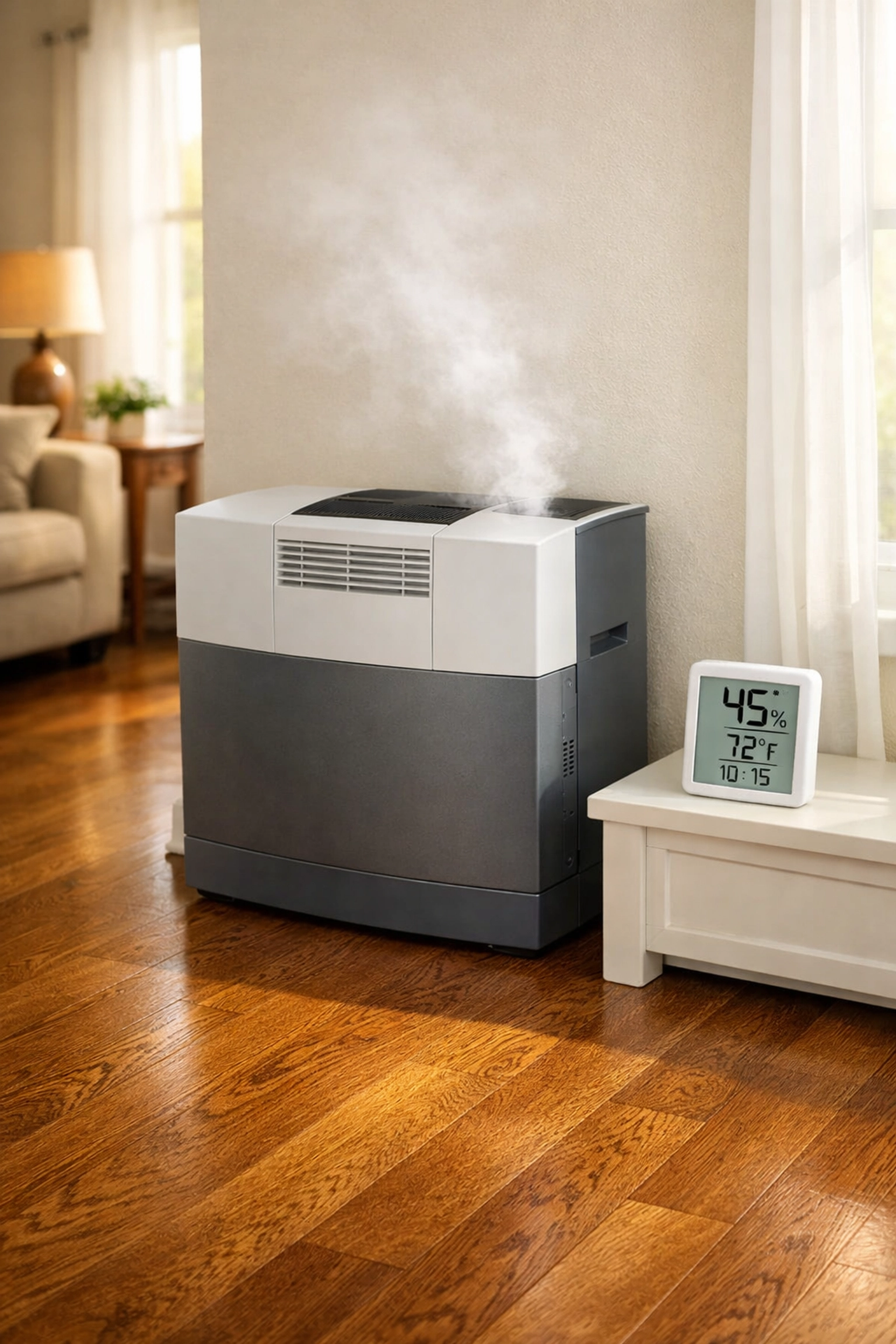
Invest in a whole-home humidifier for winter and a dehumidifier for summer. Aim to keep indoor humidity between 35-55% year-round. This single step prevents the majority of hardwood flooring problems we see in Chicago homes. Check out our winter survival guide for seasonal protection tips.
Daily and Weekly Cleaning
Use a microfiber mop or soft-bristle broom daily to remove dirt and grit that can scratch your finish. Weekly, clean with a hardwood-specific cleaner: never use excess water or harsh chemicals. Place mats at entrances to catch salt, sand, and moisture, especially during Chicago winters.
Long-Term Care
Solid hardwood can be sanded and refinished multiple times, typically every 5-7 years depending on traffic and wear. This restoration process removes surface damage and allows you to change your floor's color if desired. If you're wondering whether your floors need attention, read our guide on repair, refinish, or replace decisions.
Making the Right Choice for Your Home
Choosing hardwood flooring for your Chicago home doesn't have to be overwhelming. Focus on these key priorities: select a species that handles climate fluctuations well, work with experienced installers who understand local challenges, and commit to proper humidity control and maintenance.
Whether you're renovating a vintage Chicago bungalow or updating a modern condo, hardwood floors bring lasting beauty and value. At Rovin's Flooring Inc, we've helped countless homeowners throughout Chicago and the surrounding areas to the North and West select, install, and maintain beautiful hardwood floors that stand up to our city's unique demands.
Ready to explore your hardwood options? Visit our website or check out our maintenance resources for more detailed care information. Your perfect floors are closer than you think.