
Let's be honest: Chicago weather doesn't play nice with hardwood floors. One week you're cranking the heat as temperatures plunge to single digits, and a few months later you're battling 90-degree days with humidity that makes your floors feel like they're sweating. If you've ever noticed gaps between your floorboards in January or noticed your doors sticking in July, you know exactly what I'm talking about.
After decades of installing and refinishing hardwood floors throughout Chicago and the surrounding 60-mile radius to the North and West, we've seen it all. The good news? With the right approach for each season, your hardwood floors can look stunning year-round, despite Mother Nature's mood swings.
The Daily Basics That Never Change
Before we dive into seasonal strategies, let's talk about the maintenance habits that apply every single day, regardless of what's happening outside your window.
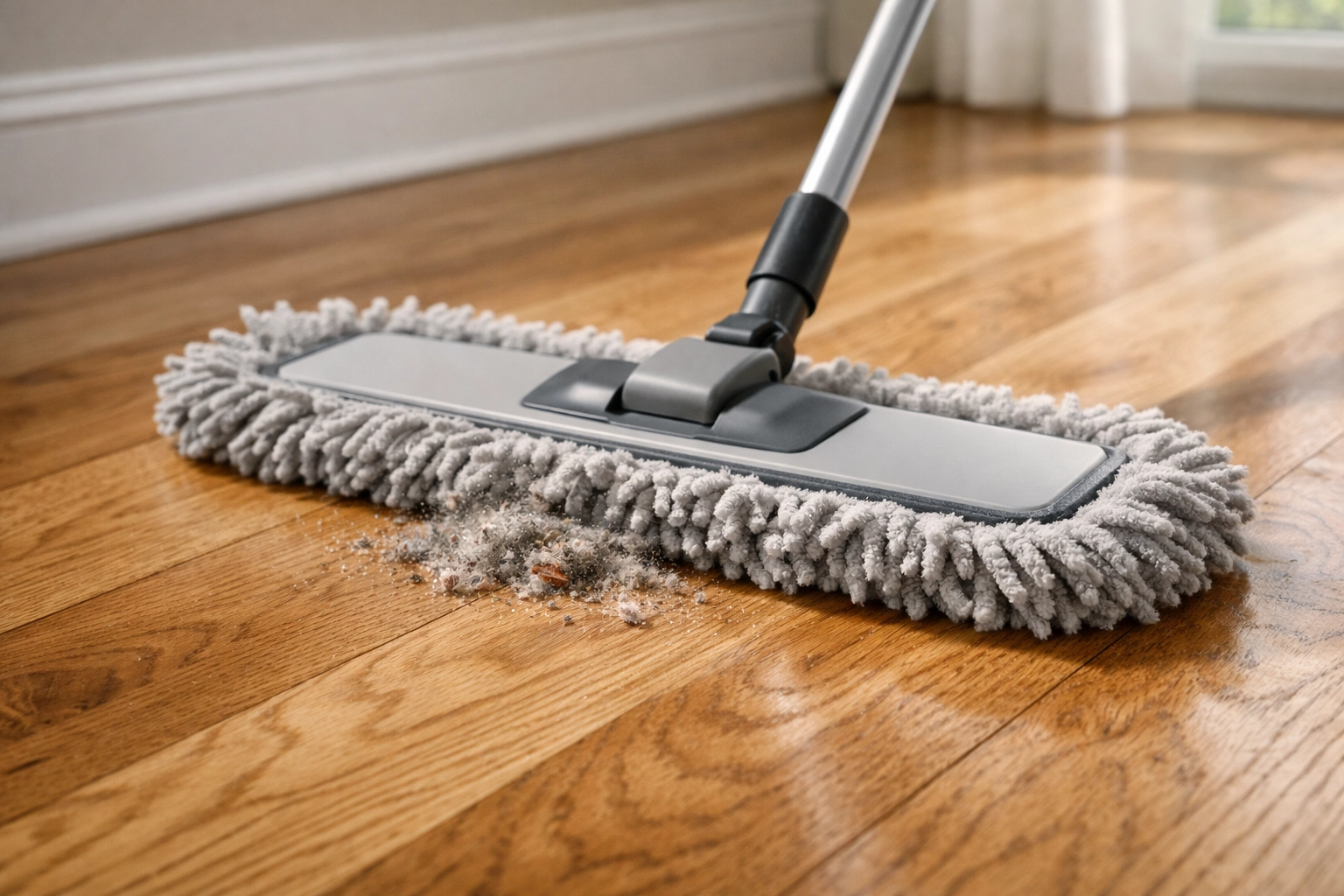
Dirt is your floor's worst enemy. Those tiny particles of sand, grit, and debris act like sandpaper every time someone walks across your floor. Sweep or dry mop daily with a microfiber mop or soft-bristle broom. It takes five minutes and prevents thousands of dollars in premature refinishing costs.
Vacuum weekly using the soft-bristle attachment: never use the beater bar, which can scratch your finish. And here's the golden rule: water and wood don't mix. Skip the steam cleaners entirely, and if you must mop, use only a barely damp (not wet) mop with a pH-neutral hardwood floor cleaner. Wring that mop out until it's almost dry.
Spills happen. When they do, wipe them up immediately and dry the area thoroughly. Even water can damage your finish and penetrate the wood if left sitting for too long.
Furniture protection is non-negotiable. Every chair, table, and couch leg should have felt protectors underneath. Check these pads every few months and replace them when they get dirty or worn down: otherwise they'll cause more damage than they prevent. Never drag furniture across your floors, and if you have rolling chairs, swap out hard plastic wheels for soft rubber versions.
Winter: Your Floor's Toughest Season (November–March)
Chicago winters are brutal on hardwood floors, and it has nothing to do with the cold: it's all about the dry air. When you crank up the heat, indoor humidity levels plummet, sometimes dropping below 20%. Wood responds by shrinking, which creates those annoying gaps between floorboards that suddenly appear every January.
Your number one winter weapon is a humidifier. Maintain indoor humidity between 35-50% throughout the heating season. A whole-house humidifier attached to your furnace is ideal, but portable units work too if you monitor levels with a hygrometer (you can pick one up for under $20).
This isn't just about aesthetics: extreme dryness can cause permanent damage. Small gaps that appear and disappear seasonally are normal, but if boards shrink too much, they may not expand back fully when humidity returns.
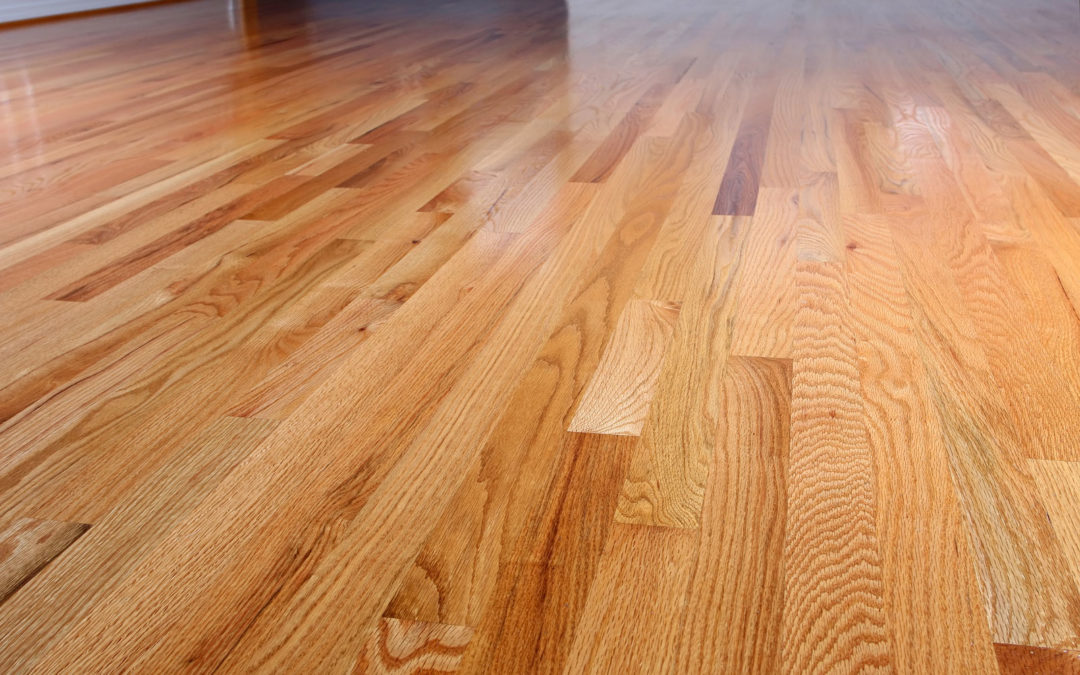
Salt is the other winter villain. Between sidewalk salt, road salt, and whatever chemicals the city dumps on the streets, your floors are under constant assault from November through March. Place mats at every entrance (inside and outside the door), and make it a house rule: shoes off at the door. Vacuum and dry mop more frequently during winter to remove salt crystals before they scratch your finish or leave white stains.
If you do get salt stains, clean them up quickly with a barely damp cloth and a hardwood-safe cleaner. The longer salt sits, the more damage it can cause.
Spring: Assessment and Adjustment Time (April–May)
Spring is when you'll see what winter really did to your floors. As outdoor humidity rises and you turn off the heat, your floorboards will start expanding again. Those winter gaps should close up as moisture returns to the wood.
This is the perfect time to inspect your floors carefully. Walk through every room and look for:
- Gaps that persist even after humidity increases
- New scratches or finish wear from winter traffic
- Areas where the finish looks dull or worn
- Any boards that feel loose or squeak
Minor scratches and dullness can often be addressed with professional recoating services, which refresh your finish without a complete refinish. If you notice deeper issues, spring is the ideal time to address them before summer humidity arrives.
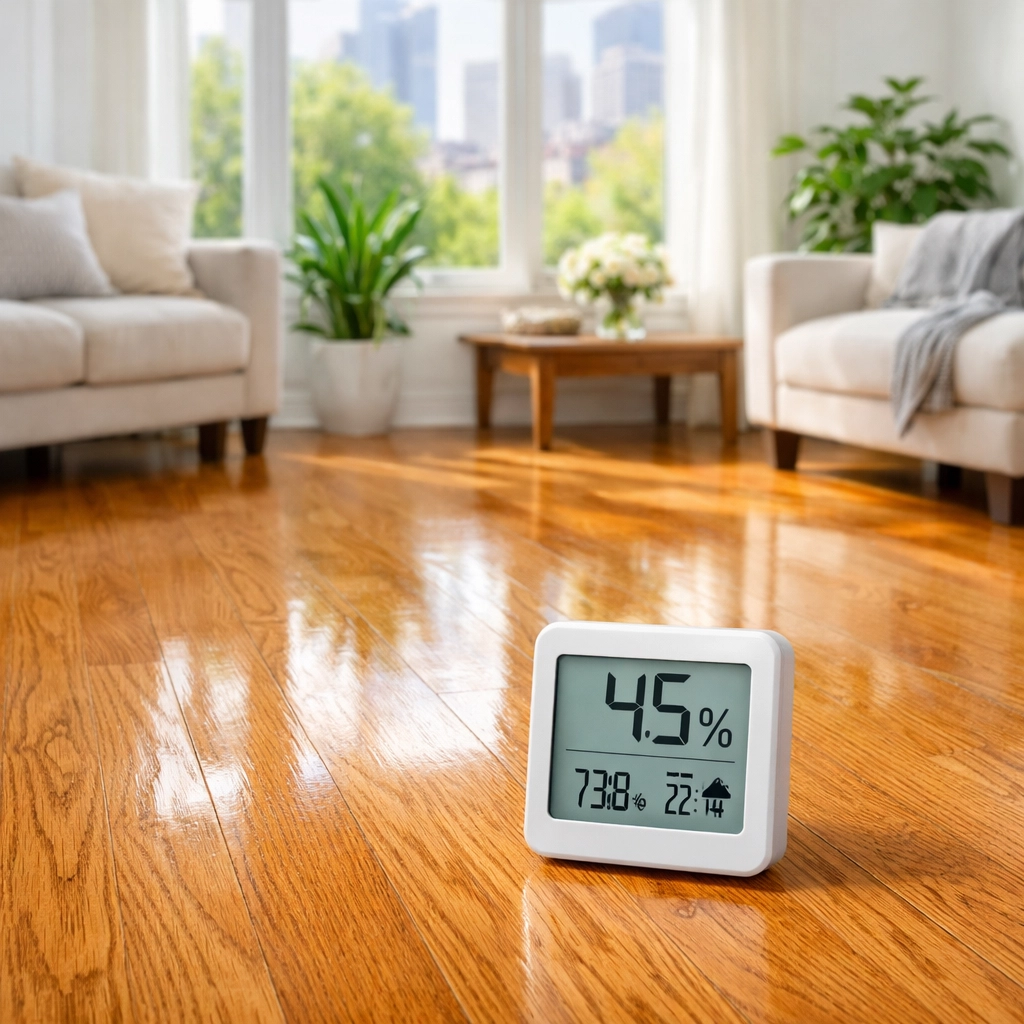
Start adjusting your humidity control as temperatures rise. You might not need the humidifier anymore, but keep that hygrometer handy: you'll want it for summer.
Summer: Fighting the Humidity Battle (June–August)
Just when you thought it was safe to relax, summer humidity arrives. While winter's dry air causes shrinkage, summer's moisture causes expansion. A little expansion is normal and expected: it's why those winter gaps close up. But excessive humidity (above 55-60%) can cause boards to expand too much, leading to cupping, warping, or even buckling in extreme cases.
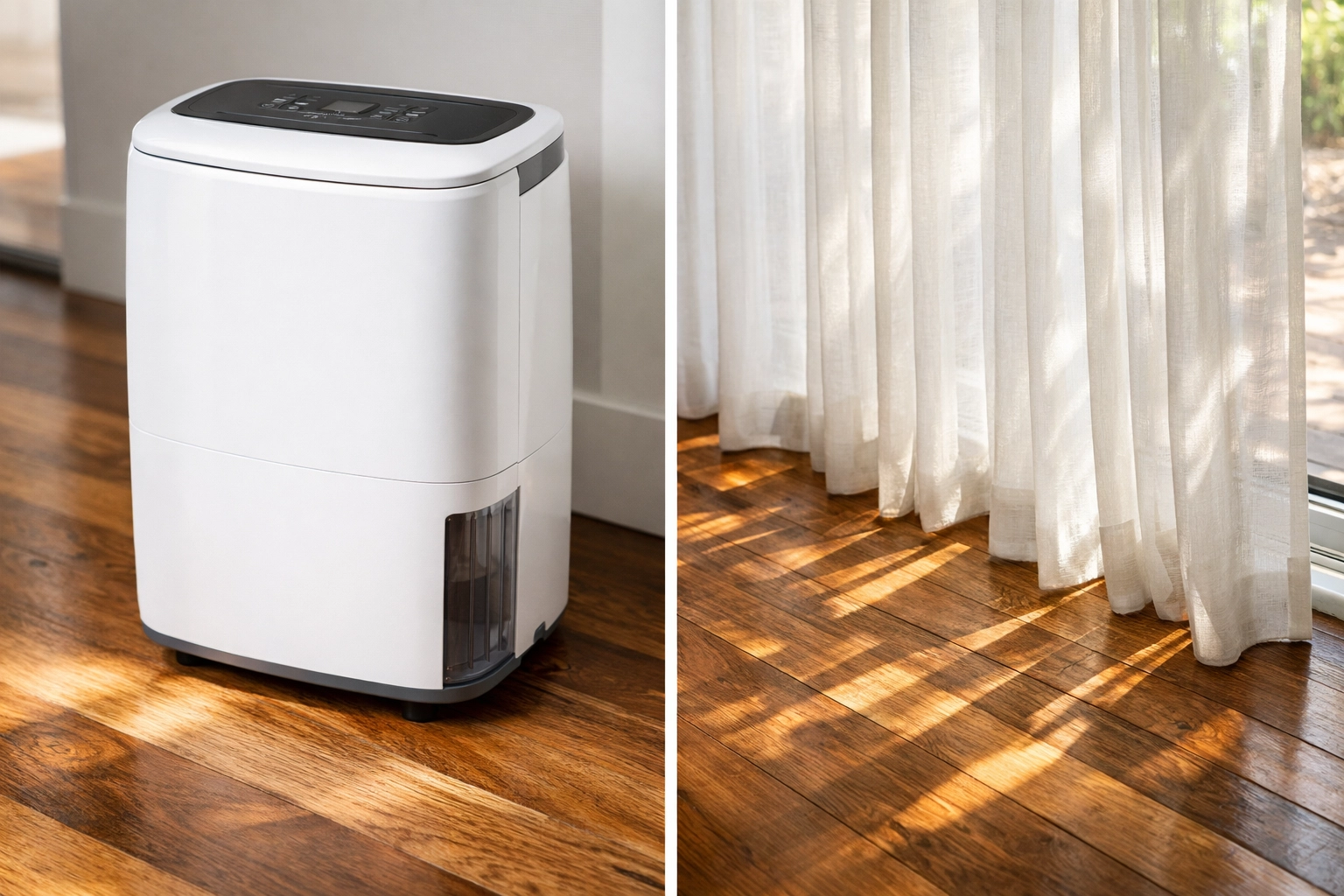
Air conditioning is your friend. Beyond keeping you comfortable, it removes moisture from the air and protects your floors. If you don't have central air, a dehumidifier in the main living areas helps maintain ideal humidity levels.
Keep monitoring with that hygrometer. If levels consistently exceed 55%, it's time to take action with dehumidification.
Summer also brings sun damage concerns. Direct sunlight fades wood and can cause discoloration over time, creating uneven patches where rugs or furniture once sat. Use curtains, blinds, or UV-protective window film during peak sunlight hours, especially on south and west-facing windows.
Fall: Preparing for Another Winter (September–October)
Fall is your prep season. As temperatures drop and you start firing up the heat again, it's time to get ahead of the winter challenges you'll soon face.
Service your humidifier before you need it. Clean or replace filters, check for mineral buildup, and make sure it's ready to run consistently once heating season starts. Stock up on pH-neutral hardwood floor cleaner and check those furniture felt pads one more time.
Fall is also an excellent time for professional maintenance. If your floors are due for recoating (typically needed every 3-6 years), scheduling it in fall means you'll enter winter with maximum protection. A fresh coat of finish seals and protects your wood, preventing moisture loss and making daily cleaning easier.
When to Call the Professionals
Some maintenance you can handle yourself, but certain situations require professional expertise. Consider calling Rovin's Flooring if you notice:
- Persistent gaps that don't close when humidity increases
- Boards that are cupping, warping, or buckling
- Finish that's worn through to bare wood in high-traffic areas
- Deep scratches or gouges that touch-up kits can't address
- Water damage or staining that won't come clean
We serve Chicago and a 60-mile radius extending North and West, and we've spent decades helping homeowners navigate the unique challenges of maintaining hardwood floors in this climate. Whether you need dustless refinishing, professional recoating, or repairs, we've got you covered.
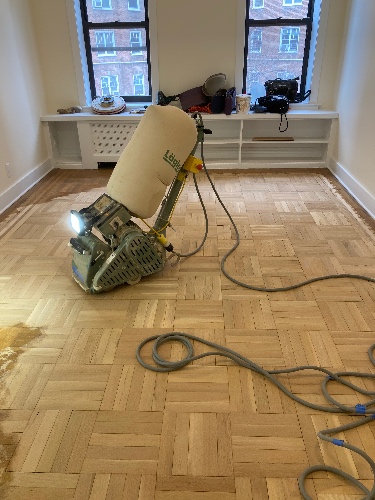
Professional recoating typically takes just one day and costs a fraction of full refinishing, but it can add years of life to your floors. We recommend recoating every 3-6 years, depending on traffic levels and how well you maintain the finish between professional services.
The Bottom Line
Chicago's dramatic seasonal swings don't have to destroy your hardwood floors. The secret is understanding what each season demands and staying ahead of the challenges:
- Year-round: Clean daily, protect from furniture damage, and avoid water
- Winter: Control humidity with humidifiers and fight salt intrusion
- Spring: Assess damage and schedule repairs or recoating if needed
- Summer: Control humidity with AC or dehumidifiers and protect from sun damage
- Fall: Prepare your humidifier and consider professional maintenance
Your floors are an investment. With the right seasonal care and professional maintenance when needed, they'll look beautiful for decades: regardless of what Chicago weather throws at them.
Need professional help getting your floors ready for the season ahead? Contact Rovin's Flooring for a consultation. We'll assess your floors and recommend the right maintenance or refinishing approach for your specific situation.