
Shopping for wood flooring in Chicago isn't like buying furniture online. You're making a decision that'll impact your home for decades: not to mention one that'll survive brutal winters, humid summers, and everything in between. Before you start dialing contractors, here are 10 things every Chicago homeowner needs to know.
1. You Have More Options Than Just Solid Hardwood
When most people think "wood flooring," they picture traditional solid hardwood. But that's just the beginning.
Solid hardwood is the classic choice: real wood planks that can be refinished multiple times over their lifespan. It's beautiful, durable, and adds serious value to your home. But it's not always the best fit for every room or budget.
Engineered hardwood has a real wood veneer on top with plywood layers underneath. It's more stable in high-moisture areas (like basements) and handles Chicago's temperature swings better than solid wood. Plus, it's often more affordable.
Luxury vinyl plank (LVP) mimics the look of hardwood but offers waterproof protection: ideal for kitchens, bathrooms, or homes with kids and pets.
A good contractor will walk you through all these options based on your lifestyle, budget, and the specific rooms you're updating. If someone's pushing one product without asking questions, that's a red flag.
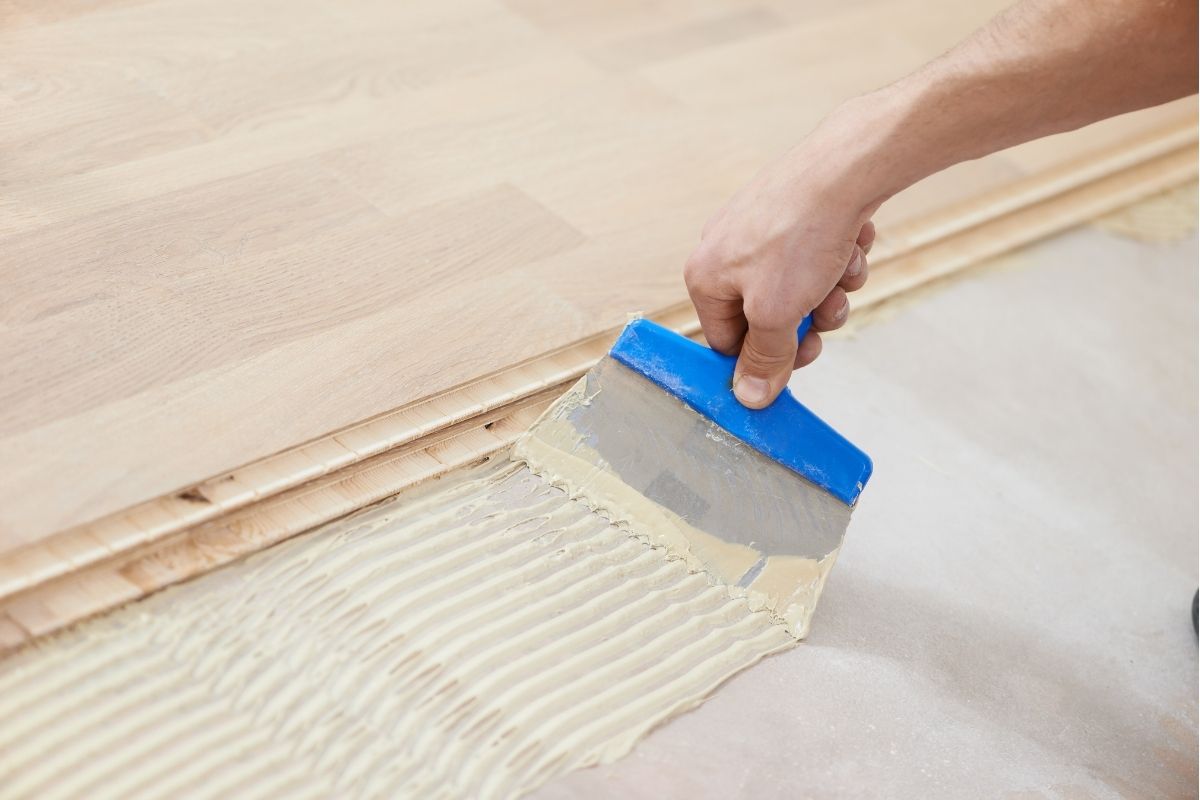
2. Sometimes Refinishing Is Smarter Than Replacing
Here's something many Chicago homeowners don't realize: if you've got hardwood floors hiding under old carpet, you might be sitting on a goldmine.
Older homes throughout Chicago: especially in neighborhoods like Lincoln Park, Oak Park, and Evanston: often have original hardwood floors that just need some love. Refinishing existing floors can cost significantly less than installing new flooring, and you'll preserve the character of your home.
A reputable contractor will inspect your current floors and give you an honest assessment. Can they be saved? How many times have they been refinished before? (Most hardwood can handle 3-4 refinishes over its lifetime.) If the wood is too thin or damaged, replacement might be necessary: but don't assume that's the case until you get a professional opinion.
3. Free Estimates Are Standard (So Get Several)
In Chicago's competitive flooring market, most contractors offer free estimates and in-home consultations. Take advantage of this.
Getting multiple quotes helps you:
- Compare pricing and understand what's reasonable
- See how different contractors communicate and problem-solve
- Identify who's genuinely interested in your project versus who's just looking for a quick sale
During the estimate, pay attention to how thorough the contractor is. Are they measuring carefully? Asking about your lifestyle and preferences? Checking subfloor conditions? Or are they rushing through with a one-size-fits-all quote?
The lowest bid isn't always the best choice: especially if it means cutting corners on preparation or using inferior materials.
4. Credentials Matter More Than You Think
Anyone can rent a floor sander and claim to be a flooring contractor. But professional installation requires expertise, proper insurance, and licensing.
Before hiring anyone, verify they're:
- Fully licensed to work in Illinois
- Insured for both liability and workers' compensation
- Bonded to protect you financially if something goes wrong
This isn't just about protecting yourself: it's about ensuring the quality of work. Licensed contractors have a reputation to maintain and accountability if issues arise. They're also more likely to follow building codes and manufacturer specifications, which matters for warranties.
Don't feel awkward asking for proof of insurance. Any legitimate contractor will provide it without hesitation.
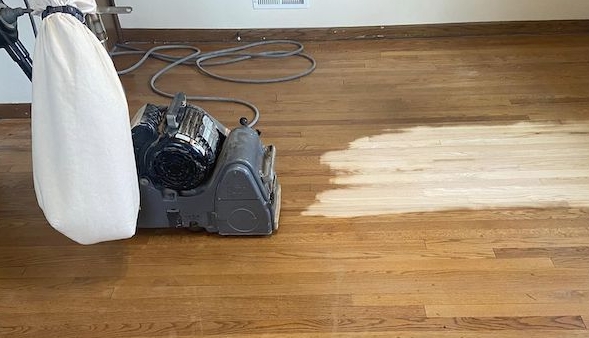
5. The Installation Process Is More Complex Than It Looks
Quality hardwood installation isn't just about laying down planks. There's a whole process that affects how your floors will perform long-term.
Professional contractors in the Chicago area should:
Check subfloor moisture levels – Chicago's climate means moisture is always a concern. If the subfloor is too damp, your hardwood will warp or cup over time.
Install proper underlayment – This creates a moisture barrier and helps with sound reduction, especially important in multi-level homes.
Allow wood to acclimate – Hardwood needs to adjust to your home's temperature and humidity for several days before installation. Skipping this step causes gaps and buckling later.
Ensure precise workmanship – Gaps between boards, uneven surfaces, and poor transitions are signs of rushed or inexperienced work.
If a contractor promises to start immediately without letting the wood acclimate, walk away. That's a shortcut that'll cost you later.
6. Wood Species Choice Changes Everything
Not all hardwood is created equal. Chicago contractors typically work with 20+ domestic and imported species, each with different characteristics:
Red Oak – The classic choice in Chicago homes. Durable, affordable, and takes stain beautifully. Its prominent grain pattern adds character.
White Oak – Slightly harder than red oak with a more subtle grain. It's trending right now, especially in natural, warm tones.
Maple – Extremely hard and durable, perfect for high-traffic areas. The tight grain gives it a clean, contemporary look.
Hickory – The hardest domestic wood, ideal if you have large dogs or active kids. It has dramatic color variation that's not for everyone.
Walnut – Rich, dark, and sophisticated: but also softer and more expensive.
Your contractor should help you choose a species based on your lifestyle, traffic patterns, and aesthetic preferences. There's no "best" wood: just the best one for your specific situation.
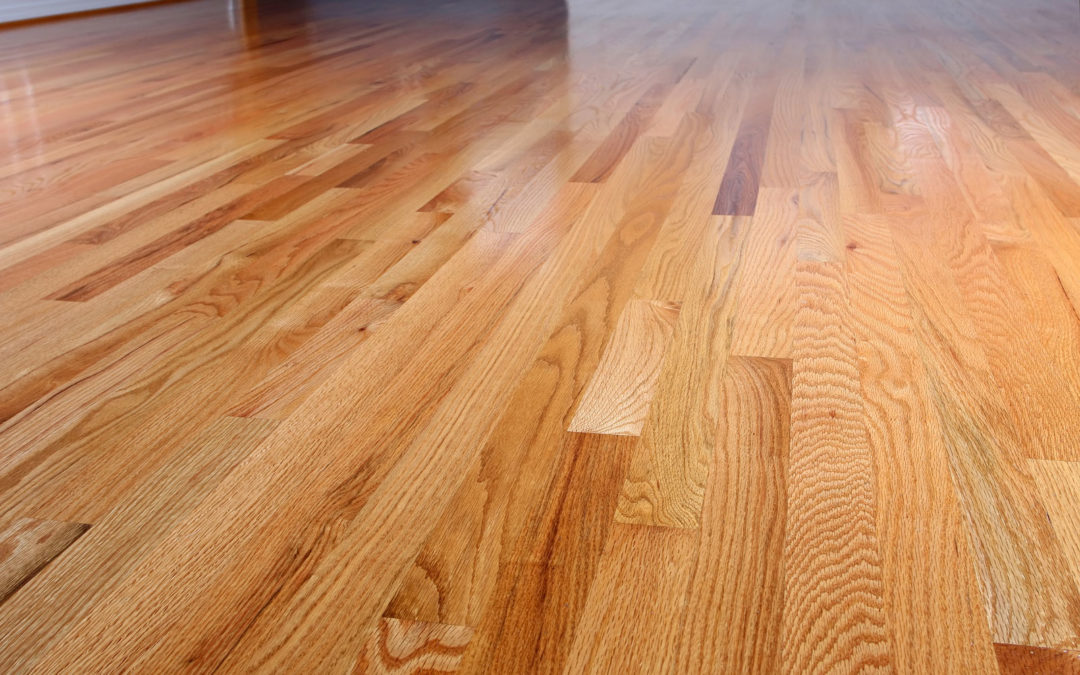
7. Budget and Timeline Need to Be Realistic
Chicago hardwood installation isn't an overnight project, and quality work takes time.
Typical timelines:
- Installation – 3-7 days for an average-sized home, depending on complexity
- Refinishing – 3-5 days, including drying time between coats
- Acclimation period – 3-7 days before installation even begins
Be upfront about your budget from the start. A good contractor will work within your constraints and suggest options if you're stretching financially. Maybe you start with the main living areas now and do bedrooms later. Or you choose engineered wood in some rooms to free up budget for solid hardwood in others.
Hidden costs to budget for:
- Subfloor repairs (common in older Chicago homes)
- Furniture moving and storage
- Temporary housing if you can't stay during refinishing (though low-VOC finishes have made this less necessary)
8. Custom Finishes Can Match Existing Floors Perfectly
Expanding your hardwood into new rooms? Worried about matching your existing floors?
Quality contractors can create custom stain colors that blend seamlessly with your current flooring. Some even have humidity-controlled labs where they formulate exact color matches.
You'll also need to choose a sheen level:
- Matte/Satin – The most popular choice right now. It hides scratches better and gives a contemporary, natural look.
- Semi-Gloss – More reflective but shows imperfections more easily.
- Glossy – Very shiny and formal. Less common in modern homes.
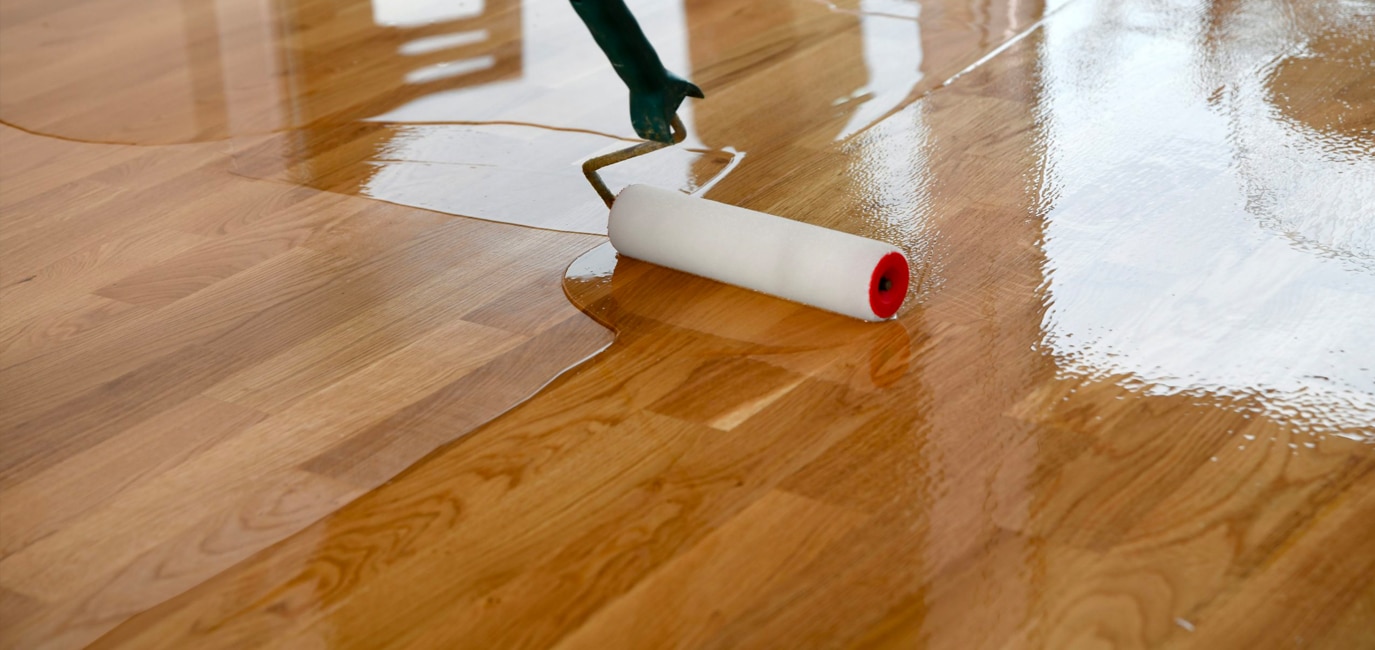
The finish type matters too. Water-based finishes dry faster and have less odor, while oil-based finishes offer richer color depth. There's no wrong choice: just different priorities.
9. Past Work Speaks Louder Than Promises
Anyone can claim to be the best flooring contractor in Chicago. But proof is in the portfolio.
Ask to see:
- Photos of completed projects (bonus if they're similar to your home style)
- References from recent customers you can contact
- Online reviews on Google, Yelp, or industry-specific sites
When you call references, ask specific questions:
- Did the project stay on budget and schedule?
- How did the contractor handle unexpected issues?
- Would you hire them again?
- How does the floor look six months or a year later?
Also check how long they've been serving the Chicago area. Experience with local climate challenges matters: contractors from out of state might not understand how Chicago's humidity swings and harsh winters affect hardwood floors.
10. Warranties Protect Your Investment
Quality hardwood flooring is a significant investment. Make sure it's protected.
Verify that your contractor:
- Works to manufacturer warranty standards – Improper installation can void product warranties
- Offers their own workmanship warranty – This covers installation issues that arise after completion
- Complies with local building codes – Essential if you ever sell your home
Get everything in writing. A detailed contract should include:
- Exact materials being used (species, grade, finish type)
- Project timeline with start and completion dates
- Payment schedule (never pay in full upfront)
- Warranty terms
- Cleanup and disposal of old materials
If a contractor is vague about warranties or reluctant to put agreements in writing, that's a major red flag.
Ready to Move Forward?
Choosing a flooring contractor for your Chicago home doesn't have to be stressful. Armed with these 10 insights, you're prepared to ask the right questions and make informed decisions.
At Rovin's Flooring Inc, we've been serving Chicago and extending 60 miles North and West for years. We specialize in hardwood installation, refinishing, and restoration: and we handle every step of the process with the care your home deserves.
Want to see what's possible for your space? We offer free, no-pressure consultations where we'll assess your current floors, discuss your goals, and provide an honest recommendation. Visit rovinsflooring.com or give us a call to schedule your estimate.
Your floors are the foundation of every room. Let's make sure they're beautiful, durable, and built to last through decades of Chicago living.