
Let's be honest: hardwood flooring installation in Chicago isn't the same as installing floors in Phoenix or Miami. Our city's wild temperature swings, brutal winters, and unpredictable humidity levels mean you can't just follow the generic advice from a YouTube video and hope for the best.
After years of installing hardwood floors throughout Chicago and within a 60-mile radius extending North and West, we've seen what works, and what causes homeowners headaches down the road. This guide covers the real-world factors that'll make or break your hardwood installation, including the stuff most contractors won't mention until something goes wrong.
When Should You Actually Install Hardwood Floors in Chicago?
Here's the truth: there's no perfect season for hardwood installation in Chicago, but there are definitely better and worse times.
Spring and fall are your sweet spots. These shoulder seasons offer moderate temperatures and relatively stable humidity levels, both crucial for proper wood acclimation. Your floors need to adjust to your home's environment before installation, and that's much easier when Mother Nature isn't throwing curveballs.
Summer can work, but you're fighting high humidity that can cause wood expansion. Winter installations are trickier because of extremely dry indoor air from heating systems, which can lead to wood shrinkage and gaps appearing later.
The reality? If you need new floors installed in January, don't panic. Just make sure your contractor takes extra precautions with climate control and acclimation time (more on that next).
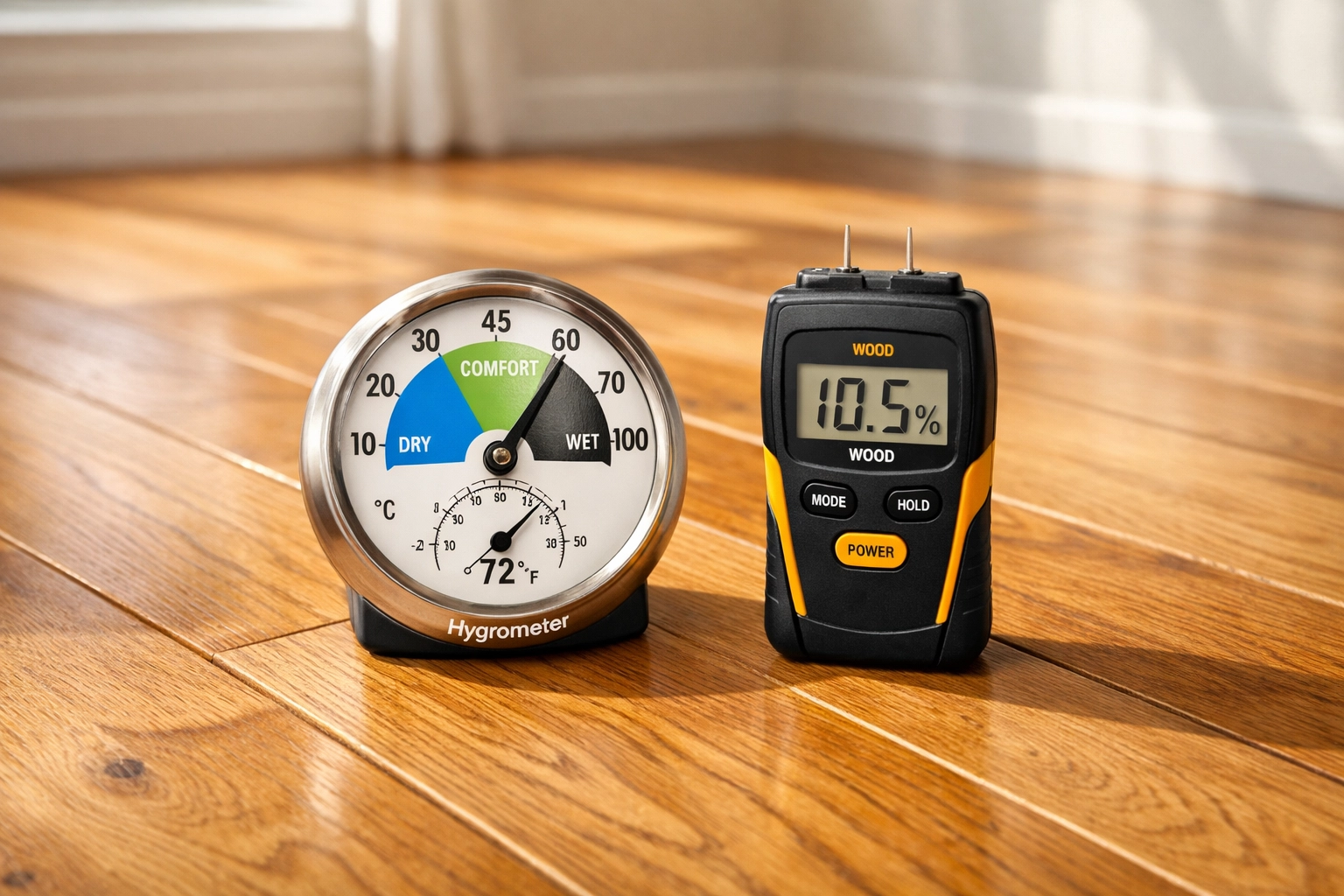
The Humidity Factor: Chicago's Biggest Hardwood Challenge
Chicago's humidity swings are no joke. We go from 80% summer humidity to 20% winter dryness, and your hardwood floors feel every bit of that change. Wood is hygroscopic, it absorbs and releases moisture based on the surrounding environment.
Here's what most contractors won't emphasize enough: your flooring needs to acclimate for at least 48-72 hours before installation. Not in your garage. Not in the truck. In the actual room where it'll be installed, with your HVAC running at normal settings.
During this acclimation period, your home should maintain 60-80°F and 30-50% relative humidity. Yes, that's specific, and yes, it matters. If you skip this step or rush it, you're setting yourself up for cupping, crowning, or gapping issues within months.
Invest in a hygrometer to monitor humidity levels, and consider a whole-home humidifier if you're installing during winter. Running your furnace constantly drops indoor humidity to desert-like levels: not ideal for your investment in beautiful hardwood.
Want to dive deeper into humidity management? Check out our detailed guide on humidity control for hardwood floors.
The Pre-Installation Checklist Your Contractor Might Gloss Over
Before a single plank goes down, your subfloor needs serious attention. This is where corner-cutting contractors can cause long-term problems.
Subfloor preparation is everything. Use a straight edge or 6-foot level to check for high and low spots. The subfloor should be flat within 3/16" over 10 feet. Any variation beyond that needs addressing.
Low spots? Fill them with self-leveling compound. High spots? They need to be sanded or ground down. This isn't optional: uneven subfloors cause squeaks, cupping, and premature wear.
For concrete subfloors in Chicago, moisture testing is critical. Our older buildings and basements often have concrete slabs with high moisture content. If you're installing over concrete, insist on a moisture meter reading. Acceptable levels are typically below 4.5% for wood subfloors and below 3 pounds per 1,000 square feet per 24 hours for concrete.
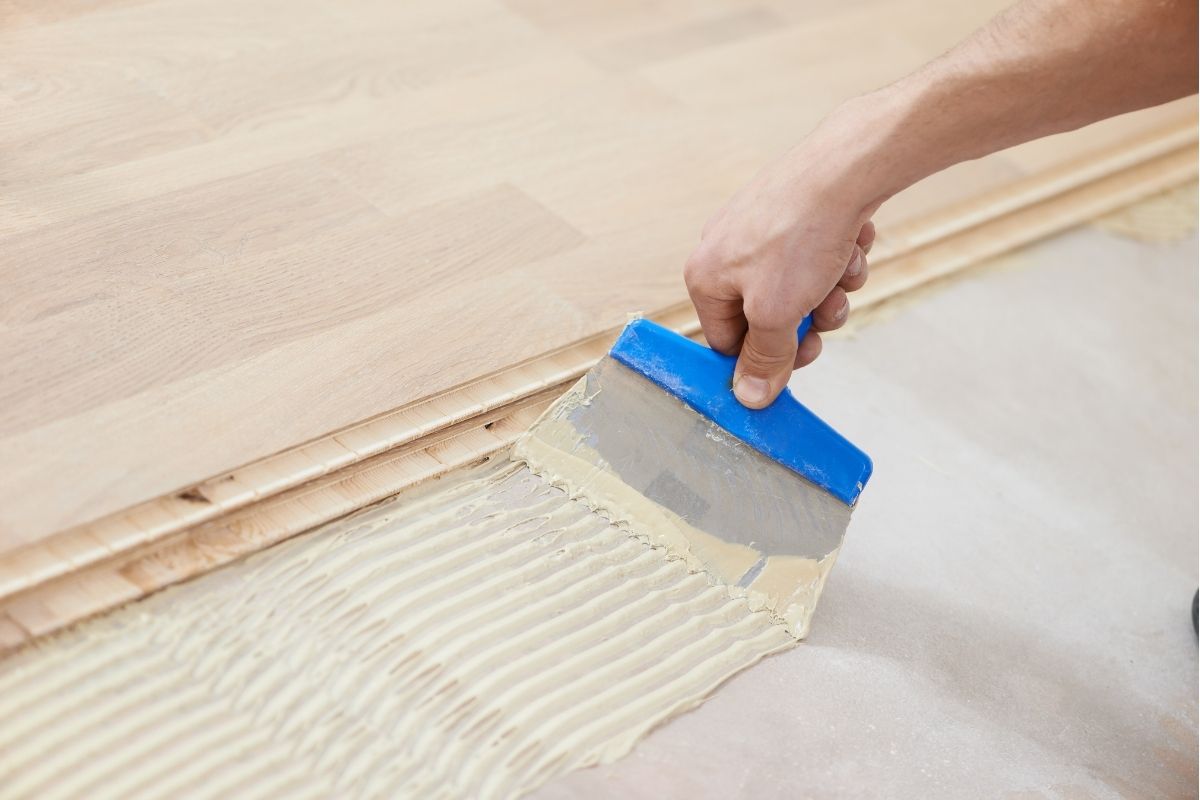
If moisture levels are high, a moisture barrier is non-negotiable. For engineered hardwood over concrete, glue-down installation with the right adhesive creates a better moisture barrier than floating or nail-down methods.
Clear everything out of the room: and we mean everything. Furniture, area rugs, curtains if they're floor-length. The installation crew needs complete access, and you don't want sawdust settling on your belongings.
Finally, install quality underlayment. This layer provides cushioning, sound absorption, and handles the natural expansion and contraction of wood. Don't let anyone convince you to skip this step to save a few bucks.
Installation Day: The Details That Separate Good from Great
Expansion gaps might seem like an annoying detail, but they're essential. Wood expands in summer humidity and contracts in winter dryness. Without proper expansion space around the perimeter, your floors can buckle when they swell.
The standard is a 3/4-inch gap around all walls, doorways, and fixed objects. Spacers maintain this gap during installation, and your baseboards or quarter-round will cover it when finished. No expansion gap = future disaster.
Plank direction matters more than you think. Hardwood should run perpendicular to floor joists for maximum structural support. In rooms with windows, many homeowners prefer planks running toward the primary light source: it tends to make the room appear larger and highlights the wood grain beautifully.
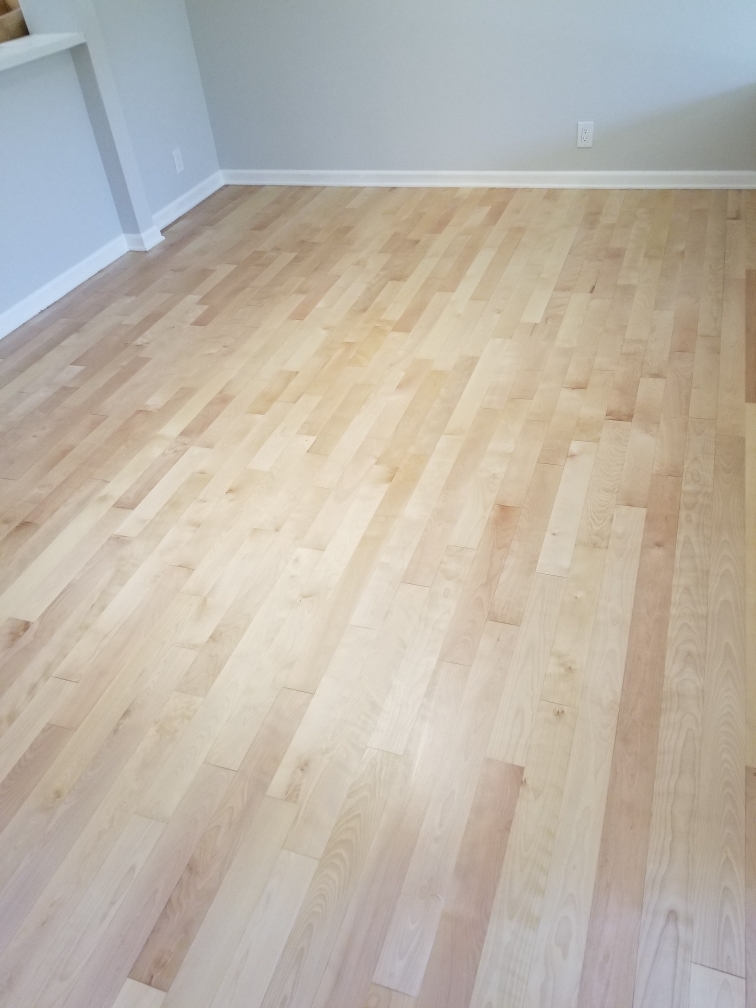
If your contractor is using adhesive for a glue-down installation, resist the urge to walk on those floors. Adhesive needs 24 hours minimum to cure properly. Walking on uncured floors can cause movement and bonding issues that'll haunt you later.
The Post-Installation Reality Check
Your floors are installed: congratulations! But the care doesn't stop there.
Avoid water-based cleaners for at least a week after installation. Even if you chose a fast-drying water-based finish, the finish needs time to fully cure and harden. Too much moisture too soon can cause cloudiness or adhesion problems.
Place furniture pads under all chair and table legs before moving furniture back. Chicago's winter salt and slush are brutal on hardwood, so establish a "shoes off" policy and keep absorbent mats at all entrances. Check out our winter floor protection tips for more detailed guidance.
Monitor your floors during the first year through all four seasons. Some minor gapping in winter is normal when humidity drops. If gaps widen significantly or you notice cupping/crowning, your humidity levels need adjustment.
What Your Contractor Won't Tell You (But Should)
Most reputable contractors will do quality work, but there are industry secrets worth knowing:
Not all hardwood species react to Chicago's climate the same way. Exotic woods like Brazilian cherry are denser and more stable than domestic options like red oak. If humidity control is challenging in your home, species selection matters. Our team can walk you through material options that work best for Chicago conditions.
"Solid" doesn't always mean "better." Engineered hardwood often outperforms solid wood in Chicago basements and homes with concrete subfloors because its cross-layered construction resists moisture-related movement better than solid planks.
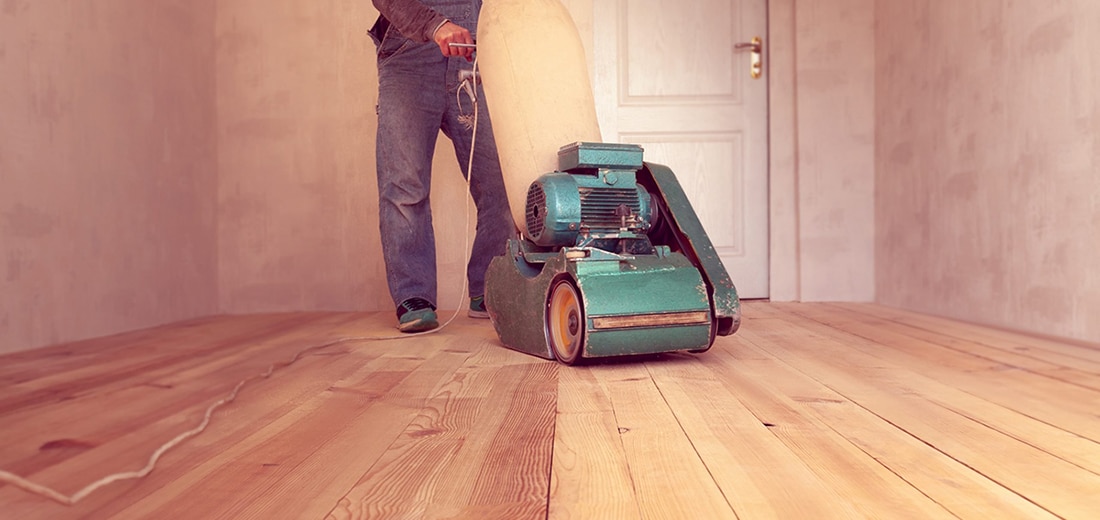
Dustless refinishing isn't just marketing hype. If you're refinishing rather than installing new floors, dustless refinishing systems dramatically reduce cleanup time and keep dust from infiltrating your entire home. Worth every penny.
The Bottom Line
Installing hardwood floors in Chicago requires more than following generic instructions. Our climate demands extra attention to acclimation, humidity control, and proper subfloor preparation. Cut corners on these factors, and you'll face cupping, gaps, or buckling within the first year.
Work with contractors who understand Chicago's specific challenges and don't rush the process. At Rovin's Flooring Inc., we've been serving Chicago and areas extending 60 miles North and West for years, and we've seen firsthand how proper installation techniques make the difference between floors that last decades and floors that need repairs within months.
Ready to discuss your hardwood installation project? Contact us to schedule a consultation. We'll assess your space, discuss material options suited to your home's conditions, and create a timeline that prioritizes quality over speed.
Your floors are a major investment( make sure they're installed right the first time.)