
You just walked downstairs to find water pooling across your beautiful hardwood floors. A frozen pipe burst during last night's deep freeze, and now you're standing in a growing puddle wondering if your floors are ruined.
Here's the reality: The next 24 hours will determine whether you need a simple repair or a complete floor replacement.
Hardwood absorbs water fast, within hours, you'll see warping, cupping, and buckling. But if you act immediately, you can often save your floors and minimize damage. We've handled dozens of frozen pipe emergencies across Chicago and the Northwest suburbs over the years, and I'm going to walk you through exactly what to do right now.
Step 1: Shut Off Your Water Supply (Do This First)
Before you do anything else, find your main water shutoff valve and turn it off completely. This stops additional water from flooding your home if the pipe is still leaking or about to burst.
Your main shutoff is usually located:
- In the basement near the water meter
- In a utility closet on the ground floor
- Near your water heater
- In a crawl space
Turn the valve clockwise until it stops. If you can't locate it or it's stuck, call your municipal water company immediately, they can shut off water at the street.
Every minute counts here. One burst pipe can release hundreds of gallons per hour onto your hardwood floors.
Step 2: Remove Standing Water Immediately
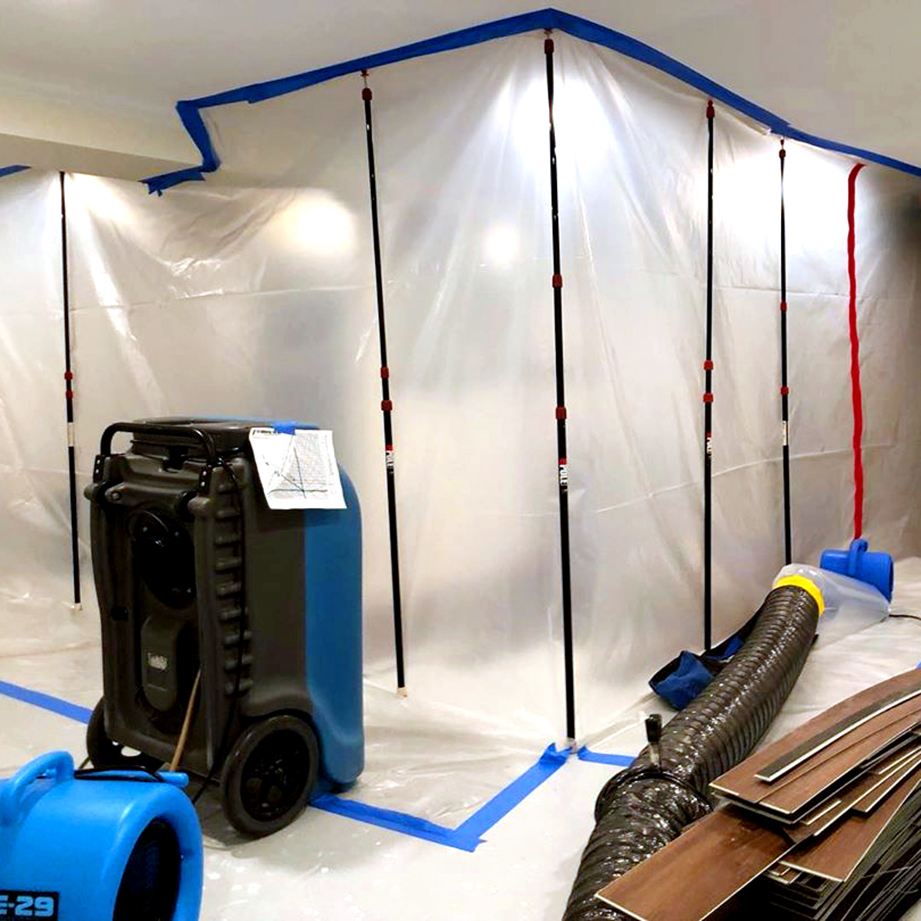
Now that the water's off, you need to get every drop off your floors as fast as possible. Hardwood starts absorbing moisture within 30 minutes of exposure.
Here's your action plan:
- Use towels and mops to soak up surface water (old towels work great, you'll be wringing them out constantly)
- Grab a wet/dry vacuum if you have one, this is the fastest way to extract water from floor seams and edges
- Move all furniture, rugs, and valuables out of the wet area to prevent further water absorption and allow air circulation
- Pull up any wet area rugs immediately, they trap moisture against the hardwood
Don't wait to see how bad it is. Even if the water seems minimal, it's likely seeping into seams and under baseboards where you can't see it.
Step 3: Start Drying Immediately (This Is Critical)
Once the standing water is gone, you're in a race against moisture. Wood floors need aggressive drying to prevent permanent damage, mold growth, and structural issues.
Set up your drying system:
- Run dehumidifiers continuously in all affected rooms, this is the single most important piece of equipment
- Position fans to create airflow across the floor surface (box fans, oscillating fans, whatever you have)
- Open windows if outdoor humidity is lower than indoor humidity (check your weather app)
- Remove shoes and walk in socks to monitor if floors feel damp underfoot
- Check under cabinets and along baseboards for hidden moisture
The goal is to dry everything within 24-48 hours. After that window, you're dealing with more serious damage and potential mold issues.
If you don't own dehumidifiers or fans, it's worth renting industrial-grade equipment from a hardware store. A $50 rental can save you thousands in floor replacement.
Step 4: Document Everything for Insurance
While your floors are drying, grab your phone and document the damage. Most homeowners insurance policies cover water damage from frozen pipes, but you need proof.
Take photos and videos of:
- The burst or frozen pipe location
- Standing water on floors (before cleanup)
- Water stains on baseboards and walls
- Any visible warping, cupping, or buckling in the hardwood
- Your drying equipment setup
- Receipts for any emergency repairs or equipment rentals
Call your insurance company within 24 hours to report the claim. They'll likely send an adjuster out, but having your own documentation protects you if there's any dispute about coverage or damage extent.
Pro tip: Keep a written timeline of when you discovered the leak, when you shut off water, and what actions you took. Insurance adjusters appreciate organized homeowners who acted responsibly.
Step 5: Call the Professionals (Yes, Even If It Looks "Okay")
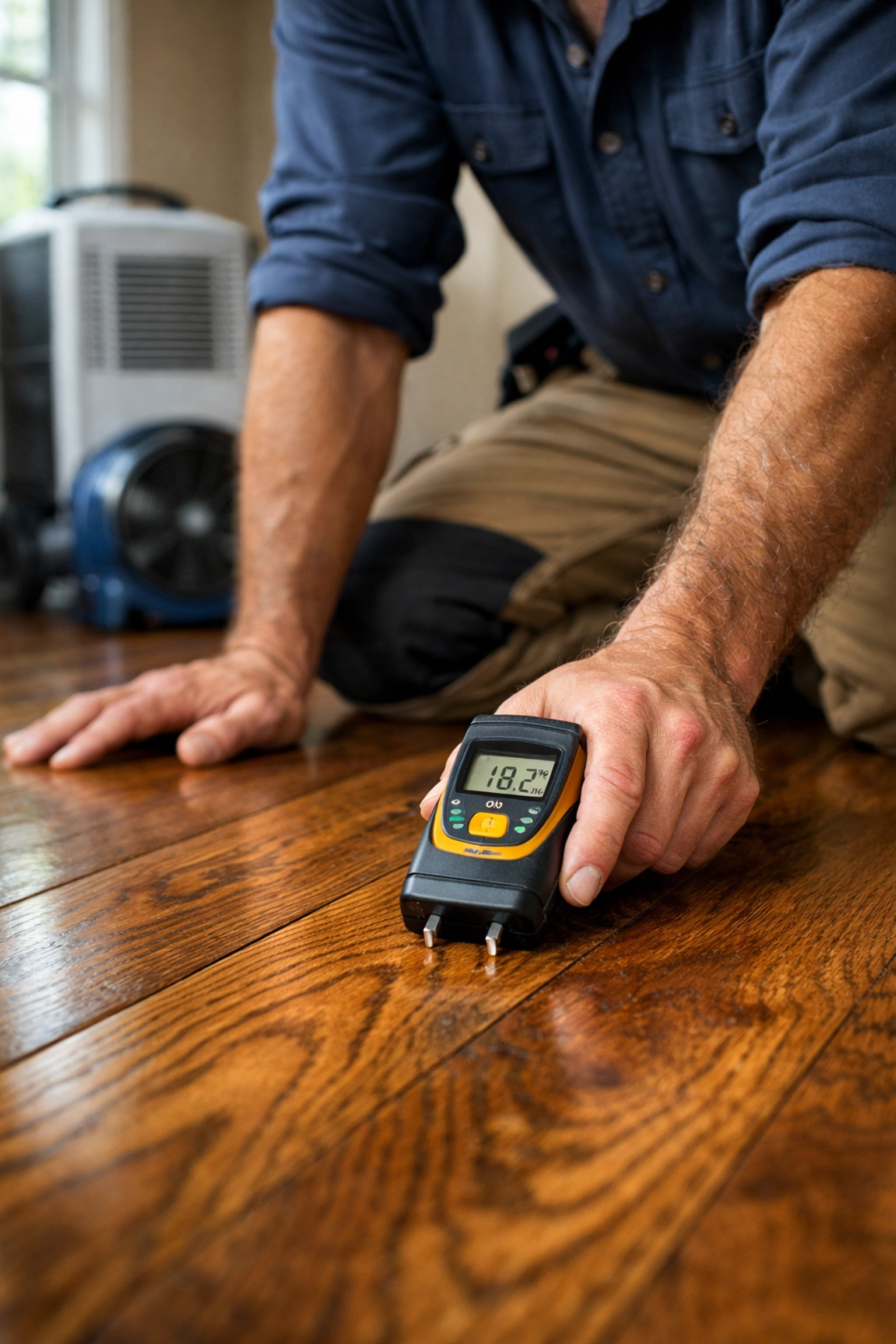
Even if your floors look fine after drying, water damage isn't always visible on the surface. Moisture can be trapped in the subfloor, between planks, or under the finish: causing problems weeks or months later.
When to call a plumber:
- If you can't locate the frozen pipe
- If the pipe is still frozen after gentle thawing attempts
- If you see any cracks, bulges, or active leaks
- If multiple pipes are affected
When to call a water damage restoration company:
- If water covered more than 100 square feet
- If water was standing for more than an hour
- If you don't have adequate drying equipment
- If you smell any musty odors within 48 hours
When to call Rovin's Flooring for hardwood floor repair Chicago:
- If you notice any cupping, crowning, or warping
- If planks have separated or buckled
- If you're unsure whether your floors can be saved
- If your insurance adjuster recommends a flooring inspection
We serve Chicago and a 60-mile radius extending North and West, and we work directly with insurance companies to streamline the claims process.
Can Your Floors Be Repaired, or Do You Need Replacement?
This is the question everyone asks, and the honest answer is: it depends on how long water was present and how much damage occurred.
You can likely repair your floors if:
- Water was removed within 2-3 hours
- Only minor cupping or edge swelling is visible
- The finish is intact with no major water stains
- Fewer than 20% of planks are affected
- Your floors are solid hardwood (not engineered)
Minor water damage often responds well to drying, sanding, and refinishing. We can sand down slight cupping, address localized damage, and refinish the entire floor to match. Check out our guide on repair, refinish, or replace options for more details.
You'll likely need replacement if:
- Water was standing for more than 6-8 hours
- Severe warping, buckling, or crowning is present
- The subfloor is damaged or shows signs of rot
- More than 30% of planks are compromised
- Engineered hardwood has delaminated (layers separating)
In these cases, trying to save damaged planks creates more problems. Buckling planks won't lay flat even after drying, and weakened subfloors compromise the entire installation.
The good news? We can often do partial replacements where we remove and replace damaged sections, feathering them into undamaged areas. If you need full replacement, we handle everything from subfloor repairs to new wood floor installation Chicago IL projects: all coordinated with your insurance timeline.
Working With Insurance on Water Damage Claims
Most insurance policies cover sudden water damage from frozen pipes, but navigating the claims process can be frustrating. Here's how Rovin's Flooring makes it easier:
We provide detailed damage assessments that document the extent of water damage, repair vs replacement needs, and accurate cost estimates your adjuster can review.
We work directly with adjusters and restoration companies to ensure everyone's on the same page about scope of work and timelines.
We handle subfloor repairs, moisture testing, and final installation so you're not juggling multiple contractors.
We know Chicago-area insurance requirements and can document everything according to their standards.
If your adjuster initially denies coverage for hardwood replacement, we can provide additional documentation showing why repair isn't viable: we've successfully helped dozens of homeowners get appropriate coverage for necessary replacements.
Winter Isn't Over: Prevent Future Frozen Pipe Disasters
Once your floors are repaired or replaced, take steps to prevent this from happening again:
- Insulate exposed pipes in unheated areas (crawl spaces, attics, exterior walls)
- Keep your thermostat at 55°F minimum when you're away
- Open cabinet doors during extreme cold to allow warm air circulation
- Let faucets drip slightly during deep freezes to keep water moving
- Disconnect and drain outdoor hoses before winter
- Seal air leaks near plumbing
And maintain your hardwood floors properly during Chicago winters: our guide on protecting floors from winter salt and slush has practical tips for year-round care.
Need Help Assessing Water Damage to Your Hardwood Floors?
If you're dealing with frozen pipe damage right now: or you're worried about floors that got wet days or weeks ago: contact Rovin's Flooring for a professional assessment.
We'll inspect your floors, test for hidden moisture, and give you an honest evaluation of whether repair or replacement makes sense. We serve Chicago and the surrounding areas North and West within a 60-mile radius, and we work with all major insurance companies.
The first 24 hours are critical, but even if it's been longer, don't assume your floors are beyond saving. Let us take a look before you make any decisions.