
Installing or refinishing hardwood floors in Chicago isn't like doing it anywhere else. Between the bone-chilling winters, humid summers, and everything in between, our Midwest climate puts hardwood through the wringer. And when installation goes wrong? You're looking at gaps, buckling, warping, and thousands of dollars in repairs.
After working on floors throughout Chicago and the 60-mile radius extending North and West, we've seen these mistakes more times than we can count. The good news? They're all preventable, if you know what to look for and work with contractors who understand Chicago's unique challenges.
Here are the seven biggest hardwood flooring mistakes we see Chicago homeowners make, and more importantly, how expert contractors fix them.
1. Ignoring What's Underneath: Poor Subfloor Preparation
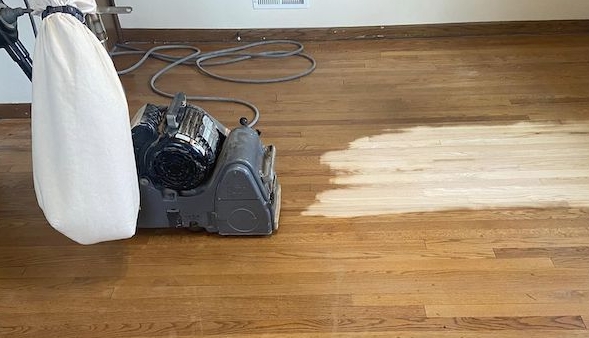
Your hardwood floor is only as good as what's beneath it. We've walked into countless Chicago homes where the subfloor wasn't cleaned, leveled, or properly secured before installation. Old adhesive residue, uneven concrete, loose plywood, these aren't minor issues. They're disasters waiting to happen.
What goes wrong: Without proper subfloor prep, you'll see gaps between planks, boards that buckle or feel spongy underfoot, and moisture problems that destroy your investment. Chicago's humidity swings make this even worse, as wood naturally expands and contracts with the seasons.
How experts fix it: Professional contractors don't skip steps. We remove all debris, scrape away old adhesive (yes, by hand if necessary), level any uneven areas, and make sure everything is secure before a single plank goes down. It's not glamorous work, but it's the foundation of a floor that lasts decades instead of disappointing you in a few years.
2. Installing Floor Materials Straight Out of the Box
Picture this: brand new hardwood arrives at your home, and you're excited to get started. So you tear open the boxes and start installing immediately. Fast forward three months, and you've got gaps between boards or warped planks that look terrible.
What goes wrong: Wood is a natural material that reacts to its environment. When flooring materials go from a warehouse to your home without time to adjust to your humidity and temperature levels, they're going to move, shrinking, expanding, or warping after installation.
How experts fix it: Acclimation isn't optional. Quality contractors deliver materials and let them sit in your home for several days before installation, allowing the wood to adjust to your specific environment. It seems like a delay, but it's actually preventing future problems. In Chicago's variable climate, this step is non-negotiable.
3. Forgetting That Wood Moves: The Expansion Gap Problem
Wood doesn't just sit there looking pretty, it's constantly responding to temperature and humidity changes. Chicago homeowners know our seasons aren't subtle. Your floors experience dry winter air from heating systems and humid summer conditions, sometimes all in the same week during spring.
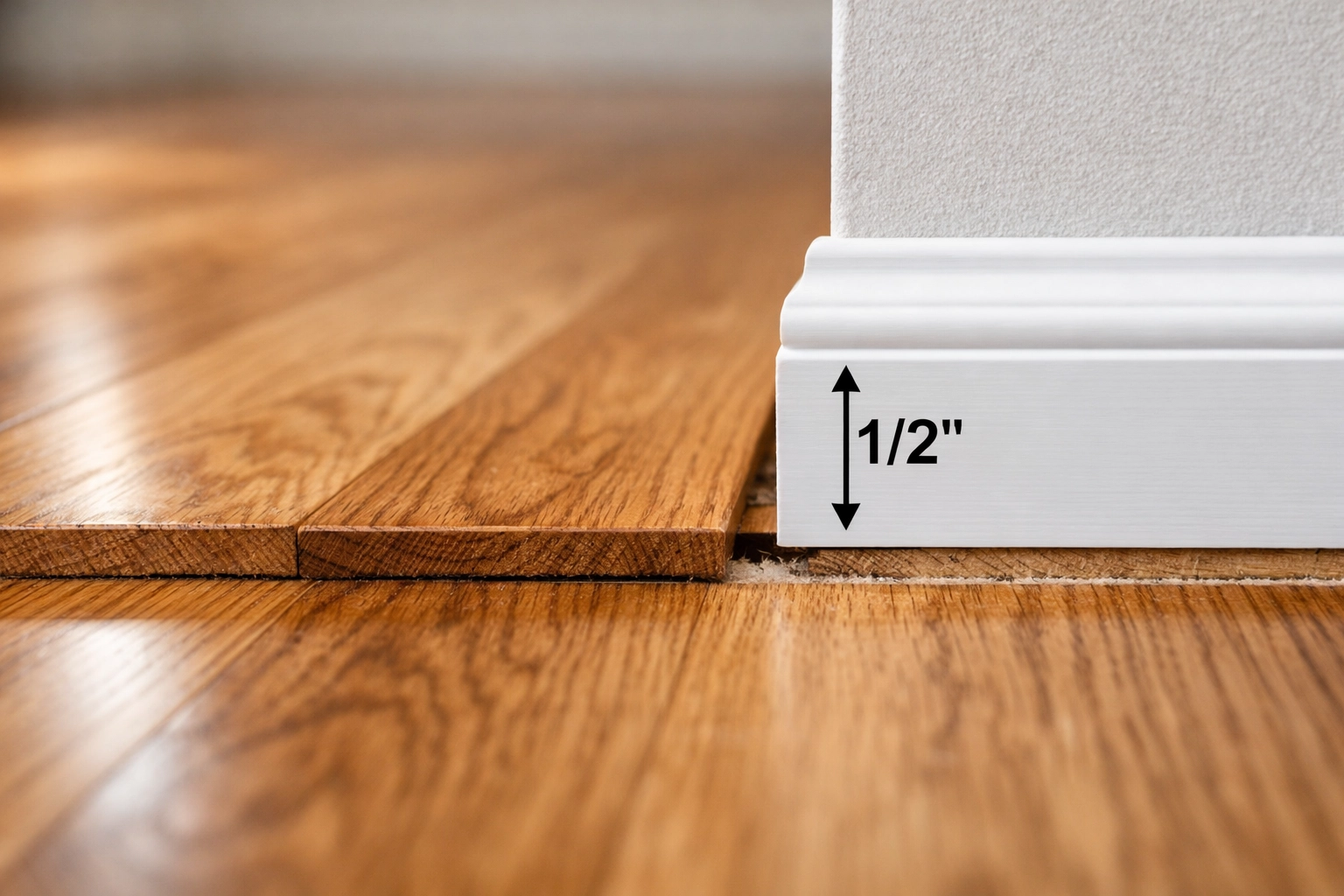
What goes wrong: Without proper expansion gaps around walls and fixed objects, your floors have nowhere to go when they expand. The result? Boards buckle, warp, or create raised sections that look awful and feel worse. We've torn out floors that were only months old because this basic principle was ignored.
How experts fix it: Experienced contractors leave adequate spacing, typically ½ to ¾ inch, between your flooring and all walls, cabinets, and fixed structures. These gaps get hidden by baseboards and trim, so you never see them. But they give your floor room to breathe and move naturally without causing damage. It's a small detail that makes a massive difference.
4. Using the Wrong Installation Method or Materials
Not all hardwood floors install the same way. Solid hardwood, engineered wood, and different plank styles each require specific fasteners, adhesives, or installation techniques. Using the wrong approach is like putting winter tires on only two wheels, it might seem fine at first, but problems are coming.
What goes wrong: Wrong adhesive or fasteners lead to loose boards, squeaking floors, gaps between planks, and premature wear. Sometimes boards pop up entirely. DIY installers often grab whatever's available at the hardware store without understanding that different products serve different purposes.
How experts fix it: Professional installers know exactly which materials work for each floor type and subfloor combination. We factor in your specific home conditions, the wood species, plank size, and installation pattern. When we nail down a floor, we're using the right gauge and length of fastener for that exact application. When we glue, we're using adhesive formulated for your specific materials and Chicago's climate conditions.
5. Rushing the Layout: Misaligned Planks and Sloppy Seams
Walking into a room with crooked floors or visible gaps between planks is like seeing a painting hung askew, it just looks wrong. Yet we see this constantly from rushed installations where homeowners tried to save money by hiring the cheapest contractor or going DIY.
What goes wrong: Poor measurements, skipped planning, and rushing lead to seams that don't line up, uneven gaps, planks that look crooked, and patterns that don't flow properly. It's especially noticeable with herringbone or diagonal layouts. Beyond aesthetics, uneven seams create tripping hazards and spots where dirt accumulates.
How experts fix it: Good contractors take time during layout. We measure multiple times, plan the pattern before installing the first board, and ensure every piece fits precisely. For complex patterns, we do dry layouts first. This attention to detail transforms a floor from "it's fine" to "wow, that looks incredible."
6. Skipping Underlayment When Your Floor Actually Needs It
Underlayment isn't always necessary, but when it is, skipping it causes real problems. Some floors benefit from the extra cushioning, sound dampening, and moisture protection that underlayment provides: especially in Chicago's older homes with concrete subfloors.
What goes wrong: Without proper underlayment where needed, floors feel hard and uncomfortable underfoot, sound hollow when you walk, transmit noise to rooms below, and become vulnerable to moisture damage from concrete slabs or basements.
How experts fix it: We assess each situation individually. Is your subfloor concrete or wood? Is this a basement installation? Do you need extra sound dampening? What type of hardwood are you installing? Based on these factors, we determine if underlayment is necessary and which type provides the best protection for your specific situation. It's not about upselling: it's about making your floor last.
7. The Biggest Mistake: Ignoring Moisture and Humidity
This is where Chicago's climate really separates amateur installations from professional work. Moisture is hardwood flooring's worst enemy, and our Midwest humidity swings create constant challenges. Yet we regularly see floors installed without anyone checking moisture levels or addressing underlying humidity issues.
What goes wrong: Installing or refinishing floors without measuring moisture content or fixing humidity problems leads to cupping, warping, buckling, and ruined floors. Basements are particularly vulnerable, but we've seen moisture damage in upper-level installations too. In Chicago's climate, hardwood floors need specific moisture protection year-round.
How experts fix it: Before installing a single board, professional contractors use moisture meters to test both the subfloor and new materials. We identify moisture sources: whether it's a basement seepage issue, poor ventilation, or inadequate climate control: and address them first. If moisture levels aren't right, we don't proceed. Period.
During installation, we factor in Chicago's seasonal humidity changes, adjusting our approach based on the time of year. We also educate homeowners about proper maintenance, including humidity control during our harsh winters and humid summers.
Why Professional Installation Matters in Chicago
Living in Chicago and the surrounding areas extending North and West means your hardwood floors face conditions that floors in milder climates never encounter. Rock salt tracked in from snowy sidewalks, dramatic temperature swings between seasons, and humidity levels that bounce around like a yo-yo: these aren't minor concerns. They're the reality of Midwest living.
That's why attempting DIY installation or hiring inexperienced contractors rarely ends well. Choosing the right finish and installation method matters, and so does working with contractors who understand Chicago-specific challenges.
Expert installers invest in proper tools, ongoing training, and the experience that comes from working on hundreds of Chicago homes. We know how to handle your 1920s bungalow's uneven subfloors, your suburban home's basement moisture, or your condo's sound transmission requirements. We've seen what works and what fails in our climate.
The difference between amateur and professional installation isn't just about how your floor looks on day one: it's about how it looks and performs five, ten, and twenty years from now.
Protect Your Investment
Hardwood flooring represents a significant investment in your home. When installed correctly, it adds value, beauty, and durability that lasts for generations. When installed incorrectly, it becomes an expensive problem that only gets worse over time.
If you're considering new hardwood installation or wondering about existing floor issues, working with experienced Chicago contractors who understand these common mistakes: and how to avoid them: makes all the difference. Your floors deserve to be done right the first time.
At Rovin's Flooring Inc, we've been serving Chicago and the 60-mile radius extending North and West for years, and we've learned these lessons so our customers don't have to. Whether you're installing new floors or deciding between repair, refinish, or replacement, professional expertise prevents the costly mistakes that turn dream floors into ongoing headaches.