
Here's the thing about hiring a hardwood flooring contractor in Chicago: most homeowners don't realize they're actually looking for two completely different specialists. You wouldn't hire a general dentist to perform oral surgery, right? Same principle applies to your floors.
Understanding whether you need an installation crew or a refinishing specialist isn't just about saving money. It's about making sure the person you hire actually knows what they're doing for your specific project. And in a city where winters are brutal and humidity swings can wreak havoc on wood floors, hiring the wrong contractor can cost you thousands in repairs down the line.
Let's break down exactly what you need to know before you sign any contract.
Installation vs Refinishing: These Are Not the Same Job
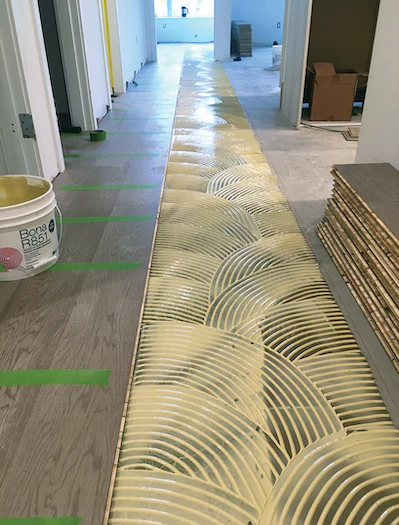
Installation specialists are essentially builders. They're assessing your subfloor, checking moisture levels, calculating expansion gaps for Chicago's temperature swings, and laying down new hardwood from scratch. They need to understand wood species, acclimation requirements, and how different installation methods (nail-down, glue-down, floating) work with various subfloor conditions.

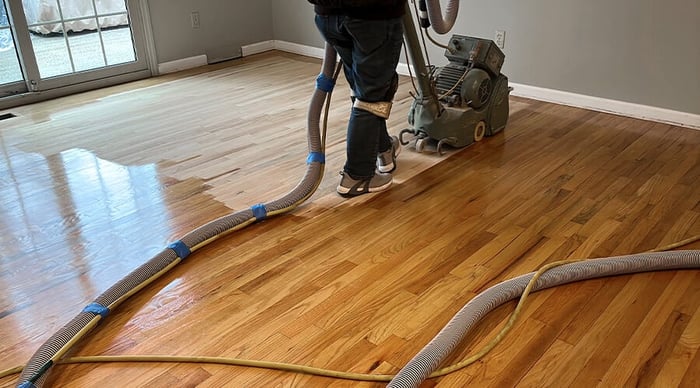
Refinishing specialists, on the other hand, are restoration experts. They're evaluating your existing floor's condition, determining how many sandings it can handle, matching stain colors, and applying finishes that'll survive your lifestyle. It's a completely different skill set that requires knowledge of sanding equipment, dust containment, finish chemistry, and how to work around existing trim and stairs.
Here's where it gets interesting: some contractors specialize in one or the other, while others have crews trained in both. Neither approach is inherently better: it depends on what you need and who's doing the work.
What Installation Specialists Actually Do (Besides Laying Boards)
A legitimate installation contractor serving Chicago and the surrounding 60-mile radius extending North and West starts long before they ever touch a piece of wood. They're checking your subfloor for moisture issues: critical in our climate where basements can be damp year-round. They're ensuring proper underlayment to prevent squeaks and provide moisture barriers.
They should also be asking questions about your lifestyle. Got dogs? Heavy furniture? Radiant heat? These factors directly impact which wood species and installation method will actually work in your home. Red oak behaves differently than Brazilian cherry, and engineered hardwood has different requirements than solid 3/4-inch planks.
The good ones will also walk you through acclimation: letting the wood adjust to your home's temperature and humidity before installation. Skip this step in Chicago, and you're asking for gaps in winter and cupping in summer.
Refinishing Experts: More Than Just Running a Sander
Refinishing seems straightforward until you realize how much can go wrong. A refinishing specialist needs to assess whether your floors can even handle another sanding (most floors can only be refinished 3-4 times before they're too thin), identify problem areas like pet stains that need special treatment, and understand how different finishes perform in real-world conditions.
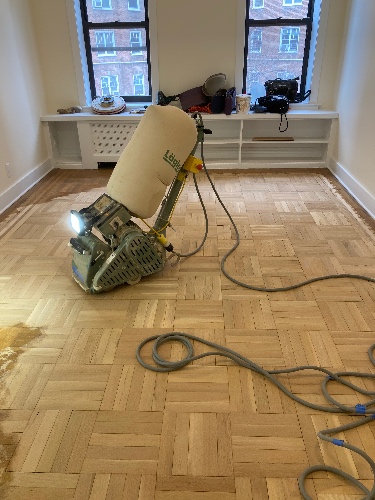
The equipment matters too. Dustless sanding systems have revolutionized refinishing, but not every contractor has invested in them. If someone shows up with equipment from 1995 and tells you to expect a week of cleanup, that's a red flag. Modern refinishing should leave your home relatively dust-free.
Then there's the finish itself. Water-based finishes cure faster and have fewer fumes, but they require specific application techniques. Oil-based finishes are more forgiving but take longer to cure. A quality refinishing specialist knows which finish works for your specific situation: not just their preferred product.
The Critical Questions Checklist (Ask These Before You Sign Anything)
For Any Hardwood Contractor:
- How long have you been working specifically in the Chicago area?
- Can you provide three recent references I can actually contact?
- What's your process for handling unexpected issues (damaged subfloor, hidden water damage, etc.)?
- Who will actually be doing the work: employees or subcontractors?
For Installation Projects:
- How do you handle subfloor preparation and moisture testing?
- What's your wood acclimation process?
- What warranty do you offer on the installation itself (not just the wood)?
- How do you address expansion gaps for our climate?
For Refinishing Projects:
- How do you determine if my floors can be refinished or if they need replacement?
- What dust containment system do you use?
- How many coats of finish do you apply, and what's the cure time?
- What happens if you sand through the veneer on engineered floors?
Don't just accept vague answers. A contractor who dodges specifics is showing you exactly who they are: believe them.
Insurance and Licensing: The Non-Negotiables
Every legitimate hardwood flooring contractor in Chicago should carry general liability insurance and workers' compensation coverage. This isn't just about protecting them: it's about protecting you. If someone gets hurt on your property or damages your home during installation or refinishing, you don't want to be on the hook.
Ask for proof of insurance and verify it's current. A simple phone call to their insurance company takes five minutes and could save you from a lawsuit. If a contractor hesitates or says they'll "send it later," consider that a massive red flag.
While Illinois doesn't require specific licensing for flooring contractors (unlike electricians or plumbers), many professionals carry certifications from organizations like the National Wood Flooring Association. These aren't mandatory, but they demonstrate a commitment to staying current with industry standards and best practices.
Red Flags That Should Make You Walk Away
Some warning signs are obvious: like a contractor asking for full payment upfront or refusing to provide a written contract. But others are subtler:
The "Too Good to Be True" Estimate: If one contractor's quote is dramatically lower than others, there's a reason. They might be cutting corners on preparation, using inferior materials, or planning to upcharge you once the job starts.
Pressure Tactics: "This price is only good if you sign today" is a classic manipulation technique. Legitimate contractors don't need to pressure you: their work speaks for itself.
No Physical Address: In the age of Google, it's easy to verify if a company has an actual business location. If they only have a P.O. box or operate entirely out of a truck, proceed with extreme caution.
Generic Answers: When you ask specific questions about their process and get vague, jargon-filled responses, they either don't know what they're doing or they're hiding something.
Poor Communication: If they're hard to reach, slow to respond, or unclear during the estimate phase, that behavior will only get worse once you've signed a contract.
Why Some Contractors Handle Both (And Why That Can Be a Good Thing)
There's a practical advantage to working with contractors who offer both installation and refinishing services. They understand the full lifecycle of hardwood floors: how proper installation affects long-term durability, and when refinishing makes sense versus replacement.
At Rovin's Flooring, we've specialized in both installation and refinishing for years because the skills genuinely complement each other. When we're installing new floors, we know exactly how they'll need to be maintained and eventually refinished. When we're refinishing existing floors, we can spot installation issues that might cause problems down the road.
This dual expertise also means we can give you honest advice about whether your floors need installation or refinishing. We've talked homeowners out of expensive installations when their floors could be beautifully restored with refinishing: and we've also been upfront when floors are too damaged to refinish successfully.
Making Your Final Decision
After you've gathered estimates, checked references, and verified insurance, trust your gut. The cheapest option is rarely the best value, and the most expensive doesn't guarantee quality. Look for contractors who:
- Communicate clearly and promptly
- Provide detailed written estimates
- Ask questions about your home and lifestyle
- Explain their process without talking down to you
- Stand behind their work with real warranties
For homeowners in Chicago and the 60-mile radius extending North and West, finding the right hardwood flooring contractor means finding someone who understands our specific climate challenges, has experience with the building types common in our area, and delivers work that'll last through Chicago's temperature extremes.
Whether you need installation or refinishing, the contractor you choose will directly impact how your floors look and perform for the next decade or more. Take your time, ask the tough questions, and don't settle for someone who can't clearly explain why they're the right choice for your specific project.
Want to learn more about caring for your hardwood floors after installation or refinishing? Check out our guide on hardwood floor maintenance in Chicago, or explore whether you should repair, refinish, or replace your current floors.